security

Category

Year

Author / Contributor

Region

Sort by

Showing 1-10 of 306 stories

resized_272427-daniel-ellsberg-0119_69-24152_t800
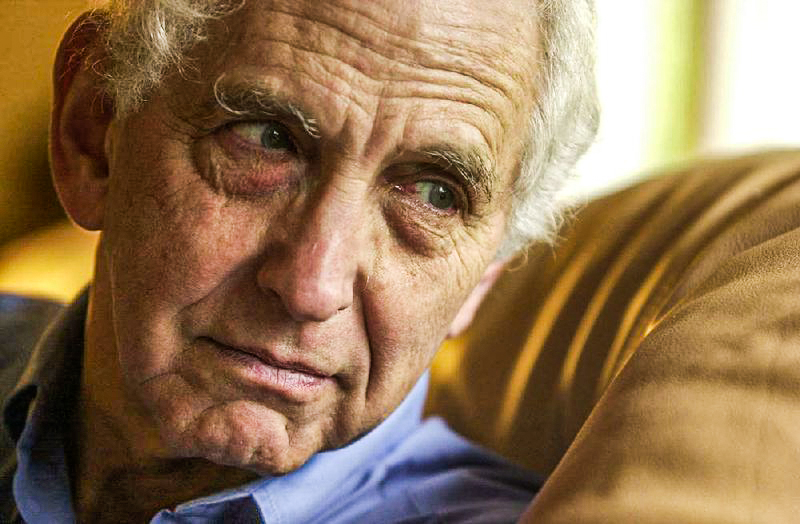
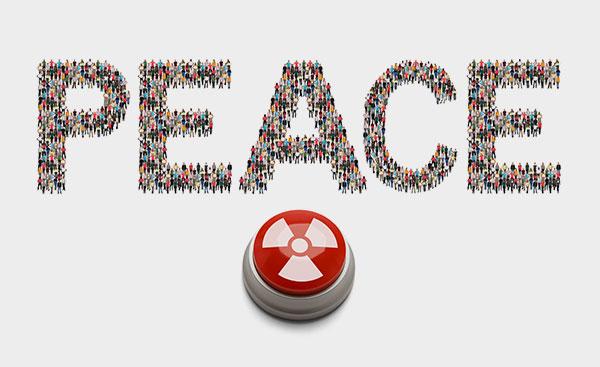
Daniel Ellsberg November 8, 2021 Given the intellectual and ethical status of many leaders in today’s world, this is not – as it may seem – a far-fetched question. It must be raised and discussed since the shocking revelation made by Daniel Ellsberg (1) earlier this year. In 1958, the US had a president – Dwight D. Eisenhower – who was himself a military man. Military people are often more cautious about war because they know much better than politicians what it would mean to start and fight a real war. What would Western leaders do today if a hard dilemma came up? The 12-min documentary below should – together with other articles we have published on this issue – serve as a wake-up call for those who believe that nuclear war is something that belongs only to the past. Young people who engage wonderfully in climate issues seem not...
seeashrink
Jan Oberg October 27, 2021 I’m 70 now and all my life, I’ve heard that the Russians would one day make a surprise attack and, within 48 hours, occupy the Eifel Tower. Fait accompli! We in the West were weak – perhaps not right now but we would be within the next 5 years if we did not invest much more in ”defence”. Well, these damn Russians haven’t come yet – another reason we shouldn’t trust them, I assume! The latest variation on that bizarre and irrational theme is that Swedish military spokespersons maintain that Sweden has to plan for an isolated Russian attack on the island of Gotland – and that China aims to conquer Taiwan and Biden telling the world that the US is committed to defend Taiwan. This is a slightly revised version of an editorial for the Transcend Media Service, October 25, 2021 The time when...
TaliTeaching
, in Washington and New York, everybody talked about who could have done it, how they did it and with what means. The only thing never brought to the fore was: WHY would somebody want to do something like 9/11 to the United States of America? By not asking the Why question, the US could stand as the innocent victim of cataclysmic violence. It would not have to do any soul searching and therefore no change of its global militarist policy. 9/11 was not a response to US foreign policy – but it needed a response. The world felt sympathy for the American suffering – much more so than for the suffering and deaths in other countries around the world. The fact is that the 9/11 attack targeted the US’ global finance-capital (World Trade Center), its global military (Pentagon) and its political (White House, however not hit) centres – not...
ca_politics_macedonia_2
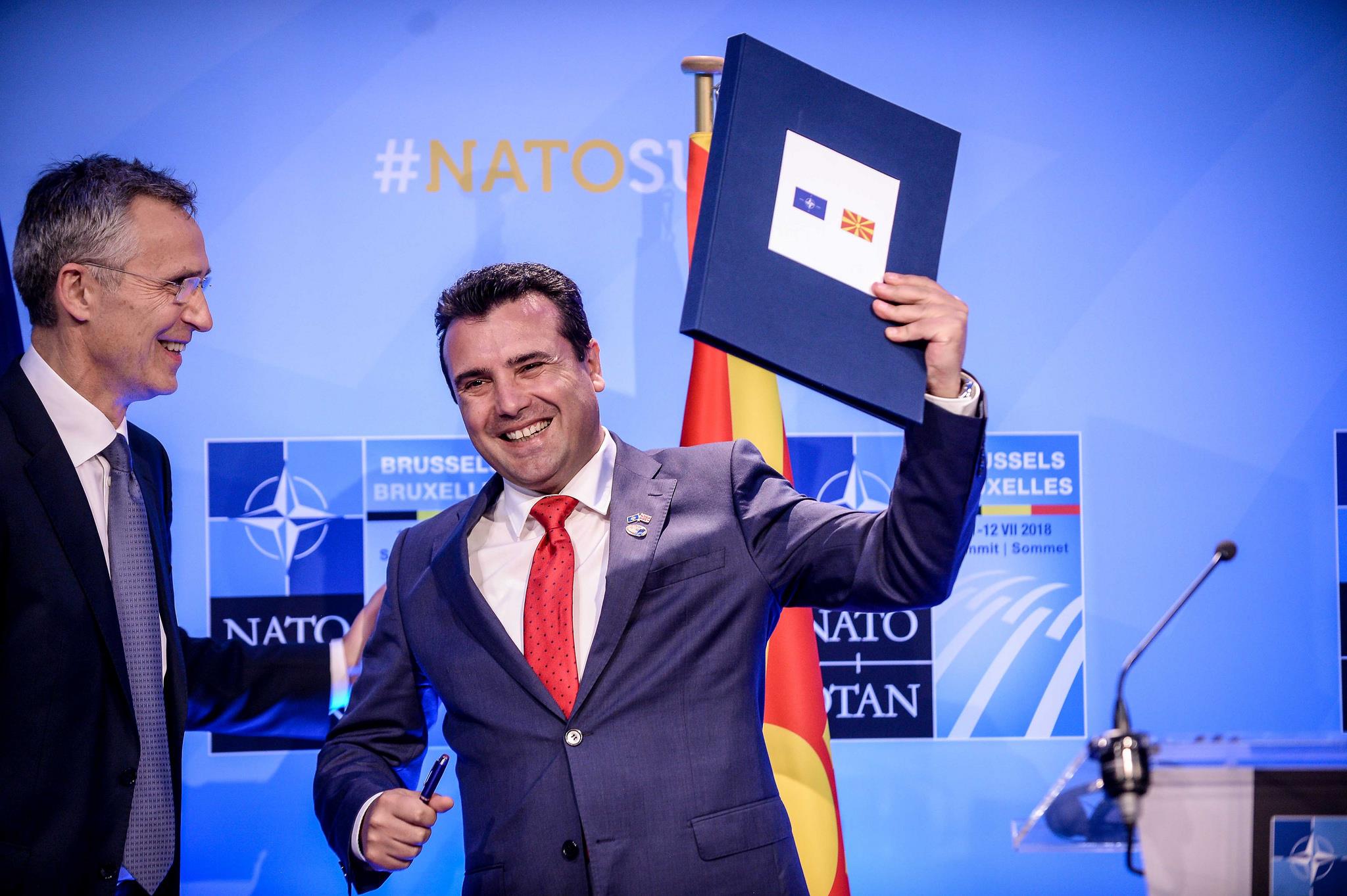
Biljana Vankovska, TFF Associate June 22, 2021 There is a comprehensive, independent-minded “alternative” analysis of NATO’s crisis in general and the membership of North Macedonia in it. Dr Vankovska writes in the intro to her analysis that: “North Macedonia (hereafter in the text, Macedonia) was officially admitted to NATO on 27 March 2020 as its 30th member state. It was supposed to look like a dream come true for generations of Macedonian citizens and the political elites across the ethnic divides. However, the act was hardly met with any euphoria… Although Macedonia has joined NATO the political narrative and public (media and intellectual) rhetoric have not changed a bit. The military alliance is still seen through rose-coloured eyeglasses with not much relation to the objective state of affairs. It shows that the submissive and even naïve position in the mind and behaviour of the political elites is unlikely to change...
new-Cold-War_
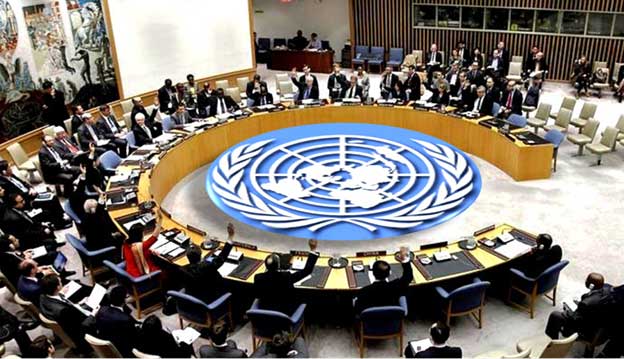
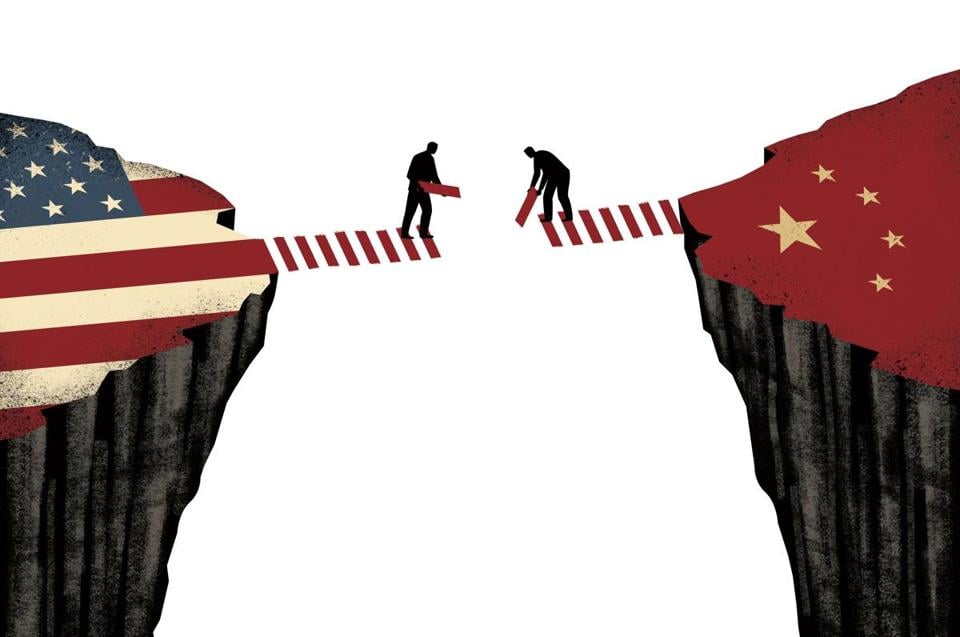
Photo credit: The United Nations The UN Security Council is now the battleground for a new Cold War between the US and China Thalif Deen April 23, 2021 UNITED NATIONS, Apr 14 2021 (IPS) – A new Cold War – this time, between the US and China —is threatening to paralyze the UN’s most powerful body, even as military conflicts and civil wars are sweeping across the world, mostly in Africa, the Middle East and Latin America. The growing criticism against the Security Council is directed largely at its collective failures to resolve ongoing conflicts and political crises in several hot spots, including Syria, Yemen, Afghanistan, Iraq, Myanmar, Somalia, South Sudan, Ukraine and Libya — and its longstanding failure over Palestine. The sharp divisions between China and Russia, on one side, and the Western powers on the other, are expected to continue, triggering the question: Has the Security Council outlived its...

branding-un
February 15, 2021 By Mona Ali Khalil By all accounts, 2020 has been a terrible year so far — but is it worse than 1920? In 1920, World War I, which killed 16 million people, had just ended. The two-year influenza pandemic that followed killed 50 million more. In 2020, the Covid-19 pandemic has already killed more than one million people and infected more than 40 million with infections surging worldwide. Originally published at Passblue With 20/20 hindsight, the 20th century was a terrible one. It heralded two world wars that together took more than 85 million lives. The collapse of the Ottoman Empire ushered in an era of British and French colonialism that led to deadly decolonization and national liberation battles in Latin America, Africa and Asia. It was a century of genocides — including the Holocaust in Europe — which was the worst and most remembered — as well...
Orust
SummaryOn top of all the global problems we must solve as soon as possible comes the Corona. This statement argues that the priorities of the world are – well, perverse; everything the UN does amounts to 3% of the global military expenditures.TFF’s Board suggests that all countries reduce their military by 50% immediately. That would save about US$ 1000 billion. And that that huge sum should be re-allocated to solve the problems we had and the socio-economic consequences of the Corona pandemic. That would also – finally – be a step to prove that governments are willing to implement a policy for true disarmament and move towards human and common security for the common good.In a civilised world, this should be common sense. If you do not want to read the whole argument, just scroll down and sign this statement. “We’ve likely only seen the beginnings of the worldwide economic...
0406davideforweb
 Jeff J. Brown and Jeremy Kuzmarov 15 December, 2020 On July 4, 2020, the U.S. Navy dispatched an unprecedented two aircraft carriers and four other warships to the South China Sea for naval manoeuvres in waters claimed by China. Secretary of State Mike Pompeo subsequently broke with the official U.S. policy of neutrality in territorial conflicts in the South China Sea and declared that China’s claims to most of the Sea were “completely unlawful,” though many of the disputed territories had been part of China prior to being taken over by Japan in the 1895 Sino-Japanese War.[1] World War III nearly erupted on August 25, 2020, when a U.S. spy plane flew into Chinese air space while the People’s Liberation Army (PLA) was conducting drills.[2] Conversely, in 1963 and 1965, China shot down U2 spy planes, while capturing and imprisoning the pilots, though this time, with the international stakes much higher,...
201802
Karin Utas Carlsson December 1, 2020 The purpose of this article is to highlight the thoughts of peace researcher John W. Burton put forward towards the end of the last century. He is seen as the father of Human Needs Theory, a way of thinking behind the concept of human security, increasingly in focus in today’s debate. According to peace researcher Jan Öberg, the term human security was first used in a research report by him in 1978. Öberg analyses the concept and writes its history (Öberg, 20-05-28). This is a line of thought very different from the established defence and foreign policy, based on power politics. I strongly believe that the world would be less violent and a much better place for most of us if we used constructive methods of conflict resolution, including promoting peace. As we shall see, Human Needs Theory provides a theoretical framework for achieving...
BidenIvoJima
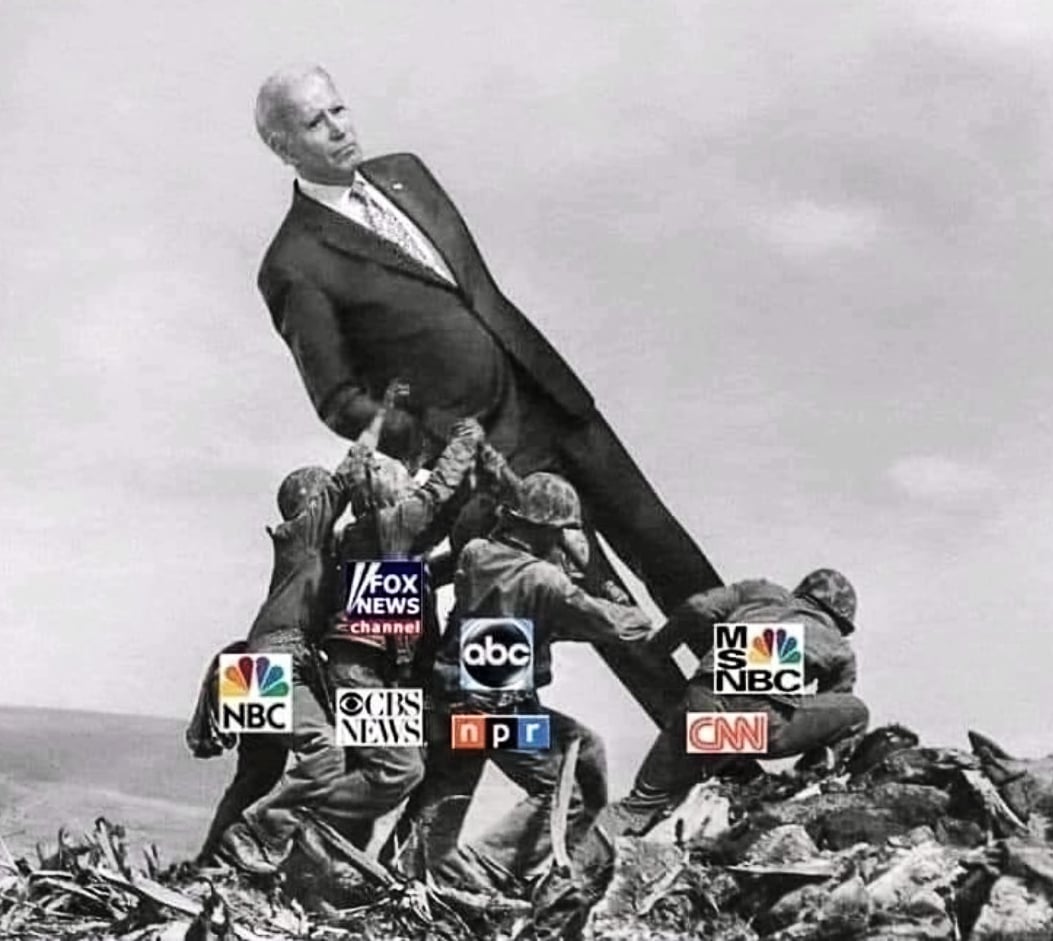
On November 7, 2020, I wrote a comment on my Facebook Profile that stirred some comments: “Led by CNN and other US media, including Fox News, most Western media now declare Biden the next US president. Is there not some kind of institution in a democracy that shall officially declare who is the winner?It seems they want to appear ignorant about the serious constitutional crisis that is around the corner as Donald Trump is not going to accept this result.We are in for very interesting times…” As you see, there are three elements in this comment. Let me go through them: Here is how the final results of the elections should be announced: “Since the mid-20th century, on January 6 at 1:00 pm before a Joint Session of Congress, the Vice President opens the votes from each state in alphabetical order. He passes the votes to four tellers—two from the...
futurism_landing_depero
Introduction Below is a long interview from Konrad Stachnio with Richard Falk – TFF Associate – on a wide-ranging set of questions, which stretched by knowledge past its breaking point, especially in assessing where the technological innovations on the horizons will lead us.It is one of 17 conversations published by Clarity Press under the title, Civilization in Overdrive: Conversations at the Edge of the Human Future.Preface by Stachnio after interview.The book is recommended strongly.It can be ordered here Originally published on Richard Falks blog on September 12, 2020 Civilization in Overdrive, edited by Konrad Stachnio “If a digital Fukuyama tells the world that ‘the end of history’ has been reached, he should be scorned this time around.” KONRAD STACHNIO: Do you know what is the role of the so-called Black Budget in building the power of the USA as a global security state? RICHARD FALK: It is not possible for someone without access...
serious-security
Jørgen Johansen argues that, like terrorism before it, the Covid-19 pandemic is being used by politicians across the world to normalise exceptional restrictions on basic rights with political consequences that will long outlast the health emergency. In his book State of Exception, Giorgio Agamben examined the consequences of policies and regulations introduced in exceptional circumstances, which then become institutionalised as ’normal’, the state of exception becomes the rule. An illustration might be the USA’s Patriot Act of 2001, enacted after the 9/11 attack, which resulted in a massive expansion of government surveillance. Likewise, the Guantanamo Bay detention camp set up in 2002 as part of George W. Bush’s war on terror, where detainees have been held for indefinite periods without trial and subjected to torture. Originally published at rethinkingsecurity.org Proponents of such exceptional measures justified them by reference to the extraordinary context in which they were introduced – they were...
Categories

Year

Author / Contributor

Region