Politics

Category

Year

Author / Contributor

Region

Sort by

Showing 1-10 of 136 stories

Screenshot
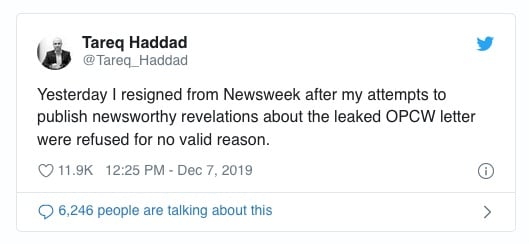
More documents leaked confirming 2 OPCW whistleblowers’ accounts of Douma Report By Natylie Baldwin December 19, 2019 This past weekend saw two more major blows to the years-long establishment narrative of the Syrian war in general and the chemical weapons attacks allegations against the Assad government in particular. This article was originally published at Natylie Baldwin’s blog on December 16, 2019 First, Tareq Haddad, an accomplished British journalist who began working for Newsweek earlier this year, resigned last week, telling his Twitter followers that he had done so as the result of his editors attempting to block him from accurate reporting on the Syria war and the OPCW whistleblowers. He also said that in the coming days he would be sharing a write-up on what had happened, despite threats of legal action by Newsweek: Yesterday I resigned from Newsweek after my attempts to publish newsworthy revelations about the leaked OPCW...
ChatGPT Image 9 jun 2026, 11_11_33
It goes back to the French revolution of 1789. At the Revolutionary Convention, the most radical of the insurgents decided to seat themselves on the left side. “Why not on the other side, the right side, the place of rectitude, where law and the higher rights resided, when man’s best hand could be raised in righteous honour?” wrote Melvin Lasky in what was then Britain’s most influential intellectual monthly, Encounter. “Anyway they went left, and man’s political passions have never been the same since.” When Oskar Lafontaine, the German finance minister, broke with Chancellor Gerhard Schroder in the early days of the last Social Democratic government, he explained it was “because my heart beats on the left.” The right could never say that, even the liberal-inclined, ex-prime minister of the UK, David Cameron. When Humpty-Dumpty insisted on his own “master-meanings” he reassured Alice, “When I make a word do a lot of...

wuerkercomplex
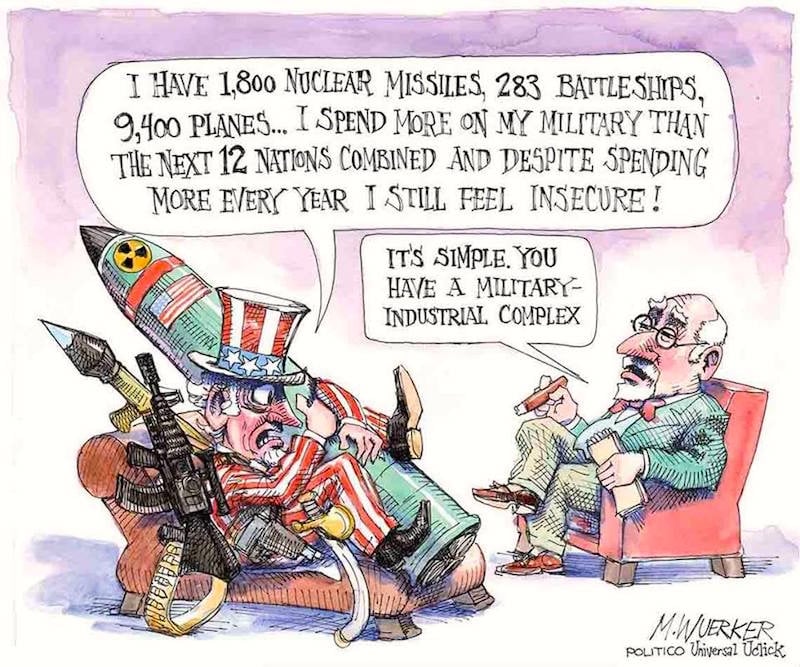
By William J. Astore November 14, 2019 The expanding cultural authority of the armed forces is a problem for U.S. democracy, writes William J. Astore. When Americans think of militarism, they may imagine jackbooted soldiers goose-stepping through the streets as flag-waving crowds exult; or, like our president, they may think of enormous parades featuring troops and missiles and tanks, with warplanes soaring overhead. Or nationalist dictators wearing military uniforms encrusted with medals, ribbons, and badges like so many barnacles on a sinking ship of state. (Was President Donald Trump only joking recently when he said he’d like to award himself a Medal of Honor?) And what they may also think is: that’s not us. That’s not America. After all, Lady Liberty used to welcome newcomers with a torch, not an AR-15. We don’t wall ourselves in while bombing others in distant parts of the world, right? Article posted on ConsortiumNews.com on October 31, 2019 (original article is posted on TomDispatch.com) here But...
Picture1
The Future of Human Rights: Regressive Trends and Restorative Prospects Points of Departure Reviewing the global situation, the then UN High Commissioner for Human Rights, Zaed Raad Al Hussein of Jordan, opened a 2018 conference devoted to the 25th anniversary of the 1993 UN Conference on Human Rights and Development held in Vienna, on a decidedly pessimistic note. Instead of doing the usual on such occasions, that is, celebrating the progress made since the earlier event, Prince Zaed emphasized the disturbing evidence of regression with respect to a broad range of issues bearing on the protection of human rights embedded in international treaty instruments as evidenced by the practice of states. He insisted that without fundamental changes in patterns of governance by sovereign states and in the operation of the world economy it would be naïve to expect an improved international atmosphere for human rights. Originally posted on Richard Falk’s blog...
bofuq374gwgf
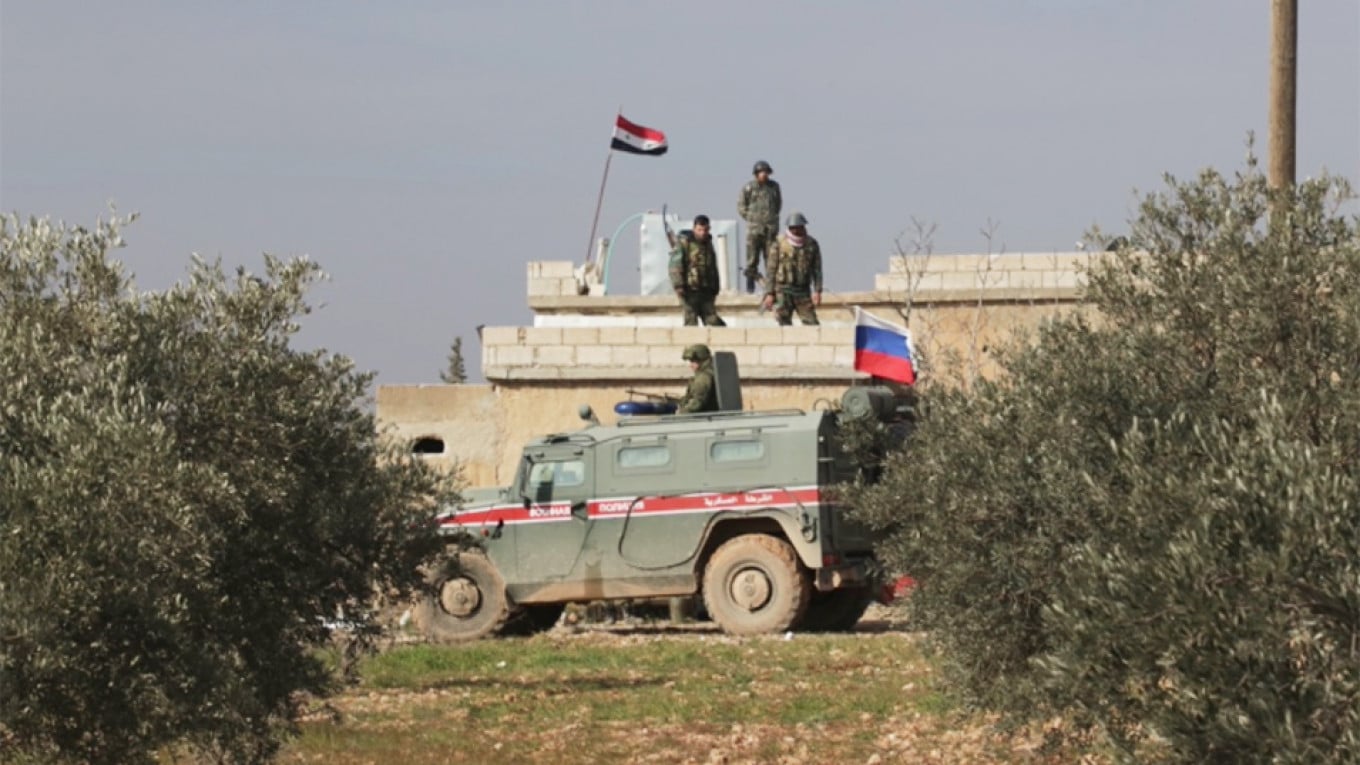
By Scott Ritter November 4, 2019 At a time when the credibility of the United States as either an unbiased actor or reliable ally lies in tatters, Russia has emerged as the one major power whose loyalty to its allies is unquestioned, and whose ability to serve as an honest broker between seemingly intractable opponents is unmatched. Originally posted on Truthdig.com on October 30, 2019 here If there is to be peace in Syria, it will be largely due to the patient efforts of Moscow employing deft negotiation, backed up as needed by military force, to shape conditions conducive for a political solution to a violent problem. If ever there was a primer for the art of diplomacy, the experience of Russia in Syria from 2011 to the present is it. Like the rest of the world, Russia was caught off guard by the so-called Arab Spring that swept through the Middle...
US-sanctions
Prefatory Note: The post below is a slightly modified version of an interview published in The Nation on September 25th, following the September 14th attack on Saudi oil facilities. It follows a pattern with respect to Iran of accusations, denials, and public uncertainties. This combination of elements, given the leadership in Washington and Tehran, one blustering, the other inflexible, can easily produce an unintended stumble into war. A second shorter interview is appended, conducted prior to the attacks by an Iranian journalist, M.J. Hassani of Tasnim News Agency. It illustrates the seeming rigidity of Iran’s Supreme Guide, considered as having the final word on government policy, exceeding that of the elected leadership. Originally posted on Richard Falk’s personal blog on October 1, 2019, here Daniel Falcone Introduction to the Interview: After accusations of Iranian drone attacks on Saudi oil facilities, Iranian officials and authorities indicated that “full-fledged war” with the United States could...
sustainable-development-and-the-earth-charter-23-728
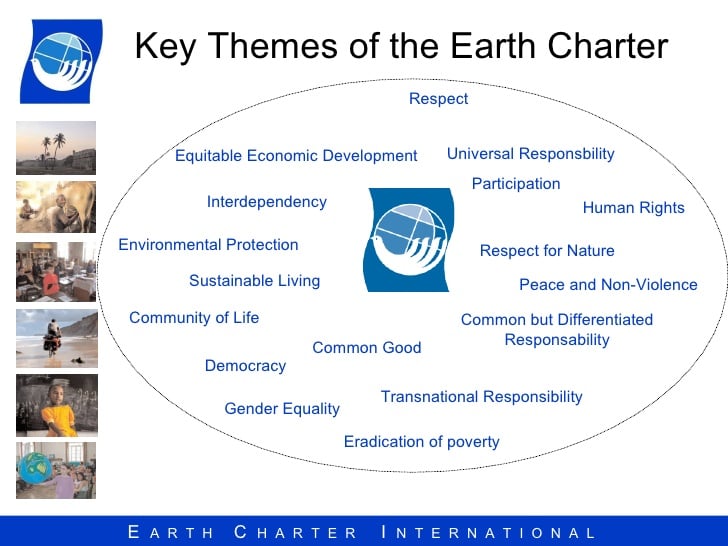
Prefatory Note: The following essay will appear as a chapter in Peter Burden & Klaus Bosselmann, eds., The Future of Global Ethics (Edward Elgar, 2018),  with the title: Revisiting the Earth Charter 20 Years Later: A Response to Ron Engel Ron Engel has articulated an insider review of the Earth Charter so thoughtfully, urbanely, and persuasively that my initial temptation was to restrict my response to a single word: ‘Amen!’ Yet I am familiar enough with the academic ways of gathering diverse voices to explore a topic or to evaluate the scholarship of a distinguished author, as to discard my one-word option. At the same time, it would be misleading if I didn’t praise Ron Engel for putting so many elusive issues before us in such a lucid and compelling manner as to make my efforts at dialogue feel a bit forced, given the high level of agreement. Originally posted on...
ChurchWindow
By Chas W. Freeman, Jr October 9, 2019 There is currently a good deal of hysteria here in Washington about something called “authoritarianism” allegedly taking the offensive against democratic systems of government.  A century ago, imperialists, colonialists, fascists and communists did indeed articulate theories about their superiority to democracy and seek to impose autocratic systems of government on others.  In World War II and the Cold War, ideology played almost as large a role as geopolitics. Originally posted on Consortium News on October 4, 2019 here Today there are plenty of countries in the grips of autocratic regimes, but there are none propagandizing on behalf of autocracy or “authoritarianism.”  The international appeal of authoritarian systems of government, if any, derives from the extent to which they deliver prosperity and domestic tranquility to their citizens.  In the case of China, this is considerable – vastly superior so far to democratic India,...
Fascism-1
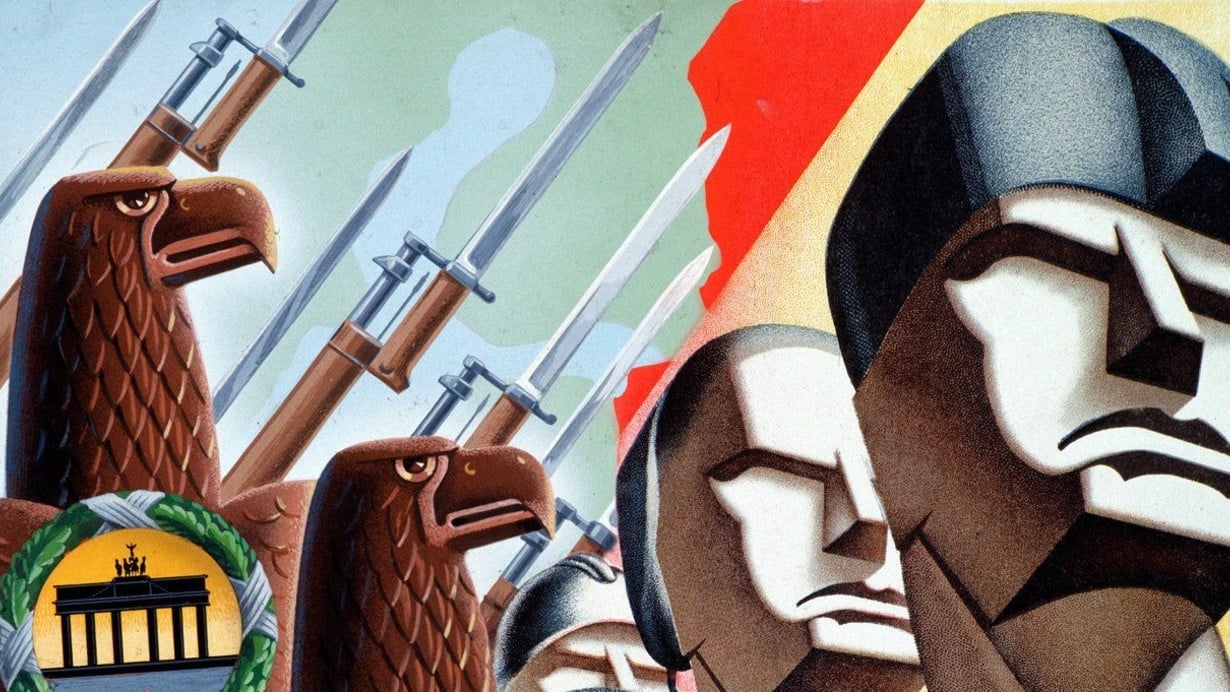
A new book I would like to announce the publication of a new book, entitled “Fascism, Then and Now”. It can be freely downloaded here. Please circulate the link to your friends who might be interested. Parallels between fascism of the 1930’w and neo-fascism today There are many extremely worrying similarities between fascism in Europe in the 1930’s and the neo-fascism that we can see around us today. For example, Donald Trump, according to his first wife, kept a book of Hitler’s speeches beside his bed, and studied it thoroughly. Today, he imitates Hitler’s rhetoric, as is discussed in Appendix A. The white supremacist supporters of Donald Trump have revived Nazi ideology, language and symbols. Neo-fascism and neo-Nazism are not confined to the United States, but exist in many countries. Why was Germany allowed to rearm during the period before World War II? Chapters 1 and 2 of this book...
shutterstock_714035503
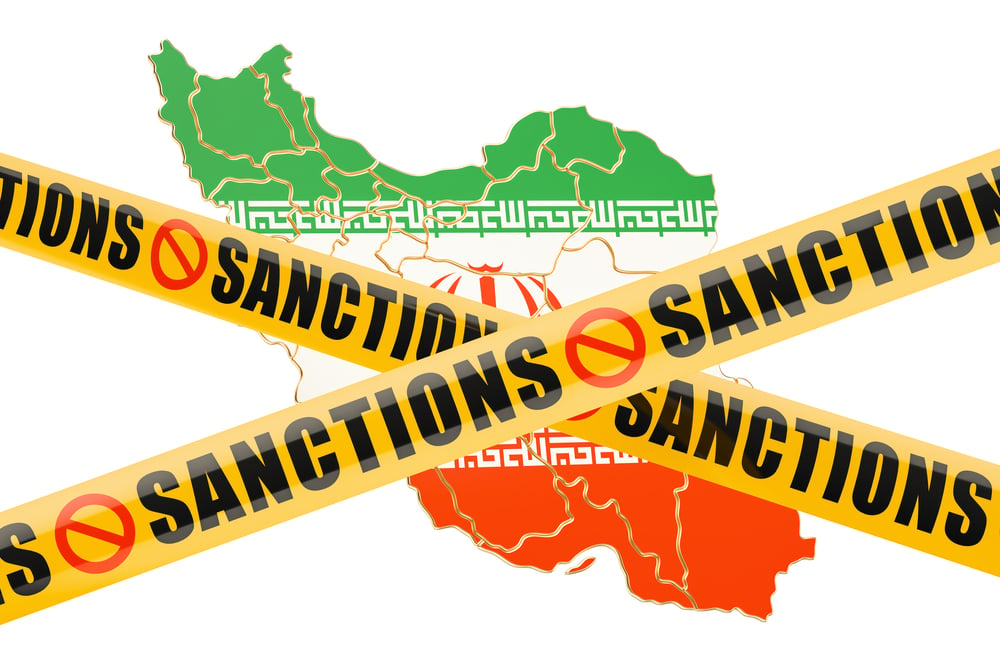
By Kevin Cashman and Cavin Kharrazian Iranian foreign minister Mohammad Javad Zarif recently visited the Group of Seven (G7) at the invitation of French president Emmanuel Macron, in what was seen as an overture to the Trump administration to negotiate over sanctions that have plagued the Iranian economy. Back in 2018, after months of increasingly hostile rhetoric, the US government withdrew from the Joint Comprehensive Plan of Action (JCPOA), or “Iran Deal,” and imposed a “maximum pressure” campaign that included unilateral, economy-wide sanctions. The Iran Deal was an agreement that provided Iran relief from existing sanctions in exchange for limits on its enrichment of uranium, among other concessions. These sanctions hampered trade between the European Union, whose leaders have sought to salvage the Iran Deal. Originally posted on September 1, 2019, on the Center for Economic and Policy Research (CEPR) here When President Trump reimposed sanctions in November 2018, it cut off...
Putin-tmagArticle
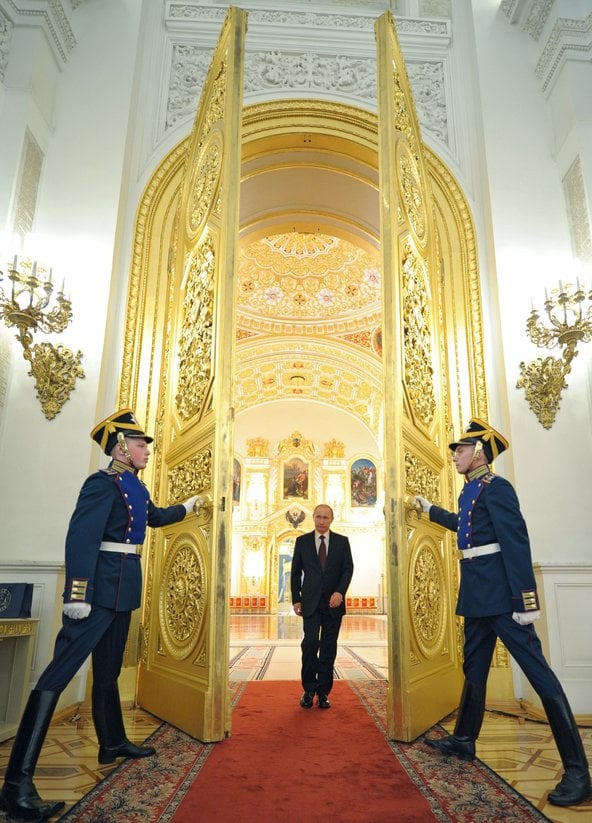
Pool photo by Alexey Druzhinin By Gordon M. Hahn September 4, 2019 From former spooks to libertarian-conservative talk show hosts to leftists and liberals various theories have been put forward as to why and how Russian President Vladimir Putin wants to ‘destroy Americans’ confidence in democracy’ and ‘sew chaos across American and the world.’ In short, Putin ultimately seeks to destroy faith in democracy and sew chaos in the United States and thereby weaken America and its ability to promote democracy abroad. The US will no longer be ‘that shining city on a hill’, as US late President Ronald Reagan eloquently put it. Originally published on Gordon M. Hahn’s official website August 30, 2019 here The same is said about Russia’s supposed support for ultra-nationalist groups, even though that ‘support’ is nothing more than a limited overlap of interests and views. Never mind that Russia has good relations with numerous...
cropped-120302-asylum-seekers
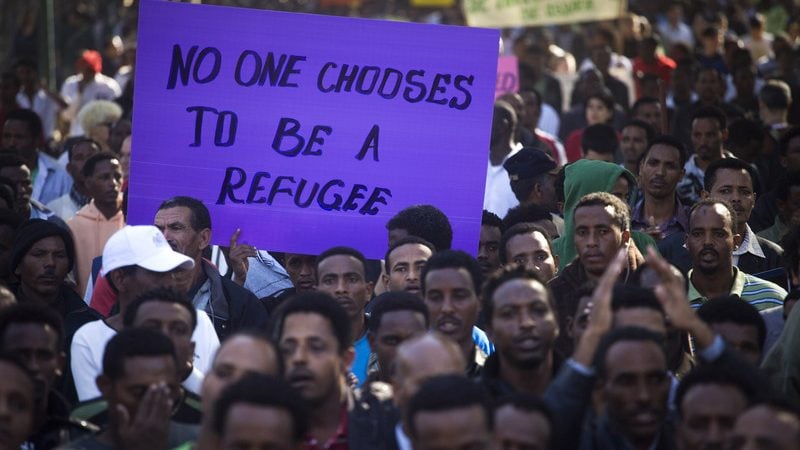
Somebody once said that courage is when you do something today you wouldn’t dare doing yesterday. That is why I decided to express my opinion whereas normally I would choose – wisely – to restrain my lips. Have you ever had an opportunity to speak with your friends about migrants and mass immigration? Especially with your international friends living in different parts of the world and changing their residence like migrating birds? How do you explain your views if they differ from the usual, dominating or politically correct one? Or, how do you actually explain that you are against immigration without risking being categorized as a racist? During my latest visit to Switzerland, while conversing with a friend about many topics including politics, somehow we started discussing immigration. My friend’s opinion was that Swiss people may seem cold and distant, but in reality they are very open-minded and friendly to...
Categories

Year

Author / Contributor

Region