Peace journalism

Category

Year

Author / Contributor

Region

Sort by

Showing 1-10 of 43 stories

reporter-picture
  John Pilger 26 september, 2018 The death of Robert Parry earlier this year felt like a farewell to the age of the reporter. Parry was “a trailblazer for independent journalism”, wrote Seymour Hersh, with whom he shared much in common. Hersh revealed the My Lai massacre in Vietnam and the secret bombing of Cambodia, Parry exposed Iran-Contra, a drugs and gun-running conspiracy that led to the White House. In 2016, they separately produced compelling evidence that the Assad government in Syria had not used chemical weapons. They were not forgiven. Originally published at johnpilger.com Driven from the “mainstream”, Hersh must publish his work outside the United States. Parry set up his own independent news website Consortium News, where, in a final piece following a stroke, he referred to journalism’s veneration of “approved opinions” while “unapproved evidence is brushed aside or disparaged regardless of its quality.” Although journalism was always...
KazakhstanNuclear
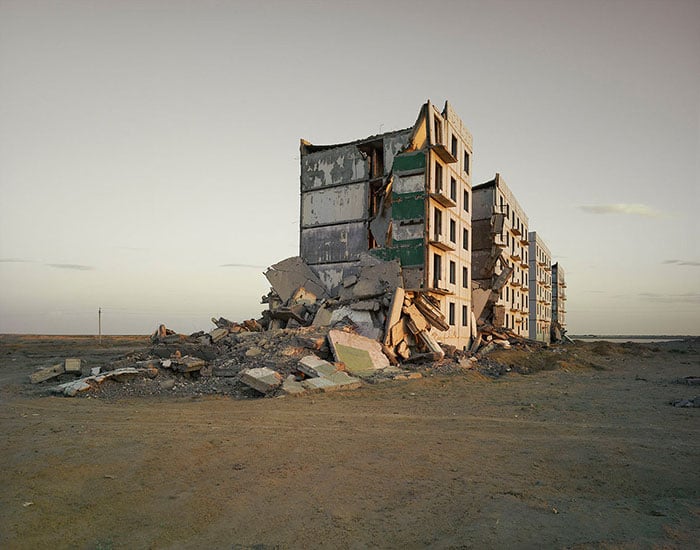
Photo by Nadav Kander   By Marzhan Nurzhan The CTBTO Youth Group (CYG) holds its second international conference in Kazakh capital city Astana from August 28-30, 2018. The author is a CYG member from Kazakhstan, a convener of Abolition 2000 Youth Network and a PNND Coordinator for CIS countries. This article first appeared in The Astana Times on May 29, 2018 with the title ‘Kazakhstan’s Nuclear Legacy and Importance of CTBTO’. It is being reproduced with the author’s permission. – The Editor.   PRAGUE (IDN) – I am coming from Kazakhstan, the country which inherited around 1,500 nuclear weapons from the Soviet Union making it the 4th biggest nuclear arsenal in the world at the time. For almost half a century, from 1949 until 1989, the Soviet Union conducted 456 nuclear tests above and underground at the Semipalatinsk Nuclear Test Site, known also as Semey polygon, in the eastern part...
papa-francesco
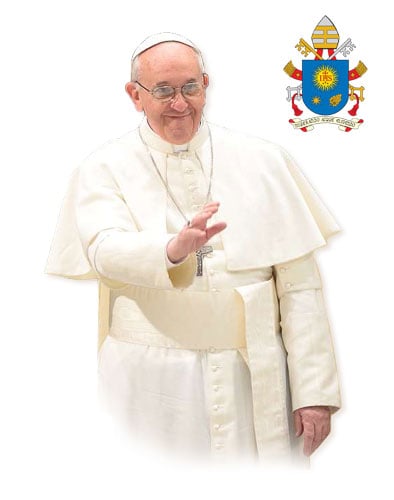
  – Pope Francis sent out a message that should have created headlines everywhere. It advocated a journalism for peace. The discussion of fake news has spread around the globe and there are all kinds of proposals on how to detect fake news and combat it – as the truly civilizational threat it is. Indeed one could day that fake is the debate 2017-2018. A quick DuckDuckGo search – no, I don’t use Google Search anymore because of its tracking and blatant censorship – reveals that a few leading US media took up the story, so did a series of religious media, of course, but the amazing statement didn’t obtain much attention. Objectively speaking, that is particularly strange since any editor and journalist should be professionally observant of a statement on their own profession from the leader of the world’s 1.2 billion Roman Catholics. But what can surprise you anymore...
cropped-davidindc-1-e1516137163905
By David Swanson Remarks at Peace and Justice Studies Association Conference in Birmingham, Alabama, October 28, 2017. Thank you for inviting me. Can everyone who thinks that war is never, and can never be, justified please raise your hand. Thank you. Now if you think every war is always justified. Thank you. And finally all the moderates holding the balanced subtle middle ground: some wars are justified. Thank you. You may not be surprised to hear that this room is not typical of this country. Typical is for absolutely everyone to pile into that last group. The relationship between peace and war is clearly not understood by the U.S. public as along the lines of that between alive and dead. Peace and war are things people imagine can coexist. In Virginia, where I live, a school board member once said he would support recognizing the international day of peace as...
file-20171128-7450-19olpkk
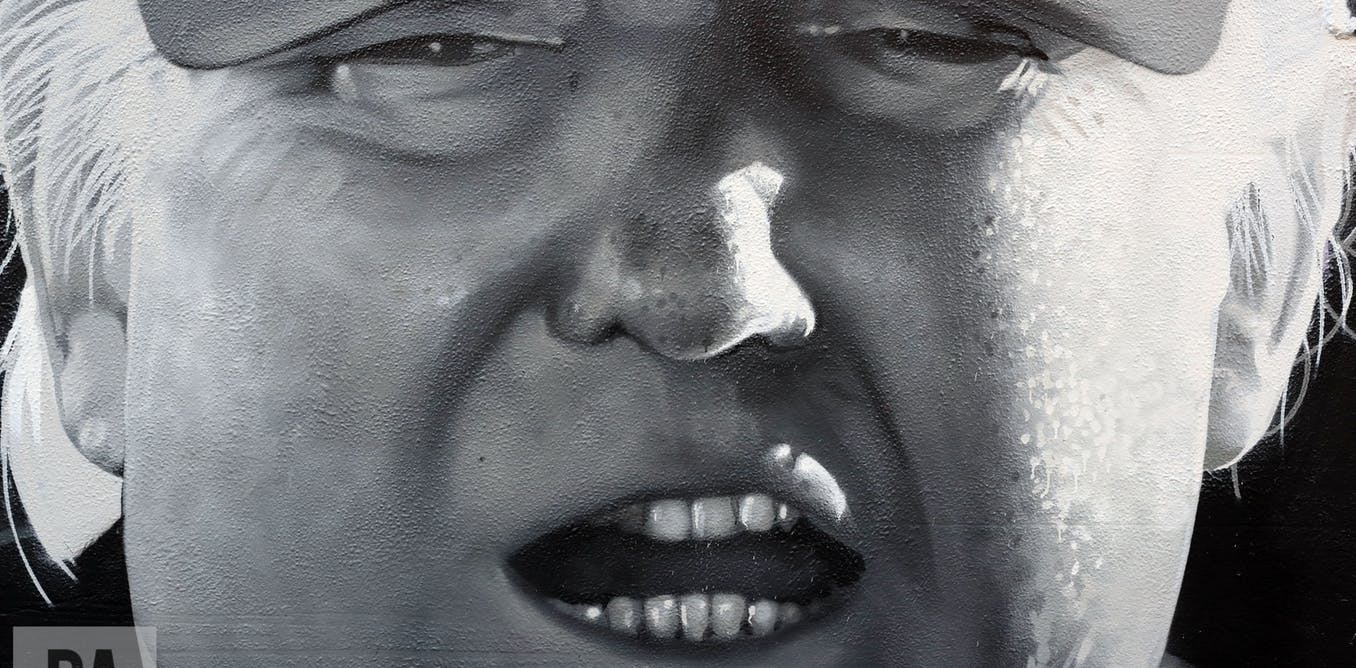
  By Michael Greenwell* • It came as a slight relief to see at least some measured coverage of Donald Trump’s recent visit to South Korea. Sections of the media have been predicting World War III – and focusing on barbed and incendiary comments between Trump and North Korean leader Kim Jon-un – so stories that take a more measured tone should be welcomed … by everyone. North Korea has now launched another ballistic missile, and further doomsday journalism could inflame current hostilities in the region. Any positive influence to avoid actual military action and encourage all nations to stick to a peaceful, negotiated resolution is in the whole world’s interest. The US president missed the press opportunity to stand at the border of North Korea on his recent trip, and it’s encouraging that he didn’t glower at the checkpoint, eyeballing his opponent like a boxer before a fight. It...
f67f17e1df4e8d46cdddc96c2ddd77b03128e49d_800x600
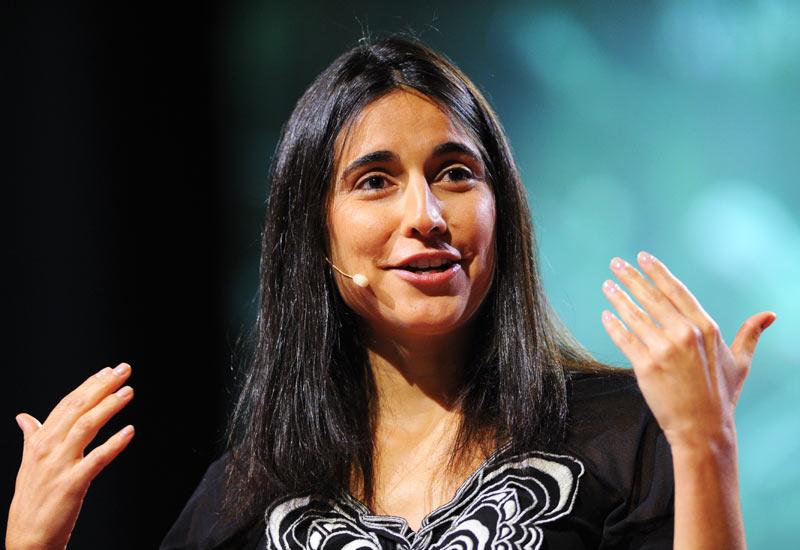
  By Julia Bacha A spot-on talk about nonviolence in conflict in general and the role it plays in the Palestine-Israel conflict. Most often the people who struggle with non-violent means are simply overlooked by the media.   See more…
jake-lynch-180x167-150x150
 Peace journalism is when editors and reporters make choices – about what to report, and how to report it – that create opportunities for society at large to consider and to value non-violent responses to conflict. If readers and audiences are furnished with such opportunities, but still decide they prefer war to peace, there is nothing more journalism can do about it, while remaining journalism. On the other hand, there is no matching commitment to ensuring a fair hearing for violent responses, if only because they seldom struggle for a place on the news agenda. How come? To report is to choose. ‘We just report the facts’, journalists say, but ‘the facts’ is a category of practically infinite size. Even in these days of media profusion, that category has to be shrunk to fit into the news. The journalist is a ‘gatekeeper’, allowing some aspects of reality through, to emerge,...

Categories

Year

Author / Contributor

Region