Peace

Various aspects of and approaches to this “essentially contested” concept.

And various ways of thinking across cultures.

Stuff here is both theoretical and practical – with an emphasis on the former.

We thought that a slightly blurred image of a sunset – the far horizon – could illustrate these endeavours.

The moment we think we know exactly what peace is, it isn’t.

It’s a never-ending process … exploration.

But peace is not just the absence of war and other types of violence.

It is something essential and substantial in and of itself.

Category

Year

Author / Contributor

Region

Sort by

Showing 1-10 of 898 stories

x6A3363E6-65C2-4CF7-8E51-03EFCA63E9C4.jpeg.pagespeed.ic_.fgFloJ_1Rt
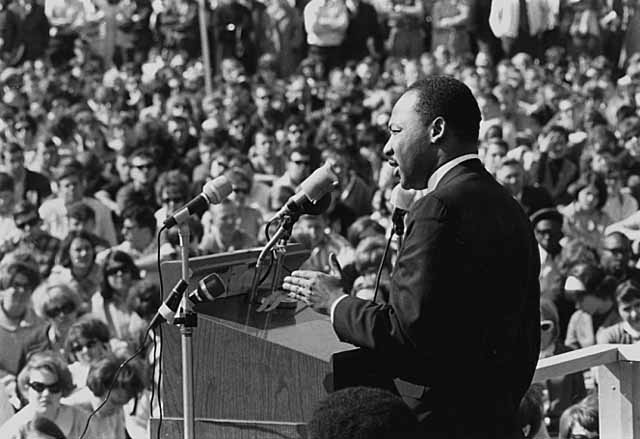
Martin Luther King, Jr., speaking against the Vietnam War, St. Paul Campus, University of Minnesota | 27 April 1967 . (Image by Minnesota Historical Society| Creative Commons)   By Robert Burrowes, Australia April 4, 2018 Fifty years ago, on 4 April 1968, the Reverend Martin Luther King Jr. was assassinated The night before he died, King gave another of his many evocative speeches; this one at the packed Mason Temple in Memphis. The speech included these words: ‘Men for years now have been talking about war and peace. Now no longer can they just talk about it. It is no longer a choice between violence and non-violence in this world, it is non-violence or non-existence. That is where we are today.’ In clearly identifying this stark choice and having been inspired by Mohandas K. Gandhi’s wide-ranging social concerns, King’s concerns were also broad: ‘The Triple Evils of poverty, racism and...
SPARInstaLogoNOTextShadowLogo
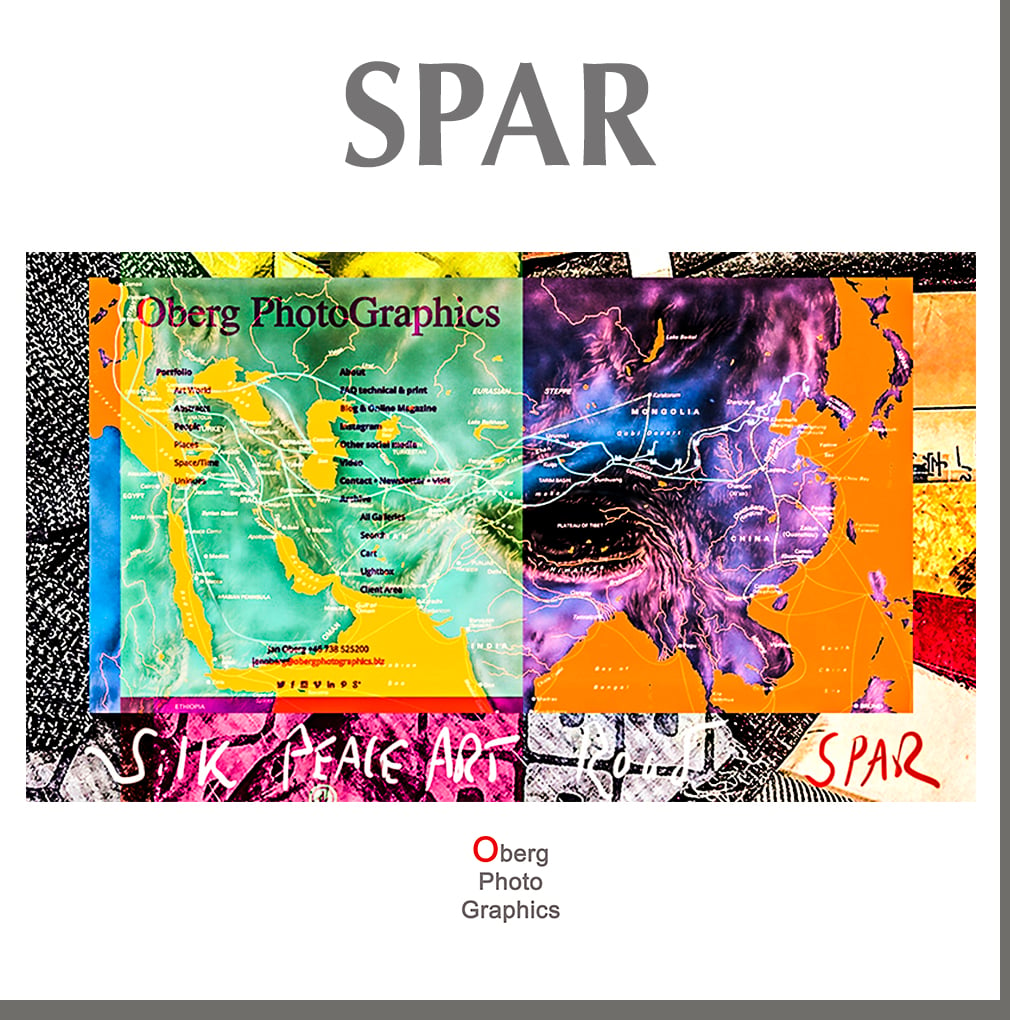
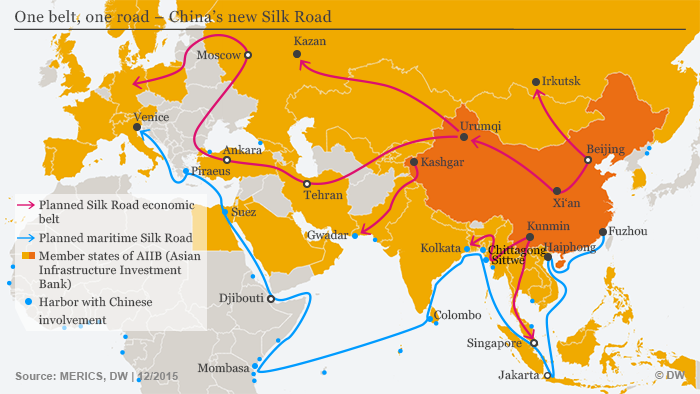
  . This exciting opportunity stimulated the development of a bigger idea that combines Oberg’s work for peace and art photography with a focus on the Chinese-initiated Silk Belt and Road Initiative, the largest and most visionary in today’s world in terms of linking people and cultures into cooperation rather than confrontation. In various ways the project – with the Road as metaphor – stretches from Shanghai over Myanmar, Kazakhstan, Georgia, Iran and Syria to Venice and seeks to promote cooperation and peace in the process. The “Silk PeaceArt Road” project is made public at this very early development stage where no funding is secured to encourage you to share co-operative ideas, contacts you may have in China and along the Silk Road or to potential partners, artists, sponsors, art institutions, etc. The project integrates peace work and art photography and it is the first cooperative endeavour by TFF and...
John-Scales-Avery
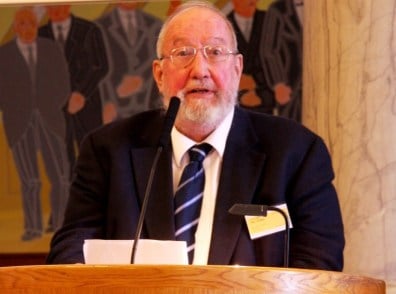
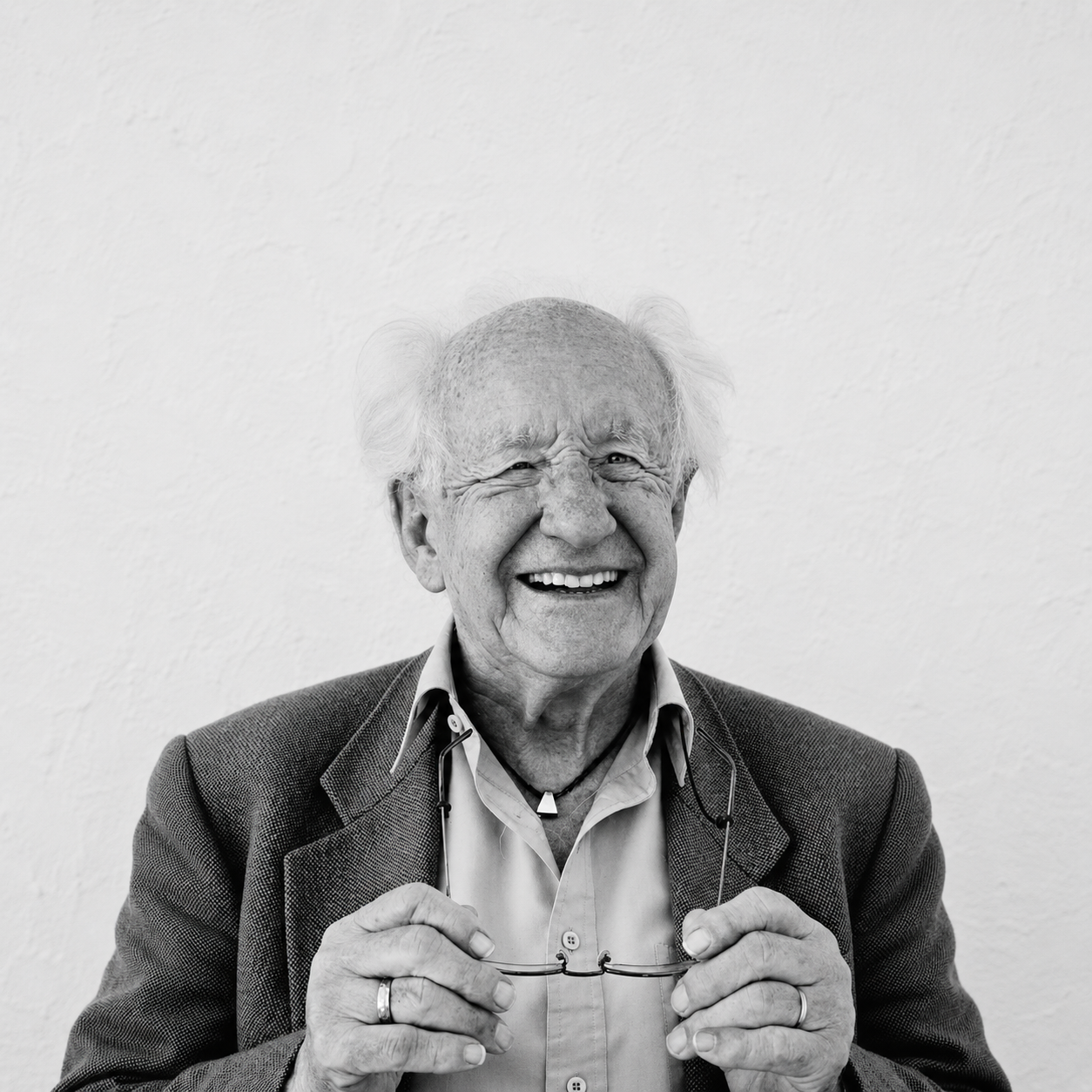
TFF Associate John Scales Avery presents his latest book on one of the most destructive institutions in modern societies and of our time. I would like to announce the publication of a new book entitled “The Devil’s Dynamo”. It is a collection of articles and book chapters that I have written about the way in which military-industrial complexes throughout the world drive and perpetuate the institution of war. A considerable amount of new material has also been added. The book can be freely downloaded and circulated from the Danish Peace Academy. Why call a book about military-industrial complexes “The Devil’s Dynamo”? A military-industrial complex involves a circular flow of money. The money flows like the electrical current in a dynamo, driving a diabolical machine. Money from immensely rich corporate oligarchs buys the votes of politicians and the propaganda of the mainstream media. Numbed by the propaganda, citizens allow the politicians...
ChatGPT Image 9 jun 2026, 11_11_33
    This present Pope – Francis – is probably the most powerful man in the world, in the round. Stalin once asked when confronted with the argument about the Pope’s reach and influence, replied, “How many divisions has the pope got?” He missed the point. The pope does not work these days in the world of hard power. He is a peddler of soft power. Francis has much more power, maybe because of the strength of his convictions than any of his predecessors, with the exception of the Polish pope, John Paul 11, who played a front-line role in triggering the events that brought down communism. John Paul 11 set his sights high. How could this youngish pope have such an impact? It was drive, personality and an intuitive knowledge of how power worked. He was also enormously charismatic and could summon up a crowd of half a million people...
1-1
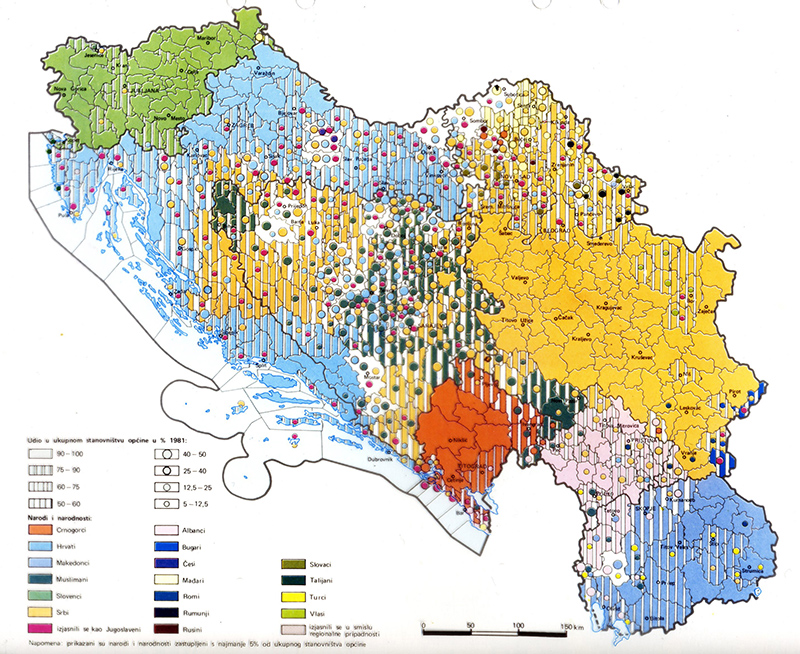
The ethnic map few understood. Should make it clear that cutting up Yugoslavia in independent republics could not be done without bloodshed. (1) Yellow = Serbs, Dark Green = Muslims, Light Blue = Croats,  Light Green = Slovenes, Orange = Montenegrins, Pink = Albanians, Darker Blue = Macedonians   , marks the 19th anniversary of NATO illegal and illegitimate bombing of Yugoslavia, Serbia and its Kosovo, province during 78 days. It has – one is tempted to say: of course – been conveniently forgotten by the West itself. It was masterminded by the United States under Bill Clinton and Secretary of State Madeleine Albright after the so-called negotiations between Serbs and Albanians in Rambouillet outside Paris (the parties never met face-to-face) While Clinton may be best remembered for his relations with Monica Lewinsky and his wife, Hillary Clinton, some of us also remember him (and Albright) for bombing Afghanistan, Sudan,...
johangaltung
* Today marks the 15th Anniversary of the US invasion of Iraq. Neither solid analyses, moral reasoning and decent argument nor history’s probably largest pre-war, anti-war demonstrations worldwide had any discernible impact on the Bush and Blair Administrations’ decision to go to war and do so on a false pretext. Neither could major allies like France and Germany by their opposition to the war on Iraq persuade Washington and London to first try a peaceful resolution in accordance with the UN Charter provisions. TFF was deeply engaged in preventing this war – also by being on the ground in Iraq – and wants to a) document the research we did and how we argued back then and b) contribute to this tragedy never being forgotten. We also want to place our analyses and debate articles at the disposal – in one place – of the students, researchers, concerned citizens and...
FM_Javad_Zarif_Araghchi_in_airplane
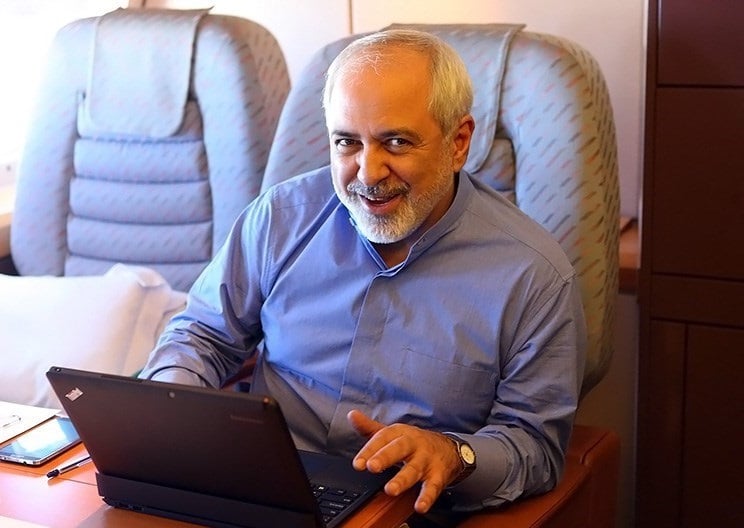
By Shahed Ghoreishi March 5, 2018 At the Munich Security Conference in February, Iranian Foreign Minister Javad Zarif repeated his administration’s proposal to engage Iran’s Persian Gulf neighbors with the goal of creating a Persian Gulf Security Agreement. Originally published by Lobe Log here. According to Zarif, the talks for such an agreement would be “founded on dialogue, common principles, and confidence building measures” with the goal of avoiding “turmoil or potentially far worse.” Deputy Foreign Minister Abbas Araghchi referenced his boss’ plan during a visit to the British think tank Chatham House the following week, repeating the goal of a Helsinki-inspired non-aggression pact that would first begin with confidence-building measures in tourism, pollution, and drug trafficking. Of course, this proposal is largely aimed at Saudi Arabia. This type of plan, if ideally pursued by all parties, would echo the hope President Obama had during his administration. In what later...
figure_1_trends_1978_2018-01-03-01_9
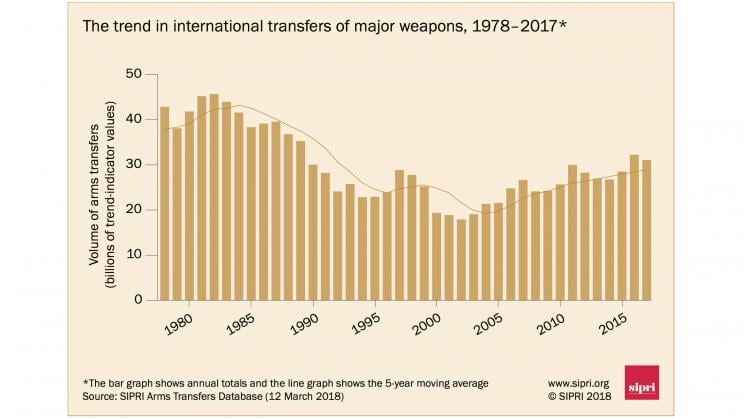
  Asia and the Middle East lead rising trend in arms imports, US exports grow significantly, says SIPRI March 12, 2018 Via sipri.org Continuing the upward trend that began in the early 2000s, the volume of international transfers of major weapons in 2013-17 was 10 per cent higher than in 2008-12, according to new data on arms transfers published today by the Stockholm International Peace Research Institute (SIPRI). The flow of arms increased to Asia and Oceania and the Middle East between 2008–12 and 2013–17, while there was a decrease in the flow to Africa, the Americas and Europe. The five biggest exporters – the United States, Russia, France, Germany and China – together accounted for 74 per cent of all arms exports in 2013–17. ‘The increased flow of arms raises concerns over their impact on international peace and security’, says Ambassador Jan Eliasson, Chair of the SIPRI Governing Board. ‘It stresses the...
richard-falk-cropped-internal
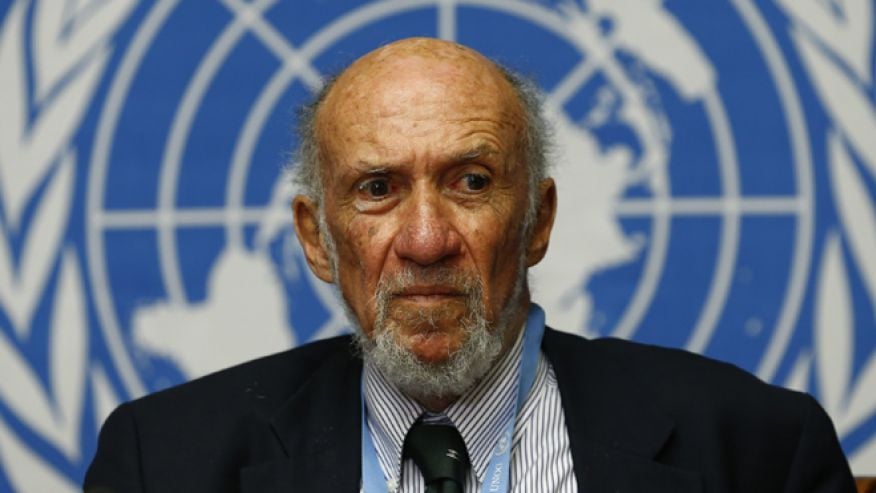
  By Richard Falk discussing with Jeff Warner and Yossi Khen   Prefatory note This post consists of an exchange of views prompted by my talk at a United Methodist Church in Culver City (Los Angeles) published by Tikkun’s online magazine, March 6, 2018. The core disagreement is whether to retain the emphasis on ending occupation as still the best, and some say, the only path to peace, and my view that a sustainable peace can only be obtained by a process of eliminating the apartheid structure by which Israel currently subjugates the Palestinian people as a whole (that is, including those living as a minority in pre-1967 Israel or in refugee camps spread across neighboring countries or as involuntary exiles in the Palestinian global diaspora). I regard this difference of views as of analytical, political, and normative importance, but as always, defer to authoritative Palestinian views as to the...
ChatGPT Image 9 jun 2026, 11_11_33
    What do we in the West know about Islam? Perhaps more than we did before 9/11 but not much. When Tony Blair was prime minister of the United Kingdom he was photographed walking along holding the Koran. President George W. Bush said repeatedly that Islam was a religion of peace, even though at that time one of the most influential American political writers, Professor Samuel Huntington of Harvard University, had written that it wasn’t fundamentalism that was the problem, it was Islam itself. He argued in his best-selling book, “The Clash of Civilizations” that “The twentieth century conflict between liberal democracy and Marxist-Leninism is only a fleeting superficial phenomenon compared to the continuing and deeply conflictual relationship between Islam and Christianity.” He foresaw nuclear war between the West and Islam. This seems to me to be extravagantly over the top. Yet there are many Islamic scholars who make,...
ChatGPT Image 9 jun 2026, 11_11_33
  . No other country has seen so many “blue berets”- UN peacekeeping troops- in its short history. The Belgian colonialists may have exploited it and transferred massive amounts of its wealth back to Belgium but one leader after another has continued in its steps, making use of the country’s vast mineral deposits to build an edifice of wealth and unilateral power. Leaders have played on tribal fears and insecurity. War has been the outcome. In the last few years there has been talk of winding down the large contingent. A kind of peace seemed to have arrived. No longer. There are still 16,000 UN troops there. The way the UN peacekeepers work has changed a lot since their first deployment soon after independence. Then the accent was on not using arms. UN soldiers accused of misbehavior were rare. Today force, even killing, is widely used by peacekeepers. So are...
18932770_401
-05/14/content_740876.htm”>China Today from May 2017 carries the main catchwords from a peace and security viewpoint: • win-win • inclusiveness • vision-based • anti-war • pro-peace (constructive) • respect for sovereignty of states • cooperative structures • common security • interconnectedness • benefits to all • respect for each other’s development path (diversity) • sharing And here some excerpts also from China Today in 2017: “As some western countries move backwards by erecting “walls,” China is contriving to build bridges, both literal and metaphorical. These bridges are China’s important offering to the world, and a key route to improving global governance. Proposed by China, the Belt and Road is for all to enjoy.” “China is not willing or able to replace or replicate the vast web of political and economic tendrils maintained by the United States, but China is trying to take the current structure and build from it a more...
Categories

Year

Author / Contributor

Region