Peace

Various aspects of and approaches to this “essentially contested” concept.

And various ways of thinking across cultures.

Stuff here is both theoretical and practical – with an emphasis on the former.

We thought that a slightly blurred image of a sunset – the far horizon – could illustrate these endeavours.

The moment we think we know exactly what peace is, it isn’t.

It’s a never-ending process … exploration.

But peace is not just the absence of war and other types of violence.

It is something essential and substantial in and of itself.

Category

Year

Author / Contributor

Region

Sort by

Showing 1-10 of 889 stories

Sitara-one-min
By Pressenza New York September 18, 2019 Originally posted on Pressenza New York’s website on September 09, 2019 here On this show we speak with Alice Slater about the historical process of nuclear weapon treaties and the relationship between the US and Russia. Alice is the UN NGO Representative of the Nuclear Age Peace Foundation, sits on the boards of World Beyond War, Nuclear Ban US, and the Global Network Against Weapons and Nuclear Power in Space, and is a member of the Global Council of Abolition 2000. She is on the NYC Working Group for the Nobel Prize-winning International Campaign to Abolish Nuclear Weapons (ICAN) ‘s campaign to promote the newly passed treaty to ban the bomb. Alice is a member of the NYC Bar Association and has written numerous articles and op-eds for Pressenza. Political actions you can take to ban the bomb and cut down the war...
shutterstock_714035503
By Kevin Cashman and Cavin Kharrazian Iranian foreign minister Mohammad Javad Zarif recently visited the Group of Seven (G7) at the invitation of French president Emmanuel Macron, in what was seen as an overture to the Trump administration to negotiate over sanctions that have plagued the Iranian economy. Back in 2018, after months of increasingly hostile rhetoric, the US government withdrew from the Joint Comprehensive Plan of Action (JCPOA), or “Iran Deal,” and imposed a “maximum pressure” campaign that included unilateral, economy-wide sanctions. The Iran Deal was an agreement that provided Iran relief from existing sanctions in exchange for limits on its enrichment of uranium, among other concessions. These sanctions hampered trade between the European Union, whose leaders have sought to salvage the Iran Deal. Originally posted on September 1, 2019, on the Center for Economic and Policy Research (CEPR) here When President Trump reimposed sanctions in November 2018, it cut off...
ChatGPT Image 9 jun 2026, 11_11_33
s who used dogs against the civil rights protestors and cracked heads. It reminds me too of 1968 when the Soviet Union sent its tanks into Prague to overthrow a reforming (but still communist) government only to meet defiance from large sections of the population. On both occasions the brutality was met not with petrol-bombs and stones but with non-violence and passive obstruction. It worked. Stones and fire-bombs would have been counterproductive. The combined strength of the troops of the Soviet Union and its allies was 500,000. For six days the Czech people met their invaders as fellow communists face to face, sometimes arguing with them, sometimes scorning them, always resisting them and refusing too obey their orders. The reaction was totally spontaneous. The improvised radio broadcasts during the first hours of the invasion simply told the populace not to use force and to keep calm. Slogans were painted on...
China-s-meat-majors-focus-on-convenience-as-incomes-rise_strict_xxl
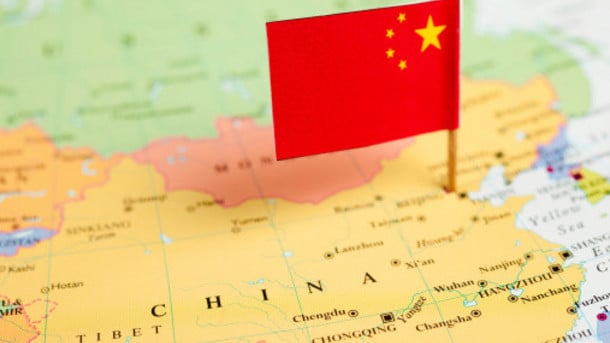
By Martin Jacques, Cambridge University August 28, 2019 A delightful conversation about the essential difference between the West and China and why they have vitally different ways of relating to other countries and cultures. If you do business in China, travel as a tourist – which far too few Westerners do – teach international relations and the future of the world, this half an hour is about the best investment you can make to understand better what China is about – and to see the West from outside. Be sure to also visit Jacques’ homepage – and see other videos on his YouTube Channel. Jan Oberg, editor
cropped-PTV-1
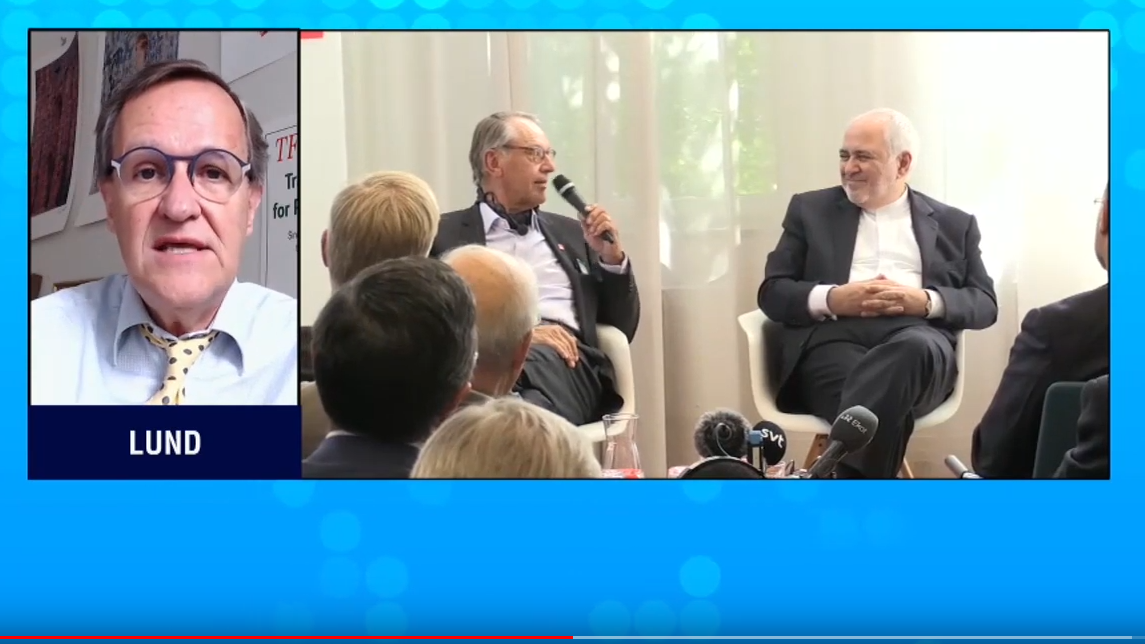
Dr. Javad Zarif, Iran’s foreign minister, yesterday spoke at SIPRI – the Stockholm International Peace Research Institute. (At the moment of writing nothing comes up on its homepage when searching his name but you may see his speech and the discussion that followed here). I was asked by Iran’s PressTV to comment on a couple of selected points made by Zarif – which I gladly did:
cropped-Journalism-is4-e1373668581362
A map of the Korean Peninsula showing the 38th Parallel where the DMZ was established in 1953. (Wikipedia) “Do not demonise North Korea. Demons do not negotiate. If there are no negotiations, there will be war.” The words of Chung-in Moon to journalists who gathered for the Korea Press Foundation journalism conference in Seoul, last October, as diplomatic efforts were being stepped up for a second summit meeting between Kim Jong Un and President Donald Trump. Moon is a sage old hand of arms control talks. A current member of the South Korean government’s advisory committee on diplomatic strategy, he previously served as Ambassador for International Security, combining these posts with his career in universities. His advice was timely, given the findings of new research on Australian media and how they refer to the Democratic People’s Republic [i]. In coverage from two major newspapers and the public broadcaster, the ABC,...
The-enlargement-of-NATO-1949-2018_cropped_3x2
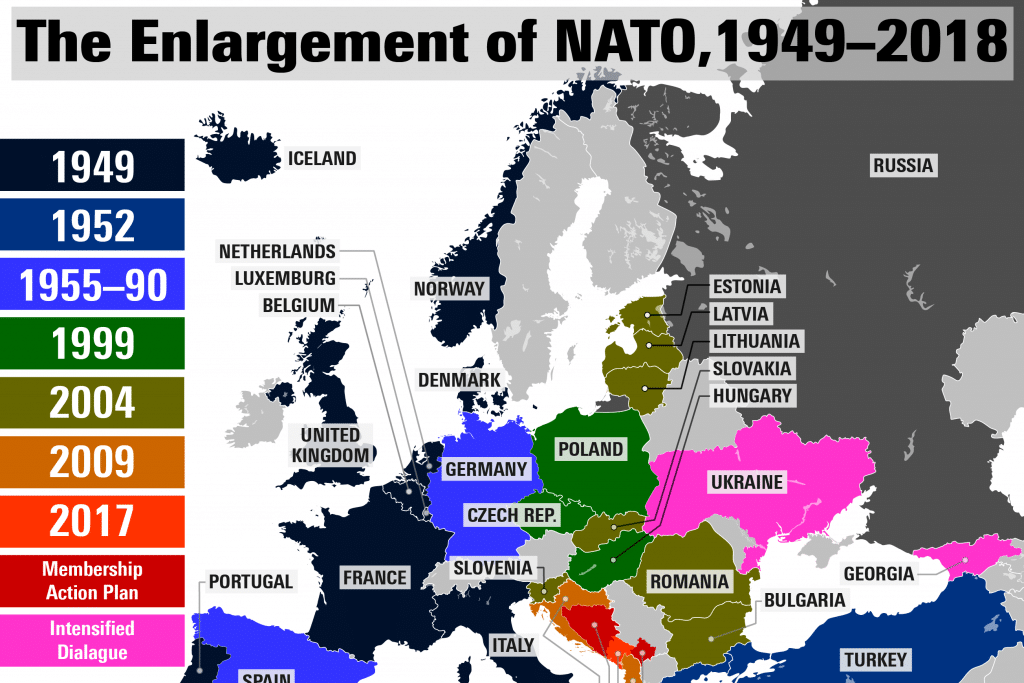
By Gordon M. Hahn July 25, 2019 NATO expansion has contributed to the causal matrix of two wars: the 2008 Georgian-South Ossetiyan/Russian Five-Day War and the ongoing Donbass civil war. The West’s April 2008 promise that both Georgia and Ukraine will become NATO members encouraged Georgian nationalism and Saakashvili’s war in South Ossetiya and consequently led to Georgia’s de facto loss of its South Ossetiyan as well as Abkhaziyan territories. Originally published on Gordon M. Hahn homepage – while Poroshenko was still president. Similarly, NATO expansion encouraged the rise of ultranationalism in Ukraine, especially western Ukraine, and the ultra-nationalist-led February 2014 Maidan revolt, leading to Ukraine’s loss of Crimea and civil war in eastern Ukraine’s Donbass regions of Donetsk and Luhansk. NATO expansion now is poised to help re-start the Donbass civil war or spark a larger Ukrainian civil war (and/or similar conflicts involving Moldova and its breakaway republic of...
Peace-Sign-HD-Background-620x349
March 26, 2010, and July 3, 2019 Why Johan Galtung (born 1930) decided to devote his life to waging peace through research and action. Galtung who is one of the world’s most prolific and innovative social scientists – for instance, the author of more than 160 books and a global lecturer, mediator and professor – has been a TFF Associate since 1986 and has been published hundreds of times at TFF’s old and present site. He is also one of my two mentors in peace research – the other being Håkan Wiberg – says TFF director and co-founder, Jan Oberg.
cropped-Counquest_of_Jeusalem_1099
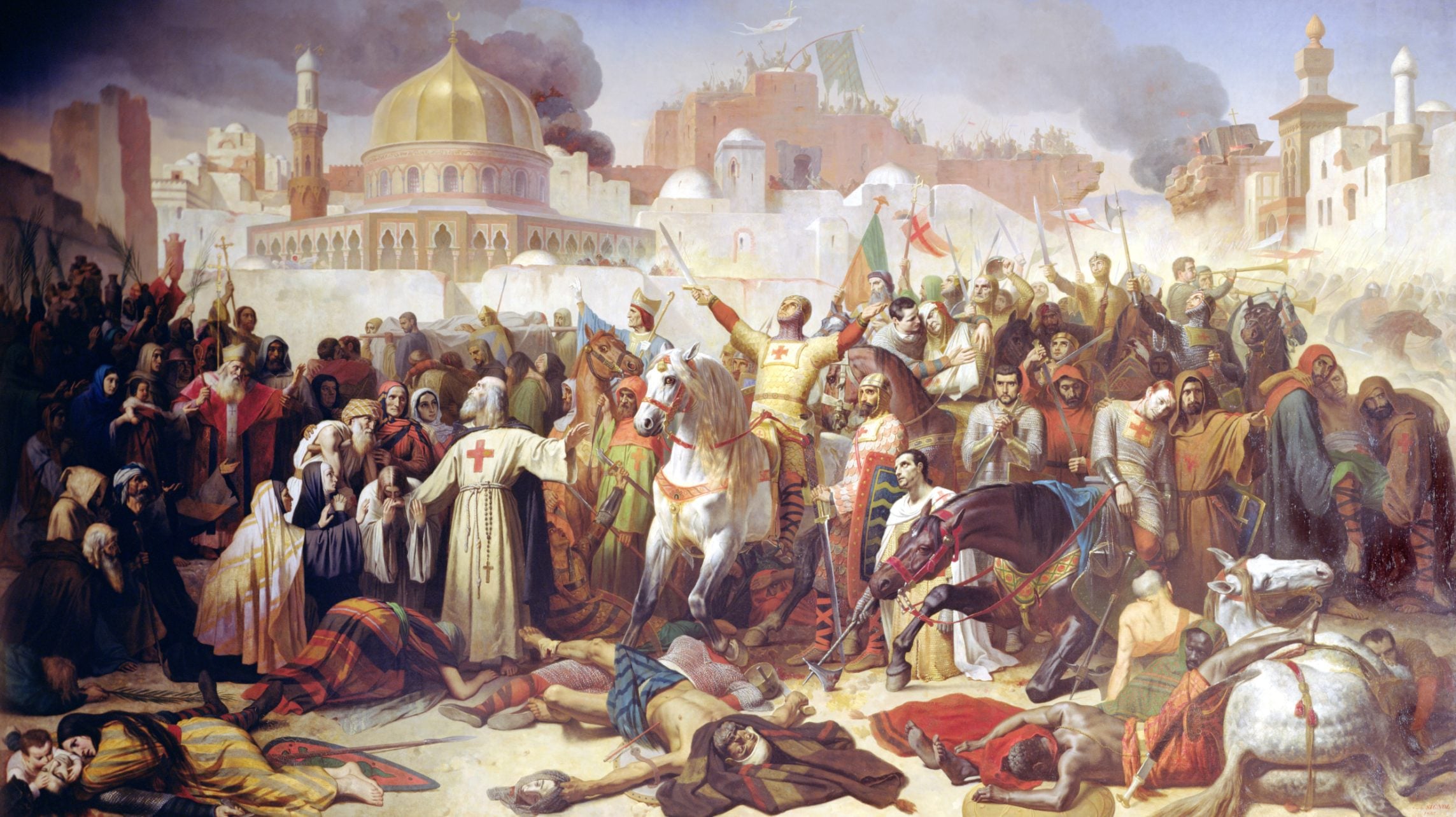
By Dr. William R. Polk June 27, 2019 Exclusive: Many Americans and Westerners are baffled by the violent rage expressed by many Muslims, but the reasons for their anger are real, deriving from a “deep history” of anti-Islamic wars and colonial exploitation of the Middle East, as ex-U.S. diplomat William R. Polk describes. Originally published by Consortium News on August 15, 2015, here The issue of terrorist attacks on America has been so politically sensitive that most commentators have simply wrapped themselves in the flag and closed their eyes and ears. Yet, even in fairy tales, ostriches were never saved by burying their heads in the sand. It is not a good defensive posture and it wouldn’t be wise for real-life Americans to behave like make-believe ostriches. If we want to be safe rather than sorry in the dangerous world we now inhabit, we need to be clear-headed, logical and informed. Those...
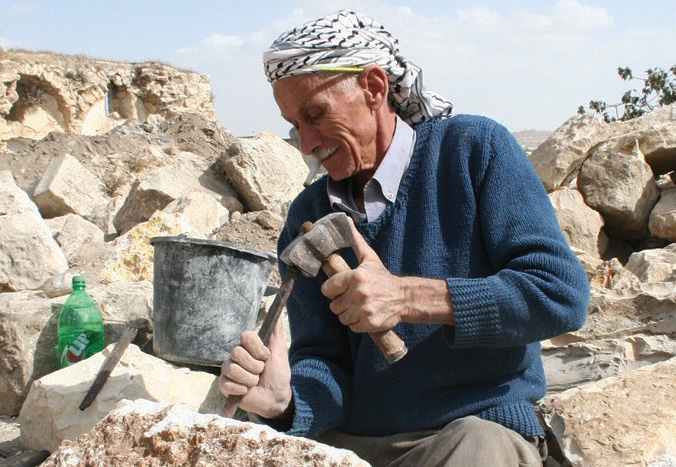
stonemen2-1-
Andrew Ross’s Stone Men: The Palestinians Who Built Israel, Verso, 2019. On May 10th Andrew Ross came to University of California, Santa Barbara for a discussion of his extraordinary book, Stone Men, offering the audience a lively presentation enlivened by a Powerpoint array of informative pictures. I took part in a conversation with Andrew that was held prior to giving the small, yet intense, audience an opportunity to participate with questions. Andrew expressed the most startling aspect of Stone Men in these words:“..it would be no exaggeration to say that the ‘stone men’ of Palestine have built every state in the region except their own.” (3) Originally published on May 13th, 2019 on Richard Falk’s blog here His very readable text mainly adopts a somewhat narrower focus, concentrating its efforts on the particular role of Palestinian workers and the rich stone quarries of Palestine in the physical evolution of the Israeli state, not only establishing its architectural...
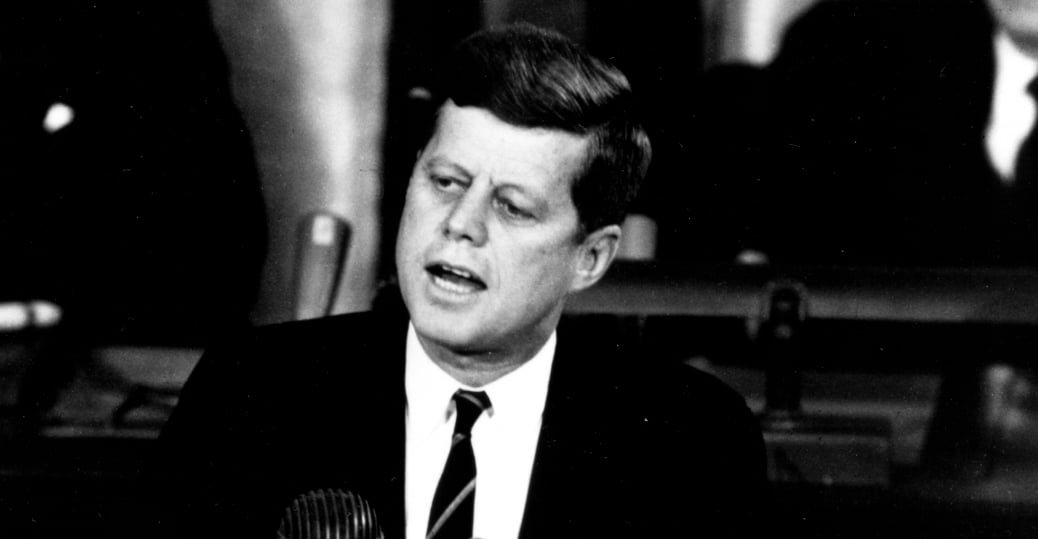
kennedy_sotu1-P
By Dr. Lawrence Wittner June 5, 2019 In late April, the highly-respected Stockholm International Peace Research Institute reported that, in 2018, world military expenditures rose to a record $1.82 trillion. The biggest military spender by far was the United States, which increased its military budget by nearly 5 percent to $649 billion (36 percent of the global total). But most other nations also joined the race for bigger and better ways to destroy one another through war. Originally publishes on Counterpunch.org on May 29th, 2019 here This situation represents a double tragedy. First, in a world bristling with weapons of vast destructive power, it threatens the annihilation of the human race. Second, as vast resources are poured into war and preparations for it, a host of other problems―poverty, environmental catastrophe, access to education and healthcare, and more―fail to be adequately addressed. But these circumstances can be changed, as shown by...
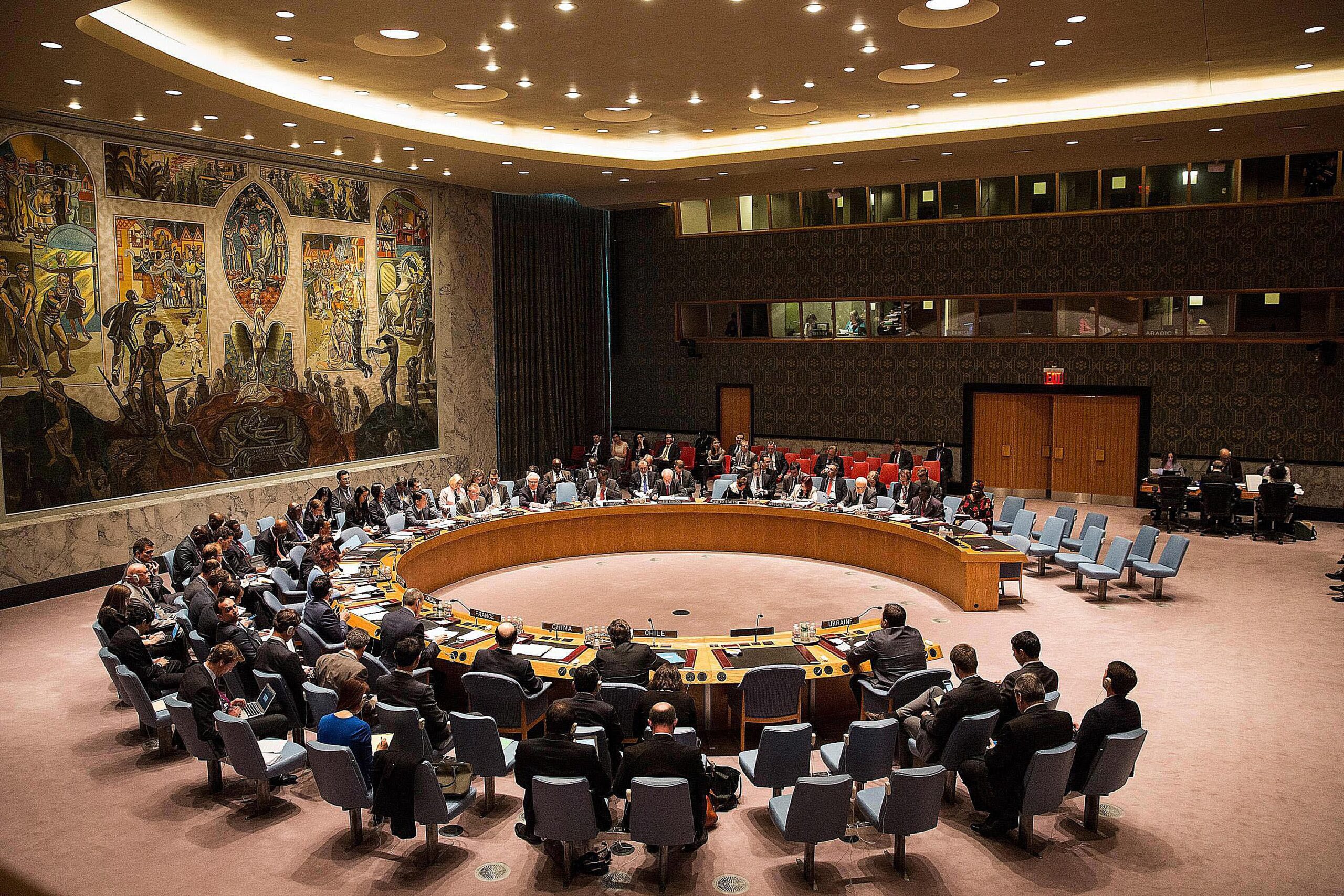
487822825-58b9d1023df78c353c38bbd6
HE Secretary-General of the United NationsAntónio GuterresUnited NationsNew York NY REGARDING: Request for action in accordance with the UN Charter Article 99 to seek to prevent war between the United States of America and the Islamic Republic of Iran. The relation between the USA and Iran has been tense for many years. After the abrogation of the Joint Comprehensive Plan of Action and the stifling sanctions imposed by the USA on Iran, the hostility has increased to a dangerous level. The President of the USA has repeatedly threatened Iran with military action, even talking about the total destruction of the country. These threats must be taken seriously. Even if a war is not started intentionally, a misunderstanding could lead to an escalation and finally to war. The situation in the Middle East is very complicated and other parties than Iran and the USA might contribute a sparkle to start the...
Categories

Year

Author / Contributor

Region