Peace

Various aspects of and approaches to this “essentially contested” concept.

And various ways of thinking across cultures.

Stuff here is both theoretical and practical – with an emphasis on the former.

We thought that a slightly blurred image of a sunset – the far horizon – could illustrate these endeavours.

The moment we think we know exactly what peace is, it isn’t.

It’s a never-ending process … exploration.

But peace is not just the absence of war and other types of violence.

It is something essential and substantial in and of itself.

Category

Year

Author / Contributor

Region

Sort by

Showing 1-10 of 889 stories

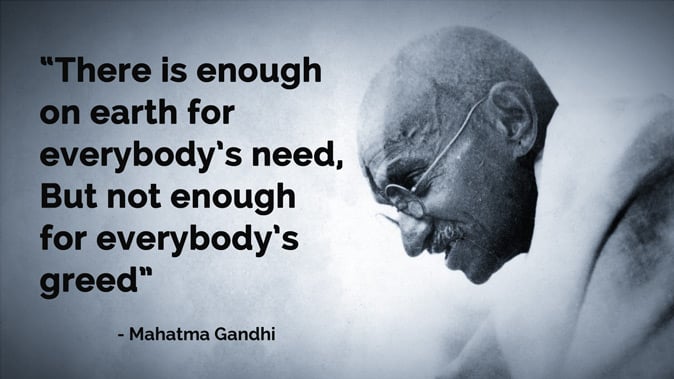
Mahatma-gandhiquote
By David Cortright December 11, 2019 Last month I was invited by the Indian Permanent Mission to the United Nations to give a presentation on the International Day of Nonviolence, which was also the 150th anniversary of Gandhi’s birth. Below is the full text of my remarks, which were delivered at the United Nations headquarters in New York. Originally posted on Davidcortright.net on November 9, 2019 here In the remarks, I identified three aspects of Gandhian thought and action that are directly relevant to the challenge of protecting the environment and preventing climate disruption. At the end of my presentation, I added a brief comment on the situation in Kashmir, which seemed necessary to include in an event organized by the Indian government. “Gandhi’s message is highly relevant to today’s global climate crisis. I emphasize here three of his most important themes: simplicity, equity and nonviolence. Simplicity Gandhi became the “greatest...
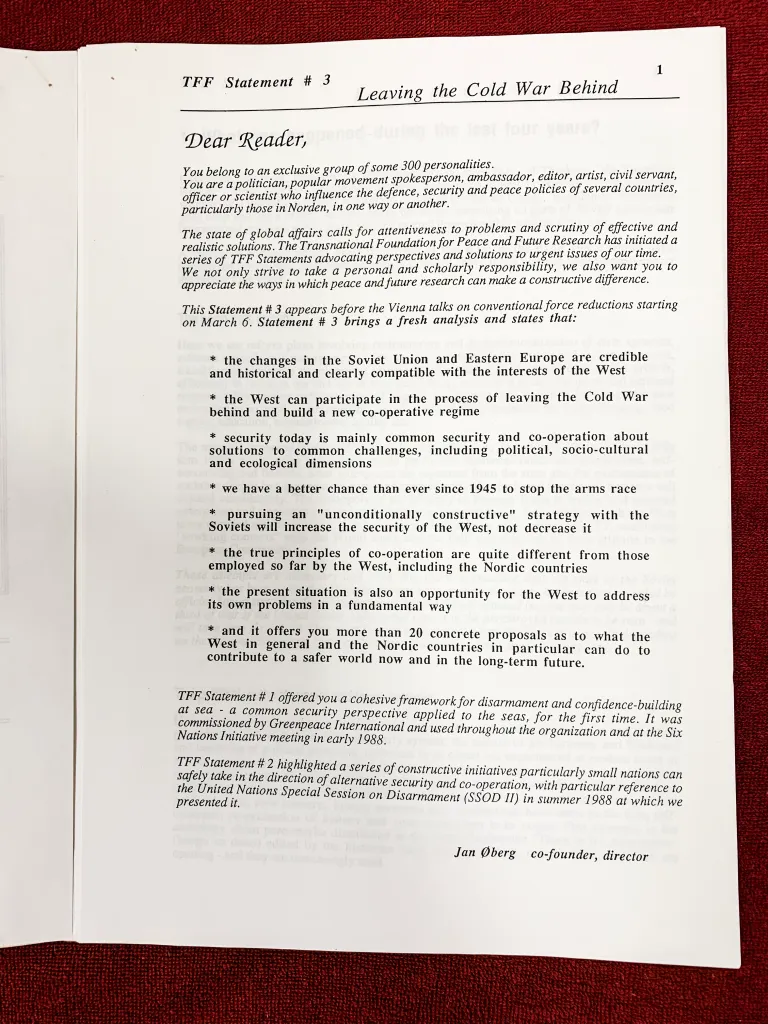
IMG_9126
This is the digitalized version of a TFF Statement published by TFF’s Board almost 31 years ago. Could that be of any interest today? First, it reflects the situation and the issues discussed at the time as well as the hopes for a better future – now sadly lost. Secondly, it is one example of how peace researchers were thinking and made constructive political recommendations, available for anyone to take inspiration from – which virtually no one in power did. So, it’s a piece of international political as well as intellectual history. Third, it is an indicator of what the West could – and should – have done to have been in a much better situation than it is today. Admittedly, this is a contra-factual argument, but it can be defended on intellectual grounds although not empirically proven. Fourth, the authors pointed out a series of longterm priorities which match...
changingmeconstell
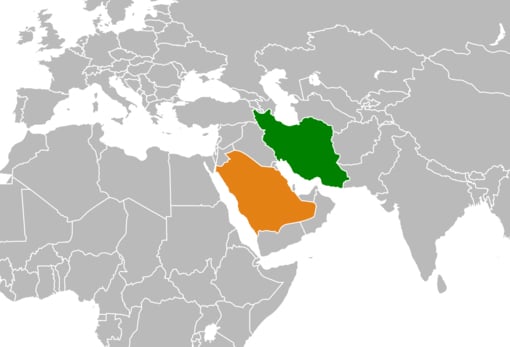
By Conn M. Hallinan November 27, 2019 The fallout from the September attack on Saudi Arabia’s Aramco oil facilities is continuing to reverberate throughout the Middle East, sidelining old enmities – sometimes for new ones – and re-drawing traditional alliances. While Turkey’s recent invasion of northern Syria is grabbing the headlines, the bigger story may be that major regional players are contemplating some historic re-alignments. Originally posted on Counterpunch on November 8, 2019, here After years of bitter rivalry, the Saudis and the Iranians are considering how they can dial down their mutual animosity. The formerly powerful Gulf Cooperation Council (GCC) of the Persian Gulf monarchs is atomizing because Saudi Arabia is losing its grip. And Washington’s former domination of the region appears to be in decline. Some of these developments are long-standing, pre-dating the cruise missile and drone assault that knocked out 50 per cent of Saudi Arabia’s oil...
wuerkercomplex
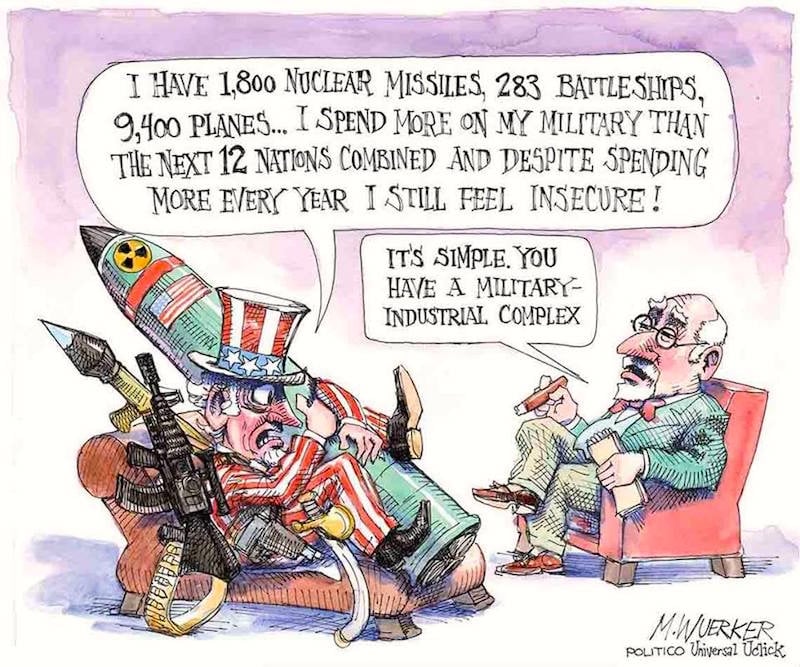
By William J. Astore November 14, 2019 The expanding cultural authority of the armed forces is a problem for U.S. democracy, writes William J. Astore. When Americans think of militarism, they may imagine jackbooted soldiers goose-stepping through the streets as flag-waving crowds exult; or, like our president, they may think of enormous parades featuring troops and missiles and tanks, with warplanes soaring overhead. Or nationalist dictators wearing military uniforms encrusted with medals, ribbons, and badges like so many barnacles on a sinking ship of state. (Was President Donald Trump only joking recently when he said he’d like to award himself a Medal of Honor?) And what they may also think is: that’s not us. That’s not America. After all, Lady Liberty used to welcome newcomers with a torch, not an AR-15. We don’t wall ourselves in while bombing others in distant parts of the world, right? Article posted on ConsortiumNews.com on October 31, 2019 (original article is posted on TomDispatch.com) here But...
Picture1
The Future of Human Rights: Regressive Trends and Restorative Prospects Points of Departure Reviewing the global situation, the then UN High Commissioner for Human Rights, Zaed Raad Al Hussein of Jordan, opened a 2018 conference devoted to the 25th anniversary of the 1993 UN Conference on Human Rights and Development held in Vienna, on a decidedly pessimistic note. Instead of doing the usual on such occasions, that is, celebrating the progress made since the earlier event, Prince Zaed emphasized the disturbing evidence of regression with respect to a broad range of issues bearing on the protection of human rights embedded in international treaty instruments as evidenced by the practice of states. He insisted that without fundamental changes in patterns of governance by sovereign states and in the operation of the world economy it would be naïve to expect an improved international atmosphere for human rights. Originally posted on Richard Falk’s blog...
DSC05514c
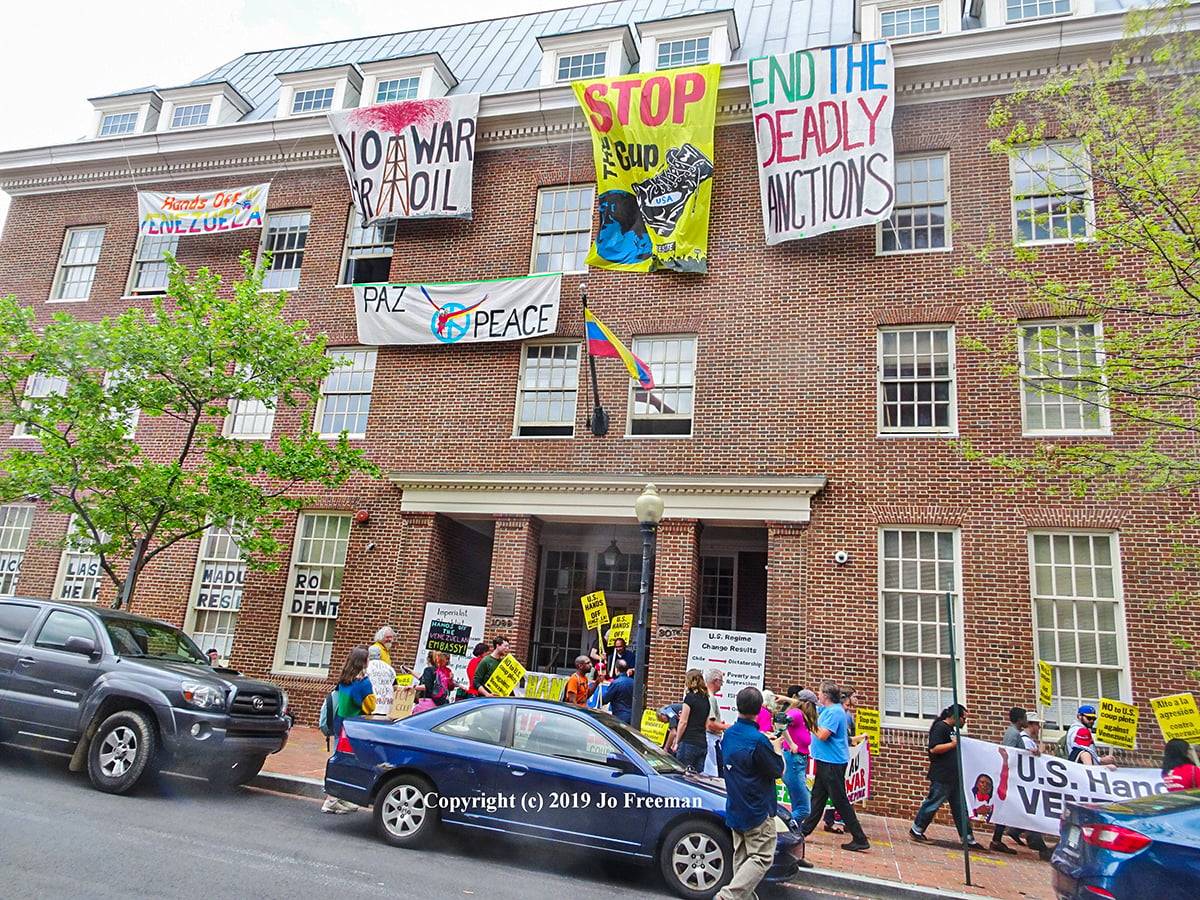
By Joe Emersberger November 6, 2019 Grayzone editor Max Blumenthal, a prominent journalistic critic of US policy toward Venezuela,  was arrested by DC police on Friday, October 25, in connection with a protest at the Venezuelan embassy, and held incommunicado. But if you rely on corporate media, or even leading “press freedom” groups, you haven’t heard about this troubling encroachment on freedom of the press. Originally posted on Fair.org on October 30, 2019 here Blumenthal is a bestselling author whose work has appeared in such publications as the New York Times, CJR, The Nation and Salon. DC police arrested him at his home on a five-month-old arrest warrant, charging him with simple assault for his attempt to deliver food to the besieged Venezuelan embassy; he was held for two days, and for the first 36 hours was not allowed to speak with a lawyer. (In an interview with FAIR, Blumenthal noted that keeping arrestees—generally poor and African-American—from speaking...
bofuq374gwgf
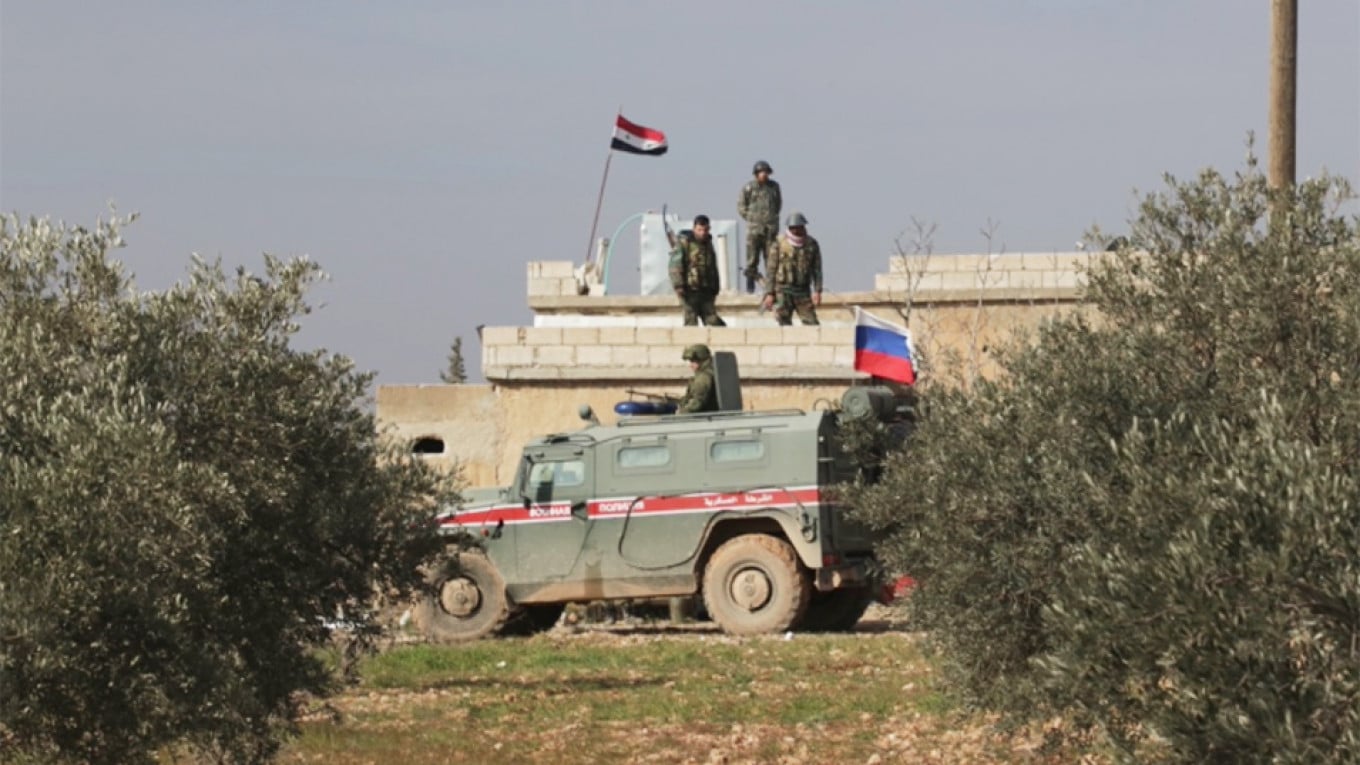
By Scott Ritter November 4, 2019 At a time when the credibility of the United States as either an unbiased actor or reliable ally lies in tatters, Russia has emerged as the one major power whose loyalty to its allies is unquestioned, and whose ability to serve as an honest broker between seemingly intractable opponents is unmatched. Originally posted on Truthdig.com on October 30, 2019 here If there is to be peace in Syria, it will be largely due to the patient efforts of Moscow employing deft negotiation, backed up as needed by military force, to shape conditions conducive for a political solution to a violent problem. If ever there was a primer for the art of diplomacy, the experience of Russia in Syria from 2011 to the present is it. Like the rest of the world, Russia was caught off guard by the so-called Arab Spring that swept through the Middle...
turkey-russia-putin-erdogan-921407
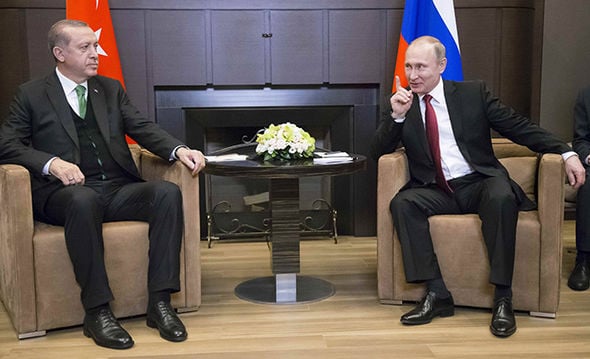
Interviewed by RT International Among other things, I argue that the international so-called ‘community’ – there definitely is no such thing – is still regrettably simple, or primitive, when it comes to making peace. Here two leaders meet and discuss affairs pertaining fundamentally to what shall happen on the territory of a third sovereign state which is not present. Their focus is on the means of violence – which have already been used and created the situation whereas there is no awareness, it seems, of how important it would have been to address the underlying conflicts. Conflicts are the basic unit if you want to create peace – the violence mostly a symptom of conflicts – problems – un-resolved. International law is violated in several ways – and has been the last 10-15 years when it comes to Syria. It started with the US deciding to go for regime change...
US-sanctions
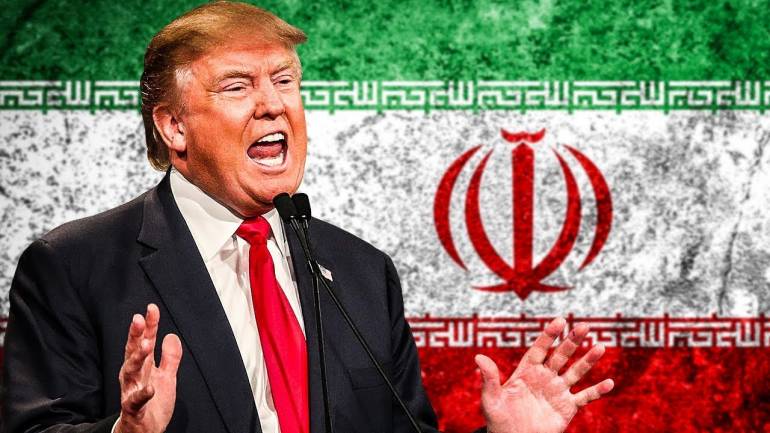
Prefatory Note: The post below is a slightly modified version of an interview published in The Nation on September 25th, following the September 14th attack on Saudi oil facilities. It follows a pattern with respect to Iran of accusations, denials, and public uncertainties. This combination of elements, given the leadership in Washington and Tehran, one blustering, the other inflexible, can easily produce an unintended stumble into war. A second shorter interview is appended, conducted prior to the attacks by an Iranian journalist, M.J. Hassani of Tasnim News Agency. It illustrates the seeming rigidity of Iran’s Supreme Guide, considered as having the final word on government policy, exceeding that of the elected leadership. Originally posted on Richard Falk’s personal blog on October 1, 2019, here Daniel Falcone Introduction to the Interview: After accusations of Iranian drone attacks on Saudi oil facilities, Iranian officials and authorities indicated that “full-fledged war” with the United States could...
gun-un-from-chcago-outdoor-sculpture-blog
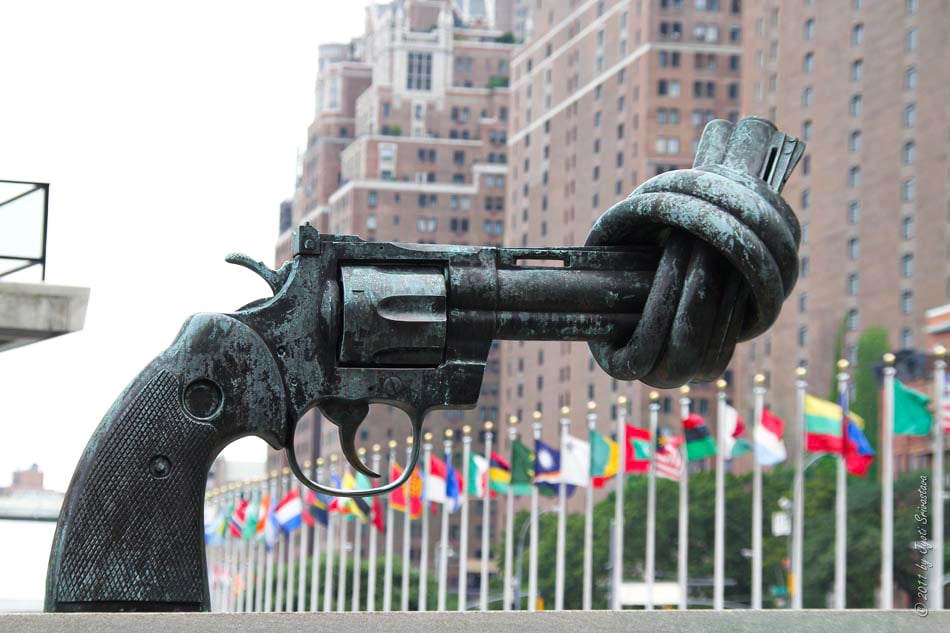
As entrenched as the military is in our society and minds, a new book shows that civilians can defend a society without using violence. Imagine that government leaders make an announcement: “We’re going to abdicate responsibility for defense. Over the next few years, our military forces will be phased out. They are too dangerous and counterproductive. It will be up to everyone to figure out how to defend us all without violence.” Environmentalists immediately get to work setting up local renewable energy systems. They know that an aggressor can hold a society to ransom by controlling a few refineries and large power plants. In contrast, aggressors, and terrorists too, will see little point in attacking energy-efficient buildings and rooftop solar panels. Originally published by Transcend Media Service and Journal of Resistance Studies here Town planners adopt the same thinking. They rapidly expand opportunities for travel by foot and cycling, thereby...
GandhiVirtues
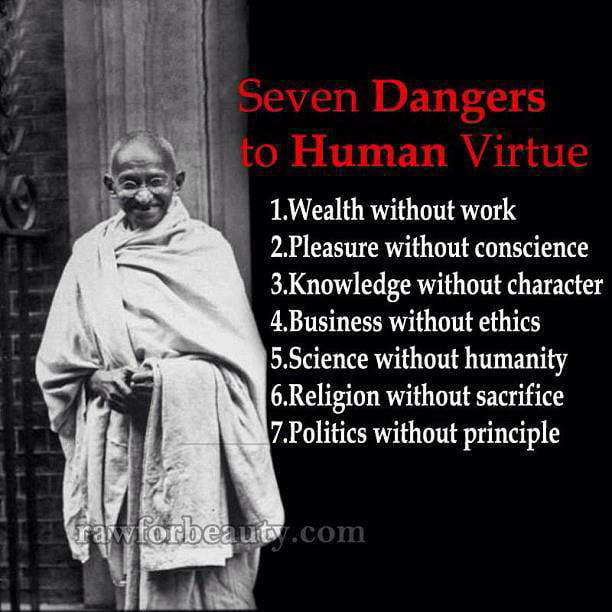
This is what TFF sent out as TFF PressInfo 532 today. It gives you an impression of what you will get if you have not already subscribed to this, one of the oldest peace mail services. Just fill in the form to your right. Above Gandhi’s prophetic diagnosis of today’s Western, or O/Accidental, malaise. Gandhi’s message is not backed up by statistics, figures and charts. It’s the type of statement of wisdom which seems to have disappeared in our modern times. He was born today 150 years ago. Some believe his theory and practice is just historical or irrelevant. However… Millions of people believe in and use non-violence every day. About a week ago, 6 million marched for humans and societies to re-learn to relate non-violently to Nature. Many other millions practice dialogue, negotiations, friendly quarrels, mediation, meetings, writings, speeches, humour etc to deal with their conflicts. It’s non-violence even...
xjp-iranrowhani-705x437
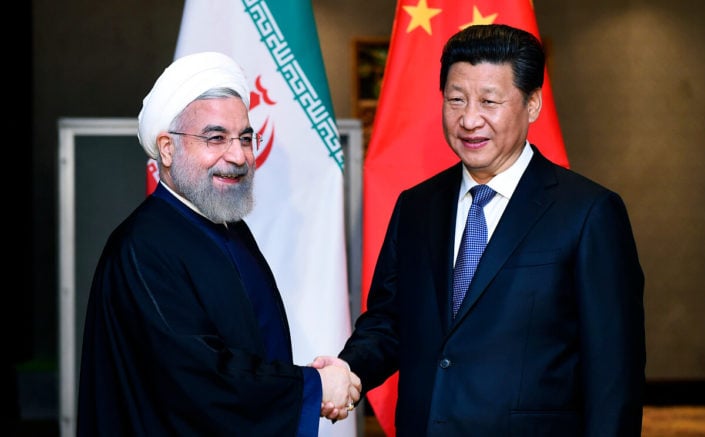
By Sabena Siddiqui September 20, 2019 Facing an economic crisis in large part due to US sanctions, Iran soon may be aligning its policies toward China’s. Having recently updated the terms of a 25-year strategic partnership signed with Beijing in 2016, it looks like Tehran is indeed returning to its Look East foreign policy. Originally posted on Al-Monitor’s website September 17, 2019 here Considered an important player in Chinese President Xi Jinping’s Belt and Road Initiative (BRI) megaproject, introduced in 2013, Iran has been pursued by Beijing for its energy resources and strategic location. But when economic sanctions on Iran were lifted under the Joint Comprehensive Plan of Action (JCPOA) nuclear deal in 2015, Iran preferred to do business on a global basis. Instead of committing to an eastward-looking foreign policy at that time, Tehran tried to maintain a balance. However, since the United States withdrew from the nuclear deal in May 2018, Europe...
Categories

Year

Author / Contributor

Region