Global

Mainstream and alternative news sites with an emphasis on media outside of or with different perspectives from the Western world, e.g. NATO and EU countries, on regional organisations and the emerging world order.

We do not pretend to know the validity of every corner in each of those, but we have found interesting and well-researched/written articles in all of them at some point.

It’s by no means even a fraction of all. Missing an important link? Tell us!

Find your own dailies, magazine and news sites in the amazing global W3 directory

African Union

AlJazeera

All Africa

Almasdarnews – AMN

Al-Monitor

American Herald Tribune

APEC

Arab News (Saudi Arabia)

ASEAN News

Asia Times

Beijing News

Beijing Review

BRICS Information Centre

BRICS Post

CTGN America • LiveNews

CTGN Europe

China Daily

China Org.cn

Christian Science Monitor

Daily News and Analyses, DNA

Defense News

Democracy Now

EurasiaNet

EurasiaReview.com

Eurasia News Online

Euronews

Foreign Affairs (US)

Foreign Policy In Focus

France 24

Gallup Polls News

Global Times

G20

Haaretz

High North News

Huffington Post

Inter Press Service – IPS

InDepthNews – International Press Syndicate (IPS)

International Affairs, Russia

International New York Times

Johnson’s Russia List

Japan Times

Liveuamap

Mail & Guardian Africa

Military Times

Middle East Online

NK – North Korea News – independent

OCHA

Open Democracy

Organisation of Islamic Cooperation

OSCE

Outlook India

People’s Daily

Pressenza – peace and nonviolence journalism

PressTV

Reuters News

Russia Insider

RT Russia Today

Russian media –  a list created after Western censorship was introduced
SAARC News

Shanghai Cooperation Organisation, SCO News

South China Morning Post

Sputnik News

TASS

Tehran Times

Telesur English

The Christian Science Monitor

The Hindu

The Korea Times (Seoul)

The New Arab

The Pyongyangtimes

The Real News Network

Times of India

UN News Centre

UNHCR

Unz Review

Utne Reader

XinhuaNet

Category

Year

Author / Contributor

Region

Sort by

Showing 1-10 of 435 stories

ChatGPT Image 9 jun 2026, 11_11_33
Shouldn’t we be Panglossian when it comes to the progress now being made to defeat the Coronavirus? Pangloss in his youth was unreasonably optimistic. He was in Voltaire’s novel “Candide” Candide’s mentor, and coined the phrase, “All this is for the best in this best of all possible worlds.” But how can one be Panglossian, you might say, when Russia still seems to be bogged down with the pandemic and Britain now has the developed world’s highest number of deaths per capita, and the US recently reached a total of 100,000 deaths? Partly because there are Panglossian islands, some very large like Germany, Vietnam and South Korea, which started early as soon as the warnings from China came in and chose to have less severe lockdowns or none at all. Germany has shown the way in Europe with its policy of intensive testing and tracing and, as a result, never...
ChatGPT Image 9 jun 2026, 11_11_33
Africa is suffering a double whammy after many years of success. The Coronavirus, while not taking down great numbers of people like in Europe, Asia and the Americas, has had a severe impact by curbing its exports in the face of the formers’ severe economic depression. For example, flowers grown in Kenya and Ethiopia have been particularly hit. Kenya’s flower industry employs up to 70,000 people. Ethiopia’s horticulture provides 180,000 jobs. Kenya’s overnight exports of cut flowers to Europe have been worth almost 770,000 US dollars a year, up from 134 million in 2000. Now sales are on their way to rock-bottom. At the same time parts of East Africa have been hit by plagues of locusts, the likes of which have not been seen for over 70 years. They eat everything that comes their way. For the first time in a decade in Africa, many people are going hungry...
ChatGPT Image 9 jun 2026, 11_11_33
The world is supposed to be pulling together to defeat the Coronavirus and to some extent it is. Earlier on Russia sent special equipment to the US and recently the US has sent some to Russia. China has aided Italy and Africa with doctors and equipment. Tiny Cuba, with its deep pool of doctors, has also helped Africa. Around the world there is a sense of “we are all in this together” and that this is a bigger problem than the ones the world has faced since World War 2. The last two days the World Health Organization has brought all the world’s countries together to discuss how to go forward. Both the US and China, to a degree, have messed things up. President Donald Trump has been vicious in his attacks, suggesting Chinese culpability for spreading the virus. (He’s forgotten how the US incubated AIDS, an even greater killer....
JOAtInstallation_1000_72dpi
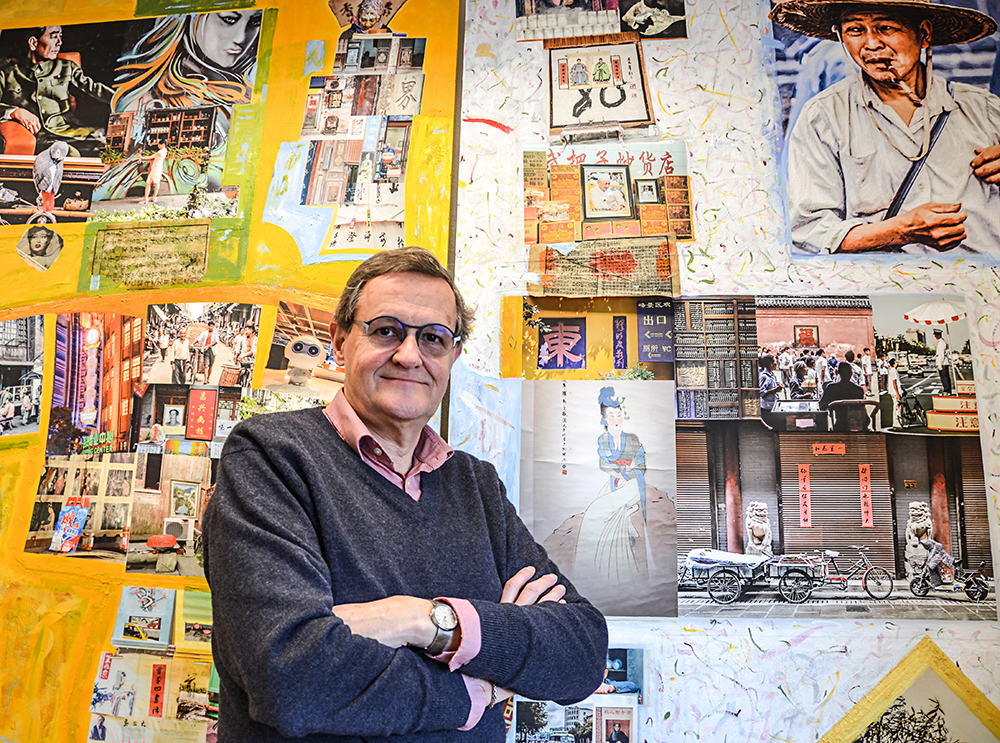
The author in front of a part of his photo-based, multi-media installation, “Silk Peace Art Road – SPAR” which was exhibited at the Venice Biennale 2019 and will be shown in China 2020. Yesterday, The Necessary Teacher Training College, DNS, in Denmark held its annual conference on peace and justice. As a couple of times before, I had the honour of being invited to be the keynote speaker. Because of the Coronavirus, it was online and not onsite – and I had produced the lecture in advance and then there was a Q&A session in the afternoon via Zoom. The two-part lecture is now on TFF’s Vimeo Channel here: Part 1 Part 2 The discussion that followed after group work If you found this lecture interesting or useful, please help us do more in the future. Remember, TFF is 100% people-financed and therefore completely independent of the government and corporate...
Screenshot
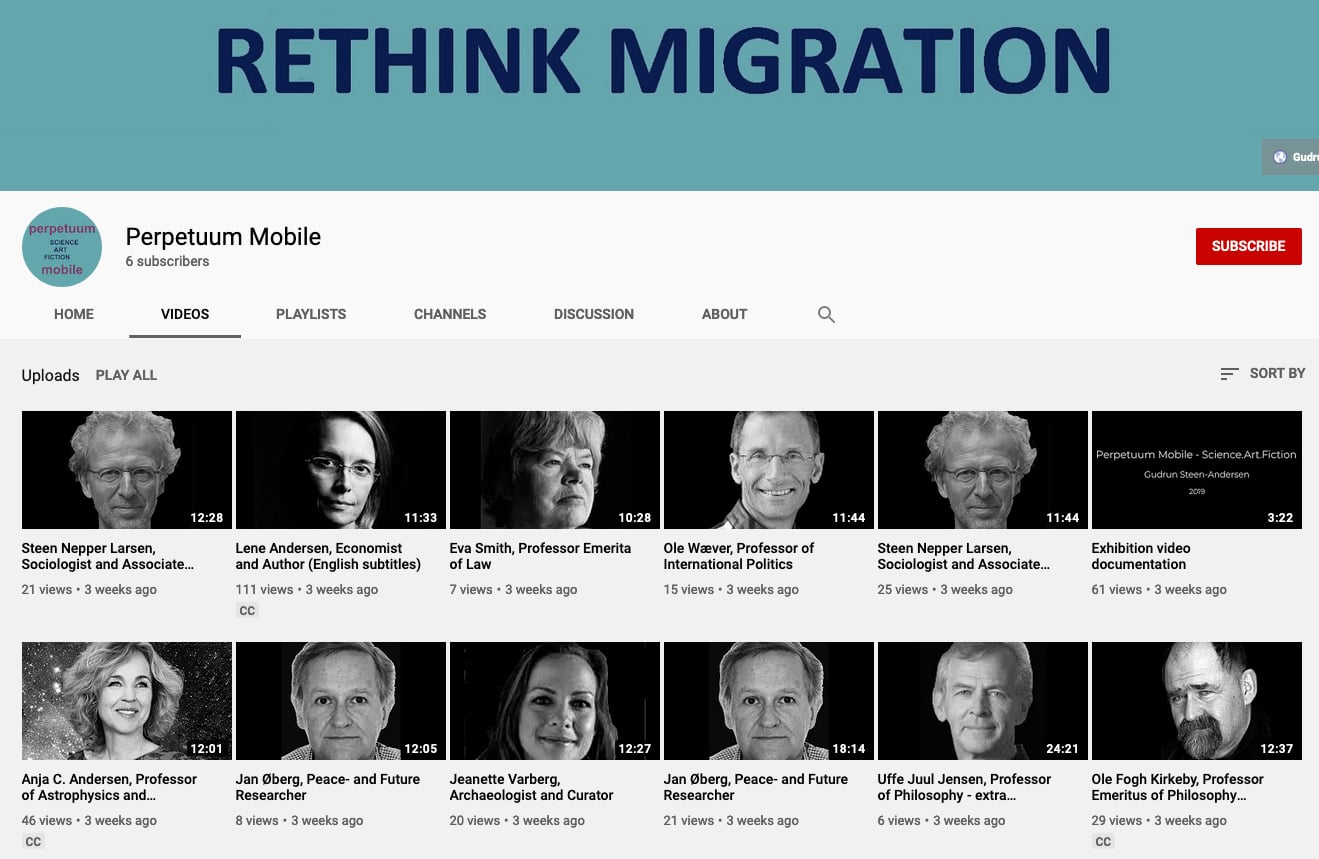
Jan Oberg April 30, 2020 Last year, the Danish artist Gudrun Steen-Andersen created a multimedia installation under the theme: “Perpetuum Mobile – What Would Happen If Migration Was Free Worldwide?” Naturally, it is a thought experiment – not the least in these times of multi-crisis where nationalism, xenophobia, populism and the building of walls seem to have emerged as just another – political – virus way before the Coronavirus. The Danish-language version was made in 2019 and in March this year, we repeated – more or less, that is – the video lectures in English. It was about the time when the Coronavirus had just begun its race to the top of the global agenda. You’ll find them all the videos here or click on this: Steen-Andersen’s heuristic intention – somewhat in the tradition of the great future-thinker Robert Jungk’s future workshop – was realized through her own amazing installation...
earthmask-1024x623-1
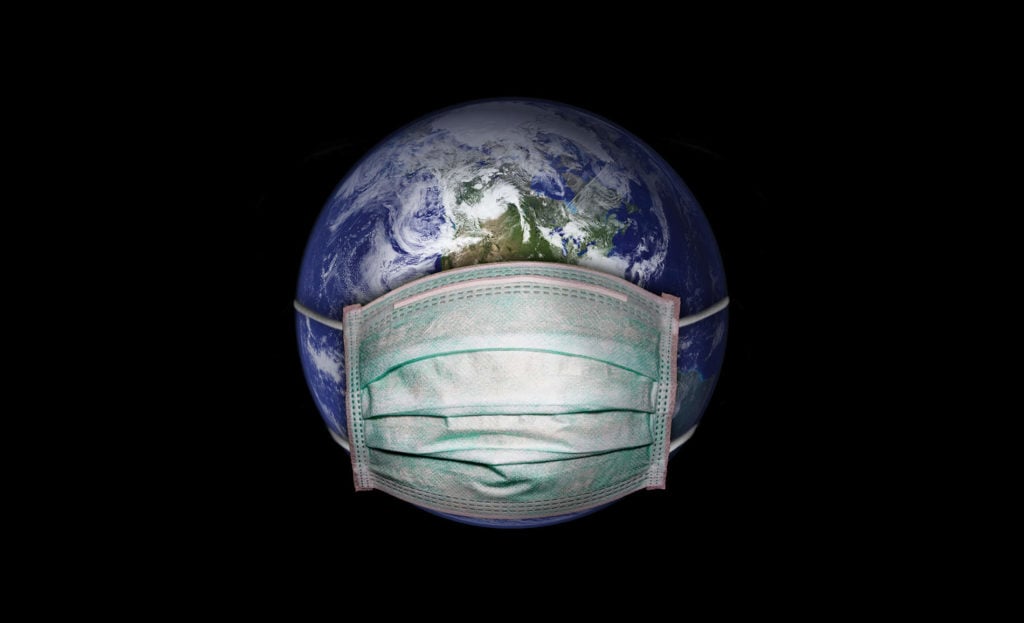
Part 1 Governments have spent trillions on preparing for military threats created by their own policies. No one prioritised human and societal security. The unique over-reaction to COVID-19 should worry us much more than the virus itself. It can be seen as a panicky attempt to cover-up the failure of an outdated militarist security policy. #coronaissecuritypolitics Part 2 of this series • Part 3 • Part 4 Jan Oberg April 2, 2020 The Coronavirus is a comparatively small killer Over the last 3 months, about 40.000+ people have died worldwide because of (or with) the Coronavirus. No other phenomenon in contemporary history has caused so many drastic decisions in democratic and authoritarian governments alike as thi pandemic. Constitutions, a series of freedoms, including the freedom of movement, and much else have been suspended and new emergency laws passed fast enough to qualify for the Guinness World Records. Not to diminish...
XxjidwE005001_20170517_BNMFN0A004_11n
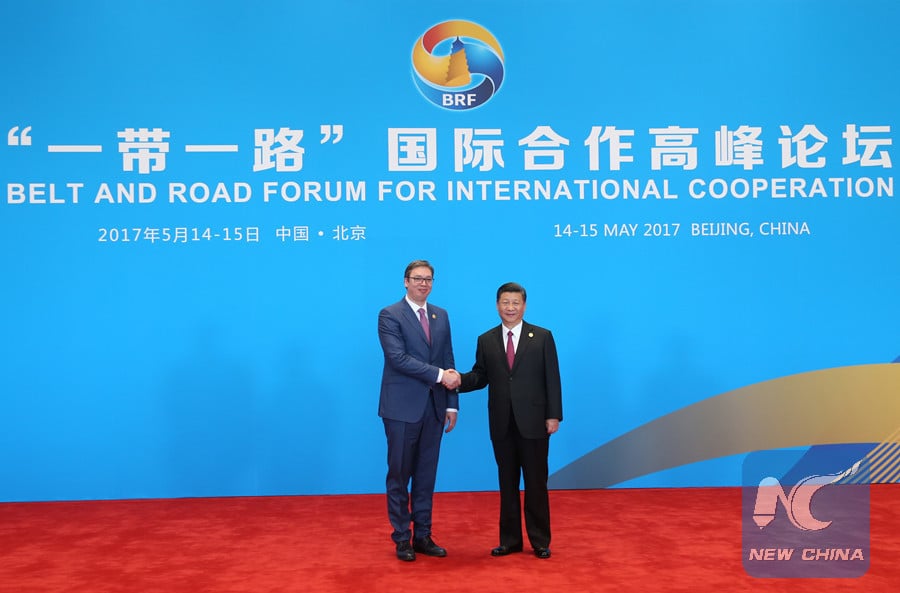
Zivadin Jovanovic* March 25, 2020 The time of adjustment The world is undergoing a period of great development, great change, and adjustment. The international order is changing with the acceleration. The fall of the Berlin Wall thirty years ago (1989) has marked the end of the bipolar World Order. The “winners” of the Cold War adopted a policy of expansion, interventionism and domination. NATO illegal aggression on Yugoslavia 1999 represented the peak of uni-polar world order but, also, the beginning of its downfall. Today, the process of multi-polarization of global relations has already gone far beyond the point of no return. It is impossible any longer that any single power imposes own will or own interests above the will and interests of the others. The driving forces of this historic transformation towards the world of equals, shared responsibilities and community of shared future are China, Russia and other countries of...
Abby-Brockway
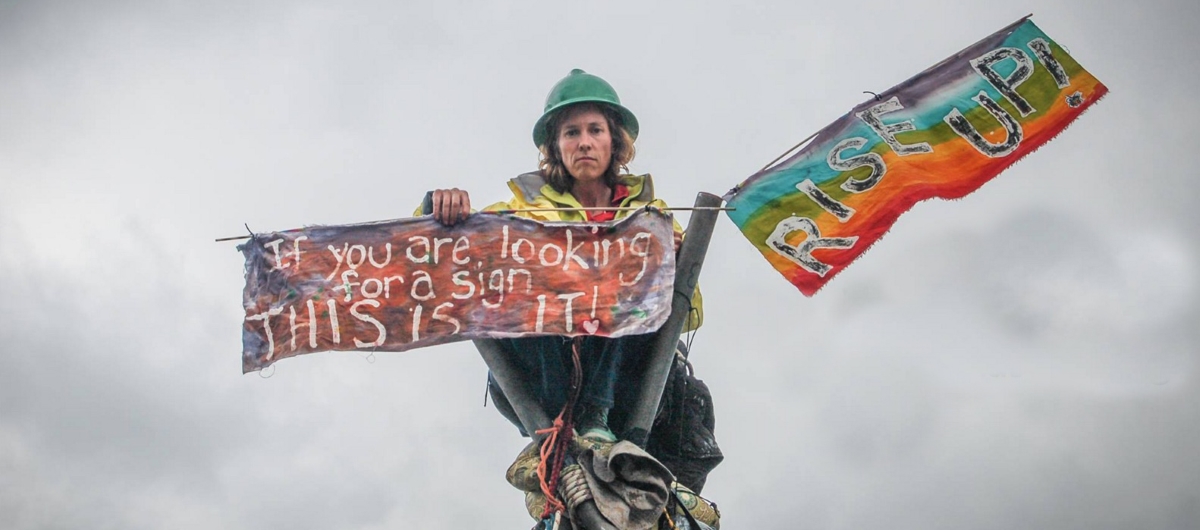
Jeff McMahon March 20, 2020 In a new book, the woman who led the negotiations for the Paris Agreement calls for civil disobedience to force institutions to respond to the climate crisis. Originally posted on Transcend.org on February 24, 2020, here “It’s time to participate in non-violent political movements wherever possible,” Christiana Figueres writes in “The Future We Choose: Surviving the Climate Crisis,” which will be released tomorrow by Knopf. Figueres served as executive secretary of the United Nations Framework Convention on Climate Change (UNFCCC) from 2010-16. She co-authored the book with her strategic advisor, Tom Rivett-Carnac. The two also support voting: “Large numbers of people must vote on climate change as their number one priority,” they write. “As we are in the midst of the most dire emergency, we must urgently demand that those who seek high office offer solutions commensurate with the scale of the problem.” But they...
internationallaw_ShenukaCorea
Illustration by Shenuka Corea By Richard Falk, TFF Associate March 12, 2020 Prefatory Note International law – as so much else of value – has fallen on hard times, violated and ignored, where applicable and needed. Although this is a deplorable state of affairs as the planet burns and vulnerable people suffer from ecological hazards and predatory geopolitics, it is the time to heighten struggle, and not sit home in despair. This essay in a slightly modified form was written at the request of Fikir Turu, an online source of commentary operating from Turkey, and published in Turkish. An English version was also published in Transcend Media Service, TMS, 17 February 2020. Published at Richard Falk’s personal blog  Respecting International Law: A Practical Argument International law disappoints in so many ways, making it easy to overlook why, despite its flaws, it remains valuable and indeed vital for human wellbeing. I put here...
mills-1
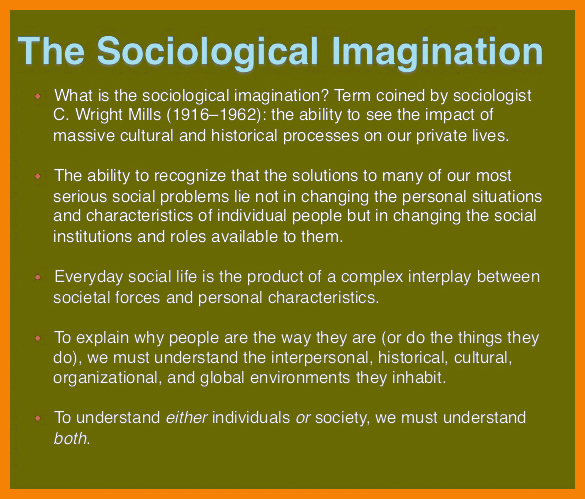
Bits of the sociological imagination at work By Jan Oberg March 5, 2020 Researchers are citizens too – some with a sociological imagination Like everybody else, social scientists are citizens. We live a private life and a professional life and there is a tradition-based rule of thumb that the two should be kept apart in writing – like: ”Oh, the things I experience in my private sphere are just small issues that probably only I have encountered; my scattered everyday observations are not interesting or “scientific” so I ought not bother others with them.” But wait! Isn’t it part of a social scientist’s writing to be concrete, build on empirical facts and observations? To tell how it really is also on the micro-level – also when s/he does not attempt to develop big explanatory theories around such unsystematic observations or try to prove something empirically? Isn’t it important to observe...
david-loy
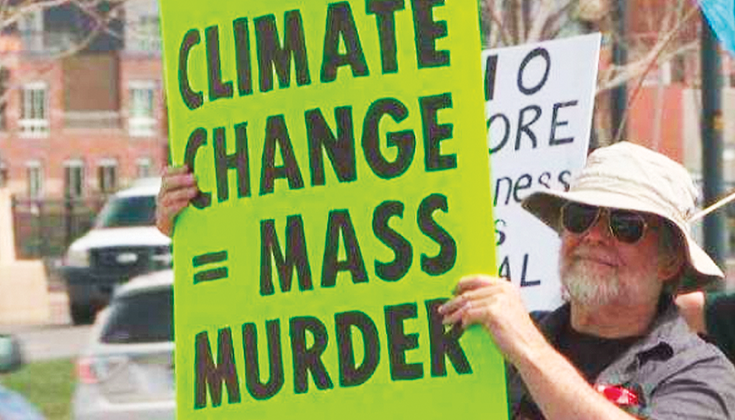
Photo: David Loy at an Extinction Rebellion protest in Denver. Photo by denver.cbslocal.com How do bodhisattvas respond to the greatest crisis of our time? Appropriately, says Buddhist teacher, activist and TFF Associate, David Loy. By David Loy One of my favorite Zen stories is short and simple. A student asks the master, “What is the constant activity of all the buddhas and bodhisattvas?” In other words, what’s special about the day-to-day lives of awakened people? The master replies: “Responding appropriately.” That’s all. No special powers, except being fully attentive to what’s actually happening and acting accordingly. “We don’t know what is possible, we don’t know what will work, but we do our best.” That’s an easy thing to do in a monastery. When the bell rings, you put on your robe and go to the Buddha Hall for meditation. But what about when one leaves the monastery gates and steps...
mussolinifist
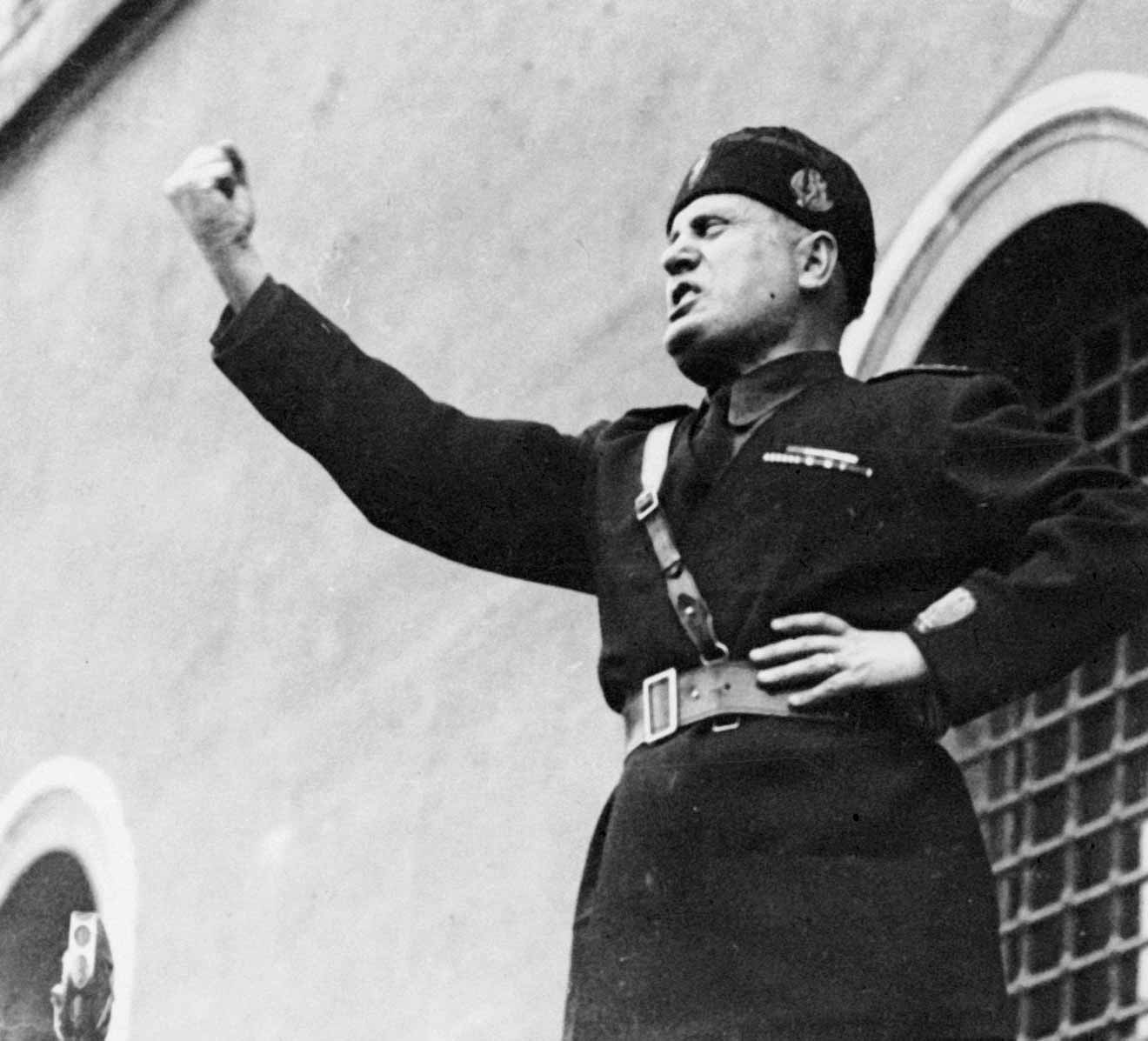
By Umberto Eco February 24, 2020 One of the key questions facing both journalists and loyal oppositions these days is how do we stay honest as euphemisms and trivializations take over the discourse? Can we use words like “fascism,” for example, with fidelity to the meaning of that word in world history? The term, after all, devolved decades after World War II into the trite expression fascist pig, writes Umberto Eco in his 1995 essay “Ur-Fascism,” “used by American radicals thirty years later to refer to a cop who did not approve of their smoking habits.” In the forties, on the other hand, the fight against fascism was a “moral duty for every good American.” (And every good Englishman and French partisan, he might have added.) Originally posted on OpenCulture on November 22, 2016, here Eco grew up under Mussolini’s fascist regime, which “was certainly a dictatorship, but it was not totally totalitarian,...
Categories

Year

Author / Contributor

Region