Global Development

Category

Year

Author / Contributor

Region

Sort by

Showing 1-10 of 75 stories

ChatGPT Image 9 jun 2026, 11_11_33
“Lies, damn lies and statistics”. “You can bend any fact with statistics”. There is some truth in that. Nevertheless, some statistics are necessary, revealing and surprising. Many of us when asked about the position of the poor in America would say that over the last two centuries they have made little progress. But look at the statistics, look at the data. True, many are living in slums and ghettos but today they have indoor plumbing, heating, electricity, smallpox and tuberculosis-free lives, adequate nutrition, much lower child and maternal mortality, doubled life expectancy, increasingly sophisticated medical attention, the availability of contraception, secondary level schooling for their children, buses, trains, cars and bicycles, much less racial prejudice, longer retirement, a rising quality of the goods they buy, better working conditions and the vote. Once these were luxuries that only the richer could experience. For Europe, Canada and Japan it is the same,...

US-sanctions
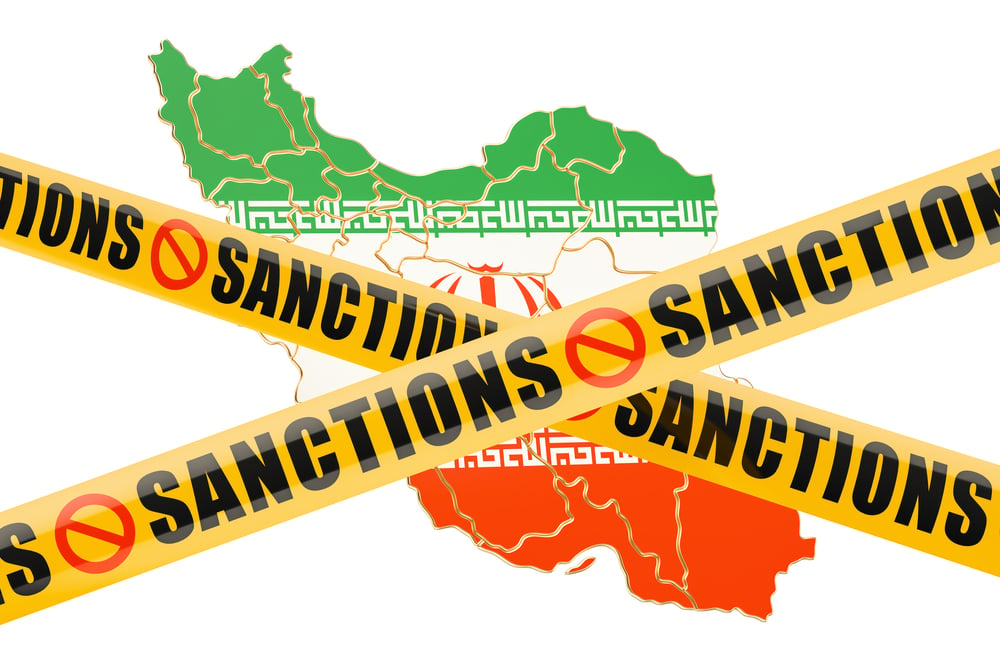
Prefatory Note: The post below is a slightly modified version of an interview published in The Nation on September 25th, following the September 14th attack on Saudi oil facilities. It follows a pattern with respect to Iran of accusations, denials, and public uncertainties. This combination of elements, given the leadership in Washington and Tehran, one blustering, the other inflexible, can easily produce an unintended stumble into war. A second shorter interview is appended, conducted prior to the attacks by an Iranian journalist, M.J. Hassani of Tasnim News Agency. It illustrates the seeming rigidity of Iran’s Supreme Guide, considered as having the final word on government policy, exceeding that of the elected leadership. Originally posted on Richard Falk’s personal blog on October 1, 2019, here Daniel Falcone Introduction to the Interview: After accusations of Iranian drone attacks on Saudi oil facilities, Iranian officials and authorities indicated that “full-fledged war” with the United States could...
sustainable-development-and-the-earth-charter-23-728
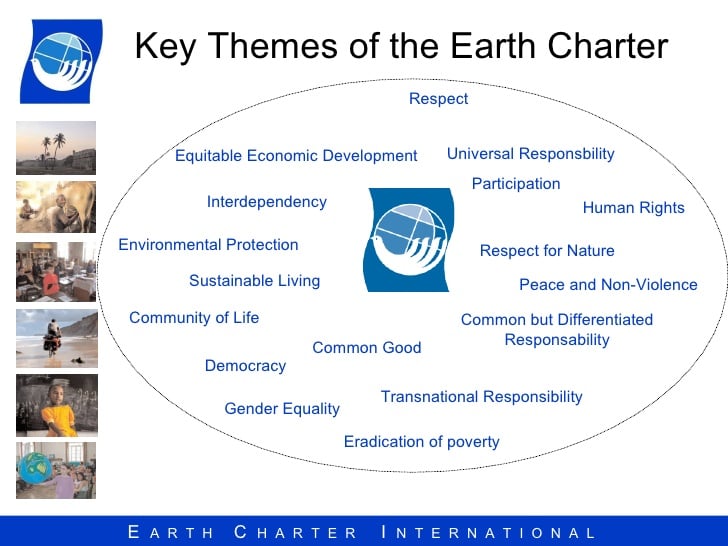
Prefatory Note: The following essay will appear as a chapter in Peter Burden & Klaus Bosselmann, eds., The Future of Global Ethics (Edward Elgar, 2018),  with the title: Revisiting the Earth Charter 20 Years Later: A Response to Ron Engel Ron Engel has articulated an insider review of the Earth Charter so thoughtfully, urbanely, and persuasively that my initial temptation was to restrict my response to a single word: ‘Amen!’ Yet I am familiar enough with the academic ways of gathering diverse voices to explore a topic or to evaluate the scholarship of a distinguished author, as to discard my one-word option. At the same time, it would be misleading if I didn’t praise Ron Engel for putting so many elusive issues before us in such a lucid and compelling manner as to make my efforts at dialogue feel a bit forced, given the high level of agreement. Originally posted on...
ChurchWindow
By Chas W. Freeman, Jr October 9, 2019 There is currently a good deal of hysteria here in Washington about something called “authoritarianism” allegedly taking the offensive against democratic systems of government.  A century ago, imperialists, colonialists, fascists and communists did indeed articulate theories about their superiority to democracy and seek to impose autocratic systems of government on others.  In World War II and the Cold War, ideology played almost as large a role as geopolitics. Originally posted on Consortium News on October 4, 2019 here Today there are plenty of countries in the grips of autocratic regimes, but there are none propagandizing on behalf of autocracy or “authoritarianism.”  The international appeal of authoritarian systems of government, if any, derives from the extent to which they deliver prosperity and domestic tranquility to their citizens.  In the case of China, this is considerable – vastly superior so far to democratic India,...
global-climate-strike-protesters-1200x853
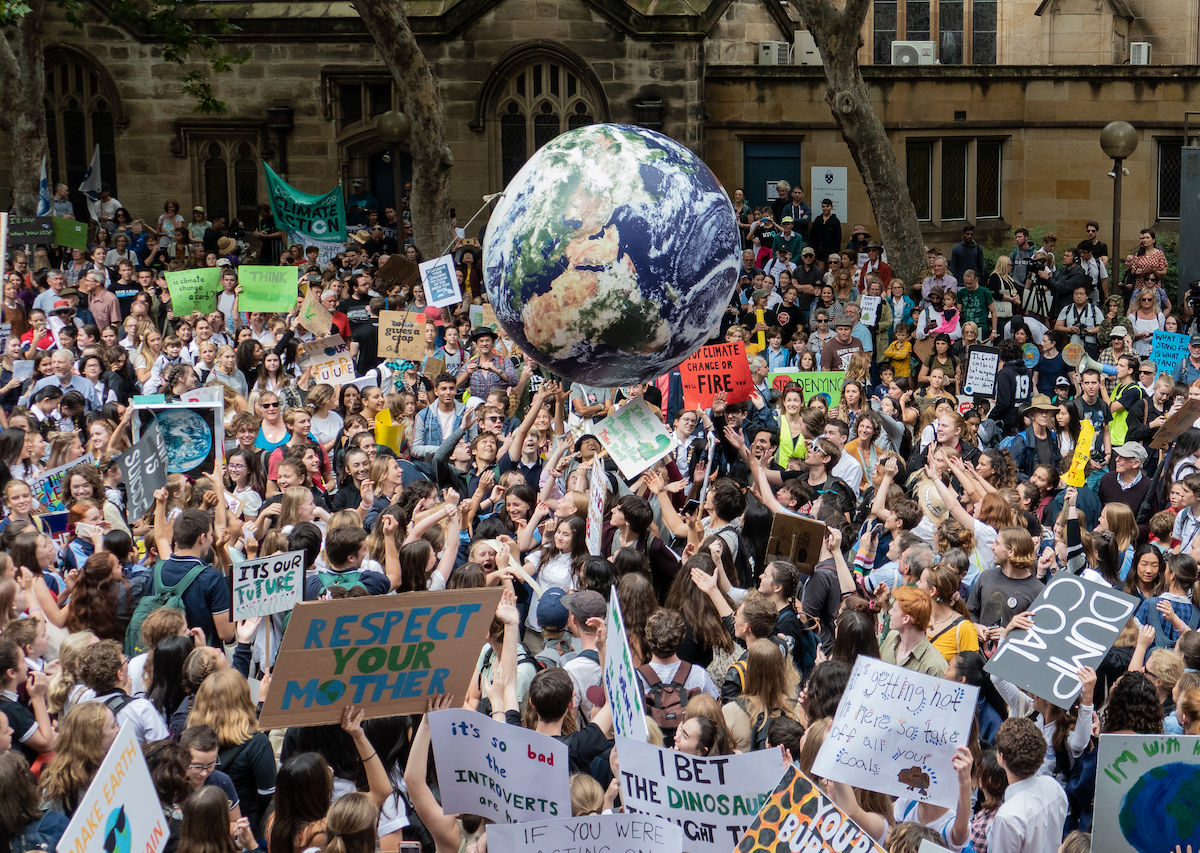
Prefatory Note: The post below of my remarks at the opening session of the Maker Majlis Conference, College of Islamic Studies, Hamed Bin Khalif University (HBKU) in Doha, Qatar on 22 Sept 2019. The theme of the three-day conference was on the role of youth in furthering the UN process associated with the 17 Sustainable Development Goals, SDGs (as further clarified by 169 targets), ambitiously set to be achieved by 2030. The massive Global Climate Strike on 20 September seemed to have similar intentions to conference, that is, how to explain and  overcome the absence of political will on the part of the governments of the world, none more lacking in this respect than the U.S. Government, with respect to the ecological agenda of the world, with particular consideration of climate change threats and harms. This civil society challenge from below, transnationally and inspired and organized by youth, offers us...
xjp-iranrowhani-705x437
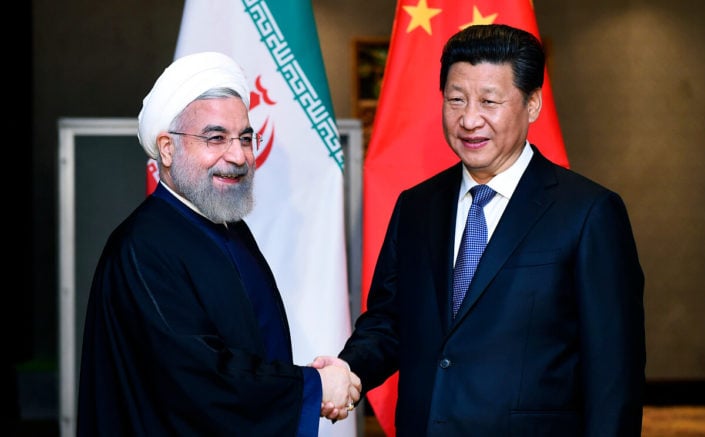
By Sabena Siddiqui September 20, 2019 Facing an economic crisis in large part due to US sanctions, Iran soon may be aligning its policies toward China’s. Having recently updated the terms of a 25-year strategic partnership signed with Beijing in 2016, it looks like Tehran is indeed returning to its Look East foreign policy. Originally posted on Al-Monitor’s website September 17, 2019 here Considered an important player in Chinese President Xi Jinping’s Belt and Road Initiative (BRI) megaproject, introduced in 2013, Iran has been pursued by Beijing for its energy resources and strategic location. But when economic sanctions on Iran were lifted under the Joint Comprehensive Plan of Action (JCPOA) nuclear deal in 2015, Iran preferred to do business on a global basis. Instead of committing to an eastward-looking foreign policy at that time, Tehran tried to maintain a balance. However, since the United States withdrew from the nuclear deal in May 2018, Europe...
Fascism-1
A new book I would like to announce the publication of a new book, entitled “Fascism, Then and Now”. It can be freely downloaded here. Please circulate the link to your friends who might be interested. Parallels between fascism of the 1930’w and neo-fascism today There are many extremely worrying similarities between fascism in Europe in the 1930’s and the neo-fascism that we can see around us today. For example, Donald Trump, according to his first wife, kept a book of Hitler’s speeches beside his bed, and studied it thoroughly. Today, he imitates Hitler’s rhetoric, as is discussed in Appendix A. The white supremacist supporters of Donald Trump have revived Nazi ideology, language and symbols. Neo-fascism and neo-Nazism are not confined to the United States, but exist in many countries. Why was Germany allowed to rearm during the period before World War II? Chapters 1 and 2 of this book...
RichardFalk
The World Order Backdrop Arguably, even before the atom bomb was dropped on Hiroshima, there was a widespread sense that a state-centric form of world order was morally and functionally deficient in certain fundamental respects. Political actors were indifferent to the outbreaks of war, disease, and famine outside of their sovereign territory absent serious extraterritorial reverberations. At the same time lesser states were vulnerable to the manipulations and territorial/imperial ambitions of leading states that generated colonialism, interventions, and sustained an exploitative Europeanization of world order. Originally posted on Richard Falk’s blog Citizen Pilgrimage on September 5, 2019, here World War I with massive casualties, closely followed by the Russian Revolution, which posed a normative challenge to the capitalist/market– driven organization of national societies, led to some groping toward a new global order taking the institutional form of the League of Nations. It became soon obvious that the League, a project...
shutterstock_714035503
By Kevin Cashman and Cavin Kharrazian Iranian foreign minister Mohammad Javad Zarif recently visited the Group of Seven (G7) at the invitation of French president Emmanuel Macron, in what was seen as an overture to the Trump administration to negotiate over sanctions that have plagued the Iranian economy. Back in 2018, after months of increasingly hostile rhetoric, the US government withdrew from the Joint Comprehensive Plan of Action (JCPOA), or “Iran Deal,” and imposed a “maximum pressure” campaign that included unilateral, economy-wide sanctions. The Iran Deal was an agreement that provided Iran relief from existing sanctions in exchange for limits on its enrichment of uranium, among other concessions. These sanctions hampered trade between the European Union, whose leaders have sought to salvage the Iran Deal. Originally posted on September 1, 2019, on the Center for Economic and Policy Research (CEPR) here When President Trump reimposed sanctions in November 2018, it cut off...
cropped-120302-asylum-seekers
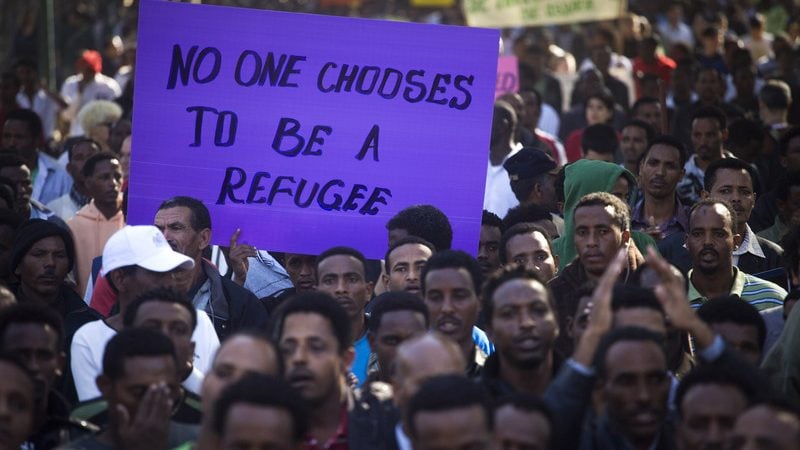
Somebody once said that courage is when you do something today you wouldn’t dare doing yesterday. That is why I decided to express my opinion whereas normally I would choose – wisely – to restrain my lips. Have you ever had an opportunity to speak with your friends about migrants and mass immigration? Especially with your international friends living in different parts of the world and changing their residence like migrating birds? How do you explain your views if they differ from the usual, dominating or politically correct one? Or, how do you actually explain that you are against immigration without risking being categorized as a racist? During my latest visit to Switzerland, while conversing with a friend about many topics including politics, somehow we started discussing immigration. My friend’s opinion was that Swiss people may seem cold and distant, but in reality they are very open-minded and friendly to...
f9ab5ce2-7d30-11e9-8126-9d0e63452fe9_image_hires_053908
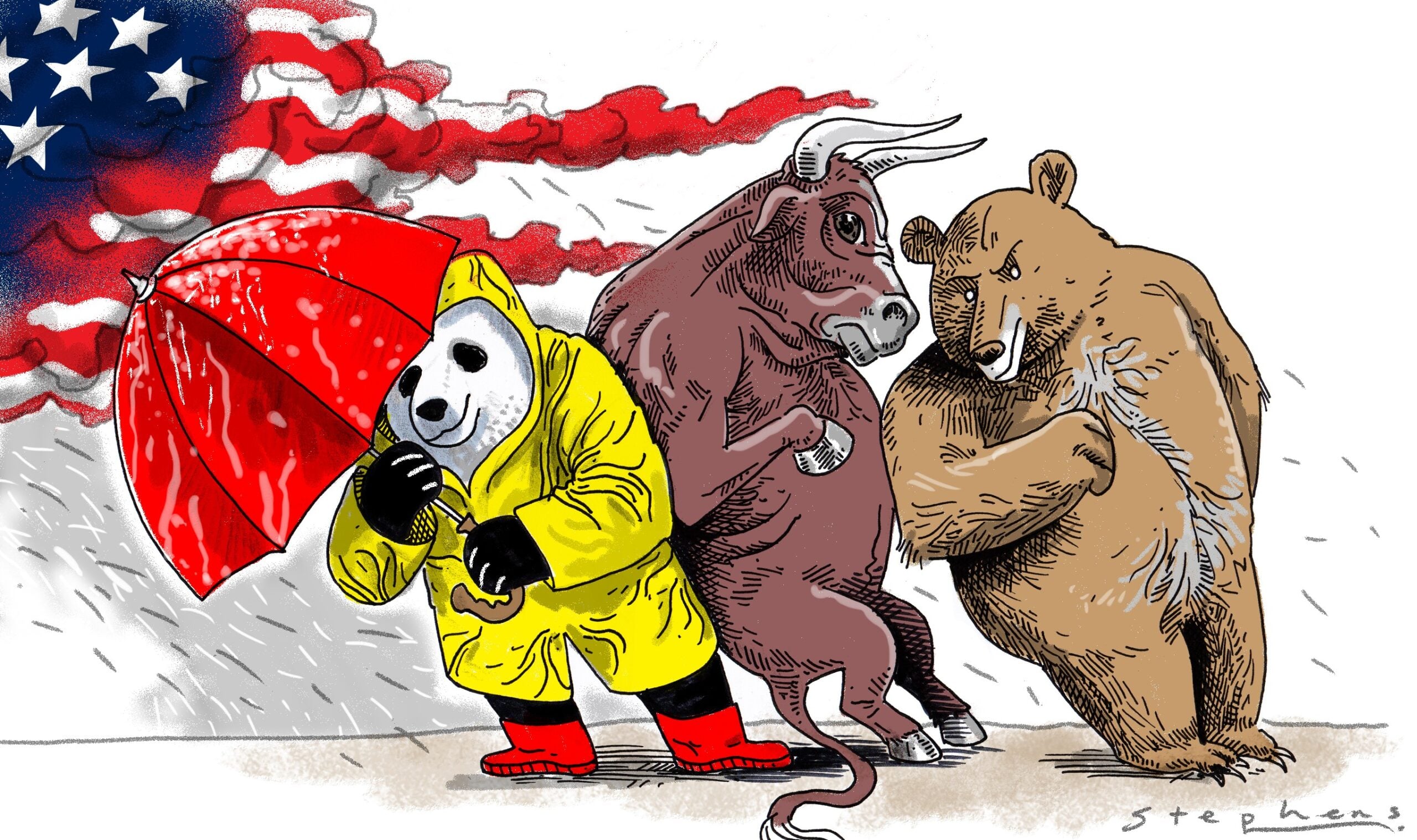
Illustration by Craig Stephens, South China Morning Post By Christopher Black July 26th 2019 On June 4th the Chinese government issued a travel alert for Chinese tourists thinking of visiting the United States, a day after it issued a similar advisory to Chinese students thinking of studying in the US over concerns for their safety and security. Chinese in the US are reporting harassment and interrogations by US immigration authorities and many now have the impression they are not welcome in the US. Originally posted on Global Research on June 10, 2019 here The Global Times, speaking on behalf of the government stated, “The Chinese people find it difficult to accept the fact that they are being taken as thieves. The US boasts too much superiority and has been indulged by the world. Due to its short history, it lacks understanding of and respect for the rules of countries and laws...
The-enlargement-of-NATO-1949-2018_cropped_3x2
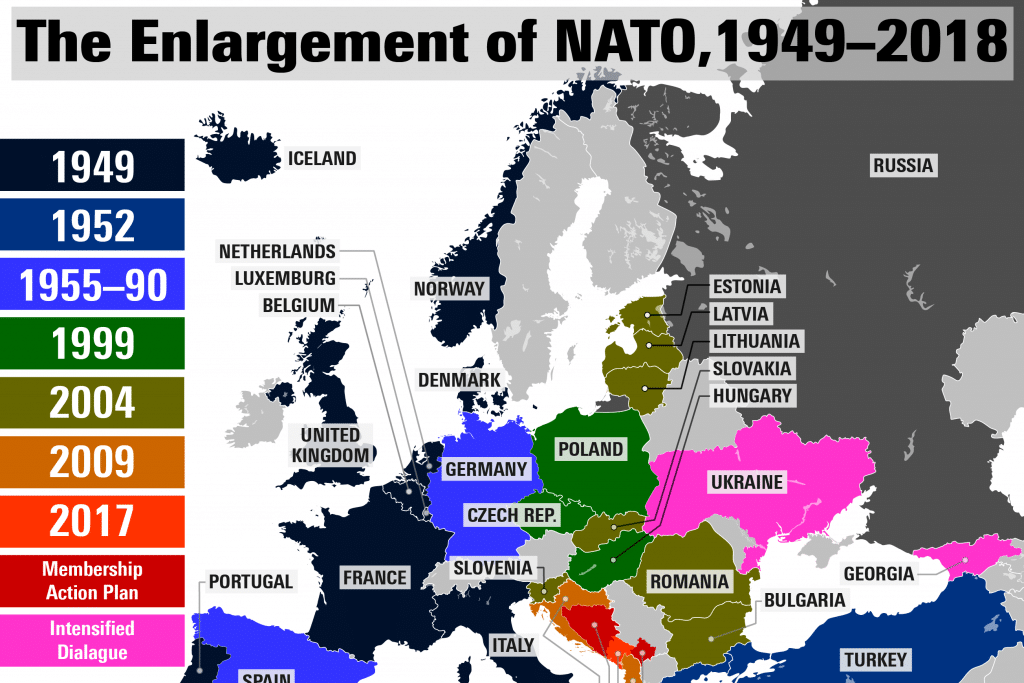
By Gordon M. Hahn July 25, 2019 NATO expansion has contributed to the causal matrix of two wars: the 2008 Georgian-South Ossetiyan/Russian Five-Day War and the ongoing Donbass civil war. The West’s April 2008 promise that both Georgia and Ukraine will become NATO members encouraged Georgian nationalism and Saakashvili’s war in South Ossetiya and consequently led to Georgia’s de facto loss of its South Ossetiyan as well as Abkhaziyan territories. Originally published on Gordon M. Hahn homepage – while Poroshenko was still president. Similarly, NATO expansion encouraged the rise of ultranationalism in Ukraine, especially western Ukraine, and the ultra-nationalist-led February 2014 Maidan revolt, leading to Ukraine’s loss of Crimea and civil war in eastern Ukraine’s Donbass regions of Donetsk and Luhansk. NATO expansion now is poised to help re-start the Donbass civil war or spark a larger Ukrainian civil war (and/or similar conflicts involving Moldova and its breakaway republic of...
Categories

Year

Author / Contributor

Region