Global Development

Category

Year

Author / Contributor

Region

Sort by

Showing 1-10 of 75 stories

ChatGPT Image 9 jun 2026, 11_11_33
The world is supposed to be pulling together to defeat the Coronavirus and to some extent it is. Earlier on Russia sent special equipment to the US and recently the US has sent some to Russia. China has aided Italy and Africa with doctors and equipment. Tiny Cuba, with its deep pool of doctors, has also helped Africa. Around the world there is a sense of “we are all in this together” and that this is a bigger problem than the ones the world has faced since World War 2. The last two days the World Health Organization has brought all the world’s countries together to discuss how to go forward. Both the US and China, to a degree, have messed things up. President Donald Trump has been vicious in his attacks, suggesting Chinese culpability for spreading the virus. (He’s forgotten how the US incubated AIDS, an even greater killer....
JOAtInstallation_1000_72dpi
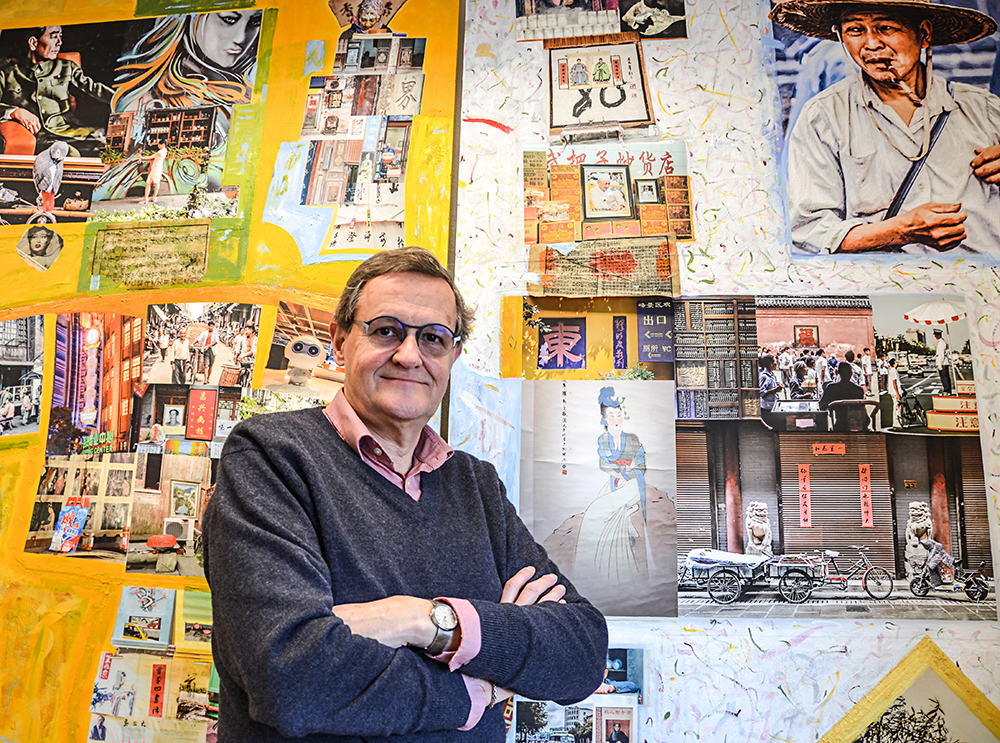
The author in front of a part of his photo-based, multi-media installation, “Silk Peace Art Road – SPAR” which was exhibited at the Venice Biennale 2019 and will be shown in China 2020. Yesterday, The Necessary Teacher Training College, DNS, in Denmark held its annual conference on peace and justice. As a couple of times before, I had the honour of being invited to be the keynote speaker. Because of the Coronavirus, it was online and not onsite – and I had produced the lecture in advance and then there was a Q&A session in the afternoon via Zoom. The two-part lecture is now on TFF’s Vimeo Channel here: Part 1 Part 2 The discussion that followed after group work If you found this lecture interesting or useful, please help us do more in the future. Remember, TFF is 100% people-financed and therefore completely independent of the government and corporate...
earthmask-1024x623-1
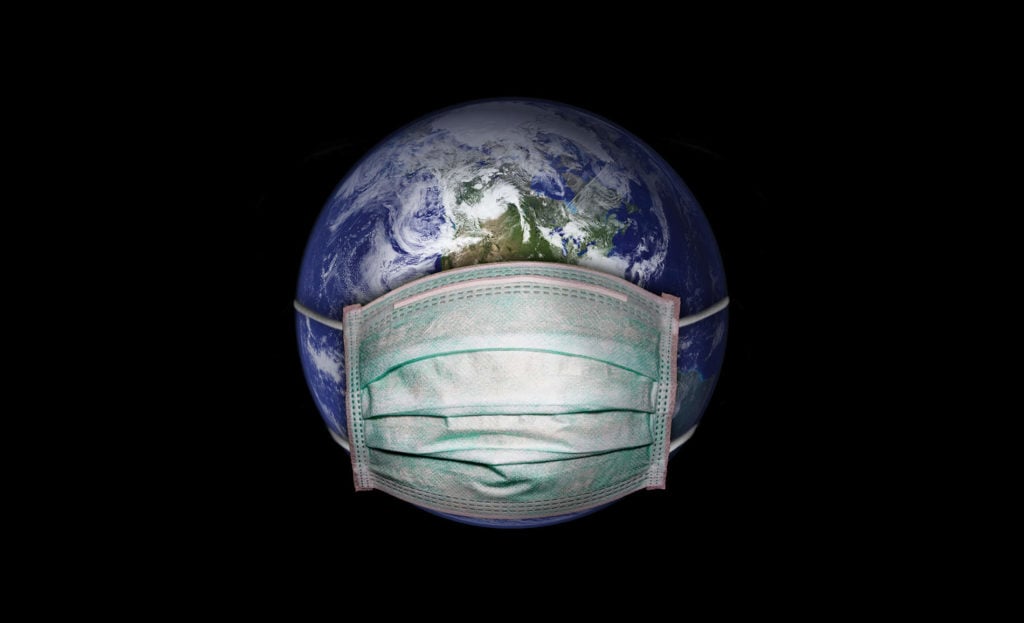
Part 1 Governments have spent trillions on preparing for military threats created by their own policies. No one prioritised human and societal security. The unique over-reaction to COVID-19 should worry us much more than the virus itself. It can be seen as a panicky attempt to cover-up the failure of an outdated militarist security policy. #coronaissecuritypolitics Part 2 of this series • Part 3 • Part 4 Jan Oberg April 2, 2020 The Coronavirus is a comparatively small killer Over the last 3 months, about 40.000+ people have died worldwide because of (or with) the Coronavirus. No other phenomenon in contemporary history has caused so many drastic decisions in democratic and authoritarian governments alike as thi pandemic. Constitutions, a series of freedoms, including the freedom of movement, and much else have been suspended and new emergency laws passed fast enough to qualify for the Guinness World Records. Not to diminish...
XxjidwE005001_20170517_BNMFN0A004_11n
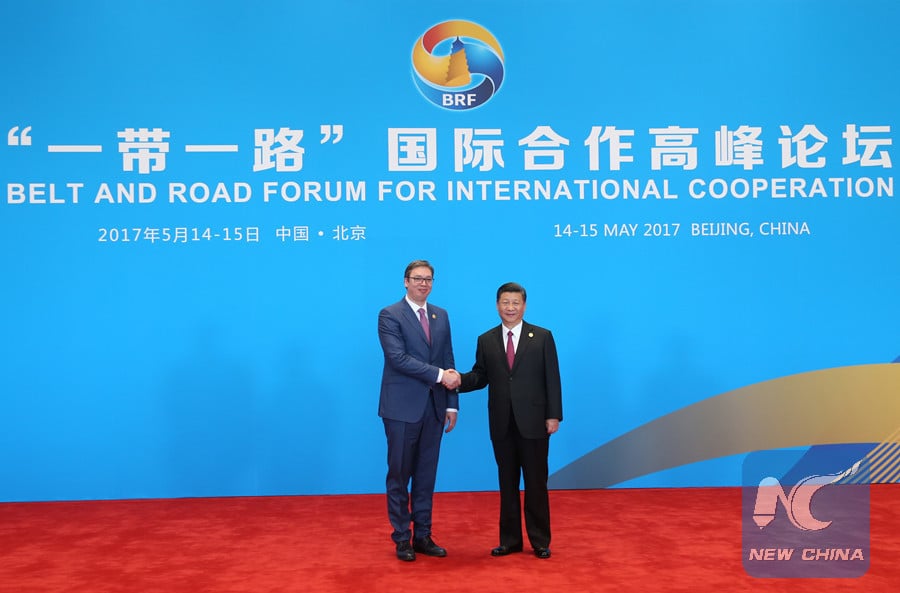
Zivadin Jovanovic* March 25, 2020 The time of adjustment The world is undergoing a period of great development, great change, and adjustment. The international order is changing with the acceleration. The fall of the Berlin Wall thirty years ago (1989) has marked the end of the bipolar World Order. The “winners” of the Cold War adopted a policy of expansion, interventionism and domination. NATO illegal aggression on Yugoslavia 1999 represented the peak of uni-polar world order but, also, the beginning of its downfall. Today, the process of multi-polarization of global relations has already gone far beyond the point of no return. It is impossible any longer that any single power imposes own will or own interests above the will and interests of the others. The driving forces of this historic transformation towards the world of equals, shared responsibilities and community of shared future are China, Russia and other countries of...
Abby-Brockway
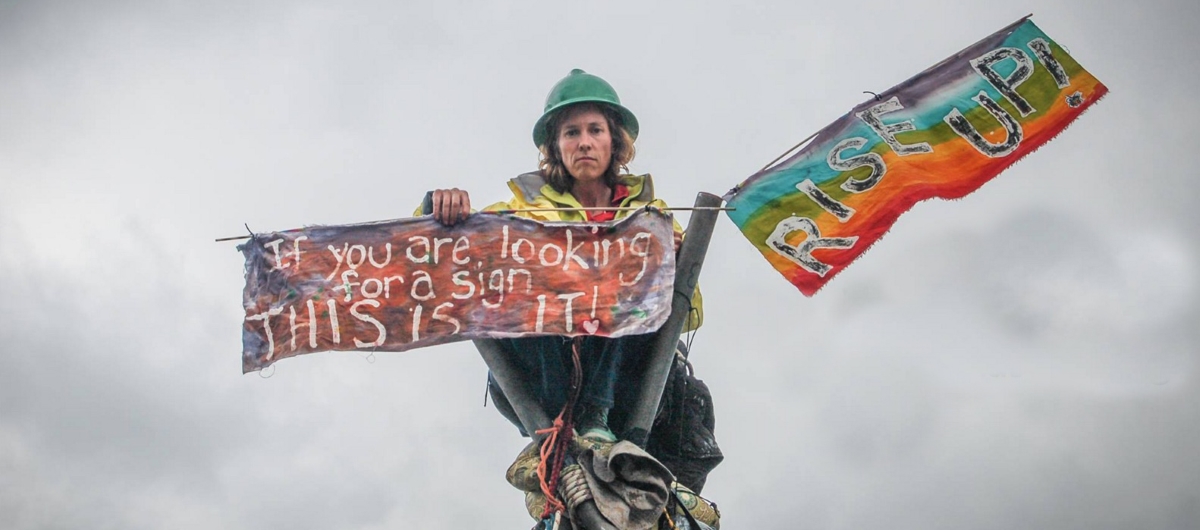
Jeff McMahon March 20, 2020 In a new book, the woman who led the negotiations for the Paris Agreement calls for civil disobedience to force institutions to respond to the climate crisis. Originally posted on Transcend.org on February 24, 2020, here “It’s time to participate in non-violent political movements wherever possible,” Christiana Figueres writes in “The Future We Choose: Surviving the Climate Crisis,” which will be released tomorrow by Knopf. Figueres served as executive secretary of the United Nations Framework Convention on Climate Change (UNFCCC) from 2010-16. She co-authored the book with her strategic advisor, Tom Rivett-Carnac. The two also support voting: “Large numbers of people must vote on climate change as their number one priority,” they write. “As we are in the midst of the most dire emergency, we must urgently demand that those who seek high office offer solutions commensurate with the scale of the problem.” But they...
mills-1
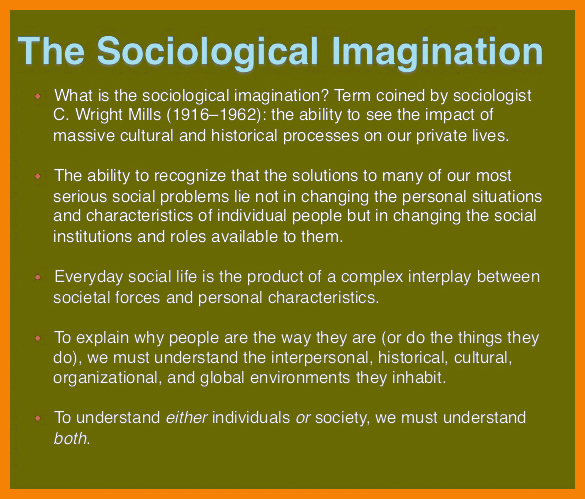
Bits of the sociological imagination at work By Jan Oberg March 5, 2020 Researchers are citizens too – some with a sociological imagination Like everybody else, social scientists are citizens. We live a private life and a professional life and there is a tradition-based rule of thumb that the two should be kept apart in writing – like: ”Oh, the things I experience in my private sphere are just small issues that probably only I have encountered; my scattered everyday observations are not interesting or “scientific” so I ought not bother others with them.” But wait! Isn’t it part of a social scientist’s writing to be concrete, build on empirical facts and observations? To tell how it really is also on the micro-level – also when s/he does not attempt to develop big explanatory theories around such unsystematic observations or try to prove something empirically? Isn’t it important to observe...
soldiersnature
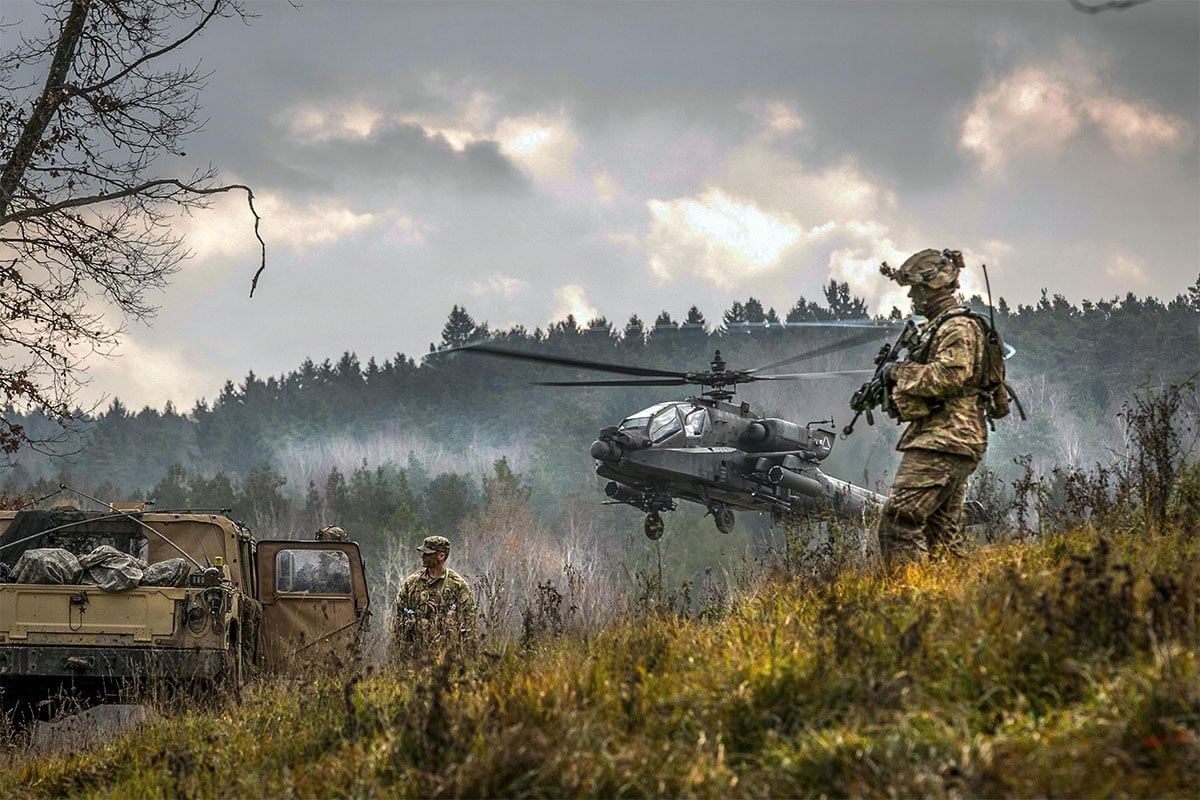
Today TFF launches “Bootprint – Militarism and Environment” – a curated, free-of-charge online magazine that brings you quality knowledge about the connections between the two most urgent problems that humanity faces. These two main clusters of problems which, if not solved, threaten to destroy humanity, our Earth and all future potentials are: Environment – with catchwords such as climate change, global warming, CO2 footprint, non-sustainability, pollution, resource depletion, species extinction, variety and diversity reduction, rain forest destruction, overconsumption, fossil fuels economy, limitless material growth, etc. etc. – and Militarism – with catchwords such as warfare, nuclear weapons, arms production and trade, militarization of land, air, space and oceans, tension creating, interventionism, base networks, terrorism, cyber and propaganda warfare, other weapons of mass destruction, special forces operations, intelligence agency crimes, imperialism, etc. The two clusters a fundamentally connected – militarism is enormously destructive of the environment; climate change and other processes...

ChatGPT Image 9 jun 2026, 11_11_33
and 2016 the average income of the bottom 50% of earners in the world nearly doubled. Direct interventions like building more schools, clinics and hospitals, countering child mortality and deadly diseases, feeding the hungry when famine or floods decimate vast areas, spreading the use of vaccinations and contraception, and preventing malaria have had the most impact. Over the long-term economic growth is important if development is to proceed without foreign aid. Growth does produce more of the wherewithal for government social and development programs – if a government so decides. But we cannot rely just on growth to improve peoples’ lives. China and India have both had periods of high growth, but now are slowing. Is this inevitable or is it, as in China, just a maturing of the economy? This export-led economy can’t grow its exports faster than the world economy is growing. In India, after a 30 year...
the-new-confessions-of-an-economic-hit-man-5370946-1-638
By John Perkins February 08, 2020 John Perkins describes the methods he used to bribe and threaten the heads of state of countries on four continents in order to create a global empire and he reveals how the leaders who did not “play the game” were assassinated or overthrown. He brings us up to date about the way the economic hit man system has spread from developing countries to the US, Europe, and the rest of the world and offers a strategy for turning this around. “Each of us,” he says, “can participate in this exciting revolution. We can transform a system that is consuming itself into extinction into one that is sustainable and regenerative.” This video was originally posted on TEDx Talks Youtube Channel on June 24, 2016, here If you think this type of critical analysis by a person who really knows is important… John Perkins’ books, including...
RichardFalk
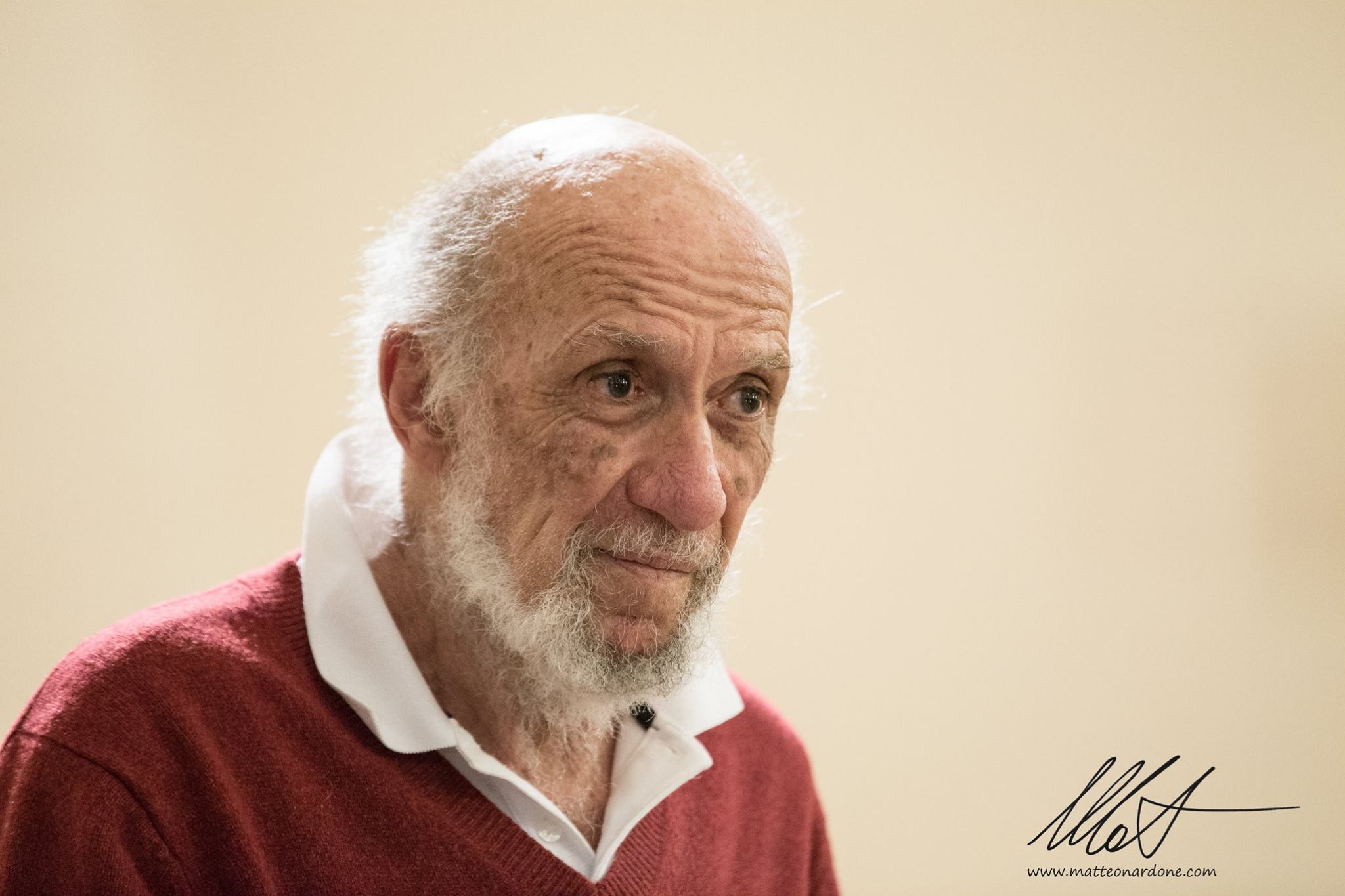
By Richard Falk, TFF Associate Januar 22, 2020 Prefatory Note: The post below is a somewhat amplified version of an interview with C. J. Polychroniou, journalist and professor of political economy at West Chester University, which was published on January 7, 2020, in the online journal, Global Policy. As the interview was conducted in December 2019, it fails to address the various disruptive consequences of the assassination of Qasem Soleimani, including the violation of Iraqi sovereignty, Baghdad being the site of the drone attack, as well as the risks of war arising from an escalating tit-for-tat cycle of actions and reactions. Given growing tensions between the interconnectedness of the world and the state-centric character of international law, including contradictions between totalizing and disregarding territorial sovereignty, state-centric world order is being increasingly marginalized by geopolitical behaviour that both generates and suppresses transnational political violence. A normative crisis with structural implications exists,...
Screenshot
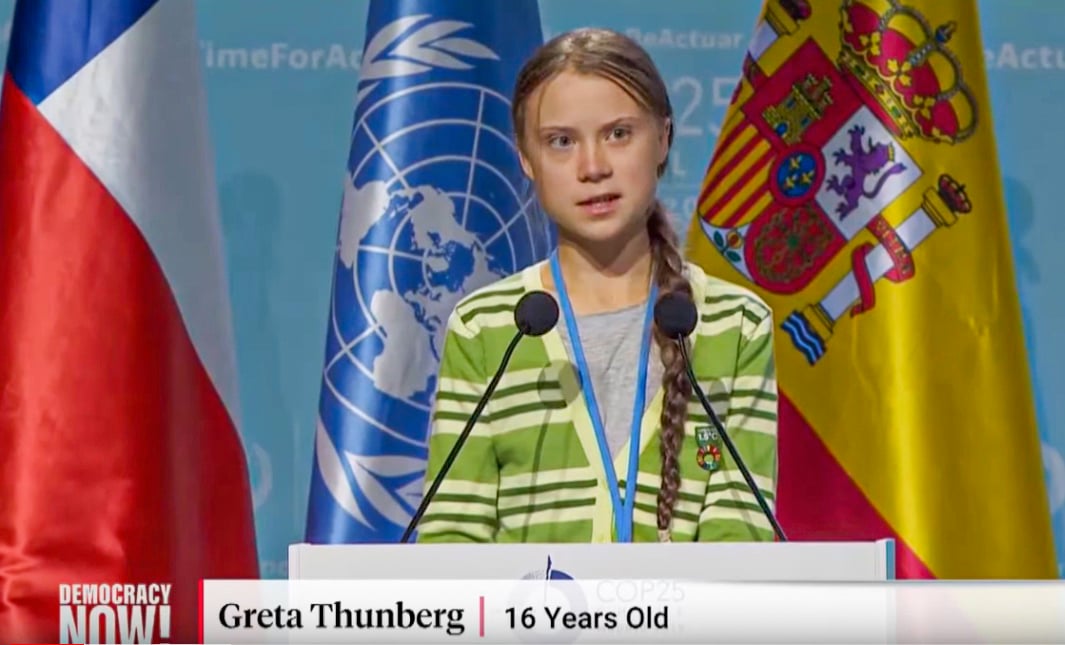
Here is a good backgrounder with her speech and an interview at COP 25 in Madrid: Greta Thunberg Slams COP25, Says Response to Climate Crisis Is “Clever Accounting and Creative PR” What she says in her intro is really important, important as a criticism of the world’s media: If she does not say something personal and emotional, few will listen. This fact-oriented speech has received much less media attention – proving her important point: When you speak facts, rely on research and appear “dull”, the media cannot get their satisfaction in terms of drama, individual story/identity, smashing superficial headlines and sensationalism. While one can certainly point out that she says less-thought-through things about democracy and the Free World towards the end of this speech, she is growing better and better – and she obviously knows more than anyone in decision-making positions. And in the mainstream media. Now, what does that...
fall-of-the-berlin-wall-
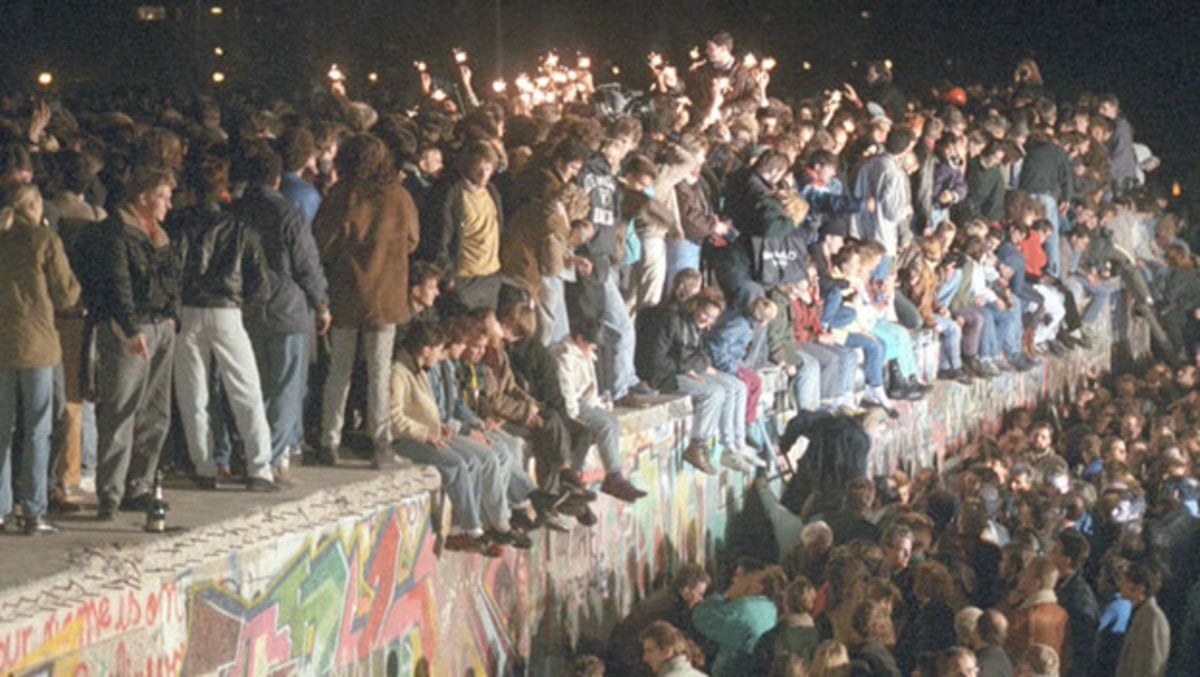
Austere “shock therapy” after the Cold War only shocked the East into reaction. In the West, the corporate political center ultimately did the same. By John Feffer November 18, 2019 The Berlin Wall fell 30 years ago. It was one of the few unambiguously joyous moments in modern history. This popular, nonviolent explosion of dissent effectively toppled East Germany’s despotic regime. And it signaled, if only symbolically, the end of the Cold War that had divided Europe for nearly half a century. Thirty years later, a united Germany remains far and away the largest economy in Europe (and the fourth largest in the world). Most of the countries of the former Warsaw Pact are members of the European Union, and their populations have seen dramatic improvements in living standards. After the horrendous bloodletting that tore apart Yugoslavia in the 1990s, the threat of war in Europe has again receded. Who...
Categories

Year

Author / Contributor

Region