Imagined/Real

Category

Year

Author / Contributor

Region

Sort by

Showing 1-10 of 72 stories

We-suffer-through-todays-a-difficult-complicated-and-partially-obfuscated-time
Photo: We suffer through today’s difficult, complicated and partially obfuscated time (Photo credit: wsimag.com) By Ellyn Kaschak October 3, 2020 It is hard to know where things began when we are already in the middle of it all. This is especially so as we suffer through today’s difficult, complicated and partially obfuscated time. Originally published at Wall Street International Perhaps the beginning occurred in 1865 when the American Civil War was officially declared ended, but continued to seethe in less organized ways. Maybe the declaration by the American government in the 1950’s that Italians, Irish and Jewish people were now suddenly and irrevocably considered to be White is part of it. Perhaps some more seeds were planted during the presidency of Ronald Reagan or carefully cultivated as a backlash to the first presidency of a Black man, Barack Obama. The causes of and connections to the current multiple crises are...
Vimeo
Världen efter Corona – konstruktivt Hur kommer världen att se ut de närmaste årtiondena?Vilka val har vi? Hur kan fred och rättvisa fortfarande bli möjliga? 11:e juni 2020 Jan Öberg I maj höll jag en internationell föreläsning i två delar om förändringarna i världsordningen och om hur framtiden kan bli bättre för oss alla. Den var på engelska. Jag har nu spelat in en svensk version, dock med viss anpassning här och där till svenska förhållanden och en svensk publik. Det är en föreläsning som var tänkt att hållas i Henåns Kulturhus för Fredsrörelsen på Orust, Nordens bästa. Men den fick ställas in med anledning av Coronan. Här har du den i två delar – som den också finns på på TFF:s Vimeo-kanal: Del 1 Del 2 Stort tack om du kan hjälpa sprida budskapet eller återanvända föreläsningen i dina sammanhang – t ex i seminarer, undervisningsförlopp eller på din...
PepeEscobar-1
Photo: Pepe Escobar The coming decade could see the US take on Russia, China and Iran over the New Silk Road connection May 18, 2020 Pepe Escobar The Raging Twenties started with a bang with the targeted assassination of Iran’s General Qasem Soleimani. Yet a bigger bang awaits us throughout the decade: the myriad declinations of the New Great Game in Eurasia, which pits the US against Russia, China and Iran, the three major nodes of Eurasia integration. Every game-changing act in geopolitics and geoeconomics in the coming decade will have to be analyzed in connection to this epic clash. The Deep State and crucial sectors of the US ruling class are absolutely terrified that China is already outpacing the “indispensable nation” economically and that Russia has outpaced it militarily. The Pentagon officially designates the three Eurasian nodes as “threats.” Originally published by AsiaTimes on January 16, 2020 Hybrid War techniques...
JOAtInstallation_1000_72dpi
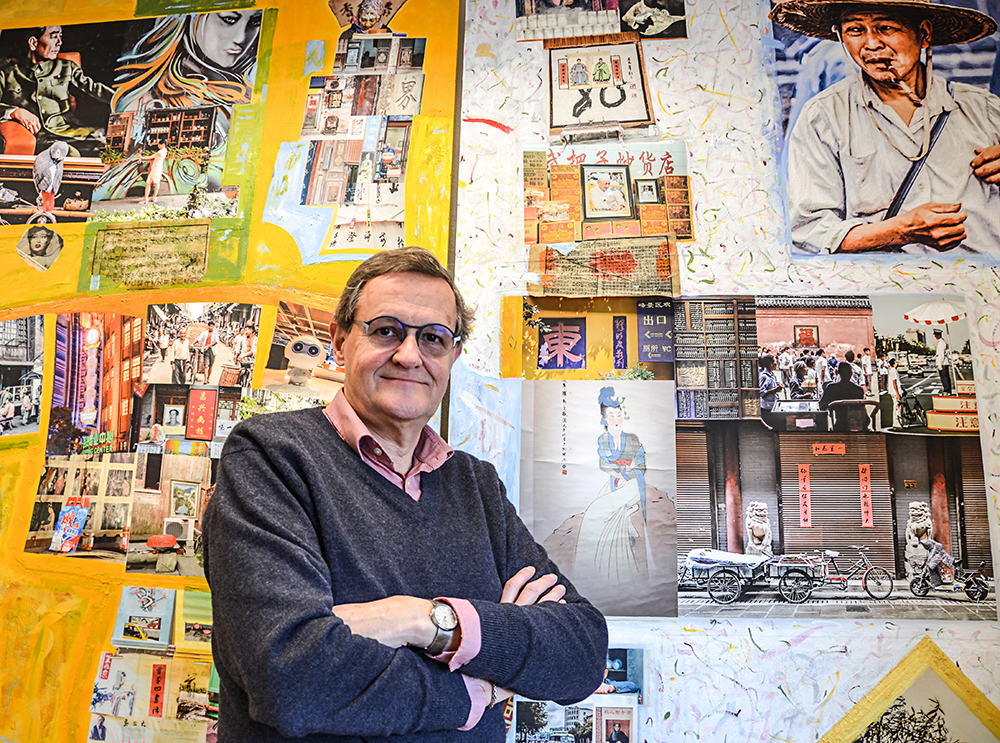
The author in front of a part of his photo-based, multi-media installation, “Silk Peace Art Road – SPAR” which was exhibited at the Venice Biennale 2019 and will be shown in China 2020. Yesterday, The Necessary Teacher Training College, DNS, in Denmark held its annual conference on peace and justice. As a couple of times before, I had the honour of being invited to be the keynote speaker. Because of the Coronavirus, it was online and not onsite – and I had produced the lecture in advance and then there was a Q&A session in the afternoon via Zoom. The two-part lecture is now on TFF’s Vimeo Channel here: Part 1 Part 2 The discussion that followed after group work If you found this lecture interesting or useful, please help us do more in the future. Remember, TFF is 100% people-financed and therefore completely independent of the government and corporate...
ShanghaiPanoPeople_Warped_Canvas_1200_100dpi
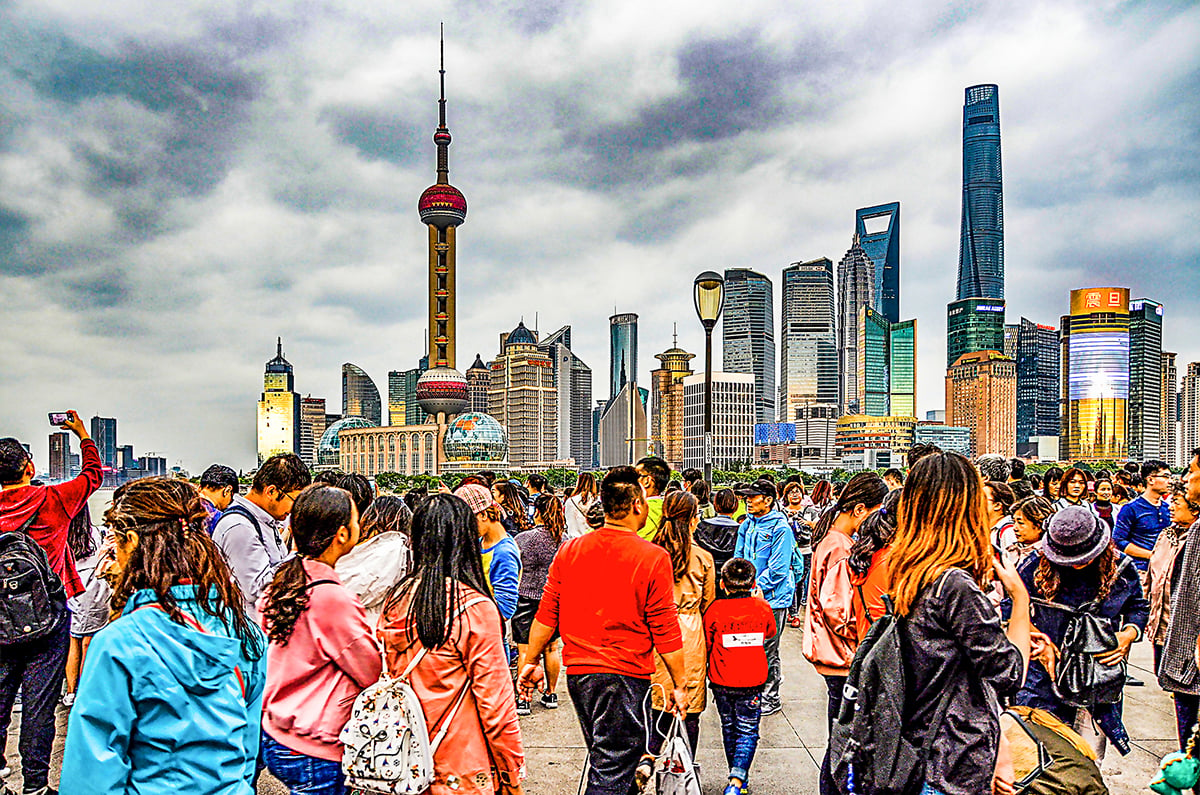
Photo – Jan Oberg Gordon Dumoulin May 5, 2020 People from abroad ask me lately how it is to be ‘back to normal’ in Beijing after the lockdown? A little introduction First of all we have not witnessed a strict lockdown here in Beijing such as in Wuhan, Hubei province, some other cities in China e.g. Hangzhou or even in Lombardy or Paris and Madrid. Even though we have not been forced to stay at home since the beginning, public life had been minimized in Beijing and we have resiliently stayed inside most of the time for our own safety, minimizing the risk of further outbreak and in solidarity with the people fighting at the battlefield. We have been subject to intense measure and data organisations to provide a bigger picture of the pandemic and virus, both through on-site checks of temperature and whereabouts and through high-tech with apps checking...
Screenshot
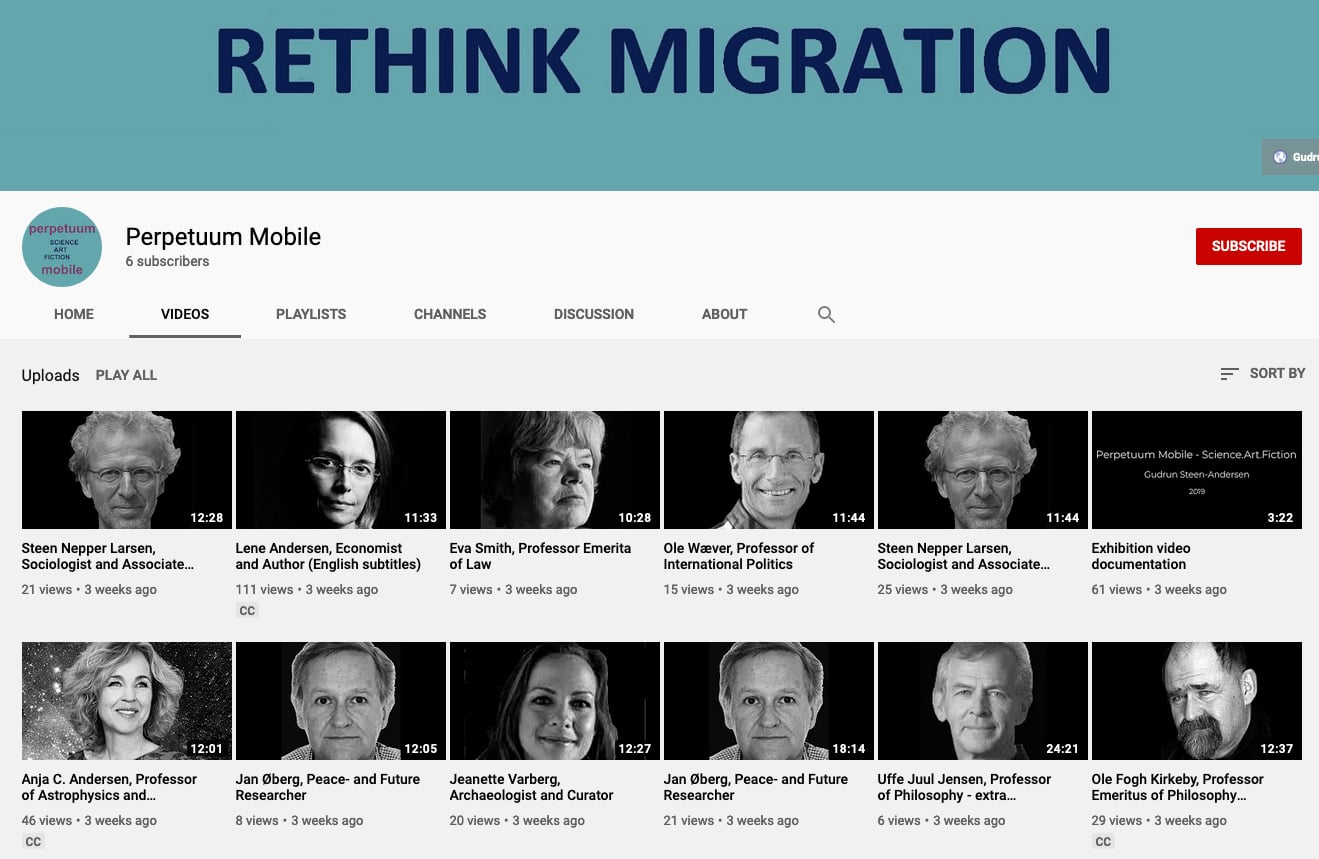
Jan Oberg April 30, 2020 Last year, the Danish artist Gudrun Steen-Andersen created a multimedia installation under the theme: “Perpetuum Mobile – What Would Happen If Migration Was Free Worldwide?” Naturally, it is a thought experiment – not the least in these times of multi-crisis where nationalism, xenophobia, populism and the building of walls seem to have emerged as just another – political – virus way before the Coronavirus. The Danish-language version was made in 2019 and in March this year, we repeated – more or less, that is – the video lectures in English. It was about the time when the Coronavirus had just begun its race to the top of the global agenda. You’ll find them all the videos here or click on this: Steen-Andersen’s heuristic intention – somewhat in the tradition of the great future-thinker Robert Jungk’s future workshop – was realized through her own amazing installation...
Abby-Brockway
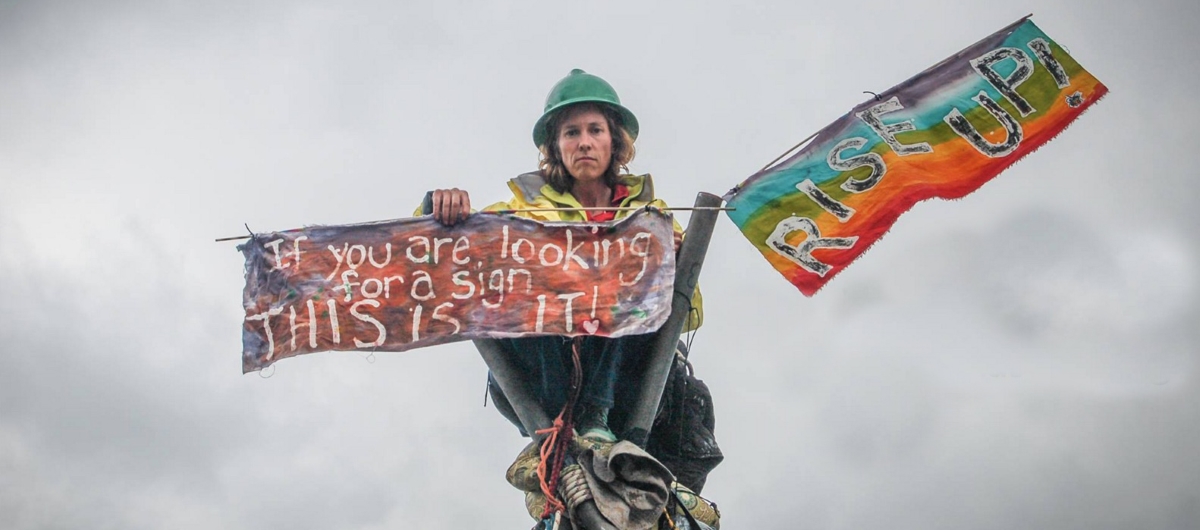
Jeff McMahon March 20, 2020 In a new book, the woman who led the negotiations for the Paris Agreement calls for civil disobedience to force institutions to respond to the climate crisis. Originally posted on Transcend.org on February 24, 2020, here “It’s time to participate in non-violent political movements wherever possible,” Christiana Figueres writes in “The Future We Choose: Surviving the Climate Crisis,” which will be released tomorrow by Knopf. Figueres served as executive secretary of the United Nations Framework Convention on Climate Change (UNFCCC) from 2010-16. She co-authored the book with her strategic advisor, Tom Rivett-Carnac. The two also support voting: “Large numbers of people must vote on climate change as their number one priority,” they write. “As we are in the midst of the most dire emergency, we must urgently demand that those who seek high office offer solutions commensurate with the scale of the problem.” But they...
us-china-relations
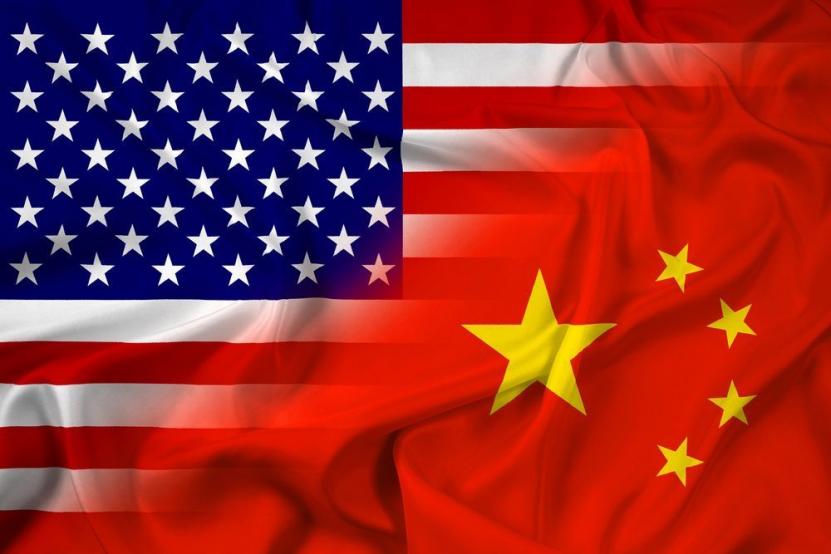
Ambassador Chas W. Freeman, Jr. (USFS, Ret.) Senior Fellow, Watson Institute for International and Public Affairs, Brown University Washington, DC  29 November 2018 Ladies and Gentlemen: You have asked me to say a few words about China’s rise and its role in the post-American world.  There is a lot of nonsense being voiced on this topic at present.  It’s timely to address it.  I played a minor part in the original opening of China to the West.  Somewhat like Leonard Zelig or Forrest Gump in other contexts, over the course of fifty years as China returned to wealth and power, I was often on or in the scene.   I am happy to share some impressions with you. Originally posted on Chas W. Freeman, Jr.’s personal blog on November 29, 2018 here After serving in India, working to keep China out of the United Nations, and studying Chinese in Taiwan, I...
mills-1
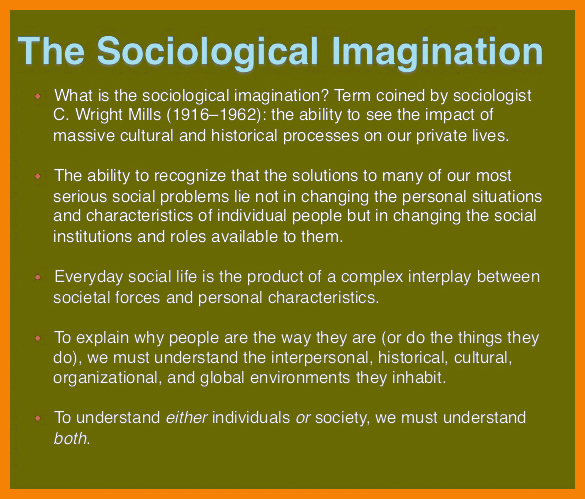
Bits of the sociological imagination at work By Jan Oberg March 5, 2020 Researchers are citizens too – some with a sociological imagination Like everybody else, social scientists are citizens. We live a private life and a professional life and there is a tradition-based rule of thumb that the two should be kept apart in writing – like: ”Oh, the things I experience in my private sphere are just small issues that probably only I have encountered; my scattered everyday observations are not interesting or “scientific” so I ought not bother others with them.” But wait! Isn’t it part of a social scientist’s writing to be concrete, build on empirical facts and observations? To tell how it really is also on the micro-level – also when s/he does not attempt to develop big explanatory theories around such unsystematic observations or try to prove something empirically? Isn’t it important to observe...
soldiersnature
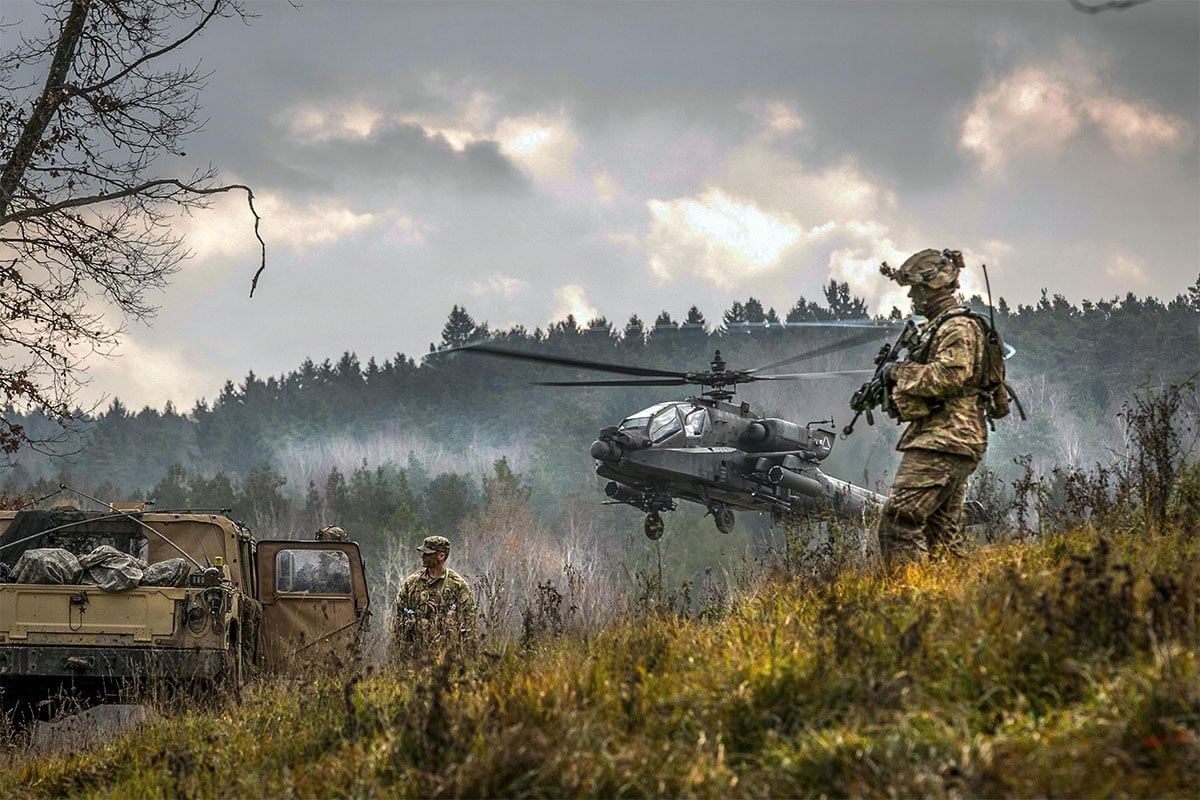
Today TFF launches “Bootprint – Militarism and Environment” – a curated, free-of-charge online magazine that brings you quality knowledge about the connections between the two most urgent problems that humanity faces. These two main clusters of problems which, if not solved, threaten to destroy humanity, our Earth and all future potentials are: Environment – with catchwords such as climate change, global warming, CO2 footprint, non-sustainability, pollution, resource depletion, species extinction, variety and diversity reduction, rain forest destruction, overconsumption, fossil fuels economy, limitless material growth, etc. etc. – and Militarism – with catchwords such as warfare, nuclear weapons, arms production and trade, militarization of land, air, space and oceans, tension creating, interventionism, base networks, terrorism, cyber and propaganda warfare, other weapons of mass destruction, special forces operations, intelligence agency crimes, imperialism, etc. The two clusters a fundamentally connected – militarism is enormously destructive of the environment; climate change and other processes...

RichardFalk
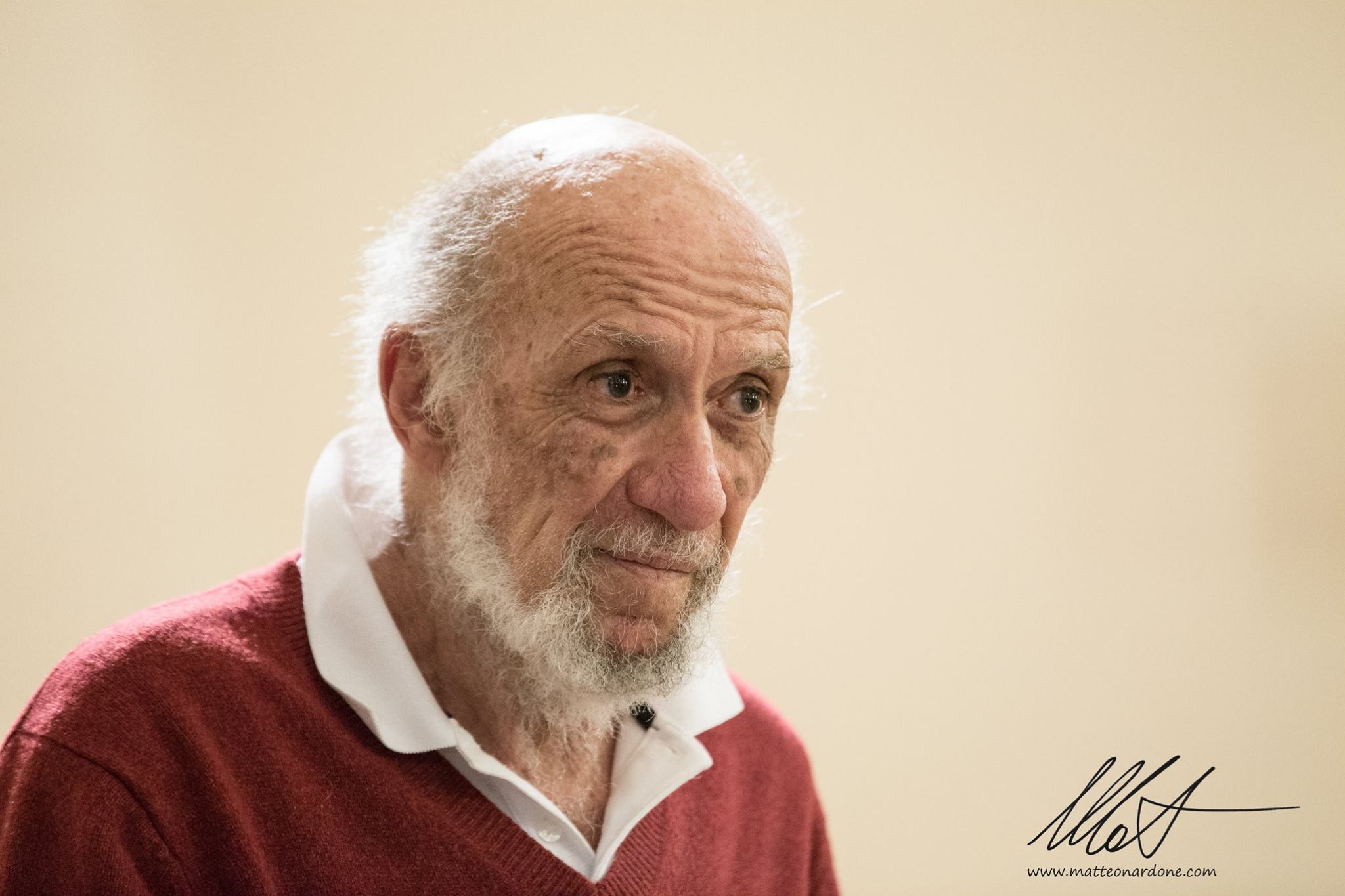
By Richard Falk, TFF Associate Januar 22, 2020 Prefatory Note: The post below is a somewhat amplified version of an interview with C. J. Polychroniou, journalist and professor of political economy at West Chester University, which was published on January 7, 2020, in the online journal, Global Policy. As the interview was conducted in December 2019, it fails to address the various disruptive consequences of the assassination of Qasem Soleimani, including the violation of Iraqi sovereignty, Baghdad being the site of the drone attack, as well as the risks of war arising from an escalating tit-for-tat cycle of actions and reactions. Given growing tensions between the interconnectedness of the world and the state-centric character of international law, including contradictions between totalizing and disregarding territorial sovereignty, state-centric world order is being increasingly marginalized by geopolitical behaviour that both generates and suppresses transnational political violence. A normative crisis with structural implications exists,...
Screenshot
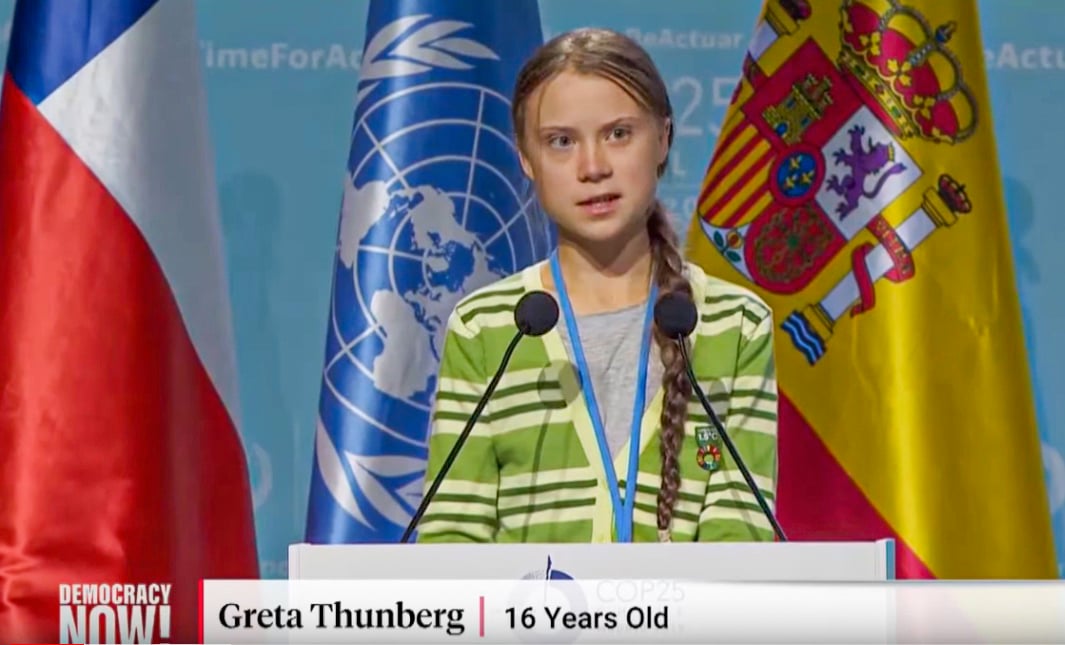
Here is a good backgrounder with her speech and an interview at COP 25 in Madrid: Greta Thunberg Slams COP25, Says Response to Climate Crisis Is “Clever Accounting and Creative PR” What she says in her intro is really important, important as a criticism of the world’s media: If she does not say something personal and emotional, few will listen. This fact-oriented speech has received much less media attention – proving her important point: When you speak facts, rely on research and appear “dull”, the media cannot get their satisfaction in terms of drama, individual story/identity, smashing superficial headlines and sensationalism. While one can certainly point out that she says less-thought-through things about democracy and the Free World towards the end of this speech, she is growing better and better – and she obviously knows more than anyone in decision-making positions. And in the mainstream media. Now, what does that...
Categories

Year

Author / Contributor

Region