Essays

Category

Year

Author / Contributor

Region

Sort by

Showing 1-10 of 106 stories

Vimeo
Världen efter Corona – konstruktivt Hur kommer världen att se ut de närmaste årtiondena?Vilka val har vi? Hur kan fred och rättvisa fortfarande bli möjliga? 11:e juni 2020 Jan Öberg I maj höll jag en internationell föreläsning i två delar om förändringarna i världsordningen och om hur framtiden kan bli bättre för oss alla. Den var på engelska. Jag har nu spelat in en svensk version, dock med viss anpassning här och där till svenska förhållanden och en svensk publik. Det är en föreläsning som var tänkt att hållas i Henåns Kulturhus för Fredsrörelsen på Orust, Nordens bästa. Men den fick ställas in med anledning av Coronan. Här har du den i två delar – som den också finns på på TFF:s Vimeo-kanal: Del 1 Del 2 Stort tack om du kan hjälpa sprida budskapet eller återanvända föreläsningen i dina sammanhang – t ex i seminarer, undervisningsförlopp eller på din...
pic-from-ecohustler-1080x675-1
Imagine, it is the year 2050 and we are looking back to the origin and evolution of the coronavirus pandemic over the last three decades.  Extrapolating from recent events, we offer the following scenario for such a view from the future. As we move into the second half of our twenty-first century, we can finally make sense of the origin and impact of the coronavirus that struck the world in 2020 from an evolutionary systemic perspective. Today, in 2050, looking back on the past 40 turbulent years on our home planet, it seems obvious that the Earth had taken charge of teaching our human family. Our planet taught us the primacy of understanding of our situation in terms of whole systems, identified by some far-sighted thinkers as far back as the mid-nineteenth century.  This widening human awareness revealed how the planet actually functions, its living biosphere systemically powered by the...
RichardFalk
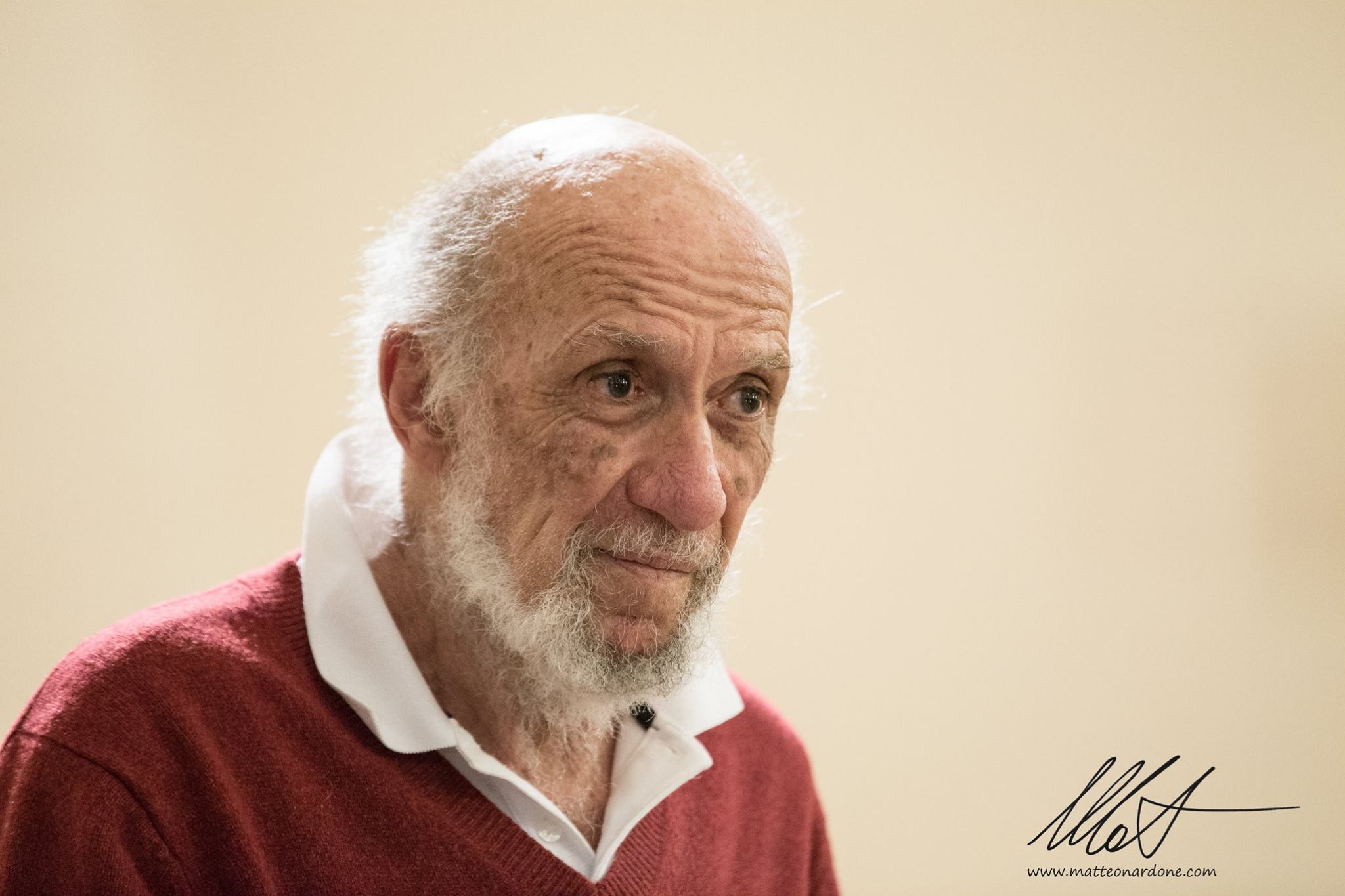
By Richard Falk, TFF Associate March 16, 2020 Prefatory Note This post is something new for me, an autobiographical fragment written at the request of an online listserv as a suggestive model for academics at the start of their careers as diplomatic historians. I publish it here on my blog. It was found unsuitable for publication by the group that made the initial solicitation for unspecified reasons. Maybe because my work and career were not relevant to the scholarly life of a diplomatic historian, maybe because I seemed too flaky professionally to serve as a heuristic model, maybe because what I wrote risked an angry reaction from those who have weaponized anti-Semitism as (mis)defined by the IHRA definition, maybe because…a hundred other good reasons, including what was most plausible, least paranoid, that I was in a different lane when it came to a scholarly career, making my condensed narrative a...
mills-1
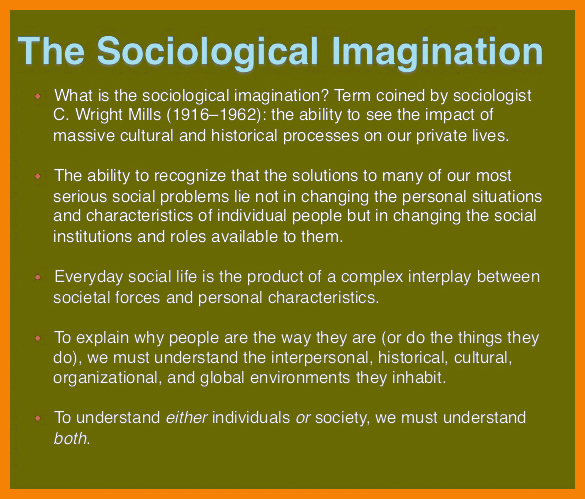
Bits of the sociological imagination at work By Jan Oberg March 5, 2020 Researchers are citizens too – some with a sociological imagination Like everybody else, social scientists are citizens. We live a private life and a professional life and there is a tradition-based rule of thumb that the two should be kept apart in writing – like: ”Oh, the things I experience in my private sphere are just small issues that probably only I have encountered; my scattered everyday observations are not interesting or “scientific” so I ought not bother others with them.” But wait! Isn’t it part of a social scientist’s writing to be concrete, build on empirical facts and observations? To tell how it really is also on the micro-level – also when s/he does not attempt to develop big explanatory theories around such unsystematic observations or try to prove something empirically? Isn’t it important to observe...
Imagen-thumbnail-The-Transnational
By Dean Baker Last month George Soros had a New York Times column arguing that Mark Zuckerberg should not be running Facebook. (Does the NYT reserve space on its opinion page for billionaires?) The gist of Soros’ piece is that Zuckerberg has made a deal with Trump. He will allow all manner of outrageous lies to be spread on Facebook to benefit Trump’s re-election campaign. In exchange, Trump will defend Zuckerberg from efforts to regulate Facebook. Originally posted in Counterpunch.org on February 18, 2020, here Soros is of course right. Zuckerberg has said that Facebook will not attempt to verify the accuracy of the political ads that it runs. This is a green light for any sleazebag to push the most outrageous claims that they want in order to further the election of their favoured candidate. This will almost certainly benefit Donald Trump’s re-election since the one area where he...
mussolinifist
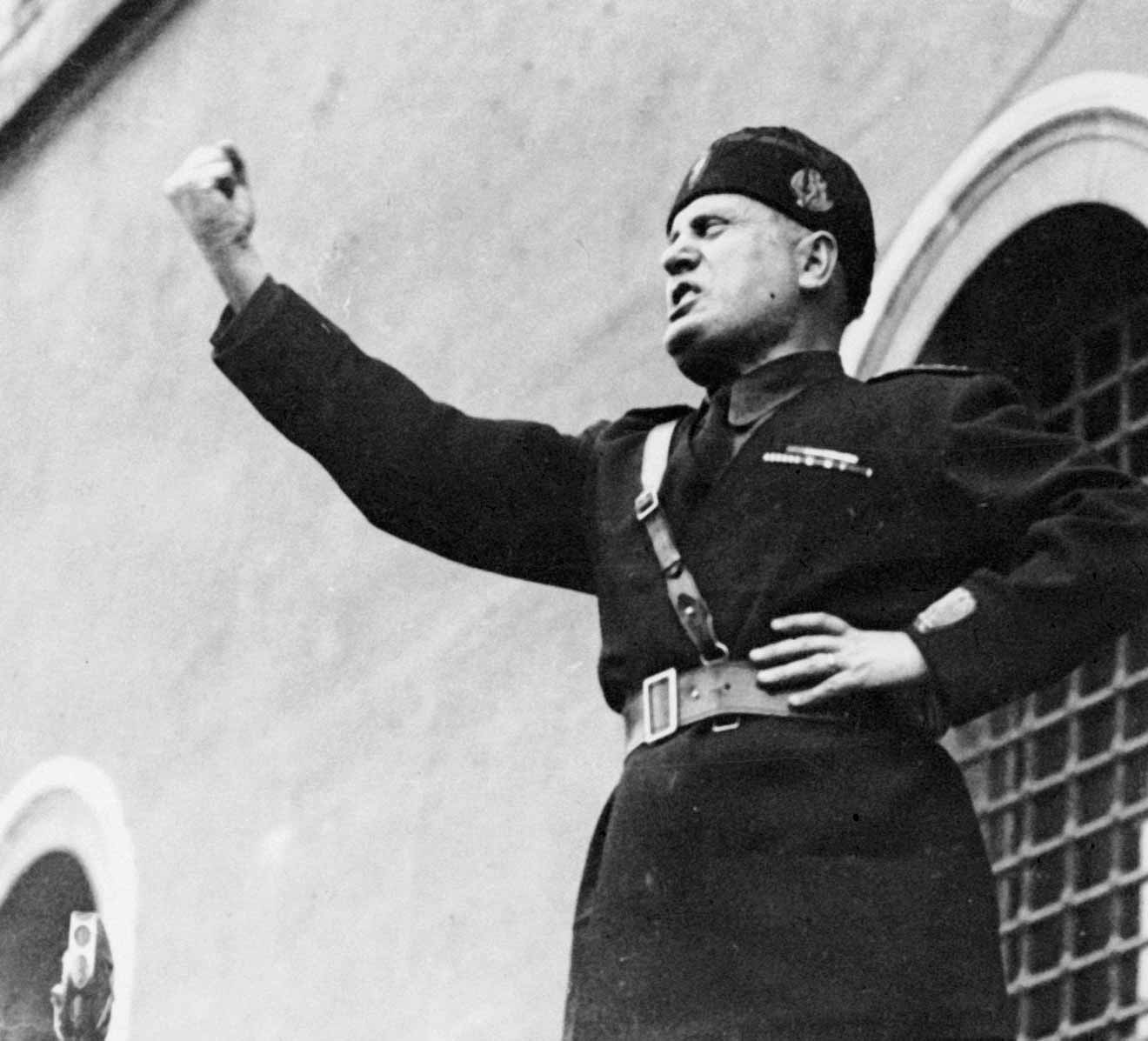
By Umberto Eco February 24, 2020 One of the key questions facing both journalists and loyal oppositions these days is how do we stay honest as euphemisms and trivializations take over the discourse? Can we use words like “fascism,” for example, with fidelity to the meaning of that word in world history? The term, after all, devolved decades after World War II into the trite expression fascist pig, writes Umberto Eco in his 1995 essay “Ur-Fascism,” “used by American radicals thirty years later to refer to a cop who did not approve of their smoking habits.” In the forties, on the other hand, the fight against fascism was a “moral duty for every good American.” (And every good Englishman and French partisan, he might have added.) Originally posted on OpenCulture on November 22, 2016, here Eco grew up under Mussolini’s fascist regime, which “was certainly a dictatorship, but it was not totally totalitarian,...

trump
What’s the use of intellectual arguments? Reference to concepts and theories – and the need for being just a bit clear about their definition? What’s the use of pointing out the degree to which populist parlance, fake and omission has undermined public discussions and media reporting about international affairs? What’s the use of arguing for peace and nonviolence in these “interesting times” when we are closer to world annihilation than perhaps ever since 1945 – thanks to the dangerous combination of anti-intellectualism and militarism (“I am the biggest and strongest and therefore I don’t have to know, think or argue…”)? What’s the point in commenting on global affairs in a moment of Western multi-crisis where democracy is post-literate and threatens to slide into the darkness of kakistocracy? I think about that every single day these years. I didn’t before, since I began participating as a peace researcher in public debates...
TFF_AfternoonWalkAfter
Prefatory Note At this age, having exhausted prose options, I indulge myself during holidays, by sharing poems that seek also your indulgence. I searched 2019 for some glimmers of good news, and felt stymied. Of course, here, there, everywhere there were glorious private exceptions, yet hovering over the public marketplaces of the world, I cringe beneath menacing storm clouds and below chaos and misery, and catastrophes waiting to happen. It is with this spirit that I looked back on 2019, and yet reject despair, and pledge to fight for what I believe in 2020 with the conviction that it can happen, and of course should happen. Forgetting 2019 asphalt rain darkens green fields eco-extinction flares Amazon skies fake leaders slithering toward real dangers hither and yon seek safe havens gated nations hiding from truth screaming ‘no’ migrants fleeing despair pleading ‘please’ hiding from evils Aung San Suu Kyi defending genocide this fallen...
Radical-Evil-629x500-1
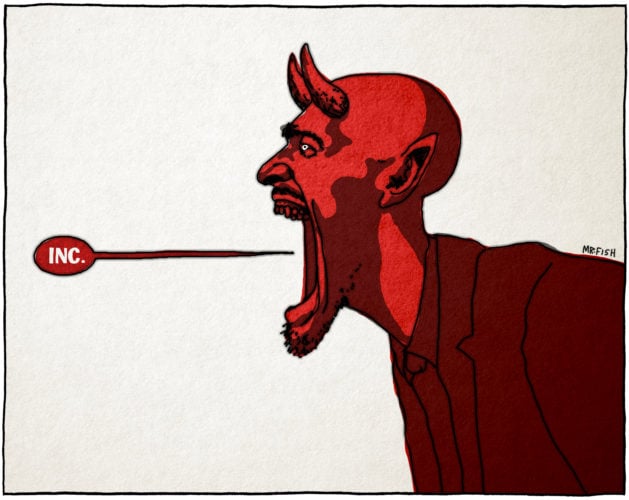
Illustration by Mr Fish, from truthdig By Chris Hedges December 19, 2019 Immanuel Kant coined the term “radical evil.” It was the privileging of one’s own interest over that of others, effectively reducing those around you to objects to be manipulated and used for your own ends. But Hannah Arendt, who also used the term “radical evil,” saw that it was worse than merely treating others as objects. Radical evil, she wrote, rendered vast numbers of people superfluous. They possessed no value at all. They were, once they could not be utilized by the powerful, discarded as human refuse. This article was originally published by truthdig on October 14, 2019 We live in an age of radical evil. The architects of this evil are despoiling the earth and driving the human species toward extinction. They are stripping us of our most basic civil liberties and freedoms. They are orchestrating the...
wuerkercomplex
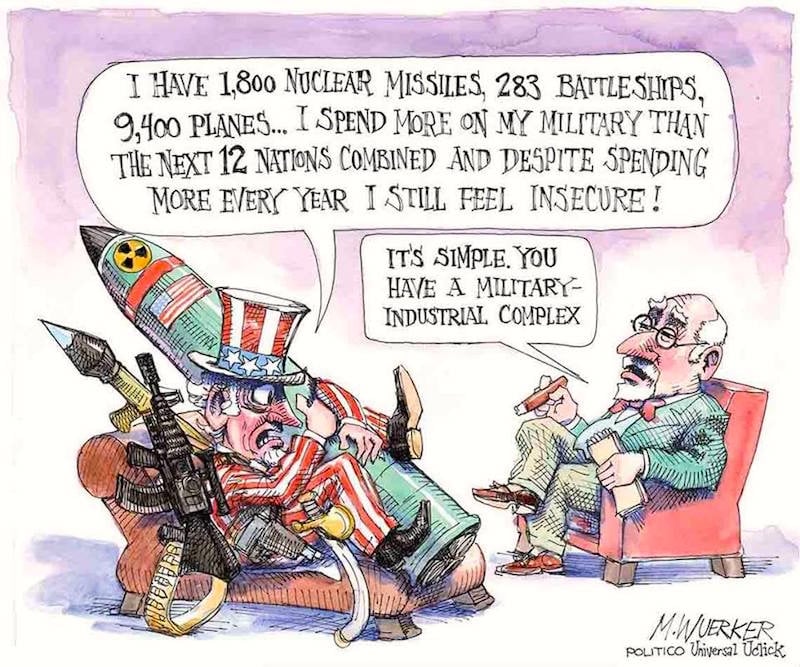
By William J. Astore November 14, 2019 The expanding cultural authority of the armed forces is a problem for U.S. democracy, writes William J. Astore. When Americans think of militarism, they may imagine jackbooted soldiers goose-stepping through the streets as flag-waving crowds exult; or, like our president, they may think of enormous parades featuring troops and missiles and tanks, with warplanes soaring overhead. Or nationalist dictators wearing military uniforms encrusted with medals, ribbons, and badges like so many barnacles on a sinking ship of state. (Was President Donald Trump only joking recently when he said he’d like to award himself a Medal of Honor?) And what they may also think is: that’s not us. That’s not America. After all, Lady Liberty used to welcome newcomers with a torch, not an AR-15. We don’t wall ourselves in while bombing others in distant parts of the world, right? Article posted on ConsortiumNews.com on October 31, 2019 (original article is posted on TomDispatch.com) here But...
Picture1
The Future of Human Rights: Regressive Trends and Restorative Prospects Points of Departure Reviewing the global situation, the then UN High Commissioner for Human Rights, Zaed Raad Al Hussein of Jordan, opened a 2018 conference devoted to the 25th anniversary of the 1993 UN Conference on Human Rights and Development held in Vienna, on a decidedly pessimistic note. Instead of doing the usual on such occasions, that is, celebrating the progress made since the earlier event, Prince Zaed emphasized the disturbing evidence of regression with respect to a broad range of issues bearing on the protection of human rights embedded in international treaty instruments as evidenced by the practice of states. He insisted that without fundamental changes in patterns of governance by sovereign states and in the operation of the world economy it would be naïve to expect an improved international atmosphere for human rights. Originally posted on Richard Falk’s blog...
gorbacehv
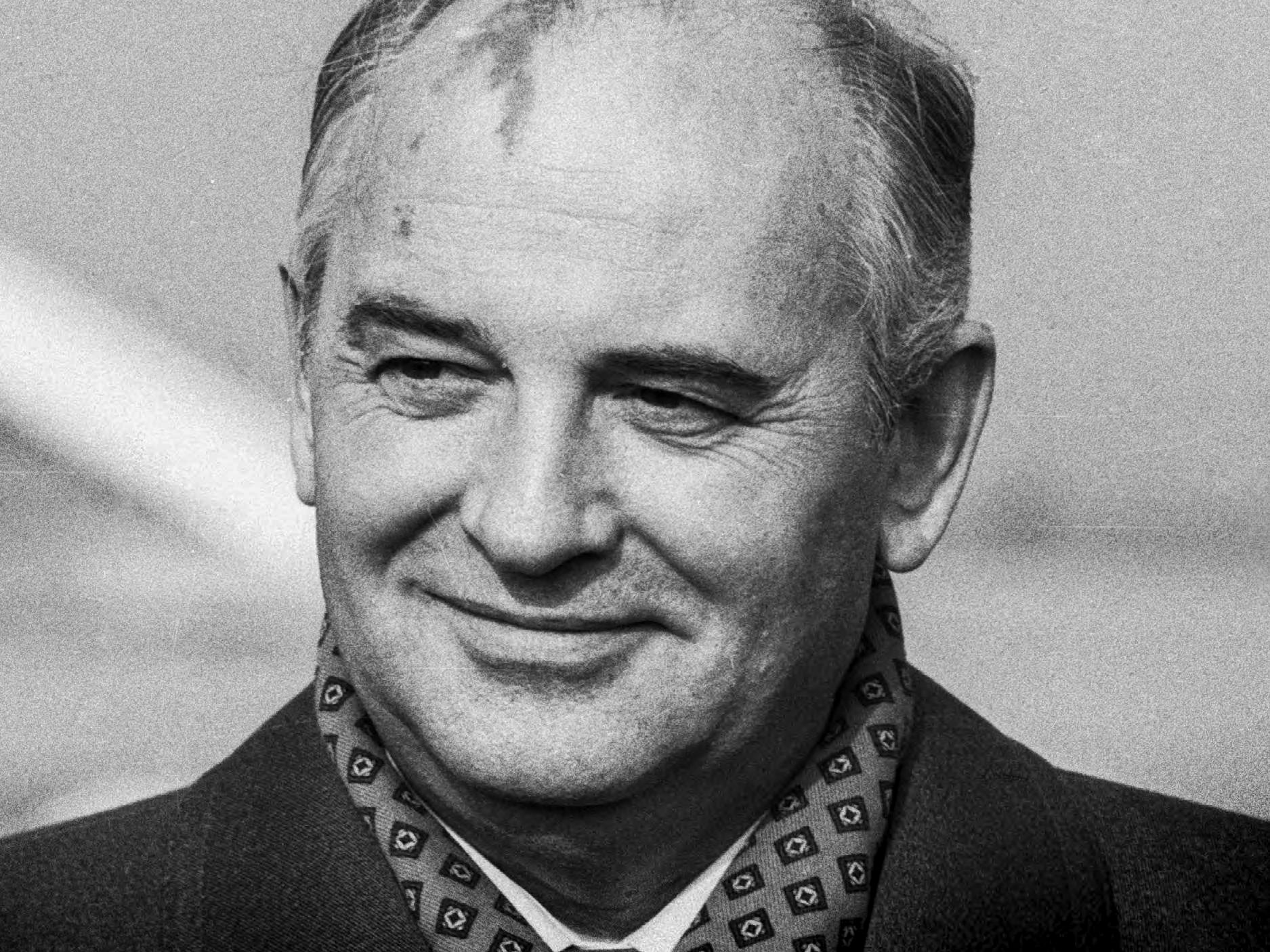
Mikhail Sergeyevich Gorbachev – now 88 and not in good health – but deeply engaged in the world and the primary threat under which we live every day. Watch the short video below – his eyes, his leaning forward to listen, the determination of his face and voice, his deep concern and his warm humour at the end – in spite of all. Deep inside he must feel sadness. What he did to make the world, and his own country, a much better place and the vision he had of a new Common European Home has been systematically ignored by much lesser, non-visionary minds – leaders who have neither the knowledge nor the intuition enabling them to recognize the essential importance of peace – and restructuring thinking and politics to achieve peace. Instead, we are now in a situation where it is reasonable to talk about a New Cold War,...
Categories

Year

Author / Contributor

Region