Development

Category

Year

Author / Contributor

Region

Sort by

Showing 1-10 of 191 stories

ChiUS-kopia
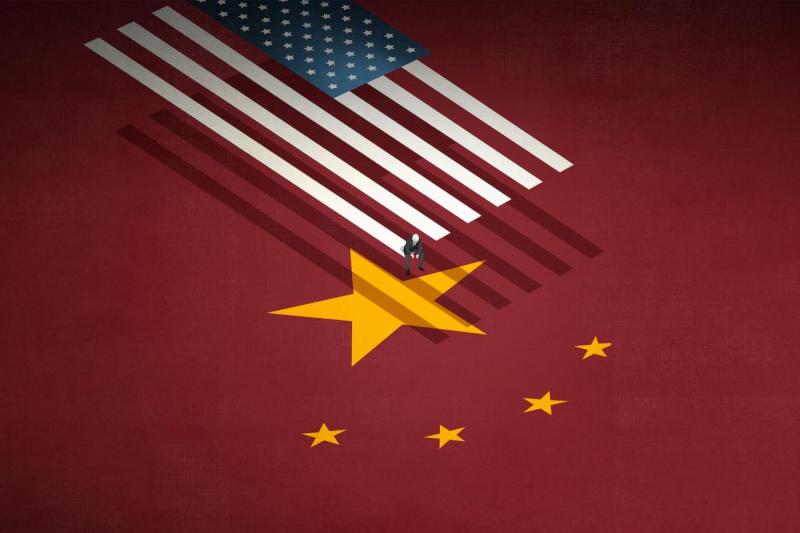
Carlos Martinez November 16, 2021 Since the launch of Obama’s ‘Pivot to Asia’ in 2012, the US has prioritised China containment over all other foreign policy commitments. This includes steadily increasing its presence in the South China Sea and encouraging China’s neighbours in their various territorial claims. Obama also initiated an expansion of US military, diplomatic and economic cooperation with other countries in the region. The overarching strategic goal of the proposed Trans-Pacific Partnership (TPP) was to isolate China and to draw East and Southeast Asia back into the US economic – and ideological – orbit. The Trump administration, while dropping the TPP due to its domestic unpopularity, escalated the Pivot in other respects: launching a trade war in January 2018, imposing a ban on Huawei, attempting to ban TikTok and WeChat, spreading conspiracy theories about the origins of Covid-19, and turning ‘decoupling’ into a buzzword. Anti-China propaganda became –...
5984e9fc2848c.image_
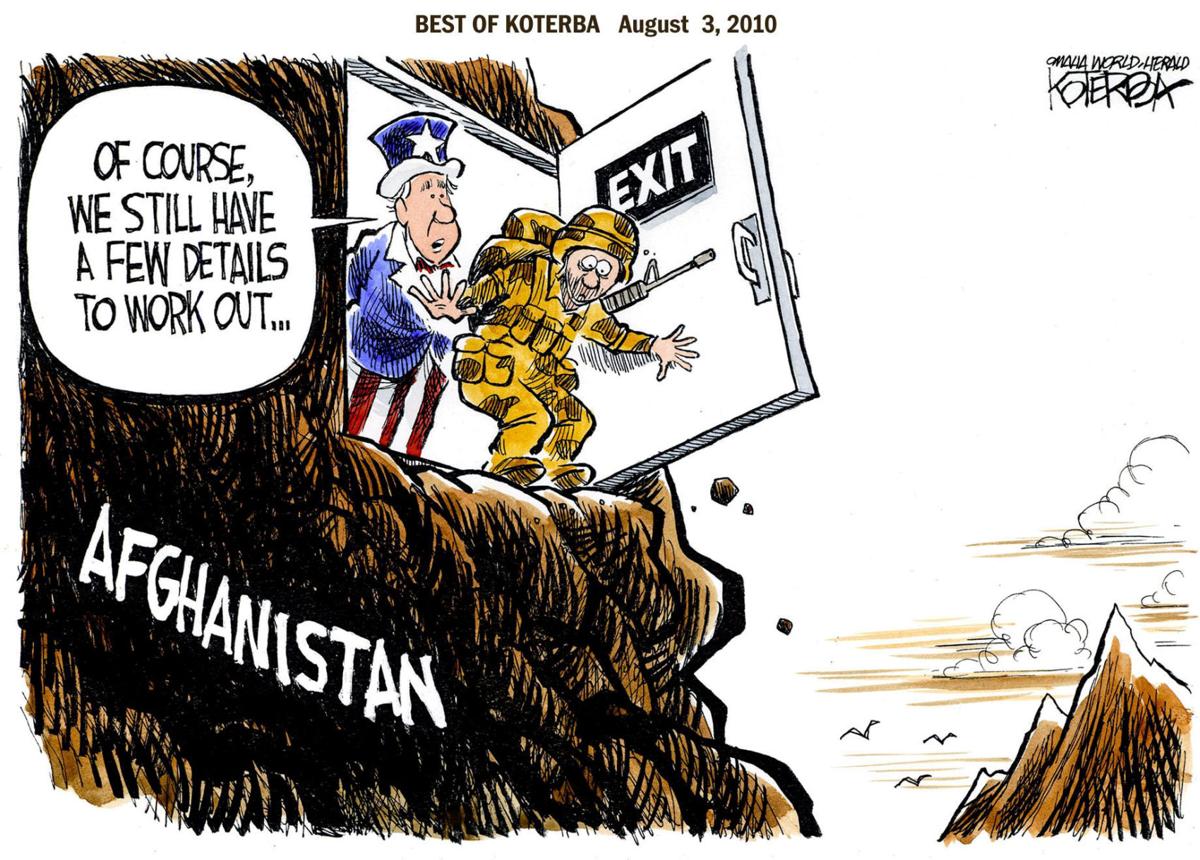
Brilliant cartoon from 2010… August 23, 2021 Jeffrey Sachs is professor and director of the Center for Sustainable Development at Columbia University. He’s a leading intellectual on global economic affairs in general and sustainable development in particular. Here he chooses the unusual way of communicating: Instead of going into a lot of “academic” issues and dimensions of the US-led war on Afghanistan since 2001, he characterises the underlying mentality, decision quality and level of knowledge by using the word “stupidity” a number of times. And that’s what this US policy has been: stupid. Repeatedly stupid. We find it important that people proven excellent intellectuals do not feel that they have to separate the personal and academia and feel free to express themselves in plain language – indicating also, of course, a sense of frustration and anger over that very ignorance . . . stupidity and its tragic human consequences. Perhaps...
The-big-picture-is-different-from-what-is-universally-believed-about-aid-to-Africa-1024-x-768
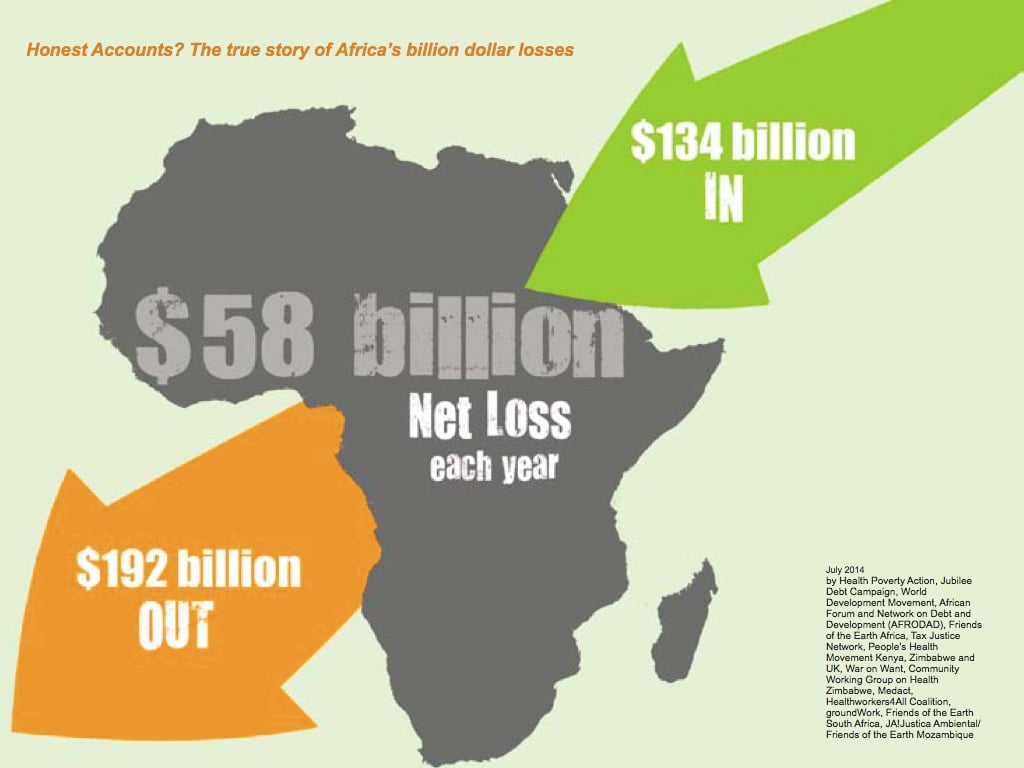
American economist Professor, Jeffrey Sachs exposes how America, its Western allies, the CIA and the defence industry have rigged the system to keep Africa from being prosperous. It is a stunning expose and rebuke to the present world order and why it must change. Jeffrey David Sachs is an American economist, academic, public policy analyst and former director of The Earth Institute at Columbia University, where he holds the title of University Professor. He is also a renowned leader in sustainable development, a senior UN advisor and a bestselling author. TFF’s work with global structural change, abolition of militarism and our long-term engagement with Somalia and Burundi has always emphasised one or more of the dimensions Sachs highlights so brilliantly – with both knowledge, eloquence and passion. Please share widely!
5e1588b4a310cf3e97afb830
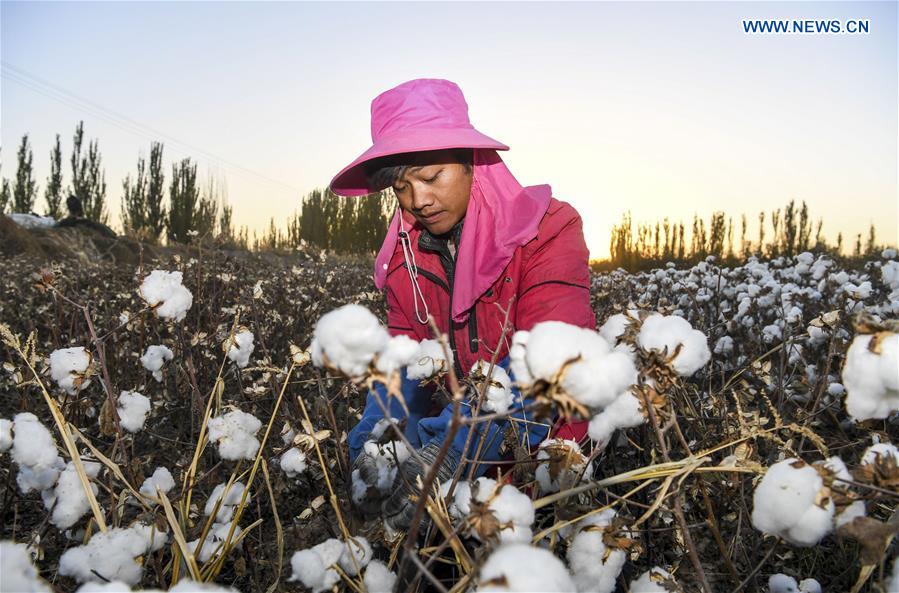
By Xinhua writers Tao Fangwei and Gu Yu July 20, 2021 — Despite the Xinjiang cotton boycott instigated by some Western politicians under the pretext of “forced labor,” the region’s cotton and textile industry has shown resilience by further tapping markets and winning over more customers with its superior quality. — In the first four months of this year, China’s export volume of cotton textiles and garments hit 19.7 billion U.S. dollars, up 44 percent year on year. — “China’s cotton has contributed a lot to the global cotton industry and we deserve fair treatment and due respect,” said Gao Fang, director of the China Cotton Association. Originally posted on CCTV’s English website on July 9th, 2021 URUMQI, July 8 (Xinhua) — In a textile plant in the city of Shihezi, northwest China’s Xinjiang Uygur Autonomous Region, machines with 100,000 spindles rumbled to spin cotton into yarn. “We are producing...
China_Briefing_The_US_China_Tr
Andrew Bacevich July 1, 2021 Has a new Cold War, this one pitting the United States against the People’s Republic of China, commenced? Rhetoric coming out of Washington, amplified by hawkish media commentary, appears to take a Second Cold War as a given, something perhaps even to be welcomed. Originally posted by Los Angeles Times on April 18th, 2021 If Cold War II looms, how will it compare with its predecessor? Does the term “Cold War” aptly describe the contest now being joined? Or might the revival of the term itself represent a potentially fatal misstep? The first Cold War, dating from 1947, centered on geopolitical competition with an overlay of ideology. The so-called free world, led by the United States, stood in opposition to the Soviet-led Communist bloc. Whatever the passing allure of Marxism-Leninism, that competition was never a contest between equals. Although the outcome may not have been...

Beijing-has-continually-sought-to-defuse-the-tensions-and-avert-the-new-Cold-War-that-many-are-predicting
Quincy Institute July 1st, 2021 WASHINGTON — In response to the Senate Foreign Relations Committee’s recent vote to advance the Strategic Competition Act of 2021 (SCA), and reports that it will receive a Senate floor vote this week, 66 organizations said: Originally posted on the Quincy Institute’s website on May 17, 2021 here “We, the undersigned organizations that represent millions of people across the United States, are deeply concerned about the growing Cold War mentality driving the U.S. approach to China. Although our organizations may have different mandates or ideological persuasions, we know that the new Cold War with China currently being pushed in Washington does not serve the millions of people demanding change across this country nor the billions of people affected by U.S. foreign policy abroad, and will instead lead to further insecurity and division.  Worryingly, both political parties are increasingly latching onto a dangerously short-sighted worldview that presents China as the...
pankajmishwa
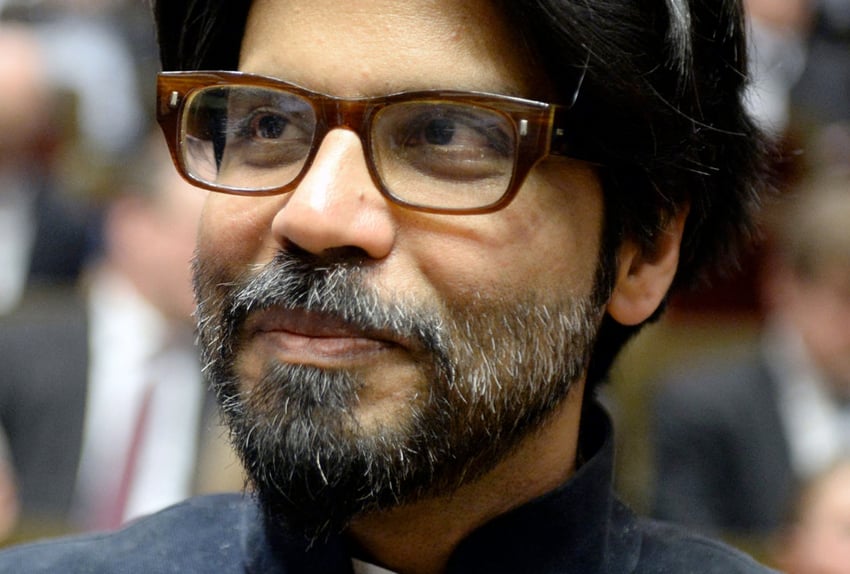
Photo: Pankaj Mishra By Radmila Nakarada and Jelena Vidojević June 29, 2021 This conversation with the Indian-born essayist, novelist and historian Pankaj Mishra, took place before the US elections. Q: In your major writings you deal with the Western model of modernisation and in the suffering involved in its evolution, expansion and emulation. You have emerged as a prominent critic of the empire and its links to liberal ideas. Reviewers often depict you as the voice of the marginalised and excluded, humiliated, the victims. How would you define yourself today?  A: I think I was fortunate to write for mainstream publications in the United States and Britain from the late 1990s onwards, when the illusions of Americanising the world were at their strongest. Britain and America were being held as models for the rest of the world to imitate and no attention was being paid to their long past of slavery and...
Janssen
Cyrus Janssen May 19, 2021 Many Americans view China in a completely wrong way. They only view it from the eyes of an American. But how does a Chinese person view China? Is China a threat to the USA? Is China going to overtake the US? In today’s video I break down my thoughts on the America’s foreign policy towards China and reveal the truth about China. This video was posted at Cyrus Janssens Youtube Channel, May 14. 2021 About the author: Cyrus Janssen is an American Expat that has lived in Shanghai, Hong Kong, and Vancouver over the past 14 years. He is passionate about showing a true insight into China and loves sharing about his travels around the world. Here is his amazing YouTube Channel with 137 000 subscribers. A great example of citizens’ media/reporting – much better informed and free than many Western mainstream media reporters. Please...
Ablinken
Edward Lozansky April 8th, 2021 Apology and humanitarian help are a better start In his recent speech outlining the new U.S. foreign policy vision Secretary of State Antony J. Blinken made a really sensational statement: “We will not promote democracy through costly military interventions or by attempting to overthrow authoritarian regimes by force. We have tried these tactics in the past. However well intentioned, they haven’t worked.”  Originally posted on US-Russia.org’s website on March 15th, 2021 After hearing this from someone who not only enthusiastically supported the wars in Iraq, Libya, Syria and Ukraine, I had to reread his speech a couple of times to make sure that I wasn’t hallucinating.  Some skeptics, after seeing in this speech the usual lines about “renewing America’s strength” and that only the United States can “lead” the world, shrugged off Mr. Blinken’s disavowing many decades of U.S. forceful changes of unsuitable foreign regimes.  For...
maxresdefault
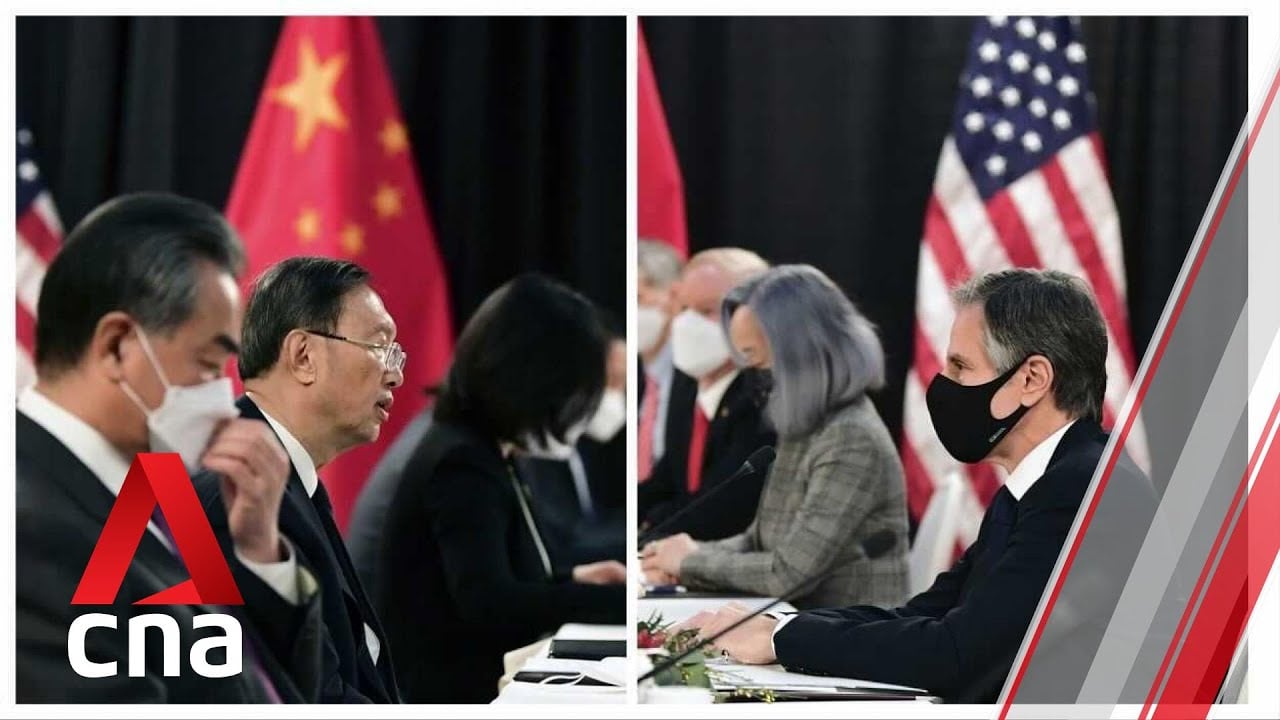
Photo credit: ChannelNewsAsia A U.S. State Department transcript April 3, 2021 Editor’s noteThere are several reasons to assume, or predict, that this meeting will be seen in the future as a serious turning point. One can’t blame the Chinese side for thinking that this is not the way to start dialogues about common matters. Indeed, Secretary of State Antony Blinken here reveals a surprisingly impolite and amateurish style of diplomacy – a style not exactly indicative of global leadership. The Chinese may well have felt, even concluded, that it is, at least at the moment, a hopeless idea to seek long-term cooperation with the United States. Therefore, we bring you the full transcript from the opening day. China’s Yang: ‘Is that the way that you had hoped to conduct this dialogue?’ NEW YORK — This is a U.S. State Department transcript of the opening remarks at the U.S.-China meeting in...
millions-of-new-poor
Photo credit: wsimag.com By Roberto Savio December 5, 2020 The recent meeting of the G20 – scheduled to take place in Riyadh but held virtually due to the Coronavirus pandemic – has been an eloquent example of how the world is drifting, in a crisis of leadership. It was, in a sense, a showcase. Everybody had to accept the view that the host of the meeting, the ailing King Salman of Saudi Arabia, was accompanied on TV screens by his apparent heir, Prince Mohamed bin Salman, who is clearly the mastermind of the brutal assassination, dismembering and disappearance of the body of dissident Saudi journalist Jamal Khashoggi. Originally published at the Wall Street International Mohamed bin Salman got away with it, also because of the support of Donald Trump who, in his video intervention said, among other pearls, that nobody in US history had done as much as he had...
innovation
Caleb Watney Resident fellow at the R Street Institute November 24, 2020 Universities are in trouble and the influx of brainpower from overseas is shrinking. The long-term consequences could be disastrous. Earlier this month, Immigration and Customs Enforcement announced that international students attending universities that switch to online-only courses in the fall would be required to leave the United States. By threatening student visas, the Trump administration, which has been pushing to reopen businesses and schools despite the continuing pandemic, was widely seen as pressuring colleges to resume in-person classes. If implemented, the visa policy could have driven away thousands of brilliant minds—the brainpower that, for decades, has proved essential to entrepreneurship and technological innovation in the United States. Originally published by The Atlantic, July 19, 2020 In the end, immigration officials backed down amid legal challenges, but some damage was already done: The administration had added to the uncertainty...
Categories

Year

Author / Contributor

Region