Cold War – Old and New

Category

Year

Author / Contributor

Region

Sort by

Showing 1-10 of 177 stories

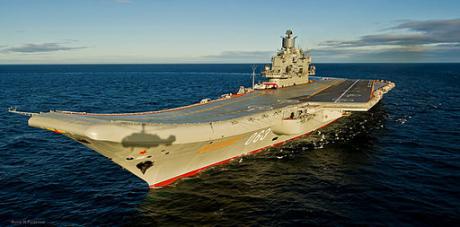
Admiral_Kuznetsov_aircraft_carrier
Fearology and medialised threat perception management that serves militarism   By Paul Rogers February 22, 2018 Is Russia a military threat to the west? A larger past and closer detail offer fresh light. Most analysts blame Vladimir Putin’s aggressive political stance for the renewed hostility between Russia and the western states of the North Atlantic Treaty Organisation (Nato). The deteriorating relationship has been evident for a decade and more. The fallout from Moscow’s interventions in Georgia / South Ossetia (2008), Ukraine / Crimea (2014), and Syria (2015), as well as its reported disruption in the United States presidential election (2016), are but the main episodes. Lesser ones include displays of military strength that attract wide coverage in the western media. Originally published by OpenDemocracy here. Before looking in more detail at the latter, it is worth offering a touch of historical perspective on great-power interference. In particular, at a time...
против-всех-e1518695833363
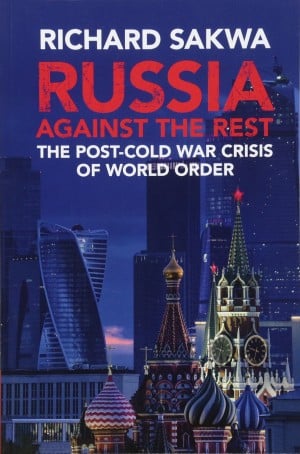
    Rethinking Russia sat down with University of Kent’s Professor Richard Sakwa to discuss his new book Russia Against The Rest, its relations with the West, its role in a new world order as well as its greatest challenges in 2018. Originally published on February 15,2018 at Rethinking Russia here   University of Kent’s Professor Richard Sakwa believes that there will be the intensification of an anti-Russian policy in the West in the future. He also writes about it in his new book Russia Against The Rest: The Post-Cold War Crisis of World Order that was released in October 2017. Rethinking Russia sat down with him to discuss the book, Russia’s role in a new global order as well as its greatest challenge in 2018.   Rethinking Russia: How could you explain the title of your book “Russia Against The Rest”? Richard Sakwa: The point is to stress the...
StephenFCohen
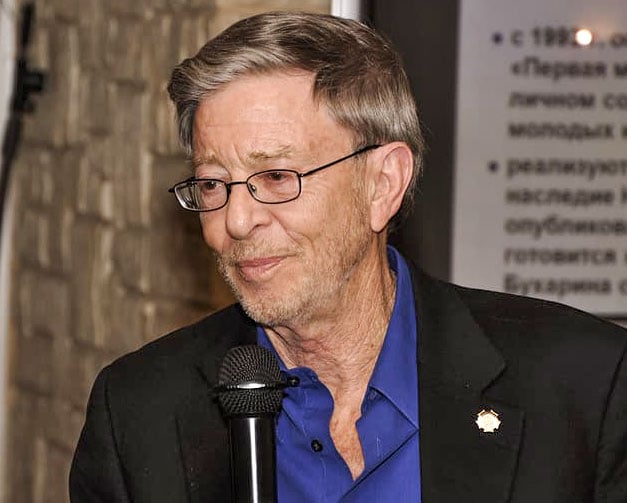
Its allegations and practices suggest disdain for American institutions, principles, best interests, and indeed for the American people. Stephen F. Cohen, professor emeritus of Russian Studies and Politics at NYU and Princeton, and John Batchelor continue their (usually) weekly discussions of the new US-Russian Cold War. (Previous installments, now in their fourth year, are at TheNation.com.) The nearly two-year-long series of allegations and investigations now known as “Russiagate” was instigated by top American political, media, and (probably) intelligence elites (mostly Democratic or pro-Democratic, but not only). What they have wrought suggests profoundly disturbing characteristics of people who play a very large role in governing this country. Cohen specifies six such barely concealed truths, which he and Batchelor then discuss. 1. Russiagate promoters evidently have little regard for the current or future institution of the American presidency. At the center of their many allegations is the claim that the current president,...
1101960715_400
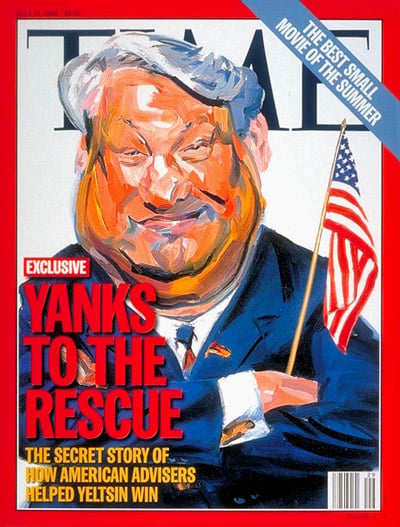
The time of the Clinton administration. There is a very good article with links and a PDF on OffGuardian here. It’s a mind-boggling story about how five Americans were tasked with influencing the election of Boris Yeltsin in competition with other candidates who, when they started working in Moscow, had much higher poll figures than he had. This was a couple of years after Bill Clinton had broken all important Western politicians promises to Mikhail Gorbachev to the effect that NATO would not expand “an inch” and started doing exactly that – a process that ended with the crisis and tension in today’s Ukraine. Fortunately, there are Western media that have told you quite a bit about US meddling in the elections and other political affairs of other countries: Huffington Post“The US has been meddling in other countries’ elections for a century. It doesn’t feel good.” Los Angeles TimesThe US...
johangaltung
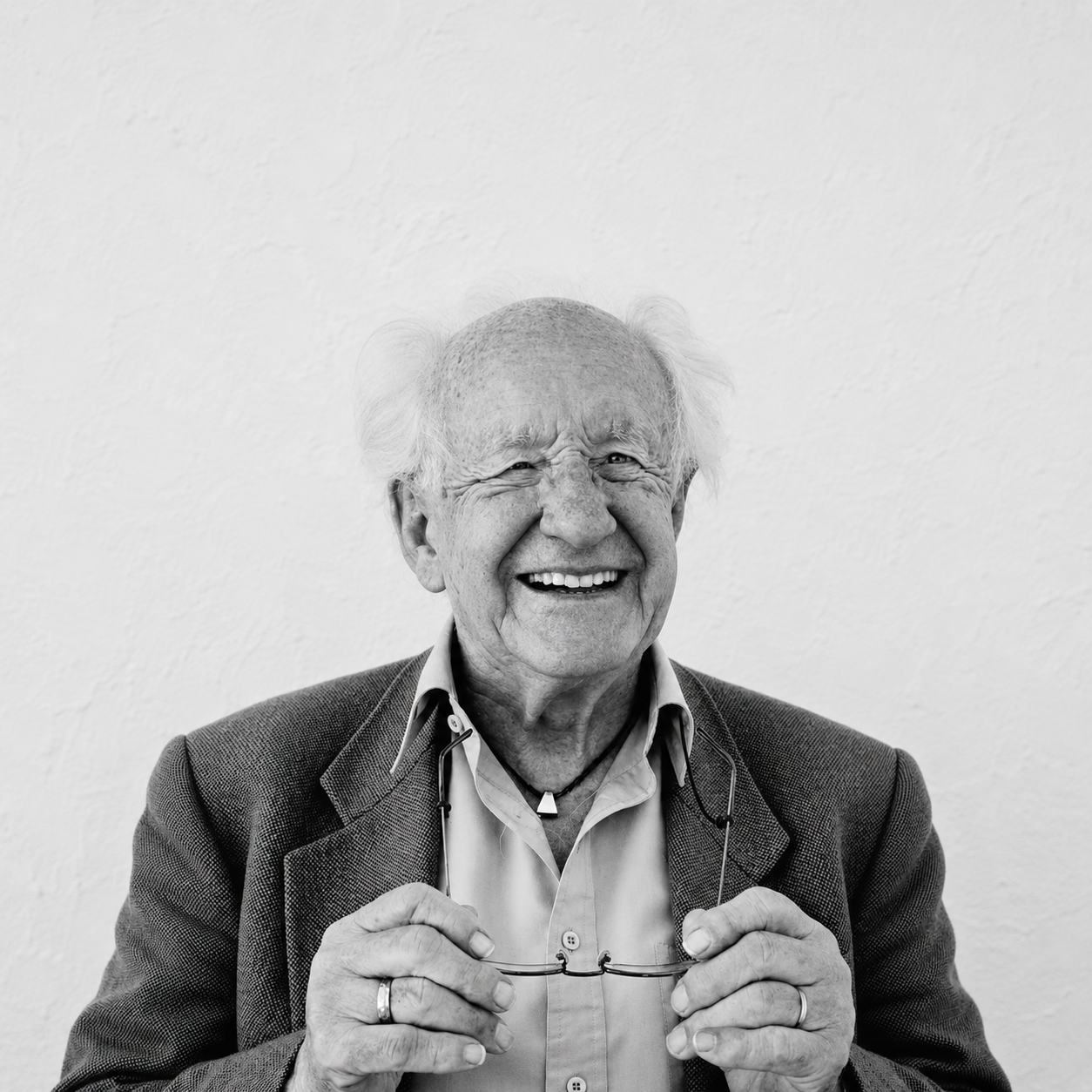
• Keynote, World Futures Studies Federation Conference – Jondal, Norway 7 Jun 2017 West of Jondal is Torsnes, named after the Nordic war god Thor with his Hammer, a center of the Viking era from 800 to 1050, only 250 years. Why so short? Successful with raids and colonization–Gardarike in Russia, Iceland, Greenland, Vineland in Canada. And then: fini. Why? Because they had no future. Evil Lóki had killed Good Baldur – next to Torsnes is Belsnes=Baldursnes. They were doomed. Enters Christianity with Evil Satan and Good God, restoring hope. The end. The Soviet Union Empire had no future: Communism was undefined. Enters Orthodox Christianity – Putin is a true believer – hope restored. The United States Empire has no future: “Allies” refuse to fight US wars and US capitalism increases inequality with reduced growth. Enter Campaigner Trump ‘Making America Great Again’ by buying-hiring American; President Trump making America isolated,...
lenin_300
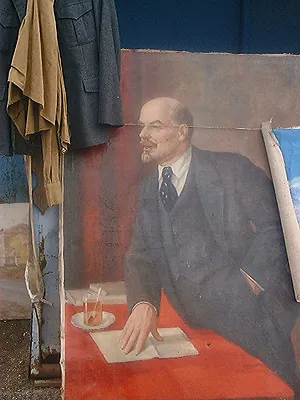
• Published in Bulletin of Peace Proposals 3-1990, pp 287-298 and on TFF’s homepage at the same time   1. Four hypotheses The West has lost a close enemy, the Soviet Union and Eastern Europe. Which reactions can be discerned and what psycho-political emotions are they indicative of? How did the West cope with the first years of this new post-Cold War situation? Can we mourn the death of an enemy, can we heal ourselves after the loss? How does one learn to live a new life without a close enemy? Has the West done what it ought to do for itself and for the former enemy? “The West” of course is a term hanging loose. We employ it in this article as meaning interchangeably “NATO, the Western hemisphere, the United States and Western Europe and a few cases, Western or Occidental culture”. The first hypothesis of this essay is...
slavjul11-17x
  By Oliver Stone • The unique 4 times an hour interview with Russia’s president. Via .xmovies8.fm See them here…    
4_1
Via gwu.edu Washington D.C., December 12, 2017 – U.S. Secretary of State James Baker’s famous “not one inch eastward” assurance about NATO expansion in his meeting with Soviet leader Mikhail Gorbachev on February 9, 1990, was part of a cascade of assurances about Soviet security given by Western leaders to Gorbachev and other Soviet officials throughout the process of German unification in 1990 and on into 1991, according to declassified U.S., Soviet, German, British and French documents posted today by the National Security Archive at George Washington University ( http://nsarchive.gwu.edu). The documents show that multiple national leaders were considering and rejecting Central and Eastern European membership in NATO as of early 1990 and through 1991, that discussions of NATO in the context of German unification negotiations in 1990 were not at all narrowly limited to the status of East German territory, and that subsequent Soviet and Russian complaints about being...
4_1
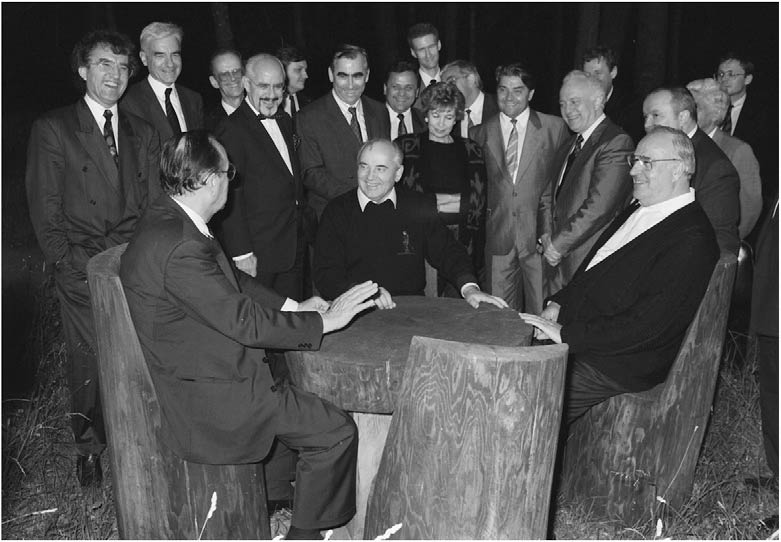
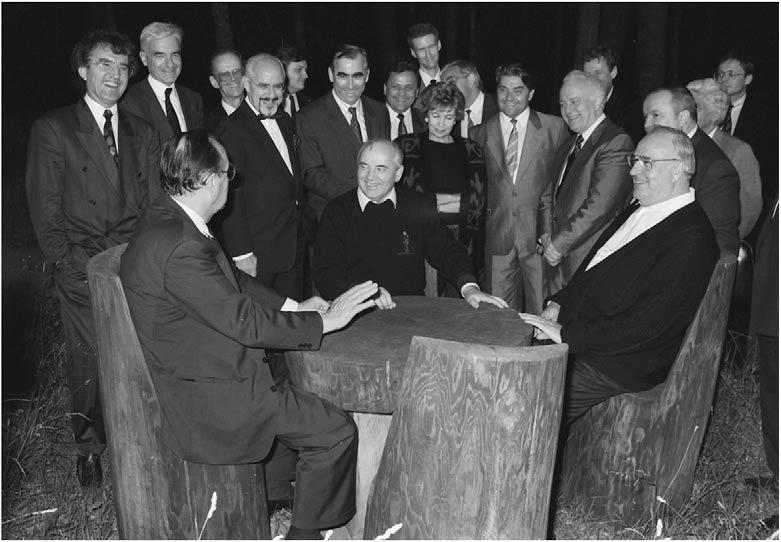
Michail Gorbachev discussing German unification with Hans-Dietrich Genscher and Helmut Kohl in Russia, July 15, 1990. Photo: Bundesbildstelle / Presseund Informationsamt der Bundesregierung. By Svetlana Savranskaya and Tom Blanton January 7, 2022 Declassified documents show security assurances against NATO expansion to Soviet leaders from Baker, Bush, Genscher, Kohl, Gates, Mitterrand, Thatcher, Hurd, Major, and Woerner. Slavic Studies Panel Addresses “Who Promised What to Whom on NATO Expansion?” Washington D.C., December 12, 2017 – U.S. Secretary of State James Baker’s famous “not one inch eastward” assurance about NATO expansion in his meeting with Soviet leader Mikhail Gorbachev on February 9, 1990, was part of a cascade of assurances about Soviet security given by Western leaders to Gorbachev and other Soviet officials throughout the process of German unification in 1990 and on into 1991, according to declassified U.S., Soviet, German, British and French documents posted today by the National Security Archive at George Washington...

Categories

Year

Author / Contributor

Region