Cold war

Category

Year

Author / Contributor

Region

Sort by

Showing 1-10 of 216 stories

Info
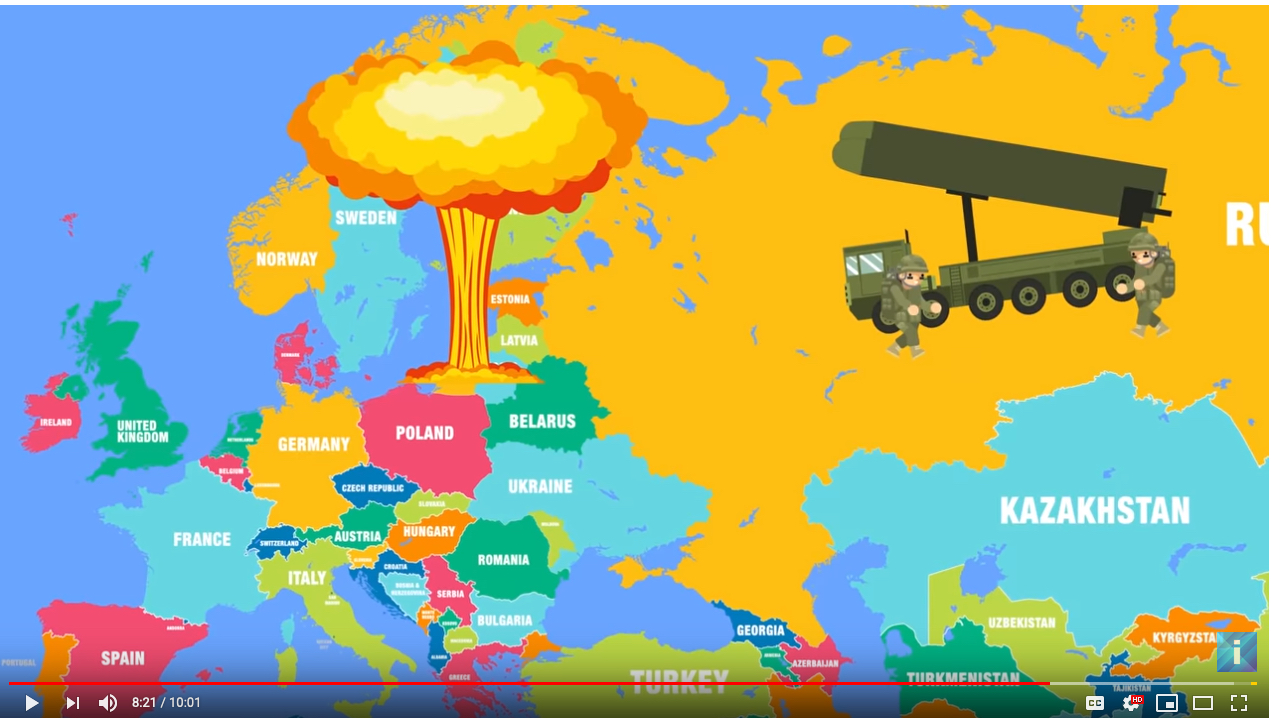
Oh yes! It can and it is ready to. And perhaps it even will. To tell you the truth, although NATO is the strongest, it could well fall apart thanks to Russia’s – Putin’s – cunning schemes. See here is how and why – in a video from The Infographics Show – and you’ll understand it all. You fear will increase and you’ll be more to pay more to your national military. Looked at from a professional conflict analytical perspective, one may mention a few problematic aspects of this piece of propaganda: • There is no conflict analysis. Russia is treated as the independent variable (active), the US/NATO the dependent (re-active). • Almost no mention of history (except that Russia was weak before but strong now). No mention, for instance, of NATO’s expansion in spite of promises given to then president Gorbachev. • Security and peace is about military matters...
ChatGPT Image 9 jun 2026, 11_11_33
When I was in Moscow three weeks ago, I was briefing myself for an interview with the Soviet Union’s last president, Mikhail Gorbachev. As it happened he had to cancel it as he went into hospital for tests. One of the American academics I always read is Gordon Hahn, an ex fellow of the highly regarded Centre for Strategic and International  Studies. He wrote that American policy towards Russia is a runaway train without rails, driven by a troubling confluence of hubristic ideological influences and bureaucratized sectorial interests. I would add to that Republican members of the Senate who have allowed President Donald Trump small room to manoeuvre on Russian issues, even though there are some indications that he’d like to make peace with Russia.  I also re-read what President Bill Clinton’s secretary of defence, William Perry, has said on a number of occasions: “The US is as much to...
Robert-Mueller-
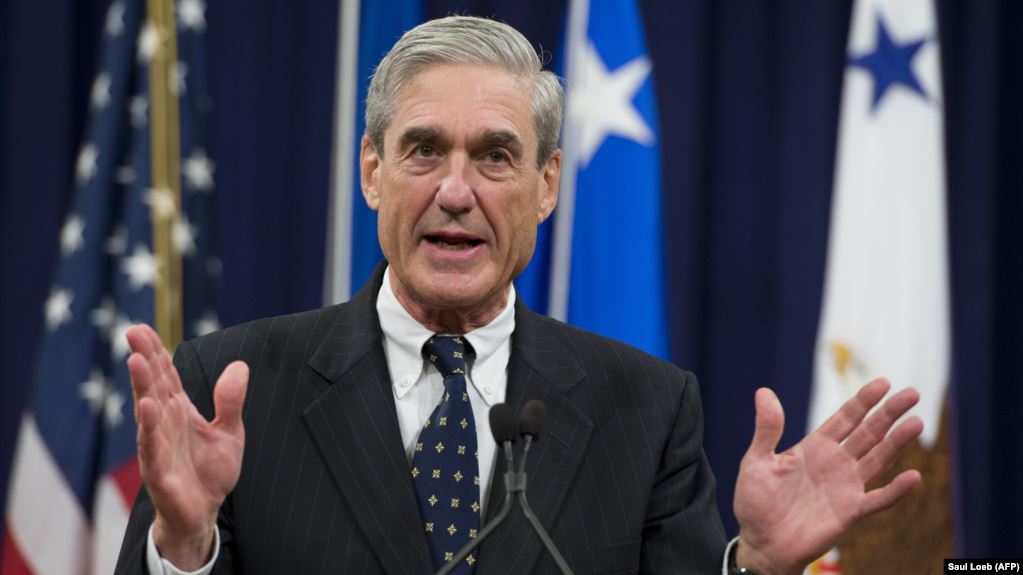
Photo: Special Counsel Robert Mueller. Credit: rferl.org Why Barr’s investigation is important and should be encouraged. By Stephen F. Cohen June 7, 2019 It cannot be emphasized too often: Russiagate – allegations that the American president has been compromised by the Kremlin, which may even have helped to put him in the White House – is the worst and (considering the lack of actual evidence) most fraudulent political scandal in American history. We have yet to calculate the damage Russiagate has inflicted on America’s democratic institutions, including the presidency and the electoral process, and on domestic and foreign perceptions of American democracy, or on US-Russian relations at a critical moment when both sides, having “modernized” their nuclear weapons, are embarking on a new, more dangerous, and largely unreported arms race. Originally published by The Nation Rational (if politically innocent) observers may have thought that when the Mueller report found no...
image
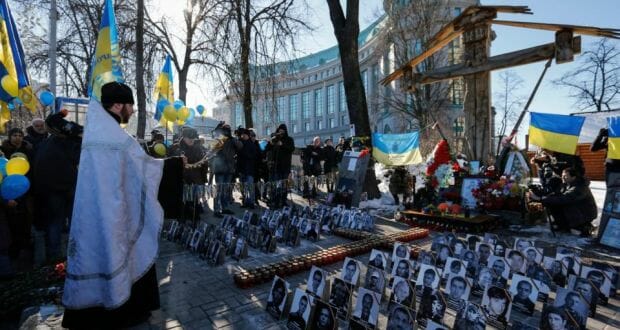
Ukrainian priests lead a commemoration ceremony for Maidan activists or “Heroes of the Heavenly Hundred” killed during anti-government protests in Kiev this time last year. Photograph: Roman Pilipey/EPA By  Ivan Katchanovski May 24, 2019 The new Ukrainian government is faced with reopening an inquiry into evidence of an organized mass killing in Kiev that Poroshenko stonewalled. Ivan Katchanovski investigates. Five years ago, the Maidan massacre in Kiev, Ukraine, of Feb. 18-20, 2014, was a watershed event, not only for the politics and history of Ukraine but also for world politics generally. This mass killing in downtown Kyiv set the stage for the violent overthrow of the pro-Russian government in Ukraine and a new Cold War between Washington and Moscow. Therefore, it is remarkable that five years after this massacre shook the world, no one has been sentenced for any of the Maidan killings. This was the best-documented case of mass...
SilkRoadMapOKS_big_Improved
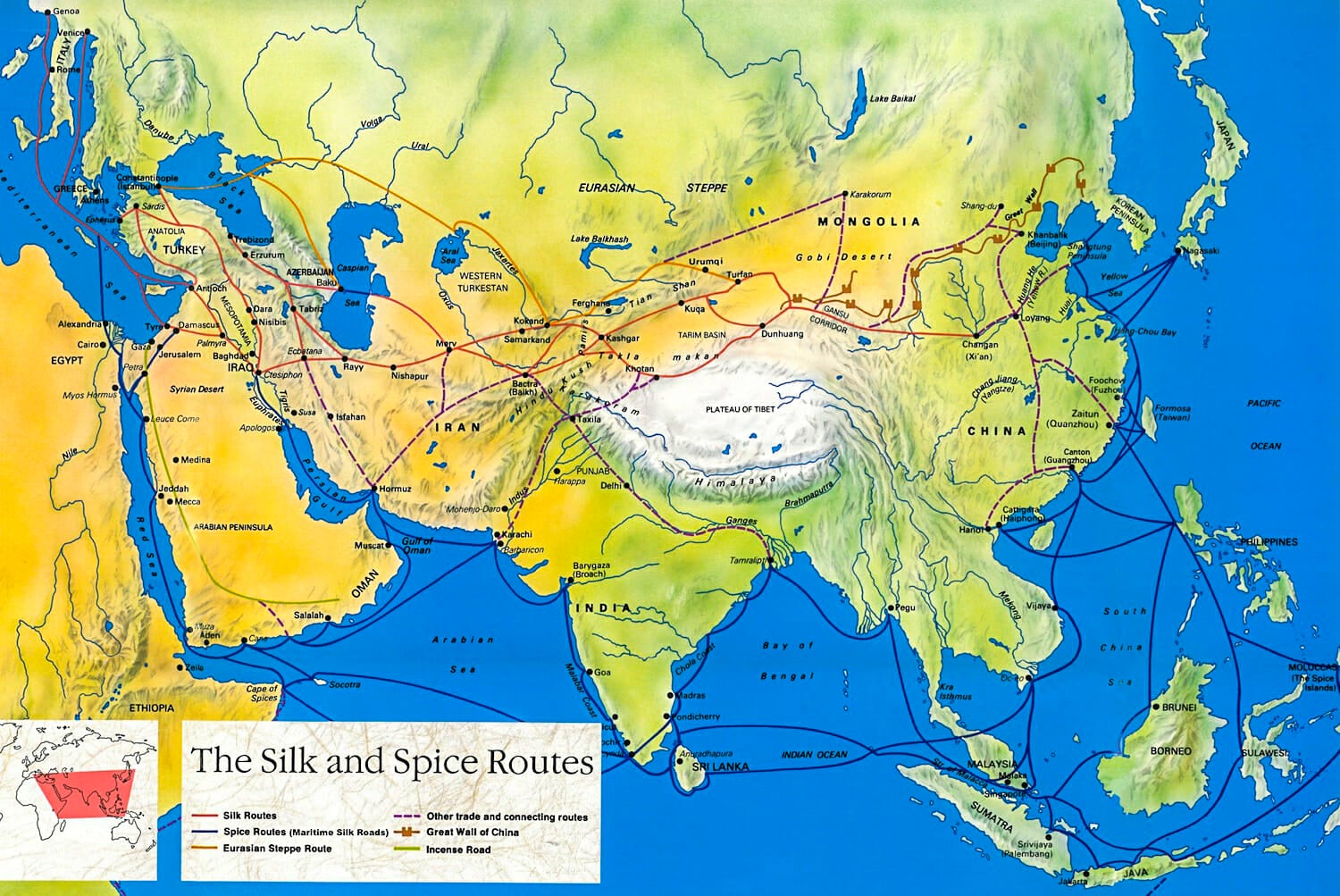
By Gordon M. Hahn April 26, 2019 Three almost uninterrupted centuries of Russian self-comparison, self-assessment, self-identification with the West and ever deeper involvement in the intra-Western geopolitical and imperial competition have come to an end. Harsh lessons Russians have drawn from its three centuries of intimate interaction with the West — its Occidental Era — were reinforced by the post-Cold War failure to create a ‘common European home’ from Vancouver to Vladivostok, leading to the conclusion that Russia had betrayed the meaning of its national seal – the double-headed eagle looking both west and east. Although Russia still references the West as a competitor as well as standard in some respects, Vladimir Putin’s Russia now rejects the post-modernist West and its neo-imperial civilizational, indeed, ‘civilizationalist’ ambitions in Russia’s neighborhood. Instead of seeking to be part of the West or defeat the Western geopolitical paradigm, it seeks along with China and,...
pic-
By us-russia.org April 18, 2019 The Sunday, February 24 edition of Russian state television’s flagship program News of the Week with Dmitry Kiselyov provided a detailed description of the “mirror like” response that Russia will take to any US installations of land based cruise missiles directed against Moscow following termination of the Intermediate-Range Nuclear Force (INF) Treaty. Originally published at us-russia.org The scenario focused on the new hypersonic Zircon missile system which can be launched from existing Russian submarines carrying the “normal” Tomahawk-like cruise missiles called Kalibr and which were used successfully in the recent operations against ISIL in Syria. We were told that the Russians are prepared to station such submarines holding 40 Zircons each just outside the territorial waters of the US economic zone, at perhaps 250 miles from the American East and West coasts. That would give them a 5 minute flight time to precision attack all...
b8b56700-2053-11e7-9b2b-dbbdd938ba15_AP_17102723136447
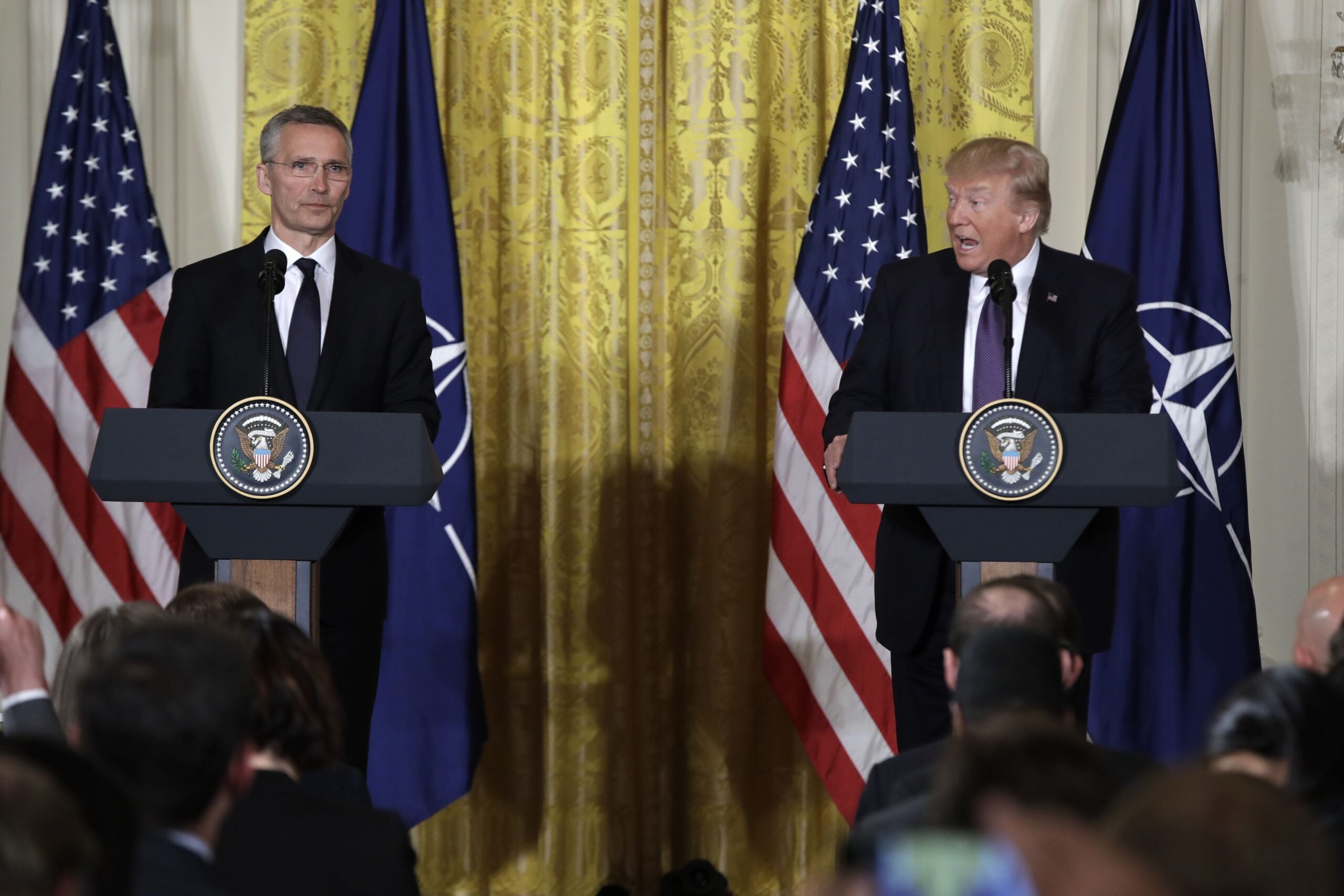
The North Atlantic Treaty Organisation, NATO, celebrated its 70th Anniversary on April 4, 2019. Some of us don’t see anything worth celebrating about an incredibly expensive, dangerous and harmful alliance which should have been closed down exactly 30 years ago. Why 30 years ago? Because in 1989, the First Cold War in the Western sphere – Europe – between the Warsaw Pact and NATO came to an end thanks to the dissolution of the Soviet Union and the Warsaw Pact. When that happened and the Berlin Wall came down, NATO too should have been dissolved. Its raison d’etre until then had always and unambiguously been the very existence of the Soviet Union and the Warsaw Pact (which, by the way, was established 6 years after NATO, in May 1955) and its socialist/communist ideology. But NATO instead continued to expand – today 29 countries of which 10 former Warsaw Pact members...
Russia_flag_Kremlin_ap_img
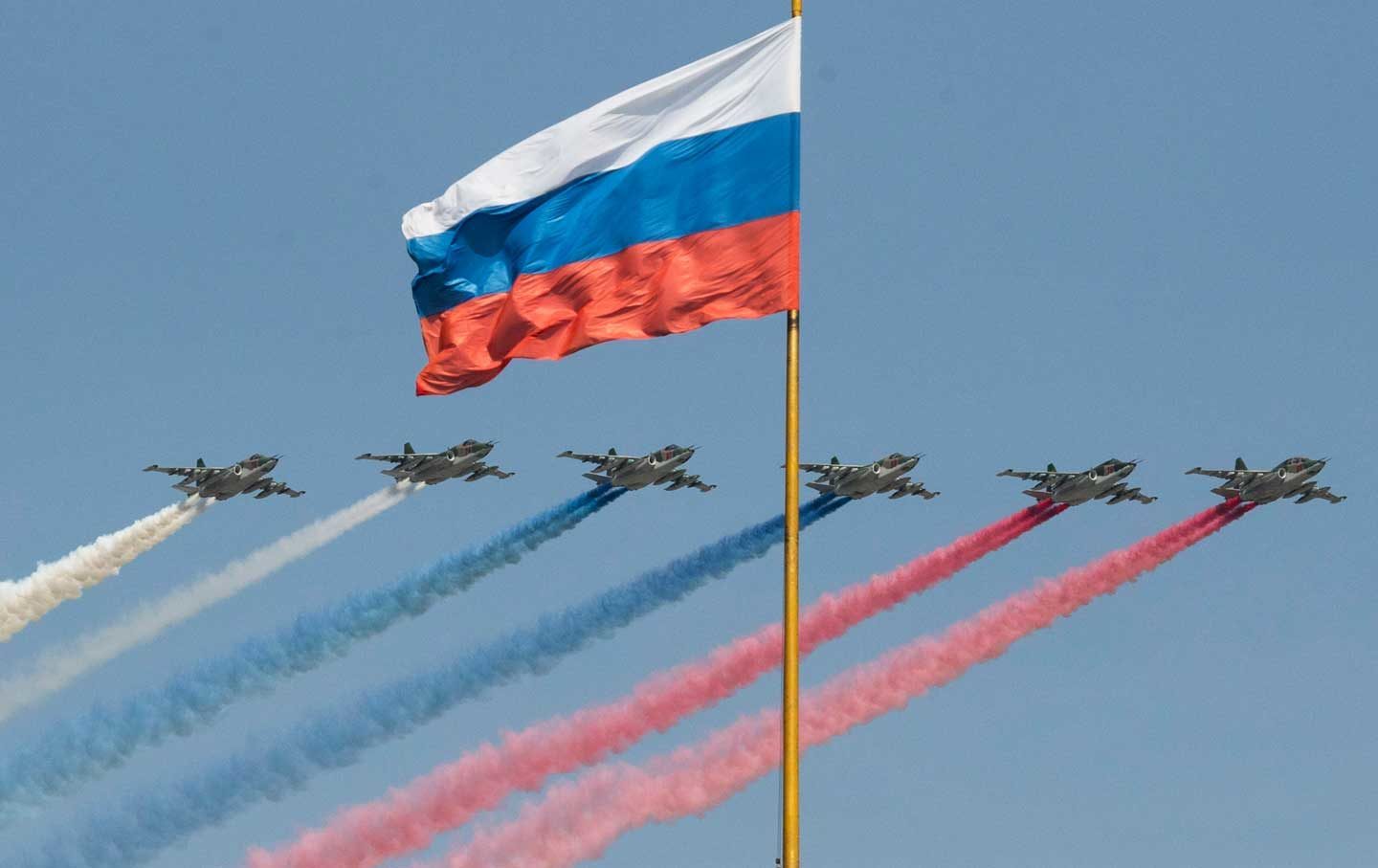
Russian Air Force Su-25 jets fly past the Russian flag on the Kremlin complex during a rehearsal for the Victory Day military parade in Moscow, Friday, May 4, 2018. (AP Photo / Pavel Golovkin) US Cold Warriors escalate toward actual war with Russia. By Stephen F. Cohen March 26, 2019 The John Batchelor Show, March 20, 2019 Heedless of the consequences, or perhaps welcoming them, America’s Cold Warriors and their media platforms have recently escalated their rhetoric against Russia, especially in March. Anyone who has lived through or studied the preceding 40-year Cold War will recognize the ominous echoes of its most dangerous periods, when actual war was on the horizon or a policy option. Originally published by The Nation on March 20, 2019 here Here are only a few random but representative examples: § In a March 8 Washington Post opinion article, two American professors, neither with any apparent...

ChatGPT Image 9 jun 2026, 11_11_33
President Donald Trump has been exonerated of collusion with Russia. As I wrote a while back I expected this conclusion from the investigation carried out by Robert Mueller. The big clue lay in Trump’s anti-Russian posture. Trump has continued the expansion of NATO which Russia, more than understandably, sees as a provocative, unfriendly and dangerous move. Then there is the unwillingness to step forward to negotiate an end to the Ukrainian situation. The US, under the presidency of Barack Obama, refused to countenance President Vladimir Putin’s suggestion that UN peace-keeping troops be deployed in southern and eastern Ukraine, and Trump has continued that policy. Then there’s the seeming refusal to extend the treaty (New START ) that dramatically lowers the number of intercontinental nuclear missiles on each side. Trump has also thrown money at the Defence Department while cutting social budgets, vowing to beef up America’s nuclear forces. Recently he...
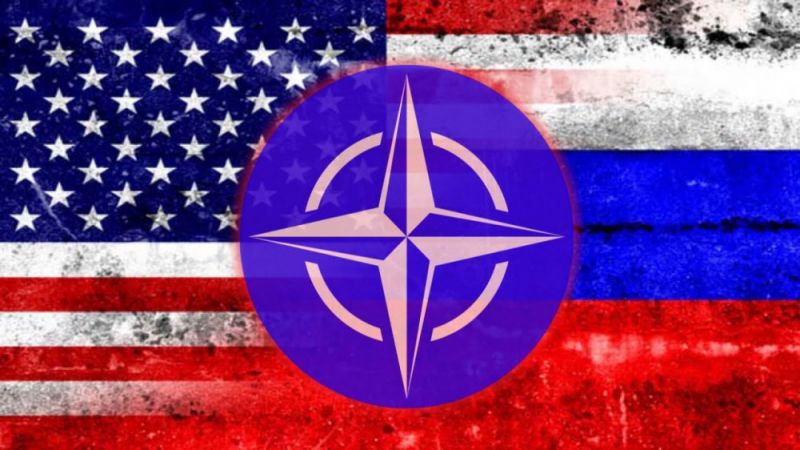
NATO_Russia_US_800_450_80
By Gordon M. Hahn January 29, 2019 The alienation of post-Cold War Russia has proceeded in waves. Each successive Western overreach for not just maintaining but expanding its global hegemony has produced a new wave of Russian alienation. What will probably be the last wave, one that might help spark a wave of ultra-nationalism afterward has begun. This new wave is alienating the West’s last base of support for Russian democratization and international cooperation: Russia’s liberals. The first wave: The alienation of Russia began with the West’s failure to significantly assist Russia during its very great depression and talk of NATO expansion in the early 1990s but was staunched somewhat by the then still unbroken Western promise not to expand NATO beyond reunited Germany. This alienated a large part of the elite. Originally published on Gordon M. Hahn’s excellent blog here The second wave of Russian alienation began with the...
RT
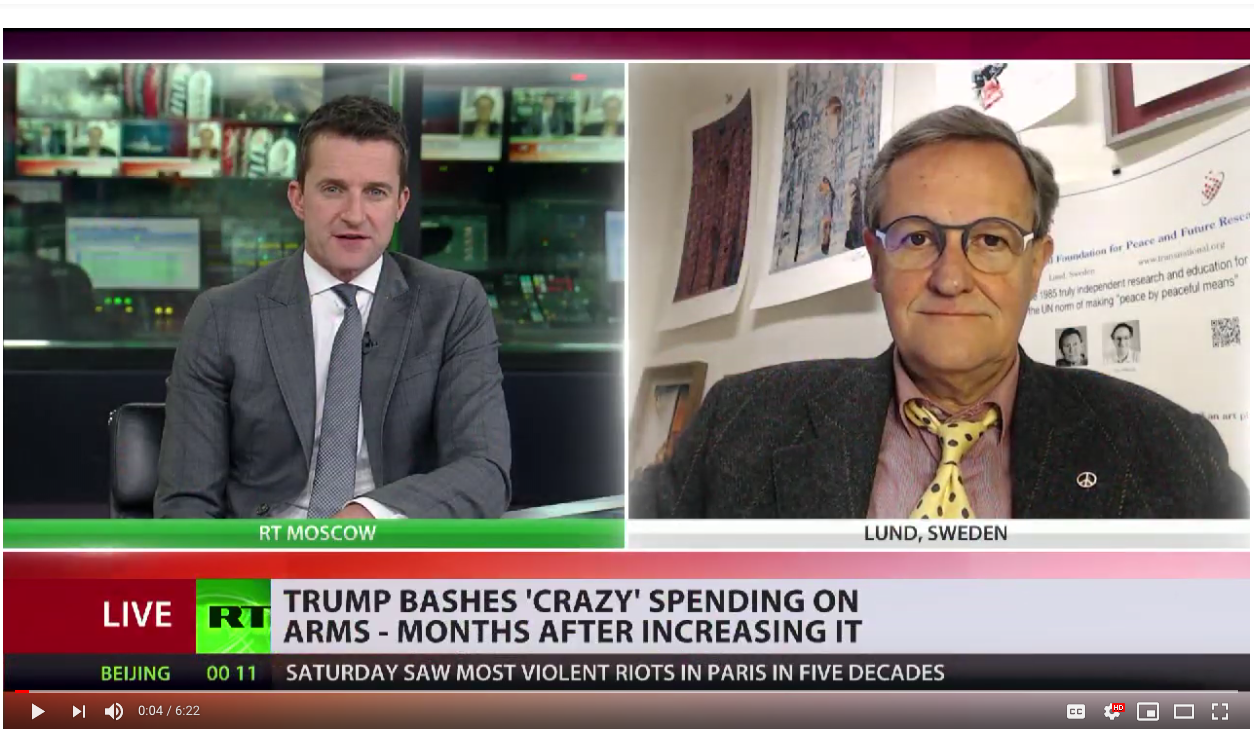
How interesting! President Trump tweets on December 3, that he believes that the present level of military expenditures are ‘crazy’ – and he wants to talk with China and Russia about reducing them. I was asked by Russia Today to comment on that and here is what I said – being granted long enough time to deliver the longer argument which is unusual in most media today. Russia Today then asked me some more questions and here are the answers:
StephenFCohen
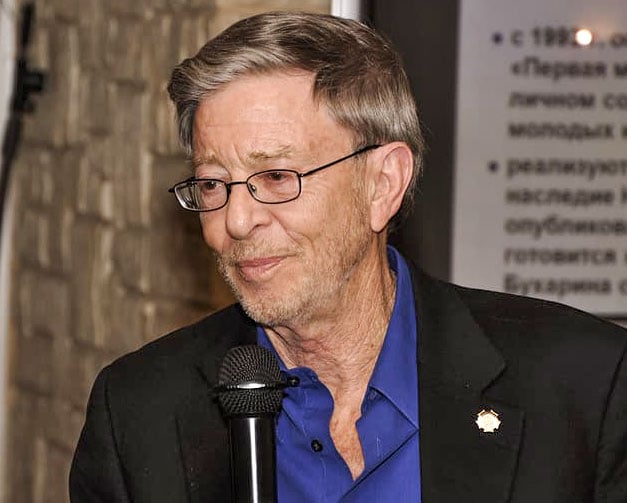
  By Stephen F. Cohen November 26, 2018   Stephen F. Cohen, professor emeritus of Russian studies and politics at NYU and Princeton, and John Batchelor continue their (usually) weekly discussions of the new US-Russian Cold War. (Previous instalments, now in their fifth year, are at TheNation.com.) Links under the article. Originally published by The Nation on November 21, 2018, here On the fifth anniversary of the onset of the Ukrainian crisis, in November 2013, and of Washington “punishing” Russia by attempting to “isolate” it in world affairs—a policy first declared by President Barack Obama in 2014 and continued ever since, primarily through economic sanctions—Cohen discusses the following points: 1. During the preceding Cold War with the Soviet Union, no attempt was made to “isolate” Russia abroad; instead, the goal was to “contain” it within its “bloc” of Eastern European nations and compete with it in what was called the...
Categories

Year

Author / Contributor

Region