China and Silk

Category

Year

Author / Contributor

Region

Sort by

Showing 1-10 of 181 stories

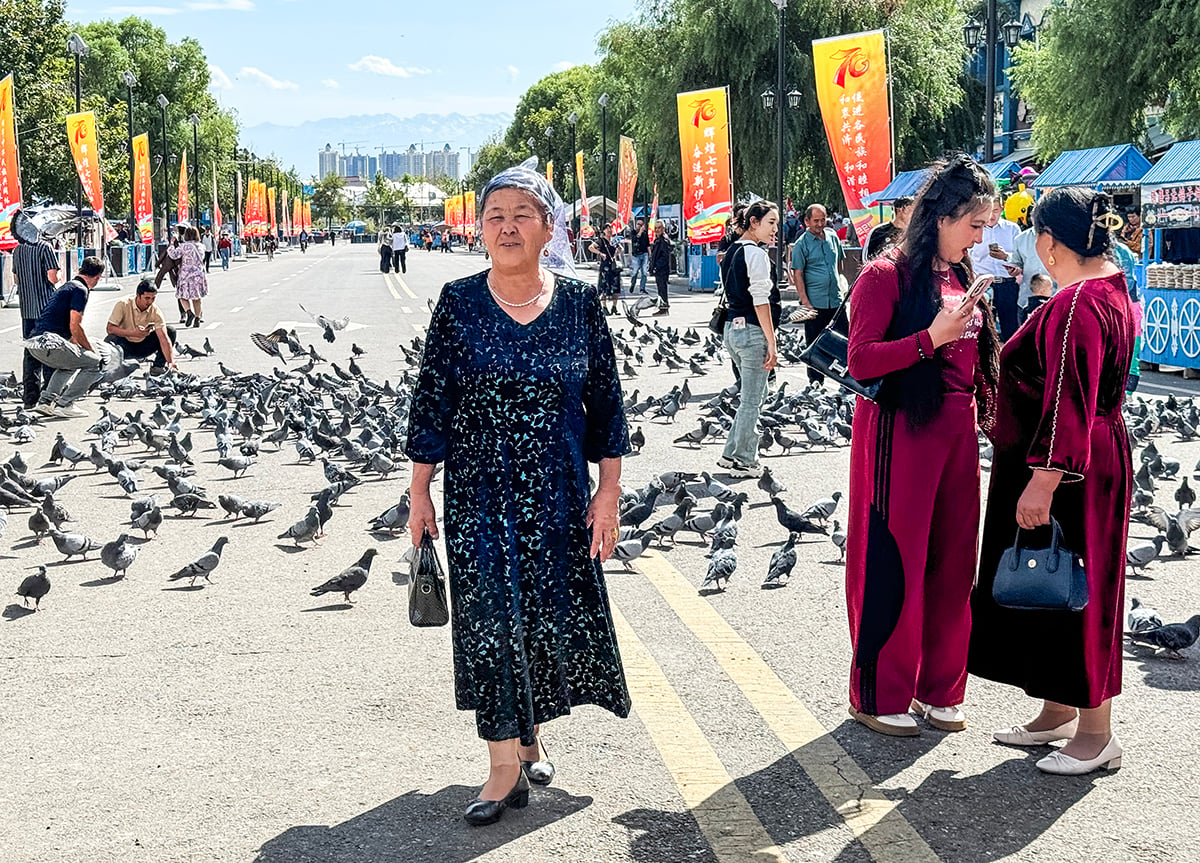
YiningAvenueWoman_1200-copy
Why it is essential to travel and see for yourself and then build networks and promote dialogues in the world’s likely most serious conflict. PART II PART I I recommend you read Part I before reading this second part. A dynamic melting pot You may ask where Xinjiang’s immense cultural diversity comes from. While I have not studied its history, I have learned that it has always been one big meeting place, dating back to the first Silk Roads, where people travelled, traded, explored, and migrated. Crisscrossing also borders with eight neighbours so that over time, it became a melting pot. There is a lot of diversity; each national group or ethnicity seems to have preserved vital elements of its own culture, language, aesthetics, way of living, dancing, etc. and also become part of the unity called Xinjiang and China. A woman I met told me that each nationality’s way of dancing could be...
Rapport-Top_small
November 16, 2024 I. Introduction The initiative for the “Nordic Delegation to China, September 7-15, 2024” was taken from the Norwegian side. Journalist and former editor Arild Vollan wanted to investigate claims in the media about an ongoing genocide against the Uyghurs in the autonomous region of Xinjiang in western China. Vollan selected an independent, cross-disciplinary and cross-political delegation group consisting of people who have worked with China and who wanted to get personal impressions of the conditions described in the previous section. The delegation consisted of: • Remi Strand, lawyer. • Thore Vestby, a former member of parliament (H) and former mayor of Frogn. • Arild Vollan (head of delegation), journalist and former editor. • Jan Øberg, PhD sociology, director of the Transnational Foundation for Peace and Future Research, TFF, in Lund, Sweden. (1) The delegation itself developed the project’s mandate. Following an excursion to Xinjiang province, the delegation’s...

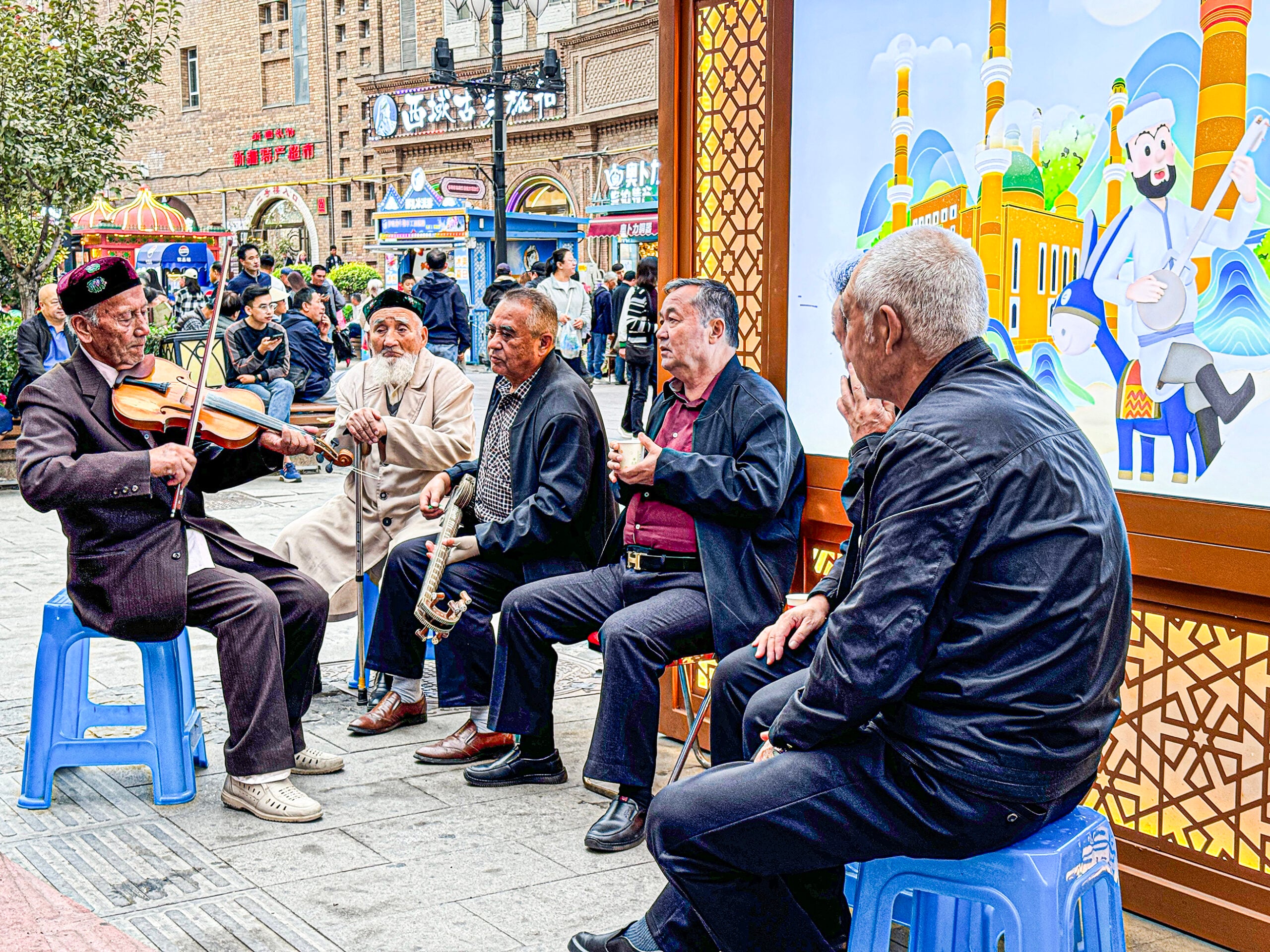
IMG_2300_smaller
Street music in Urumqi @ Jan Oberg 2024 Jan Oberg November 4, 2024 This video was produced by the China Academy in Shanghai and uploaded by Global Times. The original version and comments under it are here. Please also check TFF’s analysis of the accusations made by US/Western media and think tanks concerning Xinjiang here.
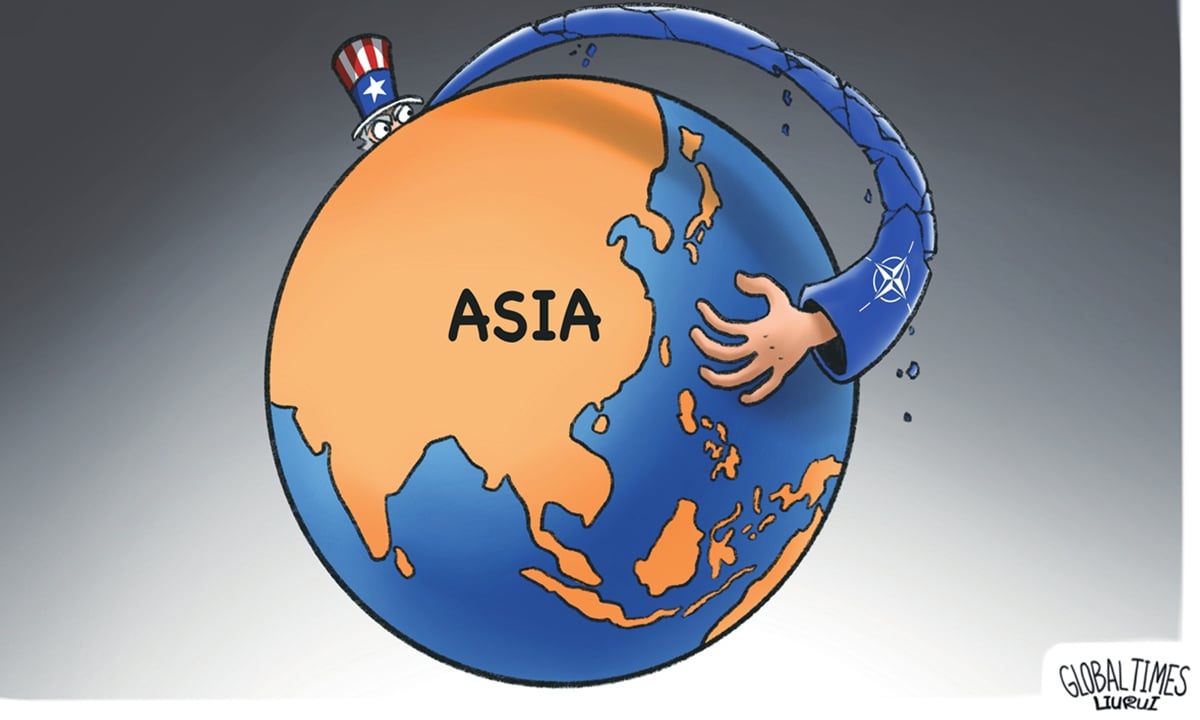
a226e378-ed4b-4aaa-a9c3-c26dd6be7eb3
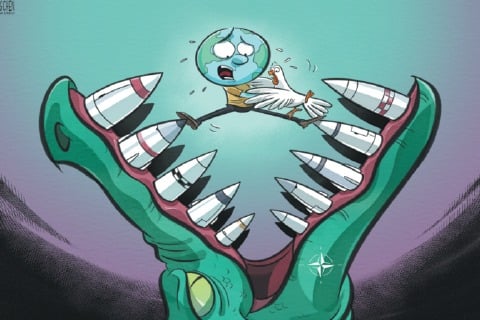
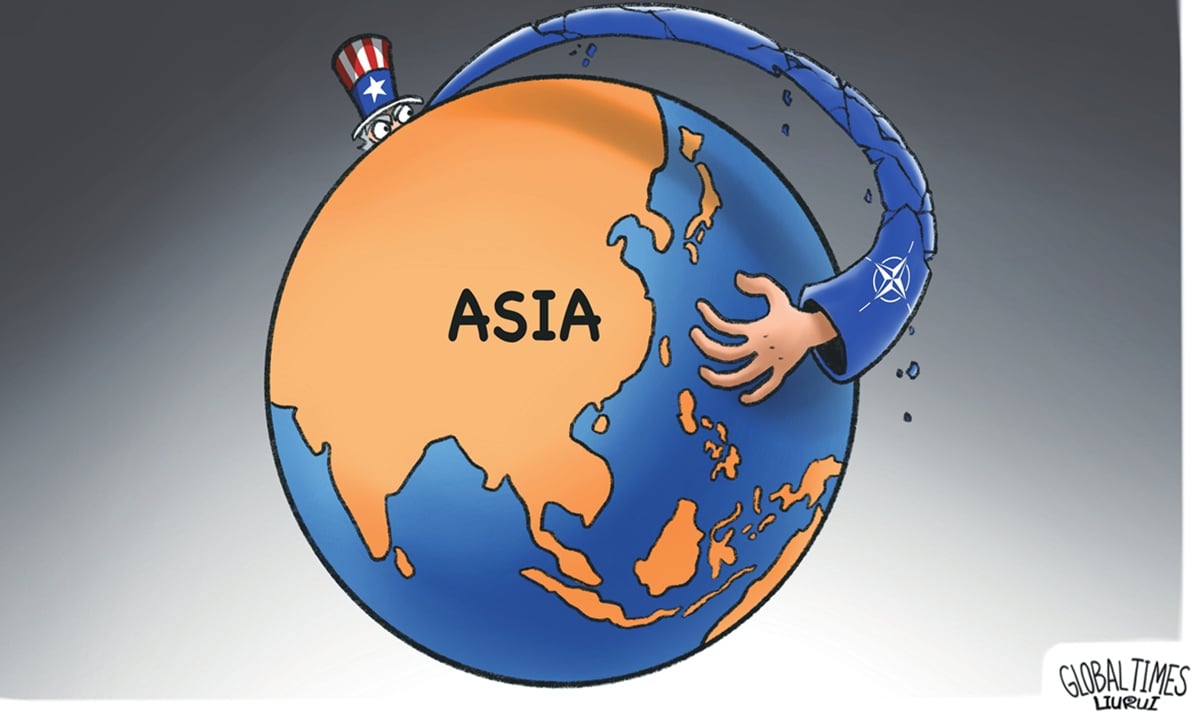
South Korea, Japan, Australia, and New Zealand sent their defence ministers to a NATO meeting in October 2024. While their heads of state and others have attended before, this was the first time these countries’ defence ministers joined. 
 This more military-operative attendance signals that NATO is serious about its expansion into this region. From a politico-psychological angle, it also shows that expansion for the sake of expansion has become the raison d’etre of the once-defensive alliance. NATO has been searching for such a reason to exist ever since the Soviet Union and the Warsaw Pact dissolved about 35 years ago, and, by all logic, it ought to have been closed down, too. The expansion happens in violation of NATO’s Treaty of 1949. That Treaty is a copy of the UN Charter, refers disputes to the UN and states (Art 5) that members of the alliance are obliged to support...
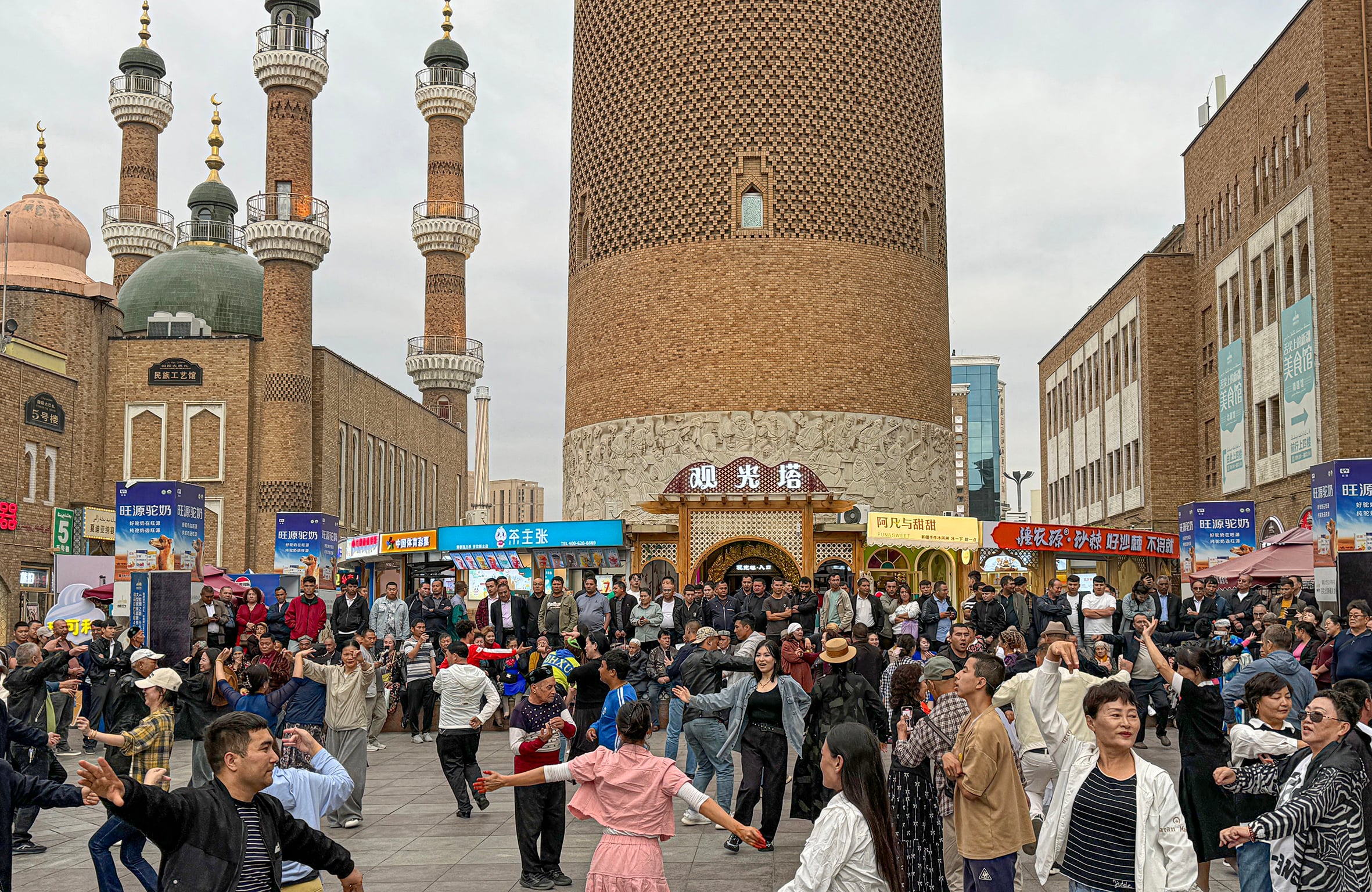
DancingBazaar_small
Citizens dancing on a Friday afternoon at the Grand Bazaar Square in Urumqi, Xinjiang, China – Photo Jan Oberg 2024 This is just a brief reflection on my second visit to China. Still tired from the long journey, I’m slowly adjusting to our time zone and trying to focus on the tasks waiting for me. But a flood of impressions keeps swirling in my mind, making it impossible to rest—especially after realizing how much Western propaganda had shaped my expectations. I thought I was heading to a brutal and backward corner of China, only to find myself utterly enchanted by what I encountered. What intrigued me the most was the fact that I was about to visit what is often portrayed as China’s “most notorious” region. This is the province at the centre of ongoing accusations against China—claims of massive human rights abuses and even genocide, particularly targeting the Uyghur...
Eclecticism_90cm_300dpi_1200_100dpi
Making sense of China by snapshot is impossible without watching the film Gordon Dumoulin October 17, 2024 This is a chapter in a TFF anthology in the making – “If You Want To Understand China.” Foreword, Introduction, Authors and Table of Content here. Peter PeverelliEnemy or Mirror Image? ‘Scholars once thought secularisation is an irreversible trend in the age of modernity,’ a note by Chinese sociologist Zhao Dingxin (赵鼎新), Professor in Sociology at Zheijiang University (Hangzhou) and the University of Chicago when explaining the Daoist perspective that history does not progress toward some teleological terminus that can “lay claim to universal or eternal truths … because the significance and function of any causal forces invariably change with different contexts.” The Daoist perspective stands in stark contrast with the essay “The End of History” written by American political scientist Francis Yoshihiro Fukuyama in 1989. Fukuyama mentioned that the triumph of the...
Mahbu
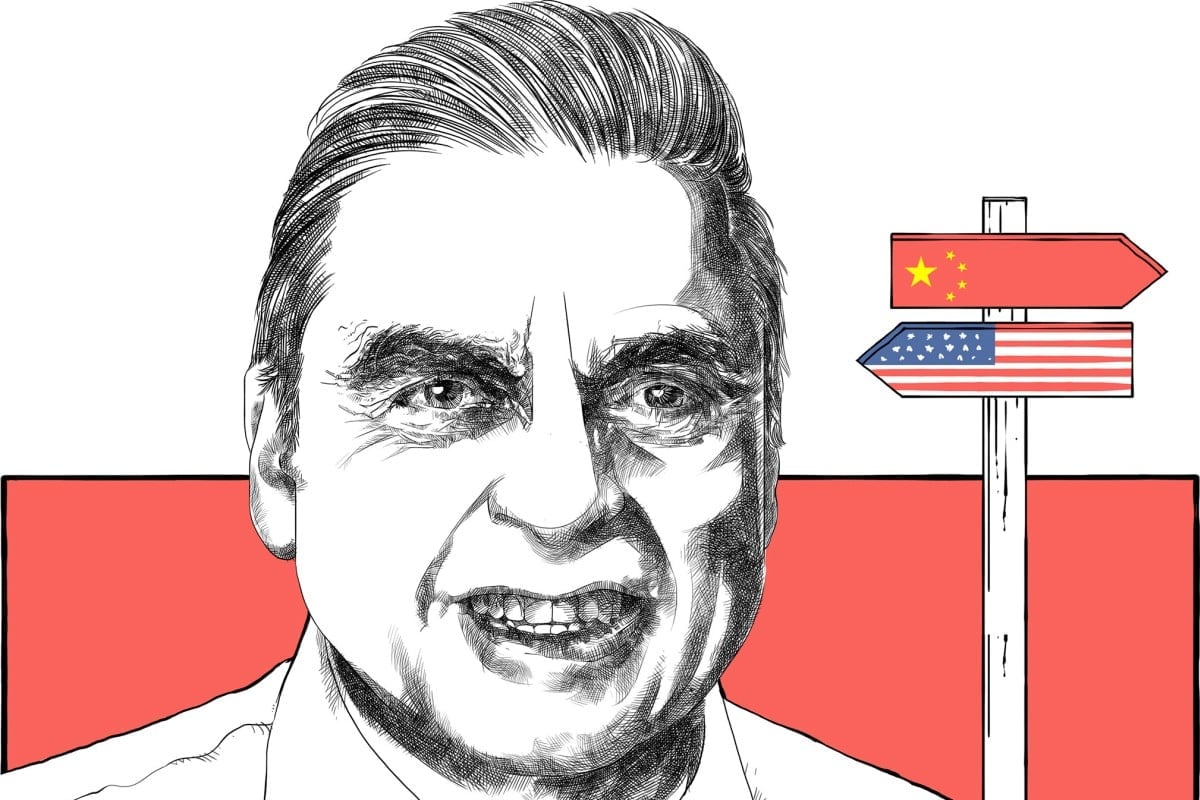
Veteran Singapore envoy on what the West gets wrong about China, Asean as a bellwether region and why the US should prepare for No. 2 status Dewey Sim of the South China Morning Post talks with Kishore Mahbubani on October 7, 2024 Seasoned former diplomat Kishore Mahbubani is a distinguished fellow at the National University of Singapore’s Asia Research Institute and author of nine books, including “Has China Won?” This interview first appeared in SCMP Plus. For other interviews in the Open Questions series, click here. You’ve predicted that the geopolitical contest between the US and China is set to intensify and stretch beyond the next decade. However, US national security adviser Jake Sullivan just visited China and a call between Presidents Xi Jinping and Joe Biden is expected soon. Are these exchanges a signal that things are looking up? I would say the best compliment that I can pay...
IMG_5336-2
Political scientist specialised in peace and conflict research. Professor and Head of the Global Changes Center at the Faculty of Philosophy, Ss. Cyril and Methodius University in Skopje, Macedonia – and TFF Associate Here I am, back from China—or more precisely, back from another planet, another dimension of space and time. For days, and even now as I write these words, I remind myself not to fall under the influence of those first powerful impressions from my initial encounter with such a magnificent country. China is too vast and too complex to grasp or understand through reading or just one visit. Even during my stay, impressions were rushing in so fast that I thought I was gathering material for many columns. Now, knowing that my next column coincides with the October 7th—the beginning of the bloody drama that turned into a genocide, which the sacred watches with eyes wide shut—I...
66f621c5a310f1268d81e7f5
Sustainable peace is not merely the absence of war but the presence of development, justice and harmony The three authors were published today by China Watch & China Daily’s English edition. It will also be published in Chinese and thereby reach a very large audience. The article also represents the first cooperative effort between Guangdong Institute for International Strategies and TFF. Li Xing who is a Yunshan leading scholar and a distinguished professor at Guangdong Institute for International Strategies, and professor of international relations at Aalborg University, Denmark. Jan Oberg is a former professor and co-founder and director of the independent Transnational Foundation for Peace and Future Research, Sweden. Li Qing is professor and executive president at the Guangdong Institute for International Strategies. The authors contributed this article to China Watch, a think tank powered by China Daily. Now head over to China Daily > >
kinatogA_maglev_train_coming_out_2C_Pudong_International_Airport_2C_Shanghai
Thore Vestby & Arild Vollan Visiting today’s China is like travelling into the future. So much has happened in the last 20-30 years that we should travel to China to learn and see what is happening. It’s incredible what the country has achieved in just a few years. Soon, China will have built 50,000 kilometres of high-speed train lines. Just travelling by train in China is such a great experience that it’s worth the visit. These trains are completely silent and offer a level of comfort you’ll find in first-class aeroplanes—an enchanting and must-experience travel experience. Strangely, we in Norway can’t make “pirate copies” of Chinese trains. We are told that Chinese companies are happy to build new high-speed train lines in Norway. But we ran into problems when we tried to explain to the Chinese that we in Norway have introduced “Bus for Train”. It’s a term that doesn’t...
8b4ce6c6-07a2-445c-9684-1d4c810b3da3_ea28b52e
Ethnic minorities expert Barry Sautman gives his take on education, the next Dalai Lama, Han chauvinism and Beijing’s treatment of Uygurs September 24, 2024 Barry Sautman is a professor emeritus at the Hong Kong University of Science and Technology’s Division of Social Science and visiting professor at Tsinghua University. An expert on China’s ethnic minorities, particularly the Tibetan and Uygur communities, his research focuses on minority rights, cultural preservation and social change. This interview first appeared in SCMP Plus.For other interviews in the Open Questions series, click here. This article/interview was first published by the South China Morning Post on September 23, 2024 What drew you to ethnic minority issues in China? I’d been to Xinjiang perhaps three or four times many years ago. I was concentrating on a particular subject, which was preferential policies. At that time I was studying them broadly, going to different minority areas including Tibet,...
a226e378-ed4b-4aaa-a9c3-c26dd6be7eb3-1
Jens Stoltenberg says the alliance is ‘not just regional but global’, a Western overreach that will be dangerous and destabilising Alex Lo September 24, 2024 In politics and war, delusion often sounds like vision. Jens Stoltenberg certainly has “that vision thing”, as the late George H.W. Bush once derisively called it. If the retiring Nato chief is anything to go by, and I hope not, the biggest military alliance in history with “North Atlantic” in its title is about to go global. Is this Western alliance about to expand into the East? If so, what do you call that? Western imperialism redux? This article was first printed by the South China Morning Post on September 24, 2024 In his parting gift for world peace or rather world war, Stoltenberg said in an interview with Foreign Policy, which is itself an undeclared information organ of Washington’s security and foreign policy elites,...
Categories

Year

Author / Contributor

Region