building

Category

Year

Author / Contributor

Region

Sort by

Showing 1-10 of 50 stories

cole-keister-YGFyjZEDxf0-unsplash-1
Cole Keister on Unsplash Johan Galtung (1930-2024) February 20, 2024 IntroJohan Galtung published a comprehensive peace plan for the Middle East as early as 1971 – in the Journal of Peace Research (JPR). However, today SAGE Publications seems not ashamed to charge you £ 29 to download single articles. So here is a 2015 short summary of Johan’s insights and thoughts on the issue. While everybody is focused on disappointing Israeli election results and the liberals and progressives of this world are justifiably fearful of a future pregnant with “more of the same – or worse”, it may be useful to take a look at the solution-indicative policy proposal below, to muster an idea of what measures may eventually usher in a more desirable future. Whatever the current situation may yield; releasing the peoples of the region from the grips of structurally oppressive, culturally alienating and directly destructive violence for...
peaceinthemiddleeast
This article originally appeared on Transcend Media Service (TMS) on 22 Sep 2008. Israel and Palestine met for peace this weekend or, rather, so did positive parts of their civil societies, under the good auspices not of Italy’s government but of the Regione Toscana, in Pisa, where a tower is leaning but still standing. The theme was the European Union as a mediator. With the Israeli government in a permanent coma, the Palestinian house split against itself, the US and Israel sharing the bad karma of being built on stolen land, pushing the inhabitants into bantustans or worse, with Annapolis, the naval base, of course, failing to navigate the waters. Washington’s voice was absent in Pisa. There were other voices, of hope and future, with wonderful joint projects. But peacebuilding is not sufficient. We need also peacemaking – a political solution – and peacekeeping. And here the EU enters: not...

2.bild_
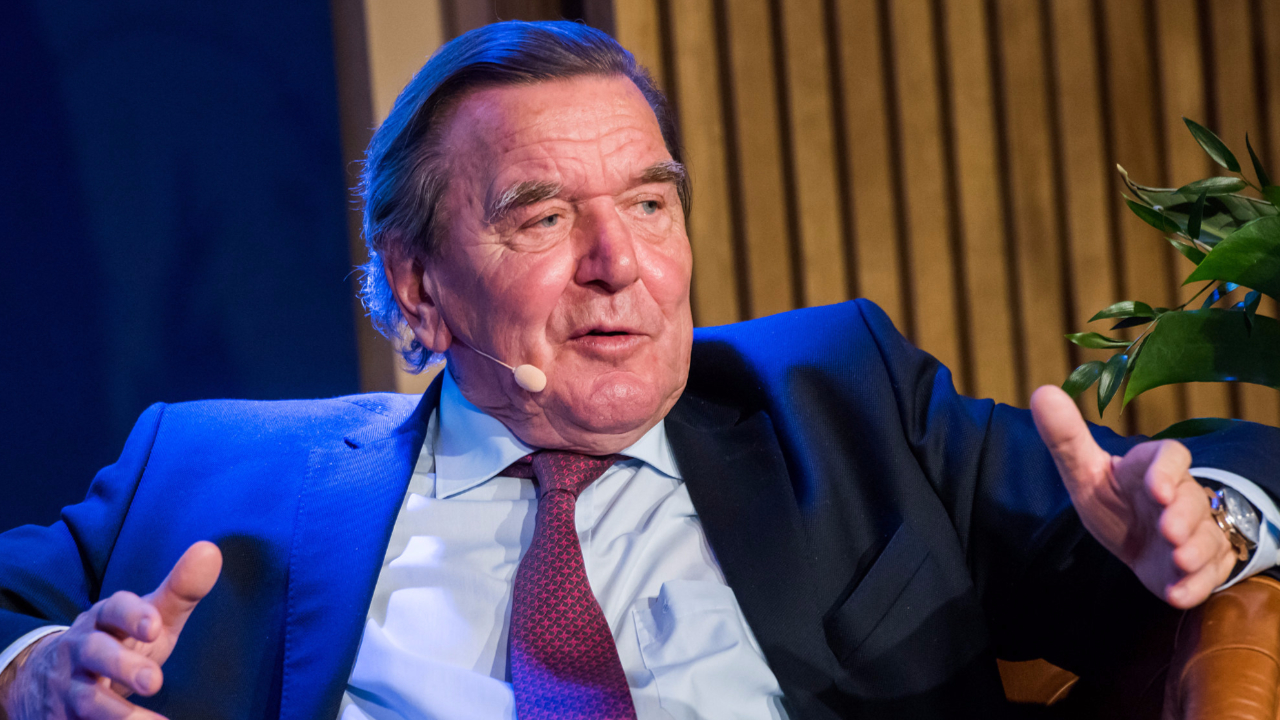
Gerhard Schroeder’s revelations about why negotiations broke down last spring are even more depressing than you might think. Why did the US/NATO world want the war to continue when it could have been stopped long ago? Tarik Cyril Amar* October 26, 2023 In a much-cited interview, ex-German chancellor Gerhard Schroeder has stated that a compromise peace to end the war in Ukraine was well within reach when negotiators met in Istanbul last spring. This deal would have meant an end to NATO’s long march east, Ukrainian neutrality, international security guarantees, and domestic arrangements to reintegrate the separatist territories in the Donbass.   Ending the war so quickly would have made a great difference, as even a few basic figures will show. While key data remains secret and estimates are contested, it is certain that Europe’s largest conflict since World War II has led to several hundred thousand military casualties. Figures for...
Symmetry_of_Diplomacy-1125x630-1
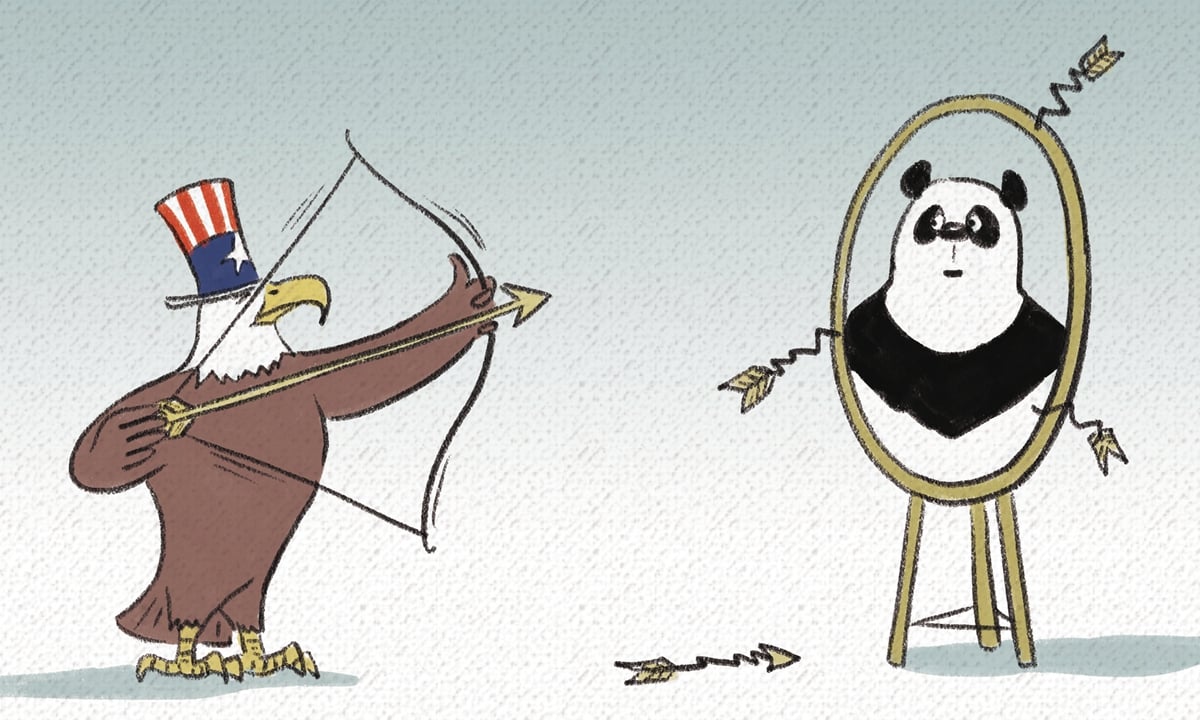
Ger van Elk, Symmetry of Diplomacy, 1975, Groninger Museum   Alfred de Zayas   July 31, 2023   The blaming game has always been counter-productive. In the UN Human Rights Council, the practice is known as “naming and shaming”, as if the States engaging in “naming” would possess a higher moral authority over those “named”, and as if the assignment of blame could possibly contribute to an atmosphere conducive to dialogue and compromise.   Originally published at CounterPunch on July 25, 2023   Those who assign the blame would do better to look for root causes and, in any event, do some sweeping at their doorsteps, as China has told the US on repeated occasions[1]. I recall once the Chinese Ambassador saying in jest that he would send a couple hundred mirrors to the White House. This also reflects an idiom attributed to Confucius (551-479 BC) that “all will follow...
Avery
The Illegality of NATO: Violation of the UN Charter and the Nuremberg Principles John Scales Avery February 27, 2023 In recent years, participation in NATO has made European countries accomplices in US efforts to achieve global hegemony by means of military force, in violation of international law, and especially in violation of the UN Charter, the Nuremberg Principles. Former UN Assistant Secretary-General Hans Christof von Sponeck – also a TFF Associate – used the following words to express his opinion that NATO now violates the UN Charter and international law: “In the 1949 North Atlantic Treaty, the Charter of the United Nations was declared to be NATO’s legally binding framework.” However, the United Nations’ monopoly of the use of force, especially as specified in Article 51 of the Charter, was no longer accepted according to the 1999 NATO doctrine. NATO’s territorial scope, until then limited to the Euro-Atlantic region, was...
firstpost
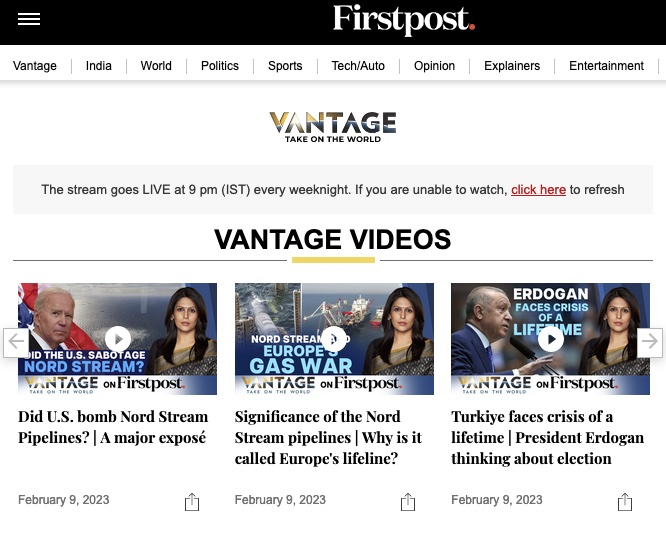
Palki Sharma Firstpost, India February 10, 2023 Isn’t this interesting? It was NATO leaders, not Putin or Zelenski who, very soon after the war had started, were adamantly against negotiations. Listen to this – shocking – report by Palki Sharma of the Indian Firstpost. The mediator was the former Israeli prime minister, Naftali Bennett If true, this is immoral beyond words. Regrettably, it fits the reports that Boris Johnson conveyed the message to Zelenski that he should not negotiate. Jan ObergEditor
AbolNATO_FinalCover
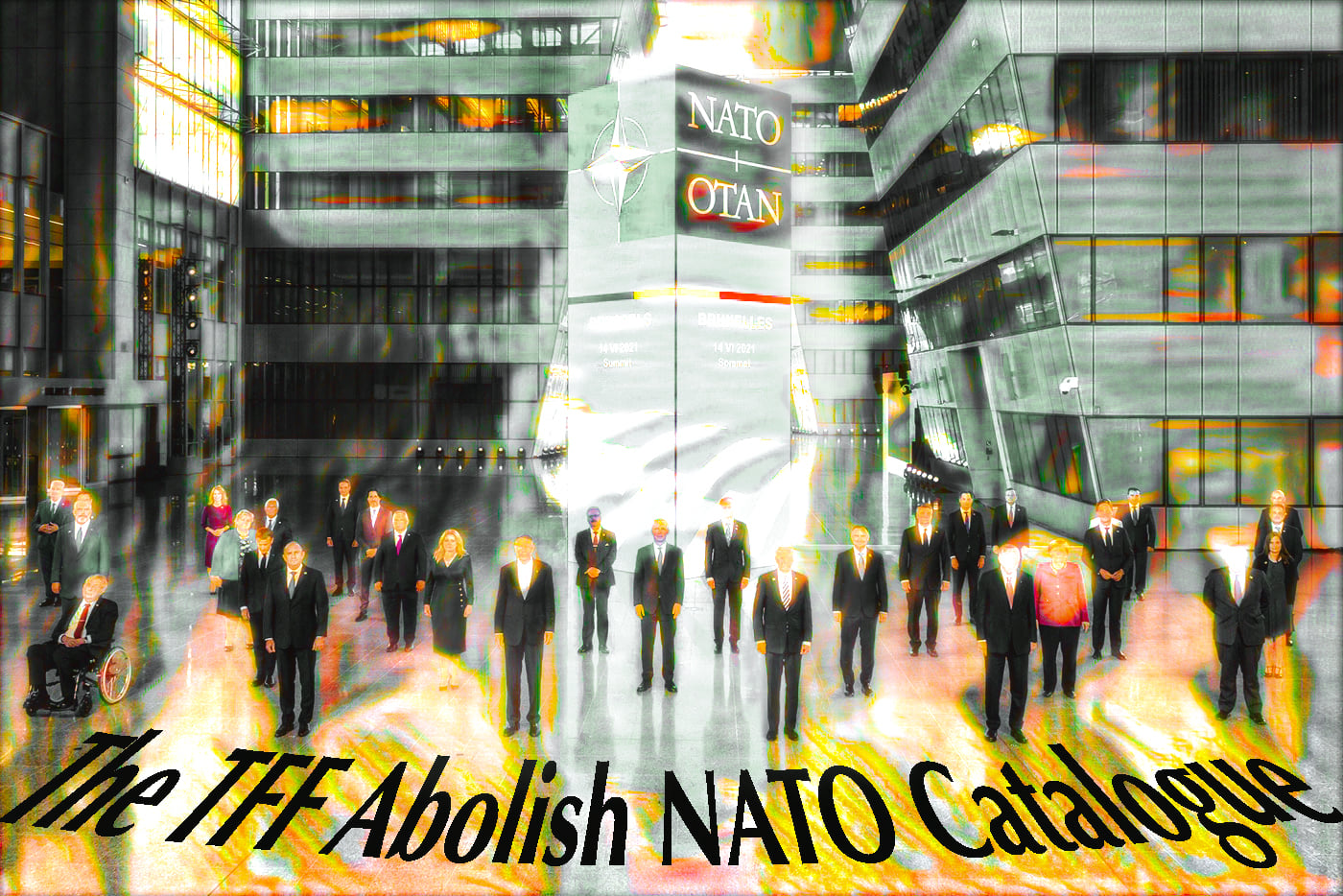
Abolish NATOOr Convert ItTo ServePeace 30 Arguments & 100s of Inspirations This report can be reproduced or quoted freely,but only when referring clearly to TFF, the author and the link Read and download as PDF at the end of the catalogue • Read as Flipbook Media & other inquiries to tff@transnational.live or +46 738 52 52 00 EXECUTIVE SUMMARY This Catalogue contains 30 arguments for the abolition of NATO. Each argument is based on rational peace research analysis, in contrast to the fact-resistant propaganda that NATO and mainstream politics and media promote about the ’defensive’ peace alliance. The Catalogue is based on the democratic assumption that diverse perceptions and concepts can exist – for instance, about what peace is – and that this hugely influential Western organisation is not sacrosanct and shall, therefore, not be exempt from critical analysis. While set up in 1949, NATO passed its ”best before” date long ago. The alliance of...
bali
Jan Oberg July 8, 2022 There have been lots of reports about how G7 leaders snubbed dinner, photo-op, handshake, concerts, etc. since Russia’s foreign minister Lavrov would also be present during the G20 meeting in Bali, Indonesia. Here is Lavrov’s comment to Tass: “This is how they understand protocol, politeness and code of conduct.” Here is another report. This is of course neither professional, good diplomacy nor statesmanship – but, worse, it is an indicator of how little knowledge these people have about how to make peace – an indicator of peace illiteracy – and without wanting to offend children: How childish international politics has become. Diplomatic skills are decreasing as military skills and rhetorics take top priority à la ‘We have overwhelming military power and we do not need to think about the future or show good manners.’ A kind of diplomatic decadence. I do not believe for a...
5e6cb56f-d22b-49f7-95fc-a84f0ee5f3cd
China’s prestigious “Global Times” interviews Jan Oberg and several topical themes are touched upon. Among them, he comments on China’s new higher military expenditures and says that China would be loved by the world if it proposes a new global system to replace NATO’s outdated and dangerous paradigm. Read the interview here.
code-pink-protesters-6254341
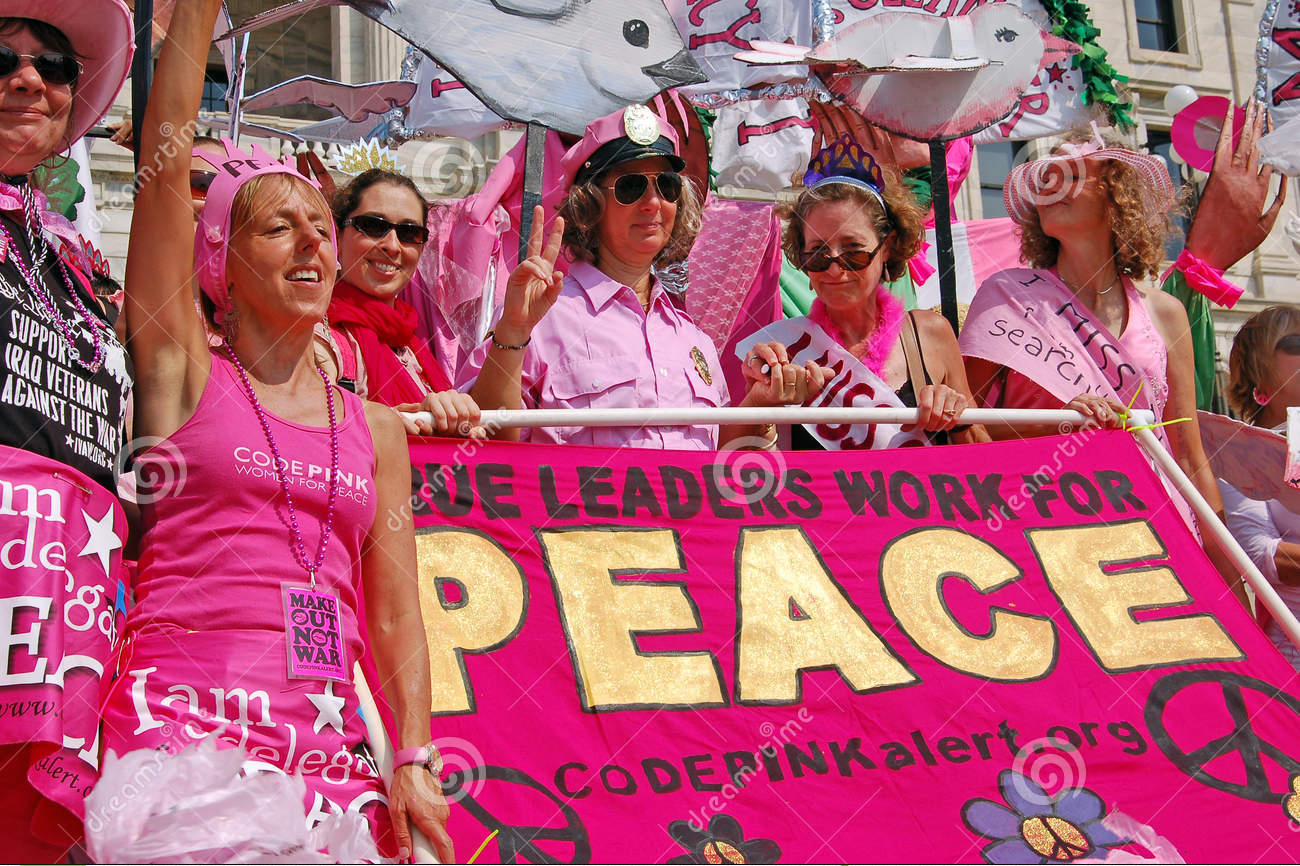
Photo: Michael Rubin, Dreamstime Medea Benjamin and Nicolas J. S. Davies February 11, 2022 While the Biden administration is sending more troops and weapons to inflame the Ukraine conflict and Congress is pouring more fuel on the fire, the American people are on a totally different track. A December 2021 poll found that a plurality of Americans in both political parties prefer to resolve differences over Ukraine through diplomacy. Another December poll found that a plurality of Americans (48 per cent) would oppose going to war with Russia should it invade Ukraine, with only 27 per cent favouring U.S. military involvement. The conservative Koch Institute, which commissioned that poll, concluded that “the United States has no vital interests at stake in Ukraine and continuing to take actions that increase the risk of a confrontation with nuclear-armed Russia is therefore not necessary for our security. After more than two decades of...
peaceprints
Lea Suter, TFF Associate June 21, 2021 Lea Suter, founder of “PeacePrints – Following the Footprints of Peacebuilders” for Peace Reporting on Post-Conflict Countries, Switzerland – and new TFF Associate. Lea has been working in the area of international relations since 2011. First, for the UN, later for a think tank on foreign policy and currently she is the Secretary-General of the UN Association in Switzerland. Originally from Switzerland, she lived in Russia and volunteered in humanitarian projects in Mongolia and Colombia. In 2017, she founded “PeacePrints – Following the Footprints of Peacebuilders” – a blog for which she travels as peace reporter to post-conflict countries to report about outstanding individuals committed to bringing a positive change. Here Lea speaks about her work and how important it is that we know, follow, learn from and honour those millions of fellow citizens around the world who cross borders, reach out and...
SchoolsNotBombs
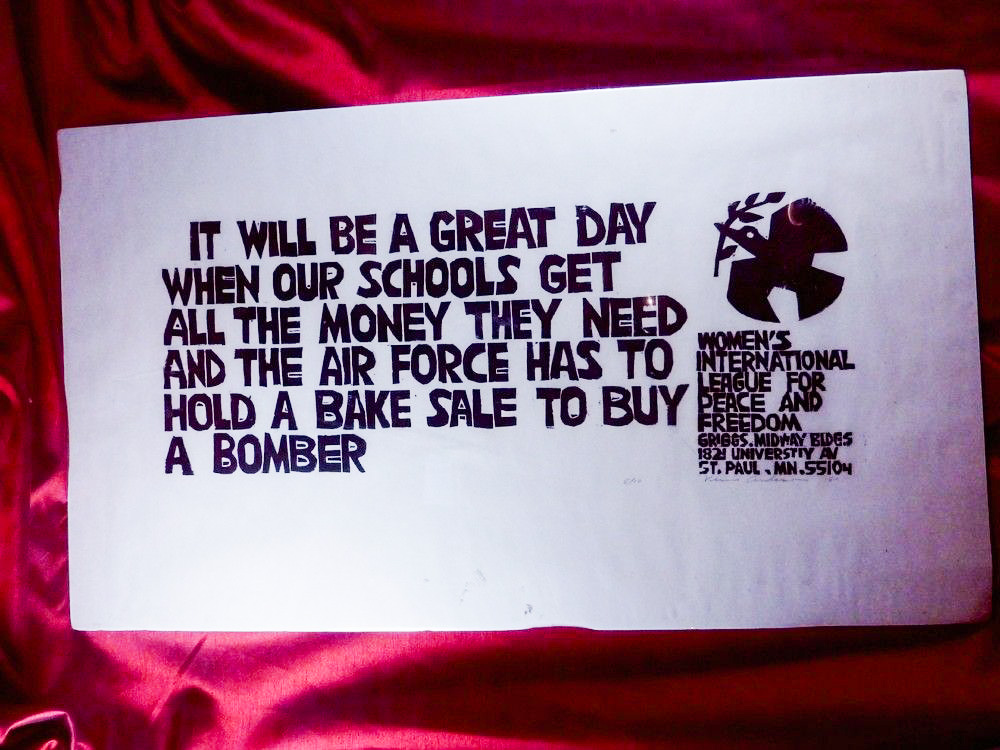
The 1987 Right Livelihood Award Acceptance Speech  Peace appeals to the hearts; studies to the brain. Both are needed, indeed indispensable. But equally indispensable is a valid link between brain and heart. The history of peace studies is, of course, a collective story, and it did not start in the 1950s – it is as old as humankind, as is the history of war studies, the study of war with warlike means. Originally published at Transcend I guess the same applies to what today is called security studies, or the study of peace with warlike means, balance of power, balance of terror, deterrence through credible retaliation etc. Needless to say, that is not what peace studies are about. Peace studies are about peace with peaceful means, and I think it is generally accepted today that this has to be done in a holistic manner and with a global perspective, or...
Categories

Year

Author / Contributor

Region