
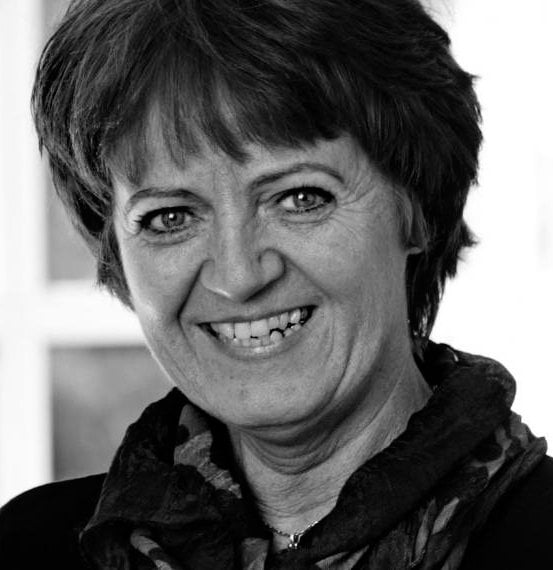
Af Birgitte Rahbek

Trykt i Kristeligt Dagblad 11. juli 2014
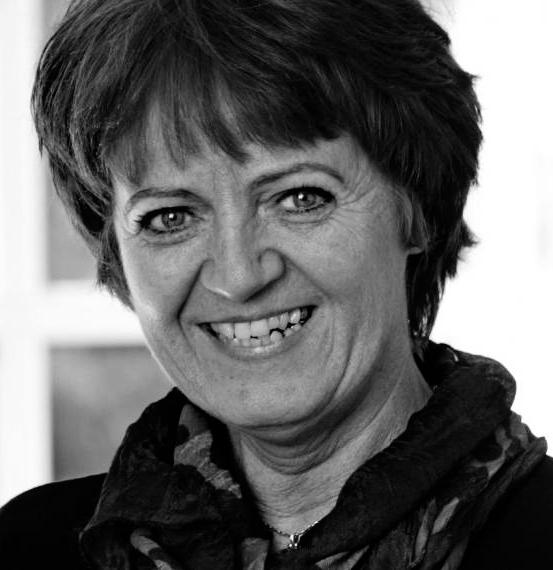

Birgitte Rahbek


Lige fra den syriske krigs begyndelse har det været et standende emne, om krigen kunne vindes – og dermed standses – ved at sende våben til oprørerne eller ved at gribe ind med flyveforbudszoner eller direkte intervention. På et meget tidligt tidspunkt gjorde NATO det klart, at en intervention ikke kunne komme på tale; det er der megen fornuft i, bortset fra at det måske havde været klogere ikke at sige det højt, for det fremmede ikke just det syriske regimes fredsvilje.

I mellemtiden har den overvejende holdning været, at Vesten hverken kan eller skal gribe ind, og at vejen til en fredelig løsning går gennem forhandlinger. FN har to gange sat erfarne diplomater til at føre forhandlingerne, men uden at de har kunnet komme igennem med en fredsplan, især fordi der blandt vestlige ledere og mellemøstlige autokrater hersker en stærk uvilje mod at forhandle fred med fjenden, som i denne forbindelse – ud over den syriske præsident og hans klan – har været Iran og Rusland.

Selv efter at Iran sidste år valgte en moderat præsident, har Vesten (af hensyn til Israel) tøvet med at inddrage Iran, der er allieret med det syriske regime, i forhandlingerne. For de fleste var det derfor ikke uventet, at disse forhandlinger ikke førte til hverken våbenhvile eller fred.

Da DIIS (Det Danske Institut for Internationale Studier) sammen med udenrigsministeriet og Europarådet i slutningen af maj afholdt en konference: ‘Hvordan kan en regional aftale hjælpe til at afslutte krigen i Syrien’, nævnte den danske udenrigsminister i sin åbningstale ikke muligheden af at sende våben til oprørerne, et synspunkt som han ellers kort forinden havde gjort sig til talsmand for. Hvis han havde gjort det, ville hans eneste forbundsfælle på konferencen have været den saudiarabiske deltager, hvis indlæg kunne sammenfattes til: “send flere våben”.

Til gengæld talte udenrigsministeren meget om, at de ansvarlige for grusomhederne i Syrien skal stilles for den internationale domstol i Haag. Det blev senere på konferencen indirekte besvaret af repræsentanten for den syriske opposition og vicedirektør for Det Arabiske Reform Initiativ, Bassma Kodmani. Hun understregede flere gange, at ja, vi ønsker fred, og ja, vi ønsker retfærdighed, men hvis vi skal vælge mellem de to, så kommer freden først. Der er næppe tvivl om, at den holdning deles af langt de fleste syrere. Bassma Kodmani understregede at store dele af den syriske stat stadig fungerer og derfor kan videreføres under nye demokratiske forhold; det vigtigste er at undgå kaos, som er det alle syrere frygter.

Nogle af de mest interessante og overraskende indlæg på konferencen kom fra de to iranske paneldeltagere. Professor Farhat Atai fra Teherans Universitet talte om, hvordan trusselsbilledet og den syriske konflikt ser ud fra Teheran. Atai forklarede, at alliancen mellem Iran og Syrien ikke er ideologisk eller religiøs, det syriske regime fremstiller jo også sig selv som socialistisk og sekulært, men at det først og fremmest skyldes, at Syrien var det eneste arabiske land, der støttede Iran, da det året efter den islamiske revolution i 1979 blev angrebet af Saddam Husseins tropper.

Professoren forklarede, at Iran lige siden revolutionen har følt sig truet, ikke alene af Irak, men også og ikke mindst af USA, efter at de neokonservative med George W. Bush kom til magten med deres Greater Middle East Initiative, som var en trussel mod alle de stater i området, der var imod Israel. De så, hvordan denne politik blev ført ud i livet i relation til palæstinenserne og irakerne, og de forstod, at planen var at gå videre med Syrien og Iran.

Efter at George Bush forlod den politiske scene, blev de neokonservatives plan lagt på hylden, men da det arabiske forår brød igennem, håbede mange i den iranske eksilopposition, at når de arabiske regimer, herunder det syriske, var faldet, ville turen komme til Iran. For Teheran var dette ikke et håb, men en frygt. For Iran er Syrien og dets libanesiske allierede Hizbollah afgørende for dets egen position og sikkerhed i området.

Iran frygter, at Syrien vil blive splittet op. Derved svækkes de kræfter, der udgør et bolværk mod Israel, et land som Iran frygter, fordi det åbenlyst har talt for intervention og angreb på Iran, og fordi det med sine stærke forbindelser i Washington øver stor indflydelse på den amerikanske politik i Mellemøsten.

Iran bekymrer sig også om shiiterne i området – og i verden – da de udgør en minoritet af verdens 1,6 milliarder muslimer. Det er dog ikke iranerne, der har ønsket den rivaliseren, der er opstået mellem Saudi Arabien og Iran.

Iran støtter derfor, at Syrien bliver bevaret som ét land, og at den syriske stat ikke bryder sammen, som det skete med den irakiske i 2003. Til gengæld satser iranerne ikke længere på Bashar al-Assad.

Ifølge Professor Atai “er mange i den iranske ledelse nu kommet til den konklusion, at Syrien ikke kan holde sammen som et stabilt og forenet land, så længe Assad er ved magten. På krigens fjerde år forventer ingen, at Bashar al-Assad vil genvinde sin magt og myndighed over Syrien. Teheran interesserer sig i virkeligheden ikke ret meget for Assad og hans regime …

Som et minimum ønsker Teheran en regering i Damaskus, som ikke er fjendtlig over for Iran. Som et maksimum ville det hellere have en allieret, der kan være en partner og fremme Teherans politik i Levanten.” Samtidig pointerede professor Atai, at det ikke står i Irans magt at presse Bashar al-Assad ud, men måske at få ham til at forstå nødvendigheden af at danne en koalitionsregering med såvel den indre som den ydre opposition.

Også den anden iranske deltager, Kayhan Barzegan, direktør for Institute for Middle East Strategic Studies i Teheran, lod dødsklokkerne ringe for Bashar al-Assad.

Man må derfor håbe, at Vesten og Rusland ikke får malet sig så meget op i hver deres hjørne i Ukraine, at de ikke kan finde tilbage til forhandlingsbordet om Syrien og trække tæppet væk under Assad uden også at trække det væk under den syriske stat.

Bassma Kodmani understregede netop betydningen af at bevare de statslige institutioner, herunder hæren, som hun mener stadig kan betegnes som en national hær, også selvom den har været involveret i mange krigsforbrydelser.

Men det er også vigtigt, at få oprørernes hovedsponsorer, nemlig Golfstaterne, til at indse, at det ikke er flere og større våben, der er brug for, men derimod en forståelse for at denne krig ikke kan vindes militært.

I sit afsluttende indlæg sagde direktøren for Europarådets Mellemøst- og Nordafrikaprogram, Daniel Levy, at det vigtige nu er at styrke bestræbelserne på at få en atomaftale i stand mellem Iran og USA, for kun en sådan aftale vil kunne få Saudi Arabien til at forstå, at det er nødvendigt med kompromisser over for Syrien. Og kun en sådan aftale vil kunne lægge en dæmper på den stedfortræderkrig, der foregår i Syrien mellem alle områdets stater.

Den seneste udvikling i Irak med ISILs kalifale aspiranter har gjort et samarbejde med Iran endnu mere påkrævet. USA og dets allierede, både her og i Mellemøsten, har på grund af manglende viden og forståelse for forholdene forårsaget mange katastrofer i regionen. Man har først og fremmest lyttet til militærfolk og folk med personlige aktier i områdets destabilisering.

Det har medført en alt for sort-hvid og sekterisk tilgang til problemerne. I stedet bør man inddrage folk med et dybtgående historisk, politologisk og antropologisk kendskab kombineret med en basal psykologisk viden og, ikke mindst, erfaring med international konfliktløsning.

Birgitte Rahbek er kultursociolog og konfliktrådsmægler, TFF Associeret.
Related Posts

The agreement is catastrophic both because of what it says and what it doesn’t mention. It reduces further the major asset of security policies: Freedom of action. Jan Oberg TFF director September 25, 2026 A couple of hours before the agreement was signed on September 22, 2026, I published the following 13 hypotheses about what it would most likely contain on TFF Substack (in English). I was wrong on only the first point. Contrary to what Trump had written on his Truth Social platform, it does not appear to come into force immediately. In fact, it turned out to be worse than even I had anticipated. After these hypotheses now come a number of reflections in light of what the agreement actually contains, and does not contain, as well as the way in which it has generally been presented by major media outlets and by the public-service broadcaster DR. My...
Photos © TFF 2000 Read PressInfo 90 “Lift the Sanctions and Bring More Aid to Yugoslavia” See Pictures from Belgrade © TFF 2000 Please reprint, copy, archive, quote or re-post this item, but please retain the source.
By Jan ObergTFF co-founder and director February 11, 2026 PART 3 — ECONOMICS, TRADE & FINANCIAL SOVEREIGNTY A. Trade Measures & Market Signaling Economic pressure can be applied instantly and scaled without violence. Immediate Measures (within a week) Government boycott US goods and services  A very powerful signal which over time will be felt. Targeted tariffs on selected U.S. goods Symbolic but high-visibility sectors send a clear message. Suspend trade facilitation talks A peaceful pause that signals deep concern. Freeze U.S. participation in public procurement – military procurement in particular A nonviolent way to reduce influence. Competition law review of U.S. corporations A legal tool to scrutinise market dominance. Longer-Term Measures EU–Asia–Africa trade corridors Reducing reliance on U.S. markets. European supply chains for critical minerals Strategic autonomy in resource access. European Strategic Trade Authority Monitoring coercive practices globally. Euro-denominated commodity markets Weakening the dollar’s pricing monopoly. The EU must resume contacts and negotiations with Russia, focusing on energy cooperation To...

Recent Articles

Tony Robinson October 4, 2026 Violence is easy to recognise when someone is being beaten, shot or killed. It becomes more difficult when nobody is holding a weapon. Poverty, discrimination, exploitation and repression can restrict a human life just as effectively, although they do so in very different ways and with very different consequences. Simply adding more categories to an ever-growing list of forms of violence does not really solve the problem. The more interesting question is what all these different situations have in common and why it makes sense to describe them using the same word. Human beings do not simply react to what happens around them. They remember the past, imagine things that do not yet exist, make plans and undertake projects. Workers organise because they imagine different working conditions; people migrate because they imagine another life somewhere else; social movements emerge because people refuse to accept the...
It’s a matter of principles, courage, vision and pulling together – while the militarist world is falling apart… Peter Langille October 3, 2026 “Here, then, is the problem which we present to you, stark and dreadful and inescapable: Shall we put an end to the human race; or shall mankind renounce war?”The Bertrand Russell—Albert Einstein Manifesto, July 9, 1955 ⁕ The forecast for what’s ahead is worrisome. The sharp rise in armed conflicts over the past three years is adding to what was already the highest level in over seventy years. Genocides, which should be prevented are supported. A shared climate emergency that jeopardises survival is ignored. Diverse polls now suggest that people are war-weary, worried and interested in a more effective United Nations. And, there are viable policy options for a more secure world! Yet governments are doubling-down, betting on more war and investing heavily. If current trends persist,...
Johan Galtung 1930-2024October 2015 Published here on October 3, 2026 Let us focus on Civilization for conflict analysis and remedies. Major forms of disorder use violence; war is state organized violence. The most belligerent states are the United States of America and Israel, both with civilization roots. National Evangelism, the US Protestant Christian civilization– more national than evangelical–justifies US warfare as exceptionalism of a people chosen by God, with a manifest destiny to run the world. Orthodox Judaism justifies Israeli warfare to conquer and expand from Nile to Euphrates as a religious right and duty to the Eternal One. The third most belligerent country, the UK, no longer believes it is God-chosen but chosen by the USA; not quite the same but something. But the root cause of global disorder lies in the Occident–with Islam–seeing itself as the single, universal civilization valid for all at all times, all others being...

TFF on Substack

Discover and subscribe to more peace materials on TFF Substack

Most Popular

Tony Robinson October 4, 2026 Violence is easy to recognise when someone is being beaten, shot or killed. It becomes more difficult when nobody is holding a weapon. Poverty, discrimination, exploitation and repression can restrict a human life just as effectively, although they do so in very different ways and with very different consequences. Simply adding more categories to an ever-growing list of forms of violence does not really solve the problem. The more interesting question is what all these different situations have in common and why it makes sense to describe them using the same word. Human beings do not simply react to what happens around them. They remember the past, imagine things that do not yet exist, make plans and undertake projects. Workers organise because they imagine different working conditions; people migrate because they imagine another life somewhere else; social movements emerge because people refuse to accept the...
It’s a matter of principles, courage, vision and pulling together – while the militarist world is falling apart… Peter Langille October 3, 2026 “Here, then, is the problem which we present to you, stark and dreadful and inescapable: Shall we put an end to the human race; or shall mankind renounce war?”The Bertrand Russell—Albert Einstein Manifesto, July 9, 1955 ⁕ The forecast for what’s ahead is worrisome. The sharp rise in armed conflicts over the past three years is adding to what was already the highest level in over seventy years. Genocides, which should be prevented are supported. A shared climate emergency that jeopardises survival is ignored. Diverse polls now suggest that people are war-weary, worried and interested in a more effective United Nations. And, there are viable policy options for a more secure world! Yet governments are doubling-down, betting on more war and investing heavily. If current trends persist,...
Johan Galtung 1930-2024October 2015 Published here on October 3, 2026 Let us focus on Civilization for conflict analysis and remedies. Major forms of disorder use violence; war is state organized violence. The most belligerent states are the United States of America and Israel, both with civilization roots. National Evangelism, the US Protestant Christian civilization– more national than evangelical–justifies US warfare as exceptionalism of a people chosen by God, with a manifest destiny to run the world. Orthodox Judaism justifies Israeli warfare to conquer and expand from Nile to Euphrates as a religious right and duty to the Eternal One. The third most belligerent country, the UK, no longer believes it is God-chosen but chosen by the USA; not quite the same but something. But the root cause of global disorder lies in the Occident–with Islam–seeing itself as the single, universal civilization valid for all at all times, all others being...
Read More
Living-Peace-Sign-Budapest-copy
Tony Robinson October 4, 2026 Violence is easy to recognise when someone is being beaten, shot or killed. It becomes more difficult when nobody is holding a weapon. Poverty, discrimination, exploitation and repression can restrict a human life just as effectively, although they do so in very different ways and with very different consequences. Simply adding more categories to an ever-growing list of forms of violence does not really solve the problem. The more interesting question is what all these different situations have in common and why it makes sense to describe them using the same word. Human beings do not simply react to what happens around them. They remember the past, imagine things that do not yet exist, make plans and undertake projects. Workers organise because they imagine different working conditions; people migrate because they imagine another life somewhere else; social movements emerge because people refuse to accept the...
b54a1f10-8c65-4f0b-9dd5-4abc0a7d04cc_2659x2659
It’s a matter of principles, courage, vision and pulling together – while the militarist world is falling apart… Peter Langille October 3, 2026 “Here, then, is the problem which we present to you, stark and dreadful and inescapable: Shall we put an end to the human race; or shall mankind renounce war?”The Bertrand Russell—Albert Einstein Manifesto, July 9, 1955 ⁕ The forecast for what’s ahead is worrisome. The sharp rise in armed conflicts over the past three years is adding to what was already the highest level in over seventy years. Genocides, which should be prevented are supported. A shared climate emergency that jeopardises survival is ignored. Diverse polls now suggest that people are war-weary, worried and interested in a more effective United Nations. And, there are viable policy options for a more secure world! Yet governments are doubling-down, betting on more war and investing heavily. If current trends persist,...
010
Johan Galtung 1930-2024October 2015 Published here on October 3, 2026 Let us focus on Civilization for conflict analysis and remedies. Major forms of disorder use violence; war is state organized violence. The most belligerent states are the United States of America and Israel, both with civilization roots. National Evangelism, the US Protestant Christian civilization– more national than evangelical–justifies US warfare as exceptionalism of a people chosen by God, with a manifest destiny to run the world. Orthodox Judaism justifies Israeli warfare to conquer and expand from Nile to Euphrates as a religious right and duty to the Eternal One. The third most belligerent country, the UK, no longer believes it is God-chosen but chosen by the USA; not quite the same but something. But the root cause of global disorder lies in the Occident–with Islam–seeing itself as the single, universal civilization valid for all at all times, all others being...
Screenshot 2026-10-02 011738
Jan ObergPhD, director, The Transnational Foundation for Peace and Future Research, TFFLund, Sweden October 2, 2026 This is my full original manuscript. The Chinese Academy of Social Science, CASS, makes two publications out if it. 1. China’s Five-year plan emphasized the capabilities of basic research and original innovation. It is regarded as the goal of the future social development, which, as required, should be significantly enhanced. Can you comment on the importance of original innovation in research and academic study? I believe it is easier to define “original innovation” in the natural sciences than in social sciences. The breaking points of what constitutes something new, or innovative, are not quite as sharp in the latter. But in both fields it is about opening up something that was closed, unseen, unexplored before – making manifest what was earlier latent. Innovations come in many forms and shapes – naming something that was not...
arctic-circle-map
The agreement is catastrophic both because of what it says and what it doesn’t mention. It reduces further the major asset of security policies: Freedom of action. Jan Oberg TFF director September 25, 2026 A couple of hours before the agreement was signed on September 22, 2026, I published the following 13 hypotheses about what it would most likely contain on TFF Substack (in English). I was wrong on only the first point. Contrary to what Trump had written on his Truth Social platform, it does not appear to come into force immediately. In fact, it turned out to be worse than even I had anticipated. After these hypotheses now come a number of reflections in light of what the agreement actually contains, and does not contain, as well as the way in which it has generally been presented by major media outlets and by the public-service broadcaster DR. My...
girl-5894831_1280
Below are TFF-related media mentions, comments, videos and social media posts published elsewhere but not on this homepage. We happen to catch and list only a fraction. Regarding video comments and debates, we recommend that you go to the TFF Video Channel on Substack where many of them are reproduced. Jan Oberg is a contributor to China Daily – 52 million daily clicks – and Global Times, CGTN and CCTV (the national television), China Investment, Xinhua News Agency and several others. Articles and videos on these media very often multiply into countless Chinese (and Western media) that re-post them from these main media. Thanks to The China Academy, his analyses, interviews and comments are frequently posted on YouTube channels such as Thinkers Forum and Wave Media. These videos are often re-posted on Bilibili (China’s YouTube), the China Content Center on TikTok, and on the Chinese edition of TikTok, Douyin.com. This means reaching hundreds of millions of viewers worldwide over a year. While there are too many to catch on all these...





