Syrien – hvad kunne være gjort og hvad kan stadig gøres?

– Eller: Sådan har vi svigtet Syrien

Publiceret 13 september 2013 på Ræson online

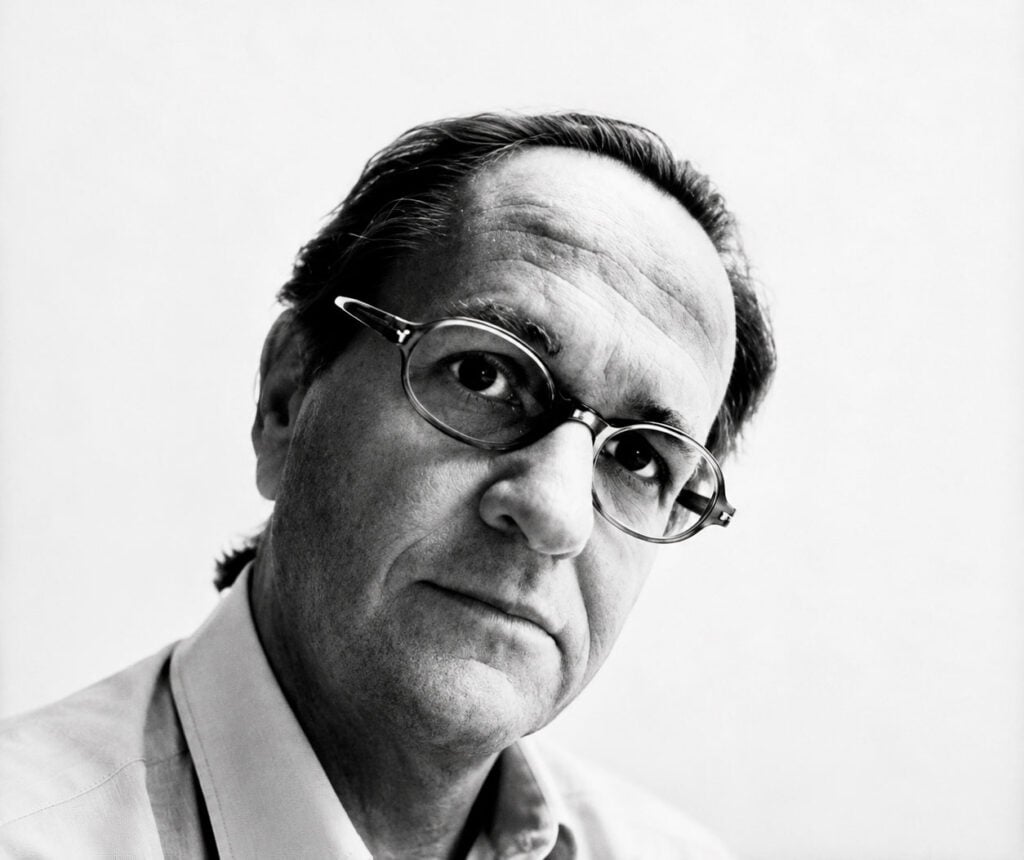
Af Jan Øberg, docent
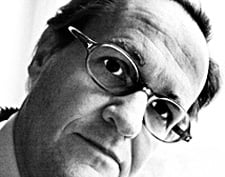
Hvis det er fred, verden vil have, er det et ynkeligt spil vi har set, mener fredsforskeren Jan Øberg, medstifter og direktør for den Transnationale Stiftelse for Freds- og Fremtidsforskning i Lund – www.transnational.org

Gad vide hvor mange mislykkede krige vi endnu skal igennem før især politikere og medier opdager det indlysende faktum at der findes et temmeligt bredt spektrum af handlingsmuligheder mellem at gøre ingenting og at smadre et land når konflikter dukker op?

Det spektrum hedder konflikthåndtering og tilhører et fagområde der undervises i rundt om på verdens universiteter. Det kræver at FNs medlemsstater etablerer ”styrker” af uddannede konfliktanalytikere, facilitatorer, mæglere, områdeeksperter, forhandlere og forsoningsterapeuter, der kan rykke ud endnu hurtigere end de kan sende krydsermissiler og F-16 fly.

For at dette spektrum kan blive inddraget forudsættes endvidere at regeringer ikke direkte ønsker krig under foregivende af at have gode og ofte humanitære motiver hvor de i virkeligheden har rå interesser.

Med andre ord, man kan gøre noget ved den manifeste konfliktanalfabetisme, der først søger militære løsninger og – som en række danske politikere – hurtigt tilsidesætter folkeretten og FNs fornemste norm, nemlig den at fred skal skabes med fredelige midler og først når de alle har været prøvet og vist sig uden effekt kan man gribe til militære midler, vel at mærke i FN-regi.

Eller anderledes udtrykt: fred kan læres. Når nu de fleste mennesker i verden – også 98% af de civile i konfliktzoner der ikke griber til vold men er dens ofre – ønsker fred skulle man kunne tage demokratiet alvorligt og gøre en kraftanstrengelse for at mindske (ikke afskaffe) militæret, der globalt koster 1700 milliarder dollar eller 30 gange mere end alt FN gør – og i stedet øge konflikthåndteringen.

Eksemplet Syrien – gal diagnose og prognose

Verden har brug for konflikt-lægevidenskab: diagnose, prognose og behandling.

Diagnosen turde være nok så klar: Det handler om endog meget komplekse indre konflikter, den arabiske vår (oprindeligt) men det handler også om hele Mellemøsten og især hér om Vestens ønske om at holde Iran nede og Israel oppe. En diagnose, der fokuserer på én person eller elite som ”diktatoren” (i gåseøjne for det var han jo ikke førhen) el-Assad er amatørisme.

Det er også konfliktanalfabetisme at dele alle konflikter op i to parter. I Syrien med omegn er der sikkert 20-30 relevante konfliktparter. Den tredje fejl-diagnose er den medier som regel begår og dermed puffer til voldelige løsninger: fokus på volden (mest den ene sides) og ikke på de underliggende konflikter.

En gal diagnose leder til gal prognose. Man besluttede sig for at etablere Syriens Venner der tog parti for ”oppositionen” uden at vide hvad den bestod af. Dermed troede man at Syriens problemer kunne løses uden samtale med regimet.

Man pumpede, som sædvanlig, mængder af våben, ammunition og træning ind og det internationale ”samfund” (der de facto betyder nogle få vestlige regeringer) meddelte Kofi Annan, den mest fremragende mægler som opnåede en forhandlingsplan, at man ikke kunne hjælpe ham med de monitorer hans plan krævede. Havde han foreslået militært angreb så havde man givetvis kunnet få F-16 afsted på få dage.

Med andre ord, intet af det der er gjort udefra kan kaldes konflikthåndtering. Man har fra starten – bevidst eller fordi man ikke véd bedre – taget skridt, der kun kunne lede til optrapning, stadig højere tabstal og flygtningestrømme. Til Assad sendte man signalet at han ikke havde en fremtid i Syrien og måske ikke i live; det kunne kun galvanisere ham. Til oppositionen sagde man: ”Vi er med Jer. Jeres kamp skal ikke være ikkevoldelig, her har I våben. Det er OK at I nægter at deltage i forhandlinger.” Dette uanset at oppositionen omfatter elementer af al-Qaeda som vi ellers har bekæmpet i (blind) solidaritet med USA i 12 år.

De eneste vi ikke gjorde noget for var de dér 98% civile i Syrien; deres lidelser fra såvel regimets som oppositions vold blev bare værre. Men – When will we ever learn?

Det var altså det gamle krigsparadigme, der endnu engang dominerede. Obama zigzaggede sig ind i et hjørne hvorfra han ikke finder nogen god udvej og John Kerry talte patetisk om ”vort München-øjeblik”. Sådan er det gået før når magtmænds følelser krydret med ”gruppetænkning” og medieskuespil sætter rationel kundskabsbaseret politik i skammekrogen. Mindst to danske kvinder – statsministeren og udenrigspolitisk nævns leder – fulgte dette mandlige spor.

Syrien – behandling

Hér et dusin idéer: Man kunne have foretaget factfinding, sendt delegationer af Nobels fredsprismodtagere og andre helt upartiske for at finde løsninger; høringer med alle syriske parter i Europa-parlamentet og FNs generalforsamling – hvad er Jeres frygt, hvad ønsker I, hvad står i vejen, hvordan kan vi bedst hjælpe Jer alle?

Man kunne have brugt uformelt diplomati uden for mediers rampelys; understøttet Kofi Annan i stedet for at tvinge ham til at træde tilbage. Afstået fra at pumpe våben ind til alle sider. Afstået fra at tage stilling – i hvert så ensidigt – for en massemyrdende opposition.

Man kunne faktisk have talt med Assad og Co – England mente jo så sendt som 2010 at han var OK da man solgte kemiske midler til ham. Den internationale krigsforbryderdomstol kunne have været brugt. 

Og naturligvis skulle man have indset at der ikke findes nogen løsning uden at Iran og Rusland spiller hjælper til. Putins artikel i New York Times 12 september var et bevis herfor.

For en løsning er fremtiden vigtigere end fortiden. Vi kunne have haft dialoger på alle niveauer med mange og forskellige parter om den ønskeværdige fremtid for alle. Mellemøsten må blive den zone fri for masseødelæggende våben, der allerede er bestemt og hér slipper Israel ikke udenom.

For nu at blive i lægesproget: Patienten er faktisk ved at dø på operationsbordet. Når Syrien er hvor det er i dag skyldes det at det er en meget svær konflikt i en ekstremt konflikttæt region men mindst lige så meget fordi enhver form for fornuftig konflikthåndtering udeblev.

De kemiske våben


Det russiske forslag om afvæbning af alle siders kemiske våben er godt men megasvært at realisere på jorden. Det vil kræve mindst 5.000 robuste FN-soldater fra lande der ikke har interesser på nogen side eller i noget resultat. De skal gøre hvad FN gjorde i Østre Slavonien: lade folk frivilligt indlevere sine våben til opsamlingspladser og banke dem til det, der ikke vil. Derefter lægges de i depoter som kun FN har nøgler til.

Hvis medlemsstaterne ønsker at give FN og folkeretten en slags oprettelse efter årtiers underminering af organisationen – den fineste menneskeheden har – så kan det lade sig gøre. Men det er relativt få der er blevet dræbt af kemiske våben.

Hvis afvæbningen lykkes vil alle den oprindelige konflikts dimensioner dog stå tilbage. Og de kan kun finde en løsning når krigens paradigme erstattes af konflikthåndteringens. Derfor er der grund til at være pessimist på kort sig men måske lidt optimistisk på det længere sigt.

Peace & future researcher + ‌Art Photographer

Related Posts

Tony Robinson October 4, 2026 Violence is easy to recognise when someone is being beaten, shot or killed. It becomes more difficult when nobody is holding a weapon. Poverty, discrimination, exploitation and repression can restrict a human life just as effectively, although they do so in very different ways and with very different consequences. Simply adding more categories to an ever-growing list of forms of violence does not really solve the problem. The more interesting question is what all these different situations have in common and why it makes sense to describe them using the same word. Human beings do not simply react to what happens around them. They remember the past, imagine things that do not yet exist, make plans and undertake projects. Workers organise because they imagine different working conditions; people migrate because they imagine another life somewhere else; social movements emerge because people refuse to accept the...
It’s a matter of principles, courage, vision and pulling together – while the militarist world is falling apart… Peter Langille October 3, 2026 “Here, then, is the problem which we present to you, stark and dreadful and inescapable: Shall we put an end to the human race; or shall mankind renounce war?”The Bertrand Russell—Albert Einstein Manifesto, July 9, 1955 ⁕ The forecast for what’s ahead is worrisome. The sharp rise in armed conflicts over the past three years is adding to what was already the highest level in over seventy years. Genocides, which should be prevented are supported. A shared climate emergency that jeopardises survival is ignored. Diverse polls now suggest that people are war-weary, worried and interested in a more effective United Nations. And, there are viable policy options for a more secure world! Yet governments are doubling-down, betting on more war and investing heavily. If current trends persist,...
Johan Galtung 1930-2024October 2015 Published here on October 3, 2026 Let us focus on Civilization for conflict analysis and remedies. Major forms of disorder use violence; war is state organized violence. The most belligerent states are the United States of America and Israel, both with civilization roots. National Evangelism, the US Protestant Christian civilization– more national than evangelical–justifies US warfare as exceptionalism of a people chosen by God, with a manifest destiny to run the world. Orthodox Judaism justifies Israeli warfare to conquer and expand from Nile to Euphrates as a religious right and duty to the Eternal One. The third most belligerent country, the UK, no longer believes it is God-chosen but chosen by the USA; not quite the same but something. But the root cause of global disorder lies in the Occident–with Islam–seeing itself as the single, universal civilization valid for all at all times, all others being...

Recent Articles

Tony Robinson October 4, 2026 Violence is easy to recognise when someone is being beaten, shot or killed. It becomes more difficult when nobody is holding a weapon. Poverty, discrimination, exploitation and repression can restrict a human life just as effectively, although they do so in very different ways and with very different consequences. Simply adding more categories to an ever-growing list of forms of violence does not really solve the problem. The more interesting question is what all these different situations have in common and why it makes sense to describe them using the same word. Human beings do not simply react to what happens around them. They remember the past, imagine things that do not yet exist, make plans and undertake projects. Workers organise because they imagine different working conditions; people migrate because they imagine another life somewhere else; social movements emerge because people refuse to accept the...
It’s a matter of principles, courage, vision and pulling together – while the militarist world is falling apart… Peter Langille October 3, 2026 “Here, then, is the problem which we present to you, stark and dreadful and inescapable: Shall we put an end to the human race; or shall mankind renounce war?”The Bertrand Russell—Albert Einstein Manifesto, July 9, 1955 ⁕ The forecast for what’s ahead is worrisome. The sharp rise in armed conflicts over the past three years is adding to what was already the highest level in over seventy years. Genocides, which should be prevented are supported. A shared climate emergency that jeopardises survival is ignored. Diverse polls now suggest that people are war-weary, worried and interested in a more effective United Nations. And, there are viable policy options for a more secure world! Yet governments are doubling-down, betting on more war and investing heavily. If current trends persist,...
Johan Galtung 1930-2024October 2015 Published here on October 3, 2026 Let us focus on Civilization for conflict analysis and remedies. Major forms of disorder use violence; war is state organized violence. The most belligerent states are the United States of America and Israel, both with civilization roots. National Evangelism, the US Protestant Christian civilization– more national than evangelical–justifies US warfare as exceptionalism of a people chosen by God, with a manifest destiny to run the world. Orthodox Judaism justifies Israeli warfare to conquer and expand from Nile to Euphrates as a religious right and duty to the Eternal One. The third most belligerent country, the UK, no longer believes it is God-chosen but chosen by the USA; not quite the same but something. But the root cause of global disorder lies in the Occident–with Islam–seeing itself as the single, universal civilization valid for all at all times, all others being...

TFF on Substack

Discover and subscribe to more peace materials on TFF Substack

Most Popular

Tony Robinson October 4, 2026 Violence is easy to recognise when someone is being beaten, shot or killed. It becomes more difficult when nobody is holding a weapon. Poverty, discrimination, exploitation and repression can restrict a human life just as effectively, although they do so in very different ways and with very different consequences. Simply adding more categories to an ever-growing list of forms of violence does not really solve the problem. The more interesting question is what all these different situations have in common and why it makes sense to describe them using the same word. Human beings do not simply react to what happens around them. They remember the past, imagine things that do not yet exist, make plans and undertake projects. Workers organise because they imagine different working conditions; people migrate because they imagine another life somewhere else; social movements emerge because people refuse to accept the...
It’s a matter of principles, courage, vision and pulling together – while the militarist world is falling apart… Peter Langille October 3, 2026 “Here, then, is the problem which we present to you, stark and dreadful and inescapable: Shall we put an end to the human race; or shall mankind renounce war?”The Bertrand Russell—Albert Einstein Manifesto, July 9, 1955 ⁕ The forecast for what’s ahead is worrisome. The sharp rise in armed conflicts over the past three years is adding to what was already the highest level in over seventy years. Genocides, which should be prevented are supported. A shared climate emergency that jeopardises survival is ignored. Diverse polls now suggest that people are war-weary, worried and interested in a more effective United Nations. And, there are viable policy options for a more secure world! Yet governments are doubling-down, betting on more war and investing heavily. If current trends persist,...
Johan Galtung 1930-2024October 2015 Published here on October 3, 2026 Let us focus on Civilization for conflict analysis and remedies. Major forms of disorder use violence; war is state organized violence. The most belligerent states are the United States of America and Israel, both with civilization roots. National Evangelism, the US Protestant Christian civilization– more national than evangelical–justifies US warfare as exceptionalism of a people chosen by God, with a manifest destiny to run the world. Orthodox Judaism justifies Israeli warfare to conquer and expand from Nile to Euphrates as a religious right and duty to the Eternal One. The third most belligerent country, the UK, no longer believes it is God-chosen but chosen by the USA; not quite the same but something. But the root cause of global disorder lies in the Occident–with Islam–seeing itself as the single, universal civilization valid for all at all times, all others being...
Read More
Living-Peace-Sign-Budapest-copy
Tony Robinson October 4, 2026 Violence is easy to recognise when someone is being beaten, shot or killed. It becomes more difficult when nobody is holding a weapon. Poverty, discrimination, exploitation and repression can restrict a human life just as effectively, although they do so in very different ways and with very different consequences. Simply adding more categories to an ever-growing list of forms of violence does not really solve the problem. The more interesting question is what all these different situations have in common and why it makes sense to describe them using the same word. Human beings do not simply react to what happens around them. They remember the past, imagine things that do not yet exist, make plans and undertake projects. Workers organise because they imagine different working conditions; people migrate because they imagine another life somewhere else; social movements emerge because people refuse to accept the...
b54a1f10-8c65-4f0b-9dd5-4abc0a7d04cc_2659x2659
It’s a matter of principles, courage, vision and pulling together – while the militarist world is falling apart… Peter Langille October 3, 2026 “Here, then, is the problem which we present to you, stark and dreadful and inescapable: Shall we put an end to the human race; or shall mankind renounce war?”The Bertrand Russell—Albert Einstein Manifesto, July 9, 1955 ⁕ The forecast for what’s ahead is worrisome. The sharp rise in armed conflicts over the past three years is adding to what was already the highest level in over seventy years. Genocides, which should be prevented are supported. A shared climate emergency that jeopardises survival is ignored. Diverse polls now suggest that people are war-weary, worried and interested in a more effective United Nations. And, there are viable policy options for a more secure world! Yet governments are doubling-down, betting on more war and investing heavily. If current trends persist,...
010
Johan Galtung 1930-2024October 2015 Published here on October 3, 2026 Let us focus on Civilization for conflict analysis and remedies. Major forms of disorder use violence; war is state organized violence. The most belligerent states are the United States of America and Israel, both with civilization roots. National Evangelism, the US Protestant Christian civilization– more national than evangelical–justifies US warfare as exceptionalism of a people chosen by God, with a manifest destiny to run the world. Orthodox Judaism justifies Israeli warfare to conquer and expand from Nile to Euphrates as a religious right and duty to the Eternal One. The third most belligerent country, the UK, no longer believes it is God-chosen but chosen by the USA; not quite the same but something. But the root cause of global disorder lies in the Occident–with Islam–seeing itself as the single, universal civilization valid for all at all times, all others being...
Screenshot 2026-10-02 011738
Jan ObergPhD, director, The Transnational Foundation for Peace and Future Research, TFFLund, Sweden October 2, 2026 This is my full original manuscript. The Chinese Academy of Social Science, CASS, makes two publications out if it. 1. China’s Five-year plan emphasized the capabilities of basic research and original innovation. It is regarded as the goal of the future social development, which, as required, should be significantly enhanced. Can you comment on the importance of original innovation in research and academic study? I believe it is easier to define “original innovation” in the natural sciences than in social sciences. The breaking points of what constitutes something new, or innovative, are not quite as sharp in the latter. But in both fields it is about opening up something that was closed, unseen, unexplored before – making manifest what was earlier latent. Innovations come in many forms and shapes – naming something that was not...
arctic-circle-map
The agreement is catastrophic both because of what it says and what it doesn’t mention. It reduces further the major asset of security policies: Freedom of action. Jan Oberg TFF director September 25, 2026 A couple of hours before the agreement was signed on September 22, 2026, I published the following 13 hypotheses about what it would most likely contain on TFF Substack (in English). I was wrong on only the first point. Contrary to what Trump had written on his Truth Social platform, it does not appear to come into force immediately. In fact, it turned out to be worse than even I had anticipated. After these hypotheses now come a number of reflections in light of what the agreement actually contains, and does not contain, as well as the way in which it has generally been presented by major media outlets and by the public-service broadcaster DR. My...
girl-5894831_1280
Below are TFF-related media mentions, comments, videos and social media posts published elsewhere but not on this homepage. We happen to catch and list only a fraction. Regarding video comments and debates, we recommend that you go to the TFF Video Channel on Substack where many of them are reproduced. Jan Oberg is a contributor to China Daily – 52 million daily clicks – and Global Times, CGTN and CCTV (the national television), China Investment, Xinhua News Agency and several others. Articles and videos on these media very often multiply into countless Chinese (and Western media) that re-post them from these main media. Thanks to The China Academy, his analyses, interviews and comments are frequently posted on YouTube channels such as Thinkers Forum and Wave Media. These videos are often re-posted on Bilibili (China’s YouTube), the China Content Center on TikTok, and on the Chinese edition of TikTok, Douyin.com. This means reaching hundreds of millions of viewers worldwide over a year. While there are too many to catch on all these...