Milliardbataljonen: Är Sveriges satsning i Kosovo genomtänkt?

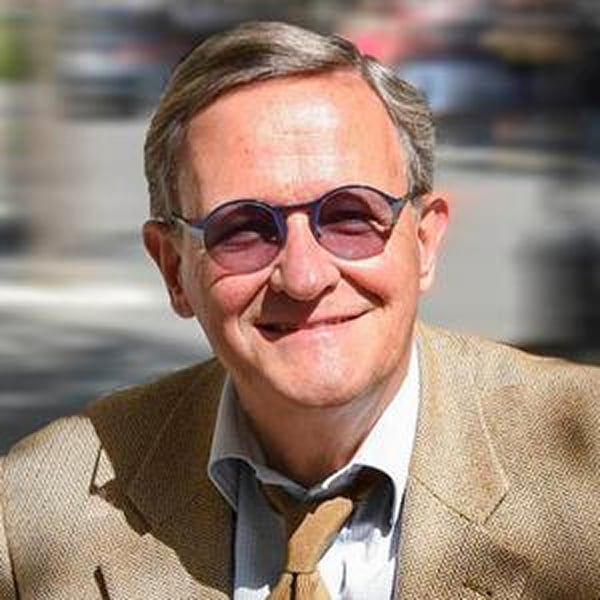
Christian Hårleman
F.d. överstelöjtnant, f.d chef utbildningsavd. för fredsbevarande operationer i FN, rådgivare till Institute of World Affairs, Washington D.C e-mail: ch.harleman@crido.pp.se

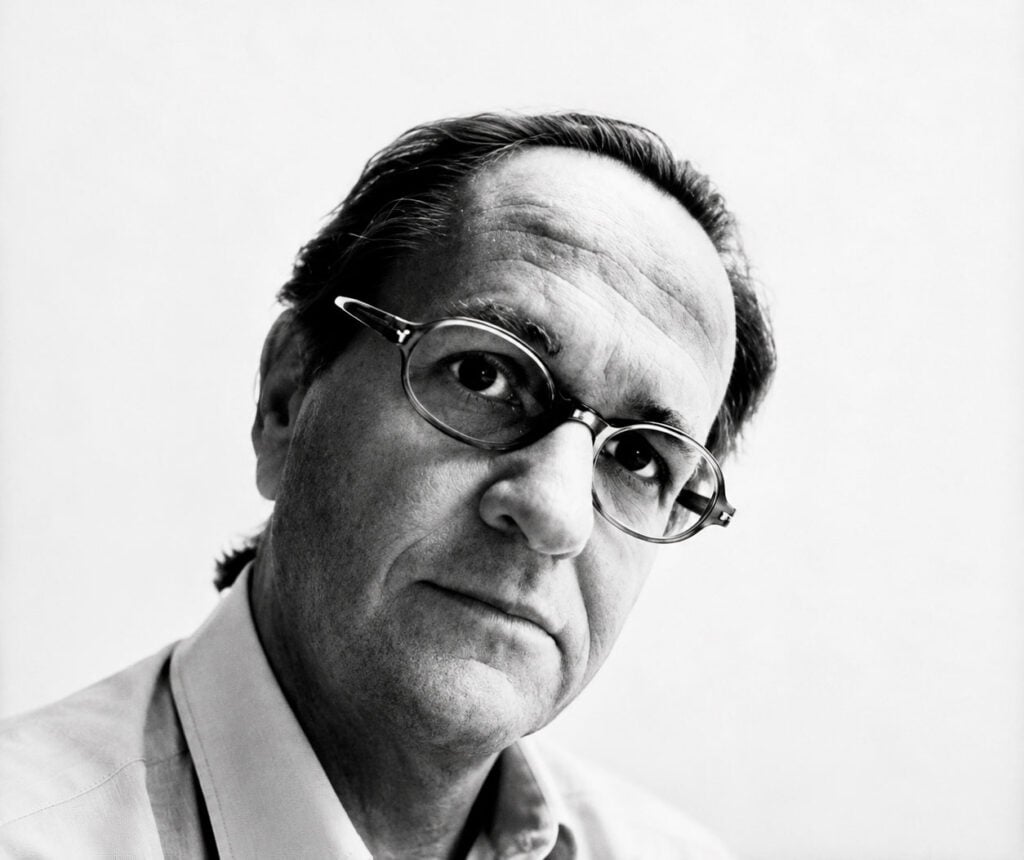
Jan Øberg
Fil.dr., Direktör för Transnationella Stiftelsen för Freds- och framtidsforskning, TFF, i Lund
e-mail: tff@transnational.live

Sverige håller på att installera ungefär 850 soldater i Kosovo som ska delta i KFOR, den militära styrka om 45.000 soldater med tung utrustning, som kom på plats i kölvattnet på NATO:s krig mot Jugoslavien under våren.

Som väntat och efter långa och noggranna förberedelser är styrkan både välutbildad och välutrustad: toppmodern utrustning och ungefär 140 olika fordon – allt från stridsvagnssläp, arbetsfordon och lastbilar till pansarbandvagnar, pansarskyttefordon och pansrade ledningsfordon.

Kostnaden uppges vara 900 miljoner kronor. Detta är den största enskilda satsning vår regering gör för att bidra till en lösning av de svåra problemen i och kring Kosovo. I jämförelse har Sverige avsatt 84 miljoner kronor år 1999 och 2000 för civila insatser inom FN:s UNMIK-mission i Kosovo och 170 miljoner till humanitära insatser. Men bortsett från en effektiv uppbyggnad, väl genomförd nertransport med åtföljande gruppering finns onekligen ett antal frågetecken.

Varför fler soldater till Kosovo? Den som nyligen besökt området vet att vägarna är blockerade av militär materiel och att det knappt går att sätta ned foten utan att trampa på en känga. Styrkan som först var 4.000 man i beredskap i Makedonien har vuxit över tid – under Rambouilletmöten talades om 28.000 man. 45.000 kunde möjligen vara befogad i ett multi-etniskt Kosovo, men då området i dag är så gott som rensat från icke-albaner bör KFOR:s uppgifter snart kunna lösas med en mycket mindre styrka. Det Kosovo, försvarsmakten har planerat utifrån, finns inte längre.

Vad blir då den svenska bataljonens uppgift? Förutom att medverka till ett förbättrat säkerhetsläge skall den enligt bataljonschefen Överste Fleming Christensen medverka i det humanitära hjälparbetet. I och för sig är det en lovvärd inriktning men måste dock ses mot bakgrund av det uttalande chefen för FNs flyktingkommissariat (UNHCR) nyligen gjorda, nämligen att den starka militära närvaron i Kosovo klart underminerar de olika hjälporganisationernas arbete samt att uppgifter till militära förband inte får ersätta humanitära mandat givna till internationella hjälporganisationer. Den militär/civila prioriteringen i Sveriges insats är i det ljuset i sanning befängd.

Under pukor och trumpeter annonserades för ett par år sedan tillkomsten av ett svenskt snabbinsatsförband (Swerap) för tänkt verksamhet utomlands. Sammansättningen och dess beredskap skulle ge Sverige möjlighet att inom 2-4 veckor efter Regeringsbeslut operativt kunna deltaga i en fredsbevarande (eller motsvarande) operation. Även om Kosovobataljonen till vissa delar utgörs av personal från detta förband så har denna beredskap inte till någon del utnyttjats. Varför?

Troligen därför att förbandssammansättningen ej motsvarade de krav som Förvarsmakten ansåg nödvändigt för en Kosovo operation. Men om nu detta var fallet ställer man sig osökt frågan om Swerap överhuvudtaget har ett berättigande om förbandet vid dess första test inte anses hålla måttet. Ett förband av den styrka och sammansättning som Kosovobataljonenen nu utgör berör ytterst tre krigsförband i Sverige: ett under uppsättning och utbildning, ett förband under verksamhet i Kosovo samt ett vad gäller reorganisation efter hemkomsten. Med ett framtida försvar om 4 armébrigader om tre fältbataljoner vardera kan således nästan 25% av dessa vara uppbundna i Kosovo eller framtida liknande operationer.

Visdomen av detta och vad som menas med att “förvarsmakten skall utveckla och vidmakthålla förband och personal för att kunna ställa dessa till förfogande för internationella uppdrag och insatser som stöd för svensk utrikes- och säkerhetspolitik” borde närmare analyseras och bättre definieras. Frågorna om omfattning och verksamhet – och om timing – vad avser svenskt internationellt engagemang i fredsbevarande (motsvarande) operationer bör klarläggas.

Dessutom försenades förberedelsearbetet avsevärt till viss mån beroende på utdragna diskussioner om finansieringen men också på grund av Överbefälhavarens beslut att ej samordna verksamheten med den finska förvarsmakten; Sverige skulle ensamt organisera och finansiera denna komplicerade förbandstyp. Således både försinkades och komplicerades förberedelserna avsevärt och i stället för ett lättmobiliserat förband och relativt kostnadseffektivt erhölls motsatsen.

Slutligen, i utredningar och skrifter, senast UD:s “Preventing Violent Conflict” som är en svensk handlingsplan för konflikthantering, markeras en svensk säkerhetspolitisk nyprofilering, där regeringen och utrikesministern förespråkar tidigt förebyggande av våld och, så långt det går, användandet av fredliga medel till att lösa konflikter, skapa säkerhet och hjälpa stridande parter att åter försonas efter krig. Är Kosovo-insatsen överhuvudtaget i linje med detta?

I vad mån tjänar den militära insatsen och proportionerna mellan civilt och militärt den långsiktiga fred och utveckling i området? Baseras Sveriges politik i området enbart på en behovsanalys eller tillika på en sorts internationell positionering i förhållande till t.ex. NATO och EU?

Avsaknaden av ett institutionellt tänkande och operativa konsekvensanalyser sett ur det humanitärpolitiska perspektivet är en brist inom försvarsmakten och kan leda till att Sverige framgent beslutar om operationer vilka genom att vara på “fel plats, vid fel tid och med felaktig utrustning” kan allvarligt skada svensk försvars- och utrikespolitik och än värre leda till svåra konsekvenser för den grupp människor vi är satta att hjälpa.


11 oktober 1999
Related Posts

LONDON – So far so good, at least on the wider level. While internally Iraq seems on the edge of chaos, the much heralded clash of civilizations between the Muslim and Judaeo-Christian worlds has yet to become apparent. We have anger and despair aplenty in the Arab and Muslim worlds. But very little rushing to the standard and there was no great pilgrimage of warriors to join the fight, as happened when the Soviet Union invaded Afghanistan twenty years ago, and then, having driven the Red Army out, were left to ferment in that mountainous redoubt. With the armaments supplied by the CIA the mujahidin were transformed into Al Qaeda that became, for a relatively brief moment as these things go, ‘the greatest threat to the homeland that America has ever known.’ Nevertheless a ‘Cold War’ between much of the Muslim world and the West is certainly in full swing. Winston...
The Challenge of Nuclear Weaponsin the Twenty-first CenturyA Path Forward The peoples and governments of the world face an urgent challenge relating to weaponry of mass destruction and particularly to nuclear weaponry.  At the crossroads of technology, terrorism, geopolitical ambition, and policies of preemption are new and potent dangers for humanity. Despite ending the nuclear standoff of the Cold War era, nuclear weaponry is again menacing the peoples of the world with catastrophic possibilities.  We recognize the need for any government to pursue its security interests in accordance with international law; and further, we recognize that distinctive threats to these interests now exist as a result of an active international terrorist network having declared war on the United States and its allies. Nonetheless, we reject the assessment of the current US administration that upgrading a reliance on nuclear weapons is in any sense justified as a response. We find it...
By Karin Wegestal MP, the Social Democratic Partyon behalf of the Swedish Committee for Solidarity with the Yugoslav People During the last decade, the Federal Republic of Yugoslavia has received more than 500,000 refugees from Croatia and Bosnia, and another 300,000 internally displaced persons, mainly from the province Kosovo and Metohia. For a country with about ten million inhabitants, such an influx of homeless people is obviously a very heavy burden – even under peaceful conditions. But in addition to that, the Federal Republic of Yugoslavia has been the subject to sanctions from the western powers for close to ten years and its infrastructure was badly hurt through Nato’s intense bombardment during 78 days in 1999. The result of all this is that Yugoslavia, once the most developed industrial country in Eastern Europe, is today the poorest country in Europe. In Serbia excluding Kosovo, with about ten million inhabitants and...

Recent Articles

Tony Robinson October 4, 2026 Violence is easy to recognise when someone is being beaten, shot or killed. It becomes more difficult when nobody is holding a weapon. Poverty, discrimination, exploitation and repression can restrict a human life just as effectively, although they do so in very different ways and with very different consequences. Simply adding more categories to an ever-growing list of forms of violence does not really solve the problem. The more interesting question is what all these different situations have in common and why it makes sense to describe them using the same word. Human beings do not simply react to what happens around them. They remember the past, imagine things that do not yet exist, make plans and undertake projects. Workers organise because they imagine different working conditions; people migrate because they imagine another life somewhere else; social movements emerge because people refuse to accept the...
It’s a matter of principles, courage, vision and pulling together – while the militarist world is falling apart… Peter Langille October 3, 2026 “Here, then, is the problem which we present to you, stark and dreadful and inescapable: Shall we put an end to the human race; or shall mankind renounce war?”The Bertrand Russell—Albert Einstein Manifesto, July 9, 1955 ⁕ The forecast for what’s ahead is worrisome. The sharp rise in armed conflicts over the past three years is adding to what was already the highest level in over seventy years. Genocides, which should be prevented are supported. A shared climate emergency that jeopardises survival is ignored. Diverse polls now suggest that people are war-weary, worried and interested in a more effective United Nations. And, there are viable policy options for a more secure world! Yet governments are doubling-down, betting on more war and investing heavily. If current trends persist,...
Johan Galtung 1930-2024October 2015 Published here on October 3, 2026 Let us focus on Civilization for conflict analysis and remedies. Major forms of disorder use violence; war is state organized violence. The most belligerent states are the United States of America and Israel, both with civilization roots. National Evangelism, the US Protestant Christian civilization– more national than evangelical–justifies US warfare as exceptionalism of a people chosen by God, with a manifest destiny to run the world. Orthodox Judaism justifies Israeli warfare to conquer and expand from Nile to Euphrates as a religious right and duty to the Eternal One. The third most belligerent country, the UK, no longer believes it is God-chosen but chosen by the USA; not quite the same but something. But the root cause of global disorder lies in the Occident–with Islam–seeing itself as the single, universal civilization valid for all at all times, all others being...

TFF on Substack

Discover and subscribe to more peace materials on TFF Substack

Most Popular

Tony Robinson October 4, 2026 Violence is easy to recognise when someone is being beaten, shot or killed. It becomes more difficult when nobody is holding a weapon. Poverty, discrimination, exploitation and repression can restrict a human life just as effectively, although they do so in very different ways and with very different consequences. Simply adding more categories to an ever-growing list of forms of violence does not really solve the problem. The more interesting question is what all these different situations have in common and why it makes sense to describe them using the same word. Human beings do not simply react to what happens around them. They remember the past, imagine things that do not yet exist, make plans and undertake projects. Workers organise because they imagine different working conditions; people migrate because they imagine another life somewhere else; social movements emerge because people refuse to accept the...
It’s a matter of principles, courage, vision and pulling together – while the militarist world is falling apart… Peter Langille October 3, 2026 “Here, then, is the problem which we present to you, stark and dreadful and inescapable: Shall we put an end to the human race; or shall mankind renounce war?”The Bertrand Russell—Albert Einstein Manifesto, July 9, 1955 ⁕ The forecast for what’s ahead is worrisome. The sharp rise in armed conflicts over the past three years is adding to what was already the highest level in over seventy years. Genocides, which should be prevented are supported. A shared climate emergency that jeopardises survival is ignored. Diverse polls now suggest that people are war-weary, worried and interested in a more effective United Nations. And, there are viable policy options for a more secure world! Yet governments are doubling-down, betting on more war and investing heavily. If current trends persist,...
Johan Galtung 1930-2024October 2015 Published here on October 3, 2026 Let us focus on Civilization for conflict analysis and remedies. Major forms of disorder use violence; war is state organized violence. The most belligerent states are the United States of America and Israel, both with civilization roots. National Evangelism, the US Protestant Christian civilization– more national than evangelical–justifies US warfare as exceptionalism of a people chosen by God, with a manifest destiny to run the world. Orthodox Judaism justifies Israeli warfare to conquer and expand from Nile to Euphrates as a religious right and duty to the Eternal One. The third most belligerent country, the UK, no longer believes it is God-chosen but chosen by the USA; not quite the same but something. But the root cause of global disorder lies in the Occident–with Islam–seeing itself as the single, universal civilization valid for all at all times, all others being...
Read More
Living-Peace-Sign-Budapest-copy
Tony Robinson October 4, 2026 Violence is easy to recognise when someone is being beaten, shot or killed. It becomes more difficult when nobody is holding a weapon. Poverty, discrimination, exploitation and repression can restrict a human life just as effectively, although they do so in very different ways and with very different consequences. Simply adding more categories to an ever-growing list of forms of violence does not really solve the problem. The more interesting question is what all these different situations have in common and why it makes sense to describe them using the same word. Human beings do not simply react to what happens around them. They remember the past, imagine things that do not yet exist, make plans and undertake projects. Workers organise because they imagine different working conditions; people migrate because they imagine another life somewhere else; social movements emerge because people refuse to accept the...
b54a1f10-8c65-4f0b-9dd5-4abc0a7d04cc_2659x2659
It’s a matter of principles, courage, vision and pulling together – while the militarist world is falling apart… Peter Langille October 3, 2026 “Here, then, is the problem which we present to you, stark and dreadful and inescapable: Shall we put an end to the human race; or shall mankind renounce war?”The Bertrand Russell—Albert Einstein Manifesto, July 9, 1955 ⁕ The forecast for what’s ahead is worrisome. The sharp rise in armed conflicts over the past three years is adding to what was already the highest level in over seventy years. Genocides, which should be prevented are supported. A shared climate emergency that jeopardises survival is ignored. Diverse polls now suggest that people are war-weary, worried and interested in a more effective United Nations. And, there are viable policy options for a more secure world! Yet governments are doubling-down, betting on more war and investing heavily. If current trends persist,...
010
Johan Galtung 1930-2024October 2015 Published here on October 3, 2026 Let us focus on Civilization for conflict analysis and remedies. Major forms of disorder use violence; war is state organized violence. The most belligerent states are the United States of America and Israel, both with civilization roots. National Evangelism, the US Protestant Christian civilization– more national than evangelical–justifies US warfare as exceptionalism of a people chosen by God, with a manifest destiny to run the world. Orthodox Judaism justifies Israeli warfare to conquer and expand from Nile to Euphrates as a religious right and duty to the Eternal One. The third most belligerent country, the UK, no longer believes it is God-chosen but chosen by the USA; not quite the same but something. But the root cause of global disorder lies in the Occident–with Islam–seeing itself as the single, universal civilization valid for all at all times, all others being...
Screenshot 2026-10-02 011738
Jan ObergPhD, director, The Transnational Foundation for Peace and Future Research, TFFLund, Sweden October 2, 2026 This is my full original manuscript. The Chinese Academy of Social Science, CASS, makes two publications out if it. 1. China’s Five-year plan emphasized the capabilities of basic research and original innovation. It is regarded as the goal of the future social development, which, as required, should be significantly enhanced. Can you comment on the importance of original innovation in research and academic study? I believe it is easier to define “original innovation” in the natural sciences than in social sciences. The breaking points of what constitutes something new, or innovative, are not quite as sharp in the latter. But in both fields it is about opening up something that was closed, unseen, unexplored before – making manifest what was earlier latent. Innovations come in many forms and shapes – naming something that was not...
arctic-circle-map
The agreement is catastrophic both because of what it says and what it doesn’t mention. It reduces further the major asset of security policies: Freedom of action. Jan Oberg TFF director September 25, 2026 A couple of hours before the agreement was signed on September 22, 2026, I published the following 13 hypotheses about what it would most likely contain on TFF Substack (in English). I was wrong on only the first point. Contrary to what Trump had written on his Truth Social platform, it does not appear to come into force immediately. In fact, it turned out to be worse than even I had anticipated. After these hypotheses now come a number of reflections in light of what the agreement actually contains, and does not contain, as well as the way in which it has generally been presented by major media outlets and by the public-service broadcaster DR. My...
girl-5894831_1280
Below are TFF-related media mentions, comments, videos and social media posts published elsewhere but not on this homepage. We happen to catch and list only a fraction. Regarding video comments and debates, we recommend that you go to the TFF Video Channel on Substack where many of them are reproduced. Jan Oberg is a contributor to China Daily – 52 million daily clicks – and Global Times, CGTN and CCTV (the national television), China Investment, Xinhua News Agency and several others. Articles and videos on these media very often multiply into countless Chinese (and Western media) that re-post them from these main media. Thanks to The China Academy, his analyses, interviews and comments are frequently posted on YouTube channels such as Thinkers Forum and Wave Media. These videos are often re-posted on Bilibili (China’s YouTube), the China Content Center on TikTok, and on the Chinese edition of TikTok, Douyin.com. This means reaching hundreds of millions of viewers worldwide over a year. While there are too many to catch on all these...