Kosovo – failed international conflict management

The soon-to-come tragedy called Kosovo – caused more by international than local factors

News media cover violence rather than underlying conflicts. That’s why you hear so little about the soon-to-be-again tragedy called Kosovo. There is growing risk that, in a few weeks, we shall witness another round of violence, repression and other human misery. And then the media will be there.

Since 1991 TFF has analysed and predicted developments in former Yugoslavia. Thirteen years ago we began publishing ideas, models and plans for a peaceful solution to the Kosovo+ conflicts.

If the above prediction comes true, it will neither be the fault of the Serbs nor the Albanians. It will be caused by the international so-called community (IC). It did nothing to prevent violence or negotiate peace when both were possible, i.e. in the early 1990s. See TFF’s books and reports about former Yugoslavia, including “Preventing War in Kosovo” from 1992 here.

TFF and Amnesty International were the only ones constantly warning of an explosion there. Today there are no good solutions left.

The international community (IC) did not understand that Kosovo is only the stage on which a much larger drama is played out. It ignored the immense complexities of the Yugoslav conflicts as well as the unique potentials for a nonviolent solution to this conflict. It used violence in a fake “humanitarian intervention” the consequences of which now threatens to blow up the region once again.

And it put the UN on one of the saddest mission thinkable – UNMIK in Kosovo.

In 1998 the war between the Kosovo Liberation Army, KLA, and Serb forces broke out because the US, Germany and others had equipped, trained and armed KLA over several years. NATO bombed Kosovo and Serbia in 1999 based on a diagnosis so deficient and false that, had it been a doctor before surgery, the patient would have died.

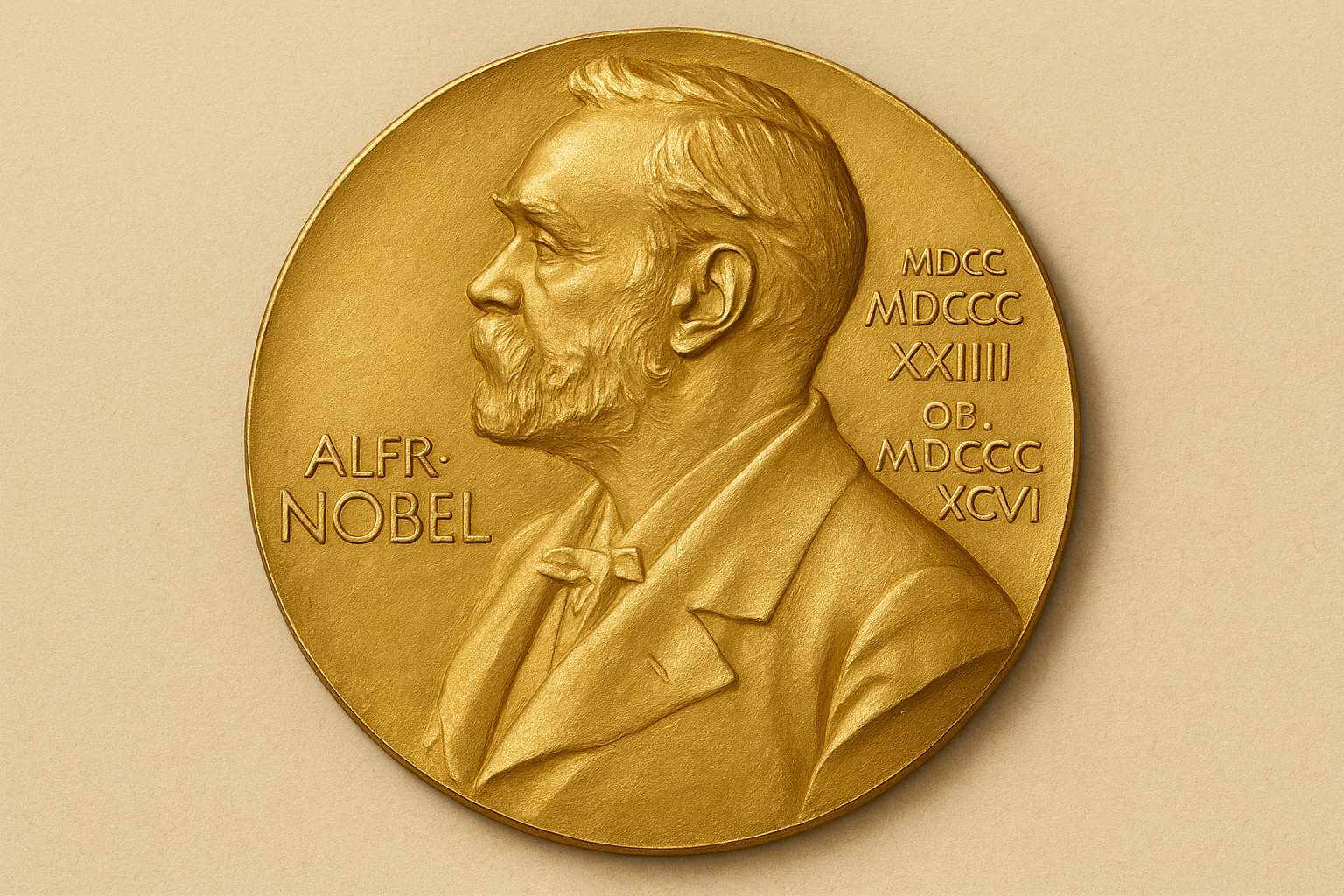
Few listened – and those who did, including top-level UN diplomats in New York, could do nothing – the member states were engaged elsewhere or pursuing their own narrow national interests in the tragedy of the Balkans – including oil and gas pipelines through the region, selling arms and building basis to “contain” Russia. The Clinton administration with Al Gore, the Nobel Committee’s bizarre choice this year as Vice-President – was behind most of it, the EU being as split as ever.

Few media writing about the region today have journalists on the ground or anyone with over 15 years of experience. And what should we judge the present against if not the last few years of history? No wonder the simplifications, bias and repetitions of various distortions that characterise much of today’s coverage.

Why did the recent elections in Kosovo not cause massive concerns?

Although aspiring to independence in a few weeks, only about 45% voted and the Serbs boycotted the recent elections. It bodes ill for democracy and human rights. Even worse, its victor Hachim Thaci is a former KLA warlord, likely to replace the present warlord prime minister and KLA architect Agim Ceku, who also was a leading general in the Croatian Army when it ethnically cleansed 250 000 Croatian Serbs out of Croatia in 1995 with the substantial support of the US and European governments. In short, he is our warlord and, thus, OK.

In addition, Kosovo is a place with extremely little production and the more (black economy) trade and a crime structure reaching from Afghanistan deeply into Switzerland, Brussels and major cities in the US. Unemployment is about 70% and the place is a series of segregated communities, minority Serbs and others living in ghettos.

Kosovo’s Albanian leadership has by no means satisfied the criteria long ago set up by the IC or secured the return of the 150 000 or so Kosovo-Serbs who saw it best to leave when KLA’s political and military leaders did reverse ethnic cleansing in autumn 1999 under the very eyes of tens of thousands of NATO, EU, OSCE and UN staff – the largest ever peace mission per square kilometre.

In summary, when the Kosovo-Albanian leadership will declare independence in December or early spring 2008, presumably supported by Washington, it is for all practical purposes a segregated community, a predominantly black economy, a state run by Western-supported, non-convicted war criminals – in short, failed state before declared a state. In spite of the billions of dollars poured into it since 1999.

Independence? Perhaps but not in this manner

Does this mean that Kosovo should not become an independent state?

Eleven years ago, TFF published a blueprint for a negotiated settlement – still the only document at the time given wide publicity on both sides based on hundreds of hours of conversations in Kosovo and Belgrade. More here.

Much indeed speaks in favour of independence. I for one would not be against it and have never been – because: The basic concept of independence for Kosovo was developed in 1991-1994 by intellectuals and politicians around Dr. Ibrahim Rugova in consultation with teams of TFF experts. The idea was a democratic, lawful state, with open borders, no army, no future integration with Albania and good relations to all sides – brought about through negotiations. (Italics because there are still people who believe that the present author and TFF is anti-Albanian and pro-Serb – which has never been true – and thereby avoid a serious discussion about mediation and conflict-resolution options. That was also politically convenient to 95% of the world’s media).

But, and here comes the huge BUT: NO state should become independent today through NATO bombing, ethnic cleansing, crime-based politics, propaganda and refusal to compromise in the slightest with the relevant parties.

Today’s Serbia has made up the account with its war-time leadership. Today’s Serbia refuses total independence for Kosovo but proposes uniquely high autonomy and points to models such as Hongkong and the Åland Islands. It is time to reward Serbia’s new maturity and lawful approach by at least giving it a fair media coverage and a fair hearing. But who dares to break with the old black-and-white media image of the Balkans?

For instance, did it ever occur to you that Serbs were consistently called “nationalists” while others who worked for only their own nation and independent states insisted to get it by violent means and were treated as friends of Western democracy? (Pro-Serb again, right? No! It is a matter of politics and media distortion – naturally, none of those responsible for it at the time willing to admit it).

Alternative peace plans and other resources

There are many possible solutions to the Kosovo problem. TFF presented them two years ago in “The Kosovo Solution Series” – 12 articles here.

TFF Associates have criticised the Ahtisaari Plan for conditional independence here.

There is Serb TFF Associate Aleksandar Mitic’ “The Making of a Compromise. Kosovo 2006”. – as well as the best homepage with daily articles and materials on the background and the future with all the relevant questions media and diplomacy ought to seek answers to: “Kosovo Compromise 2007”.

And there are several hundred analytical and debate articles here about former Yugoslavia by TFF Associates over the years. – and the best selection of other materials about the Balkans.

[Thousands of media and individual journalists and editors receive TFF emails, of which this is one. They know perfectly well what we have published over the years and that our experts’ predictions have come true. With more than 20 years of experience in the business, we know why TFF’s analyses are ignored and politically correct, near-governmental views of, say, the International Crisis Group will get the headlines. With deficient diagnosis, the violence will go on and the ‘free’ media contribute in their own ways. TFF will continue to do exactly what we have always done in spite of all that].

Conclusion – it’s the 11th hour to prevent a new tragedy

If in contrast to spin and propaganda, knowledge still matters, this e-mail/homepage articles can be your guidance to a more comprehensive understanding of the very dangerous developments in Kosovo – and Bosnia – in the wake of the thoroughly failed peace-making of the international community.

There is no way things can go well in the region the next few months, and you may want to know why when the IC will blame either the Serbs or the Albanians but never themselves.

The future requires one thing before anything else: A recognition by the international community itself that it is co-responsible for the terrible situation in Kosovo and Bosnia and that it has basically put itself in a political prison there. A new beginning based on a series of open, honest lessons learned is an imperative. I fear it will not come…

If the highest goal of the European Union is peace, it is the 11th hour to show it. But how could it with “foreign minister” Javier Solana being personally so responsible for the destruction of the region? In 1999 he was NATO S-G and the highest civilian responsible for NATO’s bombing. After this moral, legal, intellectual scandal he was rewarded by his peers and kicked upwards to the top level of the EU. It is conveniently forgotten today that peace-making EU is lead by a non-convicted war criminal…

And this in a world that desparately needs an alternative to reckless divide-and-rule and occupation/independence US policies.

The tragedy of our international times ather like dark clouds over Kosovo.

Will anybody be able to change course and prevent utter chaos?
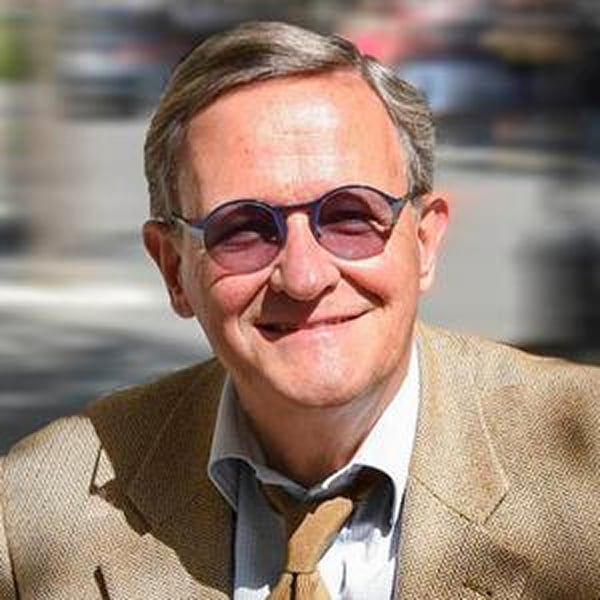
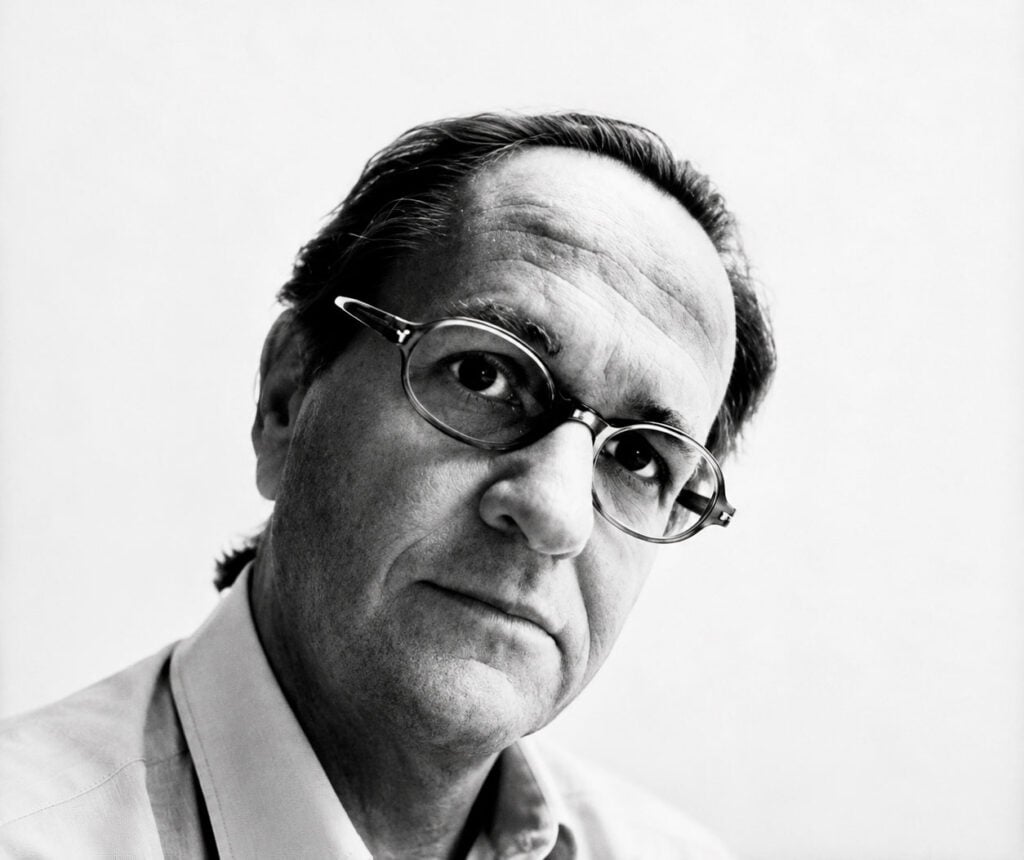
Peace & future researcher + ‌Art Photographer

Related Posts

LONDON – So far so good, at least on the wider level. While internally Iraq seems on the edge of chaos, the much heralded clash of civilizations between the Muslim and Judaeo-Christian worlds has yet to become apparent. We have anger and despair aplenty in the Arab and Muslim worlds. But very little rushing to the standard and there was no great pilgrimage of warriors to join the fight, as happened when the Soviet Union invaded Afghanistan twenty years ago, and then, having driven the Red Army out, were left to ferment in that mountainous redoubt. With the armaments supplied by the CIA the mujahidin were transformed into Al Qaeda that became, for a relatively brief moment as these things go, ‘the greatest threat to the homeland that America has ever known.’ Nevertheless a ‘Cold War’ between much of the Muslim world and the West is certainly in full swing. Winston...
The Challenge of Nuclear Weaponsin the Twenty-first CenturyA Path Forward The peoples and governments of the world face an urgent challenge relating to weaponry of mass destruction and particularly to nuclear weaponry.  At the crossroads of technology, terrorism, geopolitical ambition, and policies of preemption are new and potent dangers for humanity. Despite ending the nuclear standoff of the Cold War era, nuclear weaponry is again menacing the peoples of the world with catastrophic possibilities.  We recognize the need for any government to pursue its security interests in accordance with international law; and further, we recognize that distinctive threats to these interests now exist as a result of an active international terrorist network having declared war on the United States and its allies. Nonetheless, we reject the assessment of the current US administration that upgrading a reliance on nuclear weapons is in any sense justified as a response. We find it...
By Karin Wegestal MP, the Social Democratic Partyon behalf of the Swedish Committee for Solidarity with the Yugoslav People During the last decade, the Federal Republic of Yugoslavia has received more than 500,000 refugees from Croatia and Bosnia, and another 300,000 internally displaced persons, mainly from the province Kosovo and Metohia. For a country with about ten million inhabitants, such an influx of homeless people is obviously a very heavy burden – even under peaceful conditions. But in addition to that, the Federal Republic of Yugoslavia has been the subject to sanctions from the western powers for close to ten years and its infrastructure was badly hurt through Nato’s intense bombardment during 78 days in 1999. The result of all this is that Yugoslavia, once the most developed industrial country in Eastern Europe, is today the poorest country in Europe. In Serbia excluding Kosovo, with about ten million inhabitants and...

Recent Articles

Tony Robinson October 4, 2026 Violence is easy to recognise when someone is being beaten, shot or killed. It becomes more difficult when nobody is holding a weapon. Poverty, discrimination, exploitation and repression can restrict a human life just as effectively, although they do so in very different ways and with very different consequences. Simply adding more categories to an ever-growing list of forms of violence does not really solve the problem. The more interesting question is what all these different situations have in common and why it makes sense to describe them using the same word. Human beings do not simply react to what happens around them. They remember the past, imagine things that do not yet exist, make plans and undertake projects. Workers organise because they imagine different working conditions; people migrate because they imagine another life somewhere else; social movements emerge because people refuse to accept the...
It’s a matter of principles, courage, vision and pulling together – while the militarist world is falling apart… Peter Langille October 3, 2026 “Here, then, is the problem which we present to you, stark and dreadful and inescapable: Shall we put an end to the human race; or shall mankind renounce war?”The Bertrand Russell—Albert Einstein Manifesto, July 9, 1955 ⁕ The forecast for what’s ahead is worrisome. The sharp rise in armed conflicts over the past three years is adding to what was already the highest level in over seventy years. Genocides, which should be prevented are supported. A shared climate emergency that jeopardises survival is ignored. Diverse polls now suggest that people are war-weary, worried and interested in a more effective United Nations. And, there are viable policy options for a more secure world! Yet governments are doubling-down, betting on more war and investing heavily. If current trends persist,...
Johan Galtung 1930-2024October 2015 Published here on October 3, 2026 Let us focus on Civilization for conflict analysis and remedies. Major forms of disorder use violence; war is state organized violence. The most belligerent states are the United States of America and Israel, both with civilization roots. National Evangelism, the US Protestant Christian civilization– more national than evangelical–justifies US warfare as exceptionalism of a people chosen by God, with a manifest destiny to run the world. Orthodox Judaism justifies Israeli warfare to conquer and expand from Nile to Euphrates as a religious right and duty to the Eternal One. The third most belligerent country, the UK, no longer believes it is God-chosen but chosen by the USA; not quite the same but something. But the root cause of global disorder lies in the Occident–with Islam–seeing itself as the single, universal civilization valid for all at all times, all others being...

TFF on Substack

Discover and subscribe to more peace materials on TFF Substack

Most Popular

Tony Robinson October 4, 2026 Violence is easy to recognise when someone is being beaten, shot or killed. It becomes more difficult when nobody is holding a weapon. Poverty, discrimination, exploitation and repression can restrict a human life just as effectively, although they do so in very different ways and with very different consequences. Simply adding more categories to an ever-growing list of forms of violence does not really solve the problem. The more interesting question is what all these different situations have in common and why it makes sense to describe them using the same word. Human beings do not simply react to what happens around them. They remember the past, imagine things that do not yet exist, make plans and undertake projects. Workers organise because they imagine different working conditions; people migrate because they imagine another life somewhere else; social movements emerge because people refuse to accept the...
It’s a matter of principles, courage, vision and pulling together – while the militarist world is falling apart… Peter Langille October 3, 2026 “Here, then, is the problem which we present to you, stark and dreadful and inescapable: Shall we put an end to the human race; or shall mankind renounce war?”The Bertrand Russell—Albert Einstein Manifesto, July 9, 1955 ⁕ The forecast for what’s ahead is worrisome. The sharp rise in armed conflicts over the past three years is adding to what was already the highest level in over seventy years. Genocides, which should be prevented are supported. A shared climate emergency that jeopardises survival is ignored. Diverse polls now suggest that people are war-weary, worried and interested in a more effective United Nations. And, there are viable policy options for a more secure world! Yet governments are doubling-down, betting on more war and investing heavily. If current trends persist,...
Johan Galtung 1930-2024October 2015 Published here on October 3, 2026 Let us focus on Civilization for conflict analysis and remedies. Major forms of disorder use violence; war is state organized violence. The most belligerent states are the United States of America and Israel, both with civilization roots. National Evangelism, the US Protestant Christian civilization– more national than evangelical–justifies US warfare as exceptionalism of a people chosen by God, with a manifest destiny to run the world. Orthodox Judaism justifies Israeli warfare to conquer and expand from Nile to Euphrates as a religious right and duty to the Eternal One. The third most belligerent country, the UK, no longer believes it is God-chosen but chosen by the USA; not quite the same but something. But the root cause of global disorder lies in the Occident–with Islam–seeing itself as the single, universal civilization valid for all at all times, all others being...
Read More
Living-Peace-Sign-Budapest-copy
Tony Robinson October 4, 2026 Violence is easy to recognise when someone is being beaten, shot or killed. It becomes more difficult when nobody is holding a weapon. Poverty, discrimination, exploitation and repression can restrict a human life just as effectively, although they do so in very different ways and with very different consequences. Simply adding more categories to an ever-growing list of forms of violence does not really solve the problem. The more interesting question is what all these different situations have in common and why it makes sense to describe them using the same word. Human beings do not simply react to what happens around them. They remember the past, imagine things that do not yet exist, make plans and undertake projects. Workers organise because they imagine different working conditions; people migrate because they imagine another life somewhere else; social movements emerge because people refuse to accept the...
b54a1f10-8c65-4f0b-9dd5-4abc0a7d04cc_2659x2659
It’s a matter of principles, courage, vision and pulling together – while the militarist world is falling apart… Peter Langille October 3, 2026 “Here, then, is the problem which we present to you, stark and dreadful and inescapable: Shall we put an end to the human race; or shall mankind renounce war?”The Bertrand Russell—Albert Einstein Manifesto, July 9, 1955 ⁕ The forecast for what’s ahead is worrisome. The sharp rise in armed conflicts over the past three years is adding to what was already the highest level in over seventy years. Genocides, which should be prevented are supported. A shared climate emergency that jeopardises survival is ignored. Diverse polls now suggest that people are war-weary, worried and interested in a more effective United Nations. And, there are viable policy options for a more secure world! Yet governments are doubling-down, betting on more war and investing heavily. If current trends persist,...
010
Johan Galtung 1930-2024October 2015 Published here on October 3, 2026 Let us focus on Civilization for conflict analysis and remedies. Major forms of disorder use violence; war is state organized violence. The most belligerent states are the United States of America and Israel, both with civilization roots. National Evangelism, the US Protestant Christian civilization– more national than evangelical–justifies US warfare as exceptionalism of a people chosen by God, with a manifest destiny to run the world. Orthodox Judaism justifies Israeli warfare to conquer and expand from Nile to Euphrates as a religious right and duty to the Eternal One. The third most belligerent country, the UK, no longer believes it is God-chosen but chosen by the USA; not quite the same but something. But the root cause of global disorder lies in the Occident–with Islam–seeing itself as the single, universal civilization valid for all at all times, all others being...
Screenshot 2026-10-02 011738
Jan ObergPhD, director, The Transnational Foundation for Peace and Future Research, TFFLund, Sweden October 2, 2026 This is my full original manuscript. The Chinese Academy of Social Science, CASS, makes two publications out if it. 1. China’s Five-year plan emphasized the capabilities of basic research and original innovation. It is regarded as the goal of the future social development, which, as required, should be significantly enhanced. Can you comment on the importance of original innovation in research and academic study? I believe it is easier to define “original innovation” in the natural sciences than in social sciences. The breaking points of what constitutes something new, or innovative, are not quite as sharp in the latter. But in both fields it is about opening up something that was closed, unseen, unexplored before – making manifest what was earlier latent. Innovations come in many forms and shapes – naming something that was not...
arctic-circle-map
The agreement is catastrophic both because of what it says and what it doesn’t mention. It reduces further the major asset of security policies: Freedom of action. Jan Oberg TFF director September 25, 2026 A couple of hours before the agreement was signed on September 22, 2026, I published the following 13 hypotheses about what it would most likely contain on TFF Substack (in English). I was wrong on only the first point. Contrary to what Trump had written on his Truth Social platform, it does not appear to come into force immediately. In fact, it turned out to be worse than even I had anticipated. After these hypotheses now come a number of reflections in light of what the agreement actually contains, and does not contain, as well as the way in which it has generally been presented by major media outlets and by the public-service broadcaster DR. My...
girl-5894831_1280
Below are TFF-related media mentions, comments, videos and social media posts published elsewhere but not on this homepage. We happen to catch and list only a fraction. Regarding video comments and debates, we recommend that you go to the TFF Video Channel on Substack where many of them are reproduced. Jan Oberg is a contributor to China Daily – 52 million daily clicks – and Global Times, CGTN and CCTV (the national television), China Investment, Xinhua News Agency and several others. Articles and videos on these media very often multiply into countless Chinese (and Western media) that re-post them from these main media. Thanks to The China Academy, his analyses, interviews and comments are frequently posted on YouTube channels such as Thinkers Forum and Wave Media. These videos are often re-posted on Bilibili (China’s YouTube), the China Content Center on TikTok, and on the Chinese edition of TikTok, Douyin.com. This means reaching hundreds of millions of viewers worldwide over a year. While there are too many to catch on all these...