Kalejdoskop 53 – Diana, Theresa, Turner og det civile samfund

Prinsesse Dianas forskrækkelige død ændrede på forunderlig måde vor verden. Mediernes onde magt blev stillet til skue og skam, omend der blandt de sørgende over netop denne dramatiske død må have været konsumenter af den fornedrende sladderpresse.

Samtidig knyttede mediernes gode magt mennesker rundt om på Jorden sammen sammen i et unægteligt egenartet fællesskab. Det gentog sig da Moder Theresa døde, omend i mere normalt format.

De var u-konstituerede ledere, hverken prdukter af demokratiske valg, diktatur eller økonomisk magt. De var ledere i det civile samfund, ikke af regeringer eller internationale organisationer. De havde magt, men ikke den sædvanlige, der yderst bygger på tvang og vold.

De talte til hjertet først men så sandelig også till fornuften, mens mange valgte magthavere hverken taler fra det ene eller til det andet. De var kvinder, der valgte ikke at følge den slagne karriere men gjorde noget konstruktivt ud af sit “udenforliv.”

Af disse grunde ramte deres død mennesker, inklusive mig selv, på et dybere plan. Men nok en ting, tror jeg. ikke så let at formulere, men nogenlunde således: De fleste såkaldt almindelige mennesker har faktiskt et hjerte. Stort set alt hvad vi ser og hører om verden derude er krig, nød, dobbeltmoral, landminer, flygtingestrømme, naturkatastrofer, økonomisk krise, magtmisbrug, umoral, you name it. Det er bare problemer, håb- og modløsheder som stabelvare, den brutale nedslidning af det civile samfunds normer og sammenhold der giver næring til den omsiggribende coola hverdagskynisme.

Med andre ord, intet der kan tilfredsstille et rimeligt menneskeligt behov for gode oplevelser, tro, gåpåmod, optimisme. Gode nyheder er per definition ikke nyheder, det skulle da lige være noget med en bjørneunge i en zoologisk have til sidst i tv-avisen.

Det der så eksploderer hér er den enorme kraft som den uafviseligt gode handling har – negationen af den løgn, der indrammer det gængse mediebillede: at man jo bare spejler virkeligheden og giver folk hvad folk helst vil ha, nemlig vold, sex, krig, fladpandet underholdning og elendige nyheder fra verden derude.

Gu vil de ej! Om nogen er det magthavere og ikke folk flest, der kan se fordele i passivisede, pessimistiske masser, der ikke skal tænke men underholdes. Inde-ordet er “titty-tainment,” der spiller på både næring og sex og fastholder føjeligheden: “nå, men så er det jo nok som ‘de deroppe’ siger, det kan sikkert ikke være så meget anderledes, og problemerne er så store at lille jeg ikke kan gøre noget ved dem.” Og så videre…

Sen aften i vores lille træhus i Tokyo-forstaden Hino, efteråret 1995. Zapper over kanalerne men holdespludselig fast af BBC’s interview med Diana. Hvilket mod! Hun kunne have føjet sig inden for rammen, det stivbenede monarki, og normen at man gerne taler åbent om fysiske, men ikke psykiske, problemer. Som mangen en (livs)kunstner med lige så skræmte øjne lykkes hun med kunststykket at forvandle sin indre svaghed til styrke, sprænge rammerne i sin egen verden og – formodentlig per intuition og empati – handle godt ind i den dér onde ydre verden: “Jeg vil være dronning i menneskers hjerte, nogen må gå ud og røre menneskene…”

Kærlig intuition eller intuitiv kærlighed er – modsat hvad kynikeren tror – tilstrækkelig som motivation til at flytte verden, stærkere end kritiken af eller hadet til nogen eller noget nok så afskyeligt. Selvfølgelig var der en del, der mente hun var politisk naiv…

Hverken Diana eller Moder Theresa sagde, så vidt jeg ved, noget om årsagerne til at verden er fuld af unødvendig lidelse og uretfærdig. Men de gjorde noget ved den, mens andre forklarer og/eller legitimerer vanviddet.

Diana’s civilcourage placerer hende i forreste række blandt nutidige fredsarbejdere. Som kongelig udfordrer man ikke våben og militær. (Dodi Al Fayeds mor var forresten syster til Adnan Khashoggi, en af verdens gennem tiderne største våbenhandlere, men forældrene skiltes tidligt). Hendes arbejde for ofrene og mod landminerne var ikke “bare” humanitært, det var politisk i sin natur og konsekvens. Det ved vi nu fra Daily Telegraph’s tidligere redaktør Bill Deedes, som også rejste med Diana i Bosnien.

Ved sin død arbejde de på en tale til Oslo-mødet, der understregede at et totalforbud ikke var nok, men at de omkring 110 millioner miner må findes og uskadeliggøres og at de, der havde investeret så meget i minerne, nu måtte speede processen op ved at satse alle sine bedste resourcer på dette. (Med det nuværende tempo i minefjernelse vil det tage langt over hundrede år inden alle er borte).

Moder Theresa gjorde i en vis forstand hvad man kan forvente af en nonne. Diana gjorde personligt og politiskt det alt andet en forventelige og betalte i live og gennem sin død.

Madeleine Albright – der næppe på nogen måde kan sammenlignes med Diana – bør have haft det svært på sin prssekonference den 19. september hvor hun endnu engang fortæller menneskeheden at De forenede Stater, der i parantes anvender 265 milliarder dollar om året på en meningsløs militarisering af verden, ikke agter at betale mere end godt halvdelen af den gæld, hendes land erkender at have til FN, sølle 1,5 milliarder.

Med den besked når hun kun kolde hjerter og køligt beregnende hjerner. Den kom kort efter at Præsident Clinton – de politiske klaphattes helt på Gammeltorv, De ved – meddelte at De forenede Stater ikke kan acceptere et totalforbud mod landminer foregivende, gudhjælpeham, at 37.000 amerikanske soldater i Sydkorea står (hvad de så står dér for) over for et angreb af over en million mand fra et Nordkorea, der i praksis er brudt sammen, hvorfor landminerne må forblive i den “demilitariserede” zone.

For dem der bruger hjertet står det efter NATO-ekspansion og nejet til mineforbud klart at USA ikke kan være moralsk leder.

Det hele skete få timer efter at Ted Turner, manden bag CNN, havde meddelt at han vil give 1 milliard dollar til FNs humanitære arbejde bl.a. fordi han skammede sig over at USA ikke betalte sin gæld. Han opfordrede alle andre rige mennesker til at gakke og gøre ligeså.

Det er på tide medier og andre får øjnene op for det civile samfund og dets u-konstituerede ledere, rige som fattige, store som små. Det civile samfund er de klynger og kroge af vore livsrum, der drives af frivillige med tro på visse principper og med glæde, medmenneskelighed, tolerance og ikkevold. Det kan balancere statens og kapitalets råt beregnende magt, hvis vi vælger at se det sådan.

Det civile samfunds gode kræfter taler til flere end de onde og de taler til hjerterne. Nu véd vi at “folk” værdsætter den slags – og gode nyheder om dem – meget mere end krig og billeder af statsledere på rad i jakkesæt.

Good news, no?
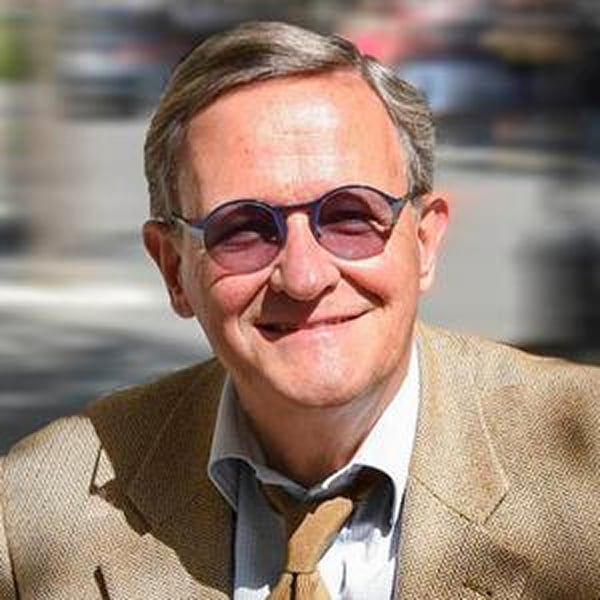
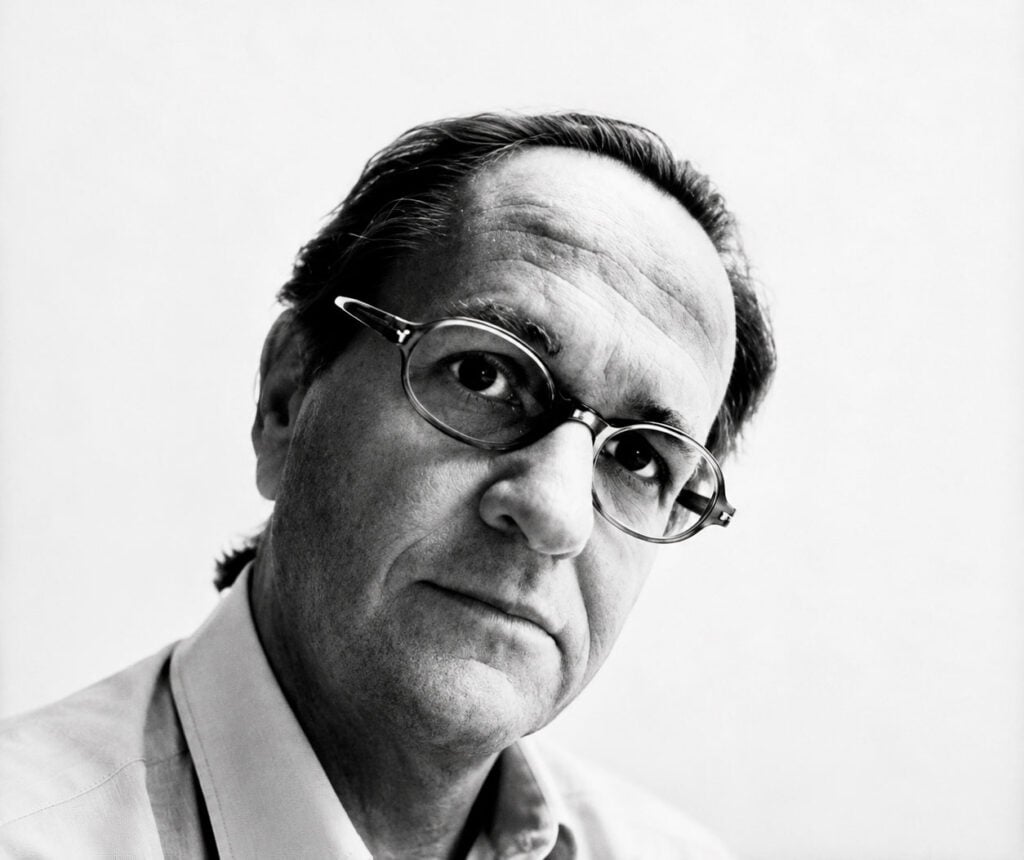
Peace & future researcher + ‌Art Photographer

Related Posts

LONDON – So far so good, at least on the wider level. While internally Iraq seems on the edge of chaos, the much heralded clash of civilizations between the Muslim and Judaeo-Christian worlds has yet to become apparent. We have anger and despair aplenty in the Arab and Muslim worlds. But very little rushing to the standard and there was no great pilgrimage of warriors to join the fight, as happened when the Soviet Union invaded Afghanistan twenty years ago, and then, having driven the Red Army out, were left to ferment in that mountainous redoubt. With the armaments supplied by the CIA the mujahidin were transformed into Al Qaeda that became, for a relatively brief moment as these things go, ‘the greatest threat to the homeland that America has ever known.’ Nevertheless a ‘Cold War’ between much of the Muslim world and the West is certainly in full swing. Winston...
The Challenge of Nuclear Weaponsin the Twenty-first CenturyA Path Forward The peoples and governments of the world face an urgent challenge relating to weaponry of mass destruction and particularly to nuclear weaponry.  At the crossroads of technology, terrorism, geopolitical ambition, and policies of preemption are new and potent dangers for humanity. Despite ending the nuclear standoff of the Cold War era, nuclear weaponry is again menacing the peoples of the world with catastrophic possibilities.  We recognize the need for any government to pursue its security interests in accordance with international law; and further, we recognize that distinctive threats to these interests now exist as a result of an active international terrorist network having declared war on the United States and its allies. Nonetheless, we reject the assessment of the current US administration that upgrading a reliance on nuclear weapons is in any sense justified as a response. We find it...
By Karin Wegestal MP, the Social Democratic Partyon behalf of the Swedish Committee for Solidarity with the Yugoslav People During the last decade, the Federal Republic of Yugoslavia has received more than 500,000 refugees from Croatia and Bosnia, and another 300,000 internally displaced persons, mainly from the province Kosovo and Metohia. For a country with about ten million inhabitants, such an influx of homeless people is obviously a very heavy burden – even under peaceful conditions. But in addition to that, the Federal Republic of Yugoslavia has been the subject to sanctions from the western powers for close to ten years and its infrastructure was badly hurt through Nato’s intense bombardment during 78 days in 1999. The result of all this is that Yugoslavia, once the most developed industrial country in Eastern Europe, is today the poorest country in Europe. In Serbia excluding Kosovo, with about ten million inhabitants and...

Recent Articles

Tony Robinson October 4, 2026 Violence is easy to recognise when someone is being beaten, shot or killed. It becomes more difficult when nobody is holding a weapon. Poverty, discrimination, exploitation and repression can restrict a human life just as effectively, although they do so in very different ways and with very different consequences. Simply adding more categories to an ever-growing list of forms of violence does not really solve the problem. The more interesting question is what all these different situations have in common and why it makes sense to describe them using the same word. Human beings do not simply react to what happens around them. They remember the past, imagine things that do not yet exist, make plans and undertake projects. Workers organise because they imagine different working conditions; people migrate because they imagine another life somewhere else; social movements emerge because people refuse to accept the...
It’s a matter of principles, courage, vision and pulling together – while the militarist world is falling apart… Peter Langille October 3, 2026 “Here, then, is the problem which we present to you, stark and dreadful and inescapable: Shall we put an end to the human race; or shall mankind renounce war?”The Bertrand Russell—Albert Einstein Manifesto, July 9, 1955 ⁕ The forecast for what’s ahead is worrisome. The sharp rise in armed conflicts over the past three years is adding to what was already the highest level in over seventy years. Genocides, which should be prevented are supported. A shared climate emergency that jeopardises survival is ignored. Diverse polls now suggest that people are war-weary, worried and interested in a more effective United Nations. And, there are viable policy options for a more secure world! Yet governments are doubling-down, betting on more war and investing heavily. If current trends persist,...
Johan Galtung 1930-2024October 2015 Published here on October 3, 2026 Let us focus on Civilization for conflict analysis and remedies. Major forms of disorder use violence; war is state organized violence. The most belligerent states are the United States of America and Israel, both with civilization roots. National Evangelism, the US Protestant Christian civilization– more national than evangelical–justifies US warfare as exceptionalism of a people chosen by God, with a manifest destiny to run the world. Orthodox Judaism justifies Israeli warfare to conquer and expand from Nile to Euphrates as a religious right and duty to the Eternal One. The third most belligerent country, the UK, no longer believes it is God-chosen but chosen by the USA; not quite the same but something. But the root cause of global disorder lies in the Occident–with Islam–seeing itself as the single, universal civilization valid for all at all times, all others being...

TFF on Substack

Discover and subscribe to more peace materials on TFF Substack

Most Popular

Tony Robinson October 4, 2026 Violence is easy to recognise when someone is being beaten, shot or killed. It becomes more difficult when nobody is holding a weapon. Poverty, discrimination, exploitation and repression can restrict a human life just as effectively, although they do so in very different ways and with very different consequences. Simply adding more categories to an ever-growing list of forms of violence does not really solve the problem. The more interesting question is what all these different situations have in common and why it makes sense to describe them using the same word. Human beings do not simply react to what happens around them. They remember the past, imagine things that do not yet exist, make plans and undertake projects. Workers organise because they imagine different working conditions; people migrate because they imagine another life somewhere else; social movements emerge because people refuse to accept the...
It’s a matter of principles, courage, vision and pulling together – while the militarist world is falling apart… Peter Langille October 3, 2026 “Here, then, is the problem which we present to you, stark and dreadful and inescapable: Shall we put an end to the human race; or shall mankind renounce war?”The Bertrand Russell—Albert Einstein Manifesto, July 9, 1955 ⁕ The forecast for what’s ahead is worrisome. The sharp rise in armed conflicts over the past three years is adding to what was already the highest level in over seventy years. Genocides, which should be prevented are supported. A shared climate emergency that jeopardises survival is ignored. Diverse polls now suggest that people are war-weary, worried and interested in a more effective United Nations. And, there are viable policy options for a more secure world! Yet governments are doubling-down, betting on more war and investing heavily. If current trends persist,...
Johan Galtung 1930-2024October 2015 Published here on October 3, 2026 Let us focus on Civilization for conflict analysis and remedies. Major forms of disorder use violence; war is state organized violence. The most belligerent states are the United States of America and Israel, both with civilization roots. National Evangelism, the US Protestant Christian civilization– more national than evangelical–justifies US warfare as exceptionalism of a people chosen by God, with a manifest destiny to run the world. Orthodox Judaism justifies Israeli warfare to conquer and expand from Nile to Euphrates as a religious right and duty to the Eternal One. The third most belligerent country, the UK, no longer believes it is God-chosen but chosen by the USA; not quite the same but something. But the root cause of global disorder lies in the Occident–with Islam–seeing itself as the single, universal civilization valid for all at all times, all others being...
Read More
Living-Peace-Sign-Budapest-copy
Tony Robinson October 4, 2026 Violence is easy to recognise when someone is being beaten, shot or killed. It becomes more difficult when nobody is holding a weapon. Poverty, discrimination, exploitation and repression can restrict a human life just as effectively, although they do so in very different ways and with very different consequences. Simply adding more categories to an ever-growing list of forms of violence does not really solve the problem. The more interesting question is what all these different situations have in common and why it makes sense to describe them using the same word. Human beings do not simply react to what happens around them. They remember the past, imagine things that do not yet exist, make plans and undertake projects. Workers organise because they imagine different working conditions; people migrate because they imagine another life somewhere else; social movements emerge because people refuse to accept the...
b54a1f10-8c65-4f0b-9dd5-4abc0a7d04cc_2659x2659
It’s a matter of principles, courage, vision and pulling together – while the militarist world is falling apart… Peter Langille October 3, 2026 “Here, then, is the problem which we present to you, stark and dreadful and inescapable: Shall we put an end to the human race; or shall mankind renounce war?”The Bertrand Russell—Albert Einstein Manifesto, July 9, 1955 ⁕ The forecast for what’s ahead is worrisome. The sharp rise in armed conflicts over the past three years is adding to what was already the highest level in over seventy years. Genocides, which should be prevented are supported. A shared climate emergency that jeopardises survival is ignored. Diverse polls now suggest that people are war-weary, worried and interested in a more effective United Nations. And, there are viable policy options for a more secure world! Yet governments are doubling-down, betting on more war and investing heavily. If current trends persist,...
010
Johan Galtung 1930-2024October 2015 Published here on October 3, 2026 Let us focus on Civilization for conflict analysis and remedies. Major forms of disorder use violence; war is state organized violence. The most belligerent states are the United States of America and Israel, both with civilization roots. National Evangelism, the US Protestant Christian civilization– more national than evangelical–justifies US warfare as exceptionalism of a people chosen by God, with a manifest destiny to run the world. Orthodox Judaism justifies Israeli warfare to conquer and expand from Nile to Euphrates as a religious right and duty to the Eternal One. The third most belligerent country, the UK, no longer believes it is God-chosen but chosen by the USA; not quite the same but something. But the root cause of global disorder lies in the Occident–with Islam–seeing itself as the single, universal civilization valid for all at all times, all others being...
Screenshot 2026-10-02 011738
Jan ObergPhD, director, The Transnational Foundation for Peace and Future Research, TFFLund, Sweden October 2, 2026 This is my full original manuscript. The Chinese Academy of Social Science, CASS, makes two publications out if it. 1. China’s Five-year plan emphasized the capabilities of basic research and original innovation. It is regarded as the goal of the future social development, which, as required, should be significantly enhanced. Can you comment on the importance of original innovation in research and academic study? I believe it is easier to define “original innovation” in the natural sciences than in social sciences. The breaking points of what constitutes something new, or innovative, are not quite as sharp in the latter. But in both fields it is about opening up something that was closed, unseen, unexplored before – making manifest what was earlier latent. Innovations come in many forms and shapes – naming something that was not...
arctic-circle-map
The agreement is catastrophic both because of what it says and what it doesn’t mention. It reduces further the major asset of security policies: Freedom of action. Jan Oberg TFF director September 25, 2026 A couple of hours before the agreement was signed on September 22, 2026, I published the following 13 hypotheses about what it would most likely contain on TFF Substack (in English). I was wrong on only the first point. Contrary to what Trump had written on his Truth Social platform, it does not appear to come into force immediately. In fact, it turned out to be worse than even I had anticipated. After these hypotheses now come a number of reflections in light of what the agreement actually contains, and does not contain, as well as the way in which it has generally been presented by major media outlets and by the public-service broadcaster DR. My...
girl-5894831_1280
Below are TFF-related media mentions, comments, videos and social media posts published elsewhere but not on this homepage. We happen to catch and list only a fraction. Regarding video comments and debates, we recommend that you go to the TFF Video Channel on Substack where many of them are reproduced. Jan Oberg is a contributor to China Daily – 52 million daily clicks – and Global Times, CGTN and CCTV (the national television), China Investment, Xinhua News Agency and several others. Articles and videos on these media very often multiply into countless Chinese (and Western media) that re-post them from these main media. Thanks to The China Academy, his analyses, interviews and comments are frequently posted on YouTube channels such as Thinkers Forum and Wave Media. These videos are often re-posted on Bilibili (China’s YouTube), the China Content Center on TikTok, and on the Chinese edition of TikTok, Douyin.com. This means reaching hundreds of millions of viewers worldwide over a year. While there are too many to catch on all these...