Videos

Category

Year

Author / Contributor

Region

Sort by

Showing 1-10 of 157 stories

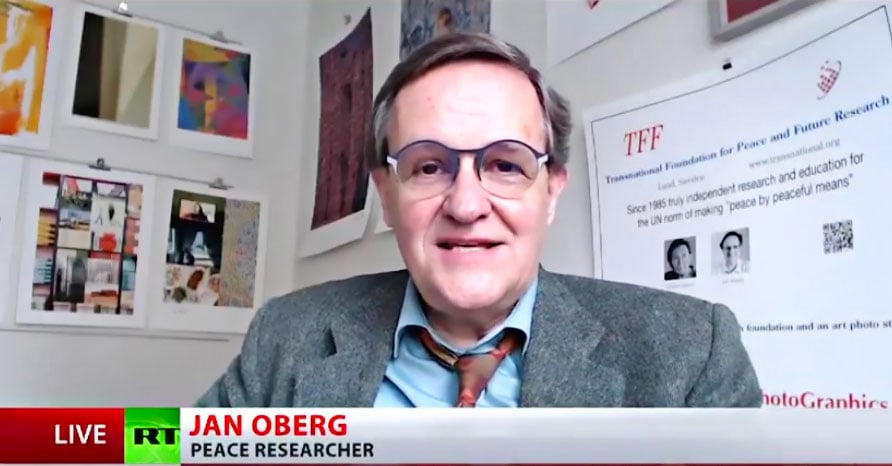
JOSyria
  , speaks with Russia Today and points out why this type of behaviour is totally unacceptable: It violates international law, undermines the UN and brings Syria, the region and the world further and further from peace. The people behind it and their media and other supporters must be perceived as either conflict- and peace illiterate or advocates of criminal activity. Both of which are tragic and making already dark times darker. We must say stop and argue: Peace first – The Secure the peace. In addition, contrary to the Western/NATO belief this is self-destructive and self-isolating. The international so-called community is, for the large majority, not behind this type of policy.

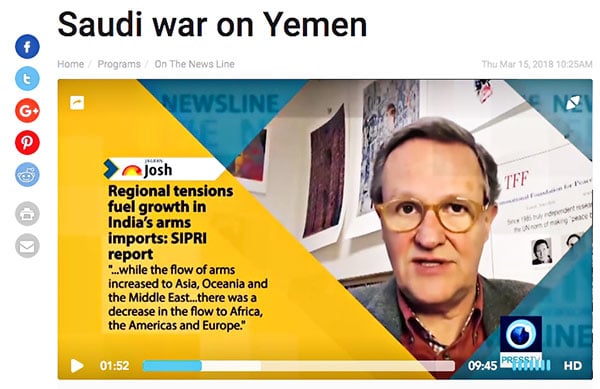
PressTV
  Comment by Jan Oberg With a focus on the Saudi war on Yemen, this episode of PressTV’s News Line takes up the larger problem of the “weaponization” of conflicts that makes them almost impossible to solve. Syria would be another good example of this insanity. Jan Oberg has argued before that governments and private arms traders who transfer arms to places where there is war already ought to be perceived as war criminals. But today, most see only politicians and military commanders as such. See comment 5 here.  
Screenshot
  Originally published here and produced by Physics-Astronomy.com
Imagen-thumbnail-The-Transnational
Shock. It’s a word that has come up a lot since November – for obvious reasons.I’ve spent a lot of time thinking about shock. Ten years ago, I published “The Shock Doctrine,” an investigation that spanned four decades from Pinochet’s U.S.-backed coup in 1970s Chile to Hurricane Katrina in 2005. I noticed a brutal and recurring tactic by right wing governments. After a shocking event – a war, coup, terrorist attack, market crash or natural disaster – exploit the public’s disorientation. Suspend democracy. Push through radical “free market” policies that enrich the 1 percent at the expense of the poor and middle class. The Trump administration is creating chaos. Daily. Of course many of the scandals are the result of the president’s ignorance and blunders – not some nefarious strategy. But there is also no doubt that some savvy people around Trump are using the daily shocks as cover to...
Imagen-thumbnail-The-Transnational
  By Jan Oberg A few comments in advance of President Trump’s speech on January 11 concerning the nuclear deal, JCPOA, with Iran and why it would be stupid of him to isolate the US by violating the agreement’s letter and spirit. Iran’s response will also be very important and here it is essential to build on the goodwill of the world rather than risking giving the US a pretext for more Iranophobia and future military action. January 10, 2018 on PressTV.    
maxresdefault-1
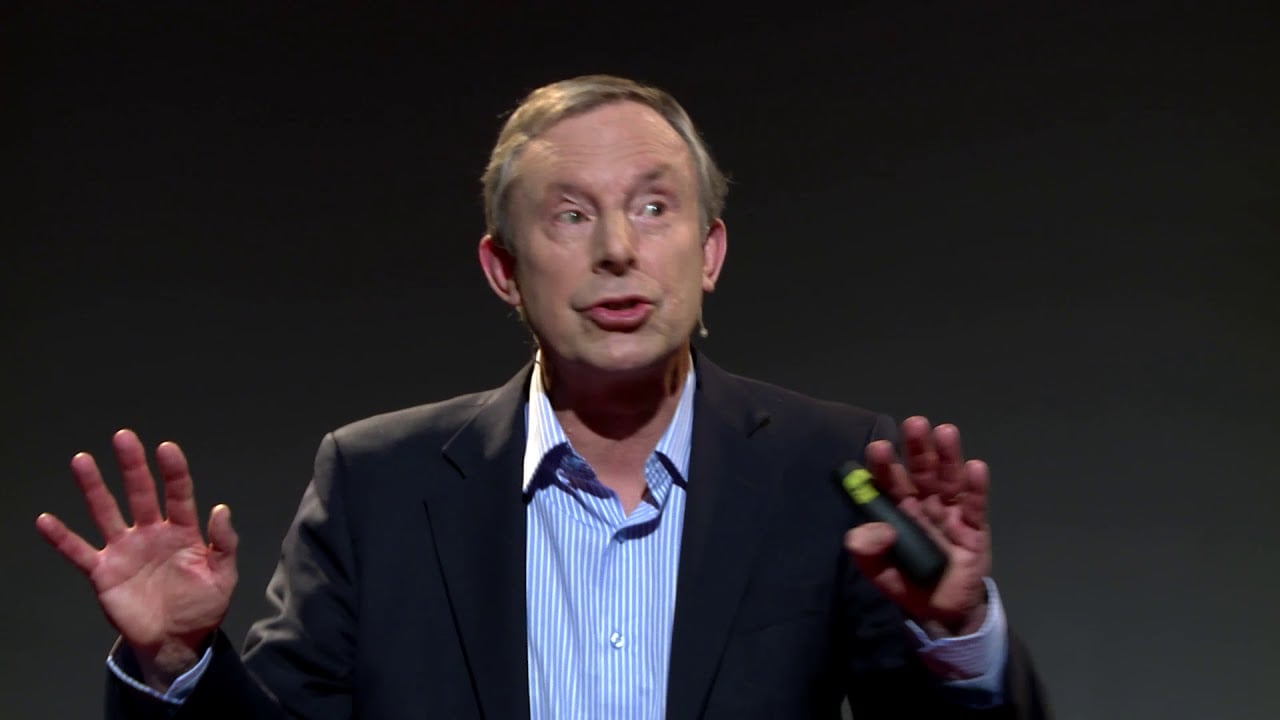
  By Robert Green   Robert Green Commander, The British Royal Navy, Retired. When nuclear-armed nations face off, the threat of mutually assured destruction is expected to keep the worst from happening. But is this a rational strategy? Or is it one that is doomed to failure? In this eye-opening and powerful talk, Commander Robert Green shares his experience piloting nuclear-armed aircraft – and his shift to becoming a staunch opponent of nuclear deterrence. Commander Robert Green served for twenty years in the British Royal Navy. As a bombardier-navigator, he flew in Buccaneer nuclear strike aircraft and anti-submarine helicopters equipped with nuclear depth-bombs. His final appointment was as Staff Officer (Intelligence) to the Commander-in-Chief Fleet during the 1982 Falklands War. He chaired the UK affiliate of the World Court Project, which led to the International Court of Justice judgment in 1996 that the threat or use of nuclear weapons would...
hqdefault
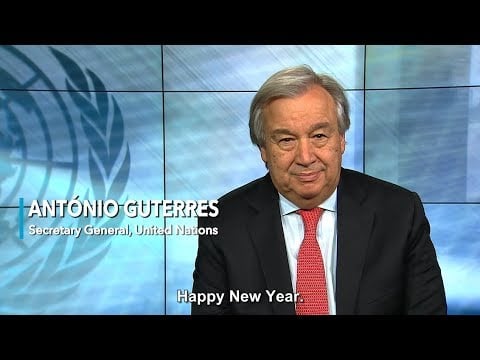
Jan Oberg comments: This is certainly important, although there are limits to what António Guterres can say. I wish he would have said “reduction of all kinds of violence” or emphasised the UN Charter’s Article one that says that peace shall be built by peaceful means. But anyhow – I applaud him for speaking up on December 31, 2017.
Imagen-thumbnail-The-Transnational
  By Rabbi Michael Lerner • In case you who missed it, here’s Rabbi Lerner’s talk at Muhammed Ali’s funeral. If it inspires you, please read below for how to be an ally with Rabbi Lerner to help build the world he describes. To read the transcript of his speech, click here. Wondering why Rabbi Lerner got invited and how to respond to the handful of naysayers who have been upset by Lerner’s powerful message? Please read below. Muhammad Ali had known Rabbi Lerner as a friend and ally in the 1960s and early 1970s when both were indicted by the U.S. government for their roles in opposing the war in Vietnam. He then wrote Rabbi Lerner to praise his book with Cornel West Jews and Blacks: Let the Healing Begin. Approximately seven years ago, he decided to invite Rabbi Lerner to represent the American Jewish community at his memorial service. Rabbi Lerner...
f67f17e1df4e8d46cdddc96c2ddd77b03128e49d_800x600
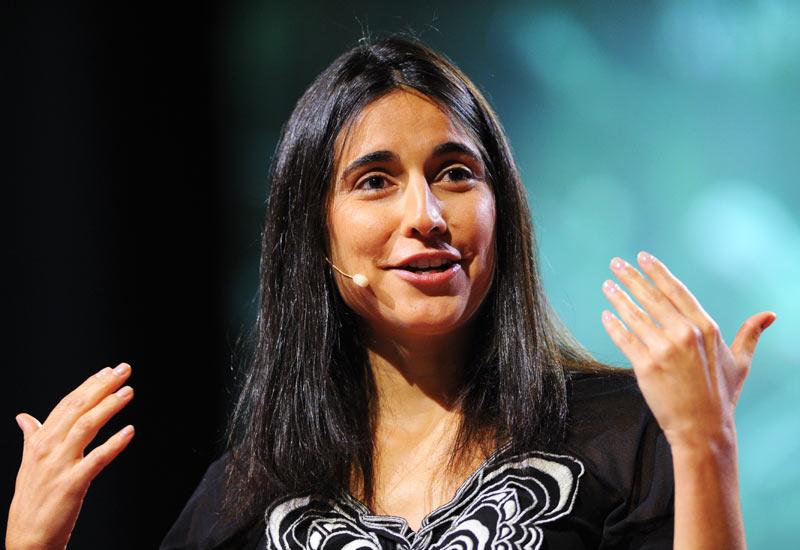
  By Julia Bacha A spot-on talk about nonviolence in conflict in general and the role it plays in the Palestine-Israel conflict. Most often the people who struggle with non-violent means are simply overlooked by the media.   See more…
1d820f03fa5087a20e14a0294d1a65fbcde13566_800x600-1
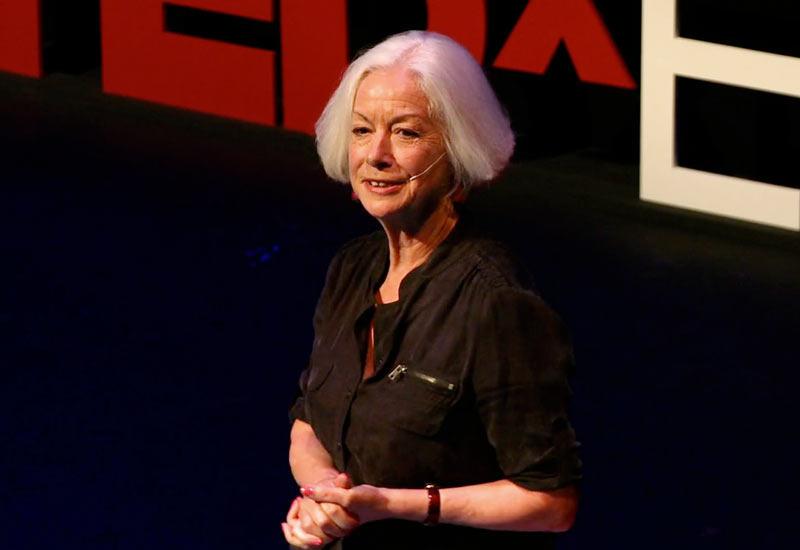
By Scilla Elworthy Via ted.com • How do you deal with a bully without becoming a thug? In this wise and soulful talk, peace activist Scilla Elworthy maps out the skills we need — as nations and individuals — to fight extreme force without using force in return. To answer the question of why and how nonviolence works, she evokes historical heroes — Aung San Suu Kyi, Mahatma Gandhi, Nelson Mandela — and the personal philosophies that powered their peaceful protests.  
Categories

Year

Author / Contributor

Region