Development worldwide

Category

Year

Author / Contributor

Region

Sort by

Showing 1-10 of 69 stories

ChatGPT Image 9 jun 2026, 11_11_33
“Lies, damn lies and statistics”. “You can bend any fact with statistics”. There is some truth in that. Nevertheless, some statistics are necessary, revealing and surprising. Many of us when asked about the position of the poor in America would say that over the last two centuries they have made little progress. But look at the statistics, look at the data. True, many are living in slums and ghettos but today they have indoor plumbing, heating, electricity, smallpox and tuberculosis-free lives, adequate nutrition, much lower child and maternal mortality, doubled life expectancy, increasingly sophisticated medical attention, the availability of contraception, secondary level schooling for their children, buses, trains, cars and bicycles, much less racial prejudice, longer retirement, a rising quality of the goods they buy, better working conditions and the vote. Once these were luxuries that only the richer could experience. For Europe, Canada and Japan it is the same,...

Picture1
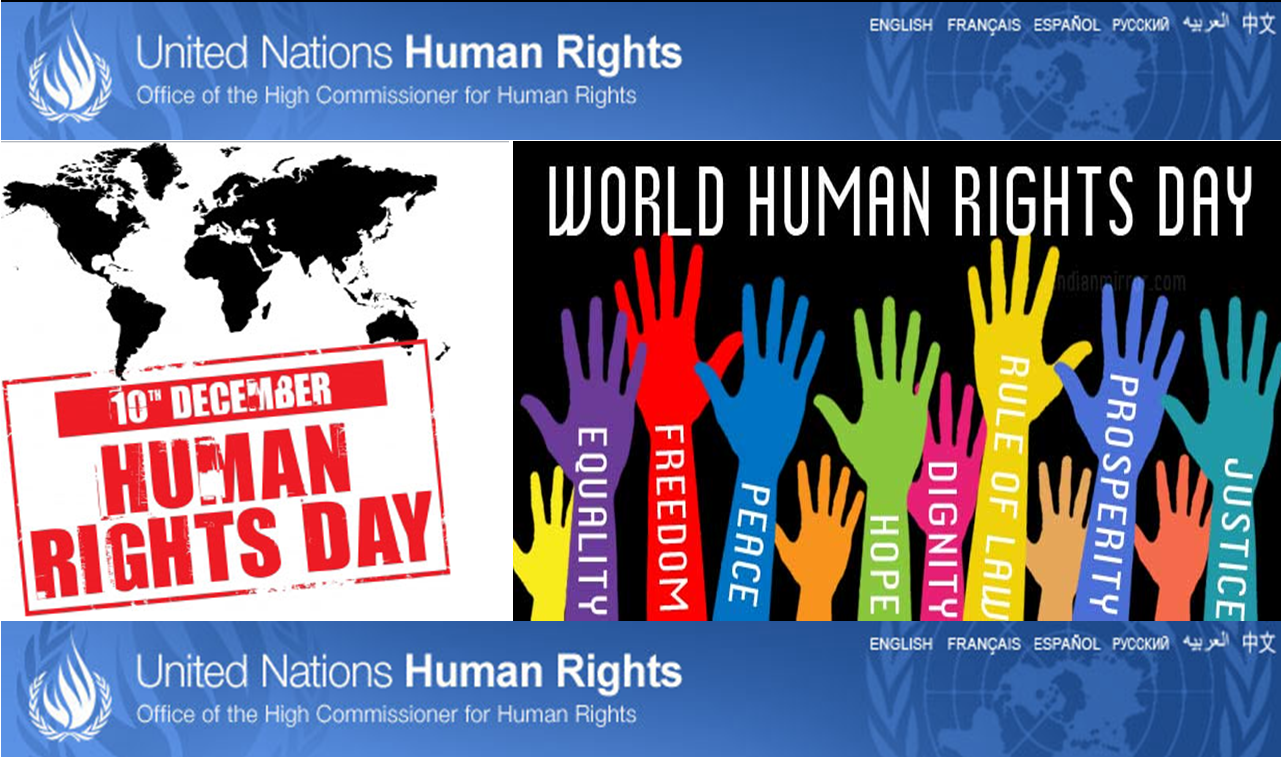
The Future of Human Rights: Regressive Trends and Restorative Prospects Points of Departure Reviewing the global situation, the then UN High Commissioner for Human Rights, Zaed Raad Al Hussein of Jordan, opened a 2018 conference devoted to the 25th anniversary of the 1993 UN Conference on Human Rights and Development held in Vienna, on a decidedly pessimistic note. Instead of doing the usual on such occasions, that is, celebrating the progress made since the earlier event, Prince Zaed emphasized the disturbing evidence of regression with respect to a broad range of issues bearing on the protection of human rights embedded in international treaty instruments as evidenced by the practice of states. He insisted that without fundamental changes in patterns of governance by sovereign states and in the operation of the world economy it would be naïve to expect an improved international atmosphere for human rights. Originally posted on Richard Falk’s blog...
bofuq374gwgf
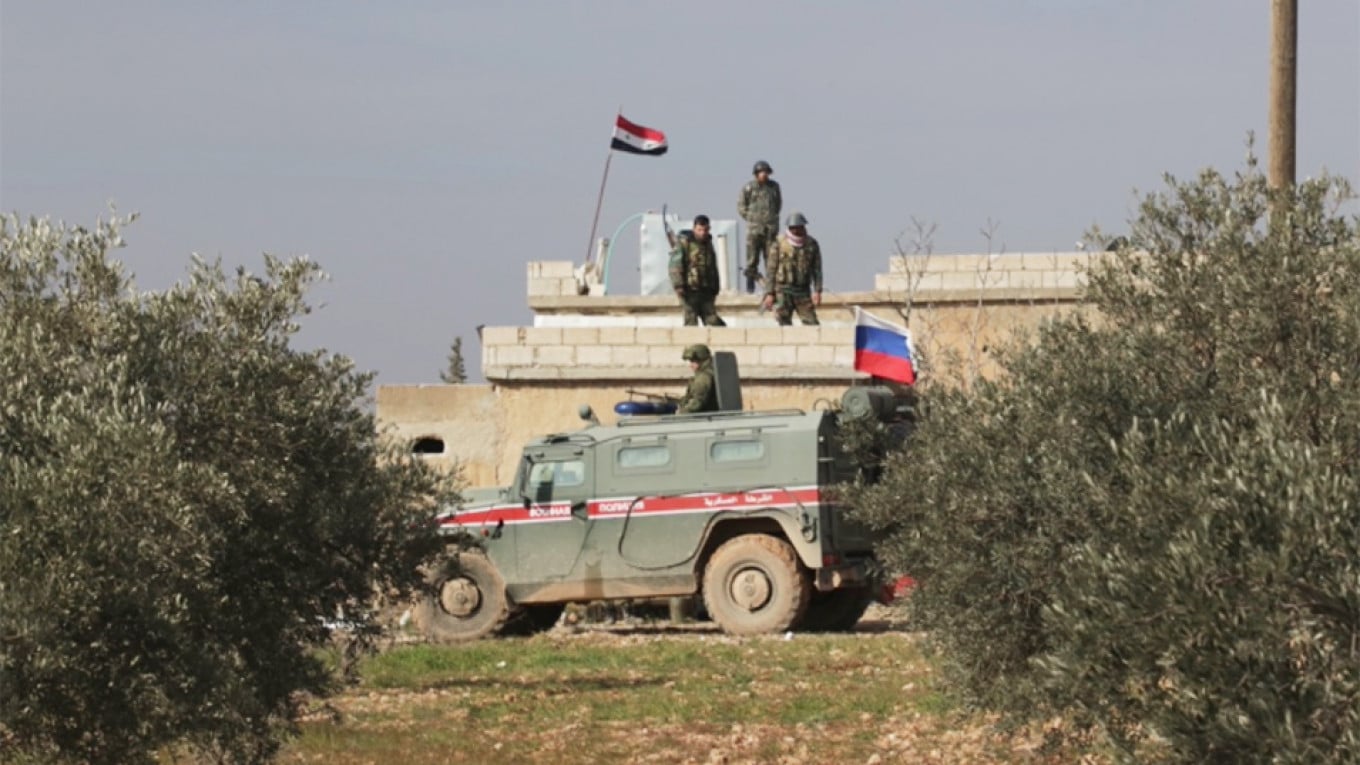
By Scott Ritter November 4, 2019 At a time when the credibility of the United States as either an unbiased actor or reliable ally lies in tatters, Russia has emerged as the one major power whose loyalty to its allies is unquestioned, and whose ability to serve as an honest broker between seemingly intractable opponents is unmatched. Originally posted on Truthdig.com on October 30, 2019 here If there is to be peace in Syria, it will be largely due to the patient efforts of Moscow employing deft negotiation, backed up as needed by military force, to shape conditions conducive for a political solution to a violent problem. If ever there was a primer for the art of diplomacy, the experience of Russia in Syria from 2011 to the present is it. Like the rest of the world, Russia was caught off guard by the so-called Arab Spring that swept through the Middle...
sustainable-development-and-the-earth-charter-23-728
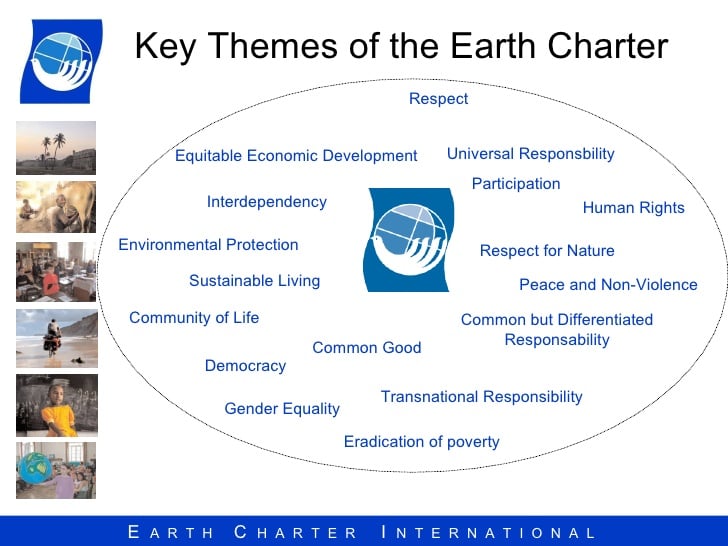
Prefatory Note: The following essay will appear as a chapter in Peter Burden & Klaus Bosselmann, eds., The Future of Global Ethics (Edward Elgar, 2018),  with the title: Revisiting the Earth Charter 20 Years Later: A Response to Ron Engel Ron Engel has articulated an insider review of the Earth Charter so thoughtfully, urbanely, and persuasively that my initial temptation was to restrict my response to a single word: ‘Amen!’ Yet I am familiar enough with the academic ways of gathering diverse voices to explore a topic or to evaluate the scholarship of a distinguished author, as to discard my one-word option. At the same time, it would be misleading if I didn’t praise Ron Engel for putting so many elusive issues before us in such a lucid and compelling manner as to make my efforts at dialogue feel a bit forced, given the high level of agreement. Originally posted on...
global-climate-strike-protesters-1200x853
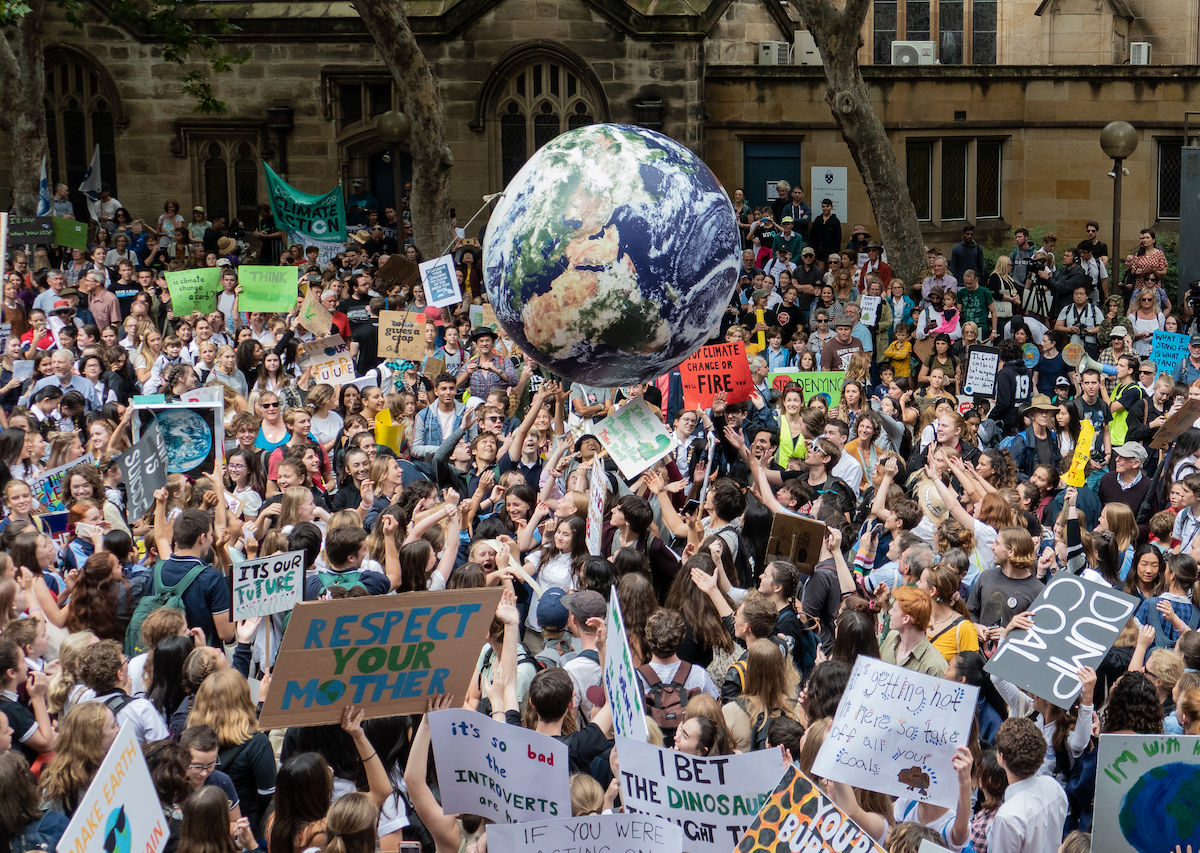
Prefatory Note: The post below of my remarks at the opening session of the Maker Majlis Conference, College of Islamic Studies, Hamed Bin Khalif University (HBKU) in Doha, Qatar on 22 Sept 2019. The theme of the three-day conference was on the role of youth in furthering the UN process associated with the 17 Sustainable Development Goals, SDGs (as further clarified by 169 targets), ambitiously set to be achieved by 2030. The massive Global Climate Strike on 20 September seemed to have similar intentions to conference, that is, how to explain and  overcome the absence of political will on the part of the governments of the world, none more lacking in this respect than the U.S. Government, with respect to the ecological agenda of the world, with particular consideration of climate change threats and harms. This civil society challenge from below, transnationally and inspired and organized by youth, offers us...
Fascism-1
A new book I would like to announce the publication of a new book, entitled “Fascism, Then and Now”. It can be freely downloaded here. Please circulate the link to your friends who might be interested. Parallels between fascism of the 1930’w and neo-fascism today There are many extremely worrying similarities between fascism in Europe in the 1930’s and the neo-fascism that we can see around us today. For example, Donald Trump, according to his first wife, kept a book of Hitler’s speeches beside his bed, and studied it thoroughly. Today, he imitates Hitler’s rhetoric, as is discussed in Appendix A. The white supremacist supporters of Donald Trump have revived Nazi ideology, language and symbols. Neo-fascism and neo-Nazism are not confined to the United States, but exist in many countries. Why was Germany allowed to rearm during the period before World War II? Chapters 1 and 2 of this book...
RichardFalk
The World Order Backdrop Arguably, even before the atom bomb was dropped on Hiroshima, there was a widespread sense that a state-centric form of world order was morally and functionally deficient in certain fundamental respects. Political actors were indifferent to the outbreaks of war, disease, and famine outside of their sovereign territory absent serious extraterritorial reverberations. At the same time lesser states were vulnerable to the manipulations and territorial/imperial ambitions of leading states that generated colonialism, interventions, and sustained an exploitative Europeanization of world order. Originally posted on Richard Falk’s blog Citizen Pilgrimage on September 5, 2019, here World War I with massive casualties, closely followed by the Russian Revolution, which posed a normative challenge to the capitalist/market– driven organization of national societies, led to some groping toward a new global order taking the institutional form of the League of Nations. It became soon obvious that the League, a project...
China-s-meat-majors-focus-on-convenience-as-incomes-rise_strict_xxl
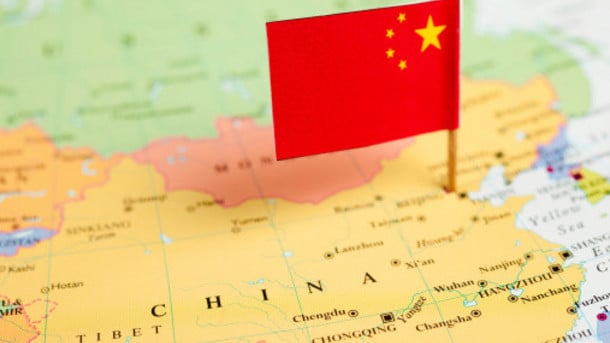
By Martin Jacques, Cambridge University August 28, 2019 A delightful conversation about the essential difference between the West and China and why they have vitally different ways of relating to other countries and cultures. If you do business in China, travel as a tourist – which far too few Westerners do – teach international relations and the future of the world, this half an hour is about the best investment you can make to understand better what China is about – and to see the West from outside. Be sure to also visit Jacques’ homepage – and see other videos on his YouTube Channel. Jan Oberg, editor
Imagen-thumbnail-The-Transnational
Immediate action is needed to save the future The central problem which the world faces in its attempts to avoid catastrophic climate change is a contrast of time scales. In order to save human civilization and the biosphere from the most disastrous effects of climate change, we need to act immediately. But it is difficult to mobilize public opinion behind urgently needed action because the most severe effects of global warming belong to the long-term future. However, the Intergovernmental Panel on Climate Change, in their October 2018 report, used strong enough language to wake up at least part of the public: the children whose future is at stake. Here is an excerpt from a speech which 16-year-old Swedish climate activist Greta Thunberg made at the Davos Economic Forum in January 2019: “Our house is on fire. I am here to say our house is on fire. According to the IPCC...
ChatGPT Image 9 jun 2026, 11_11_33
Amnesty International reported this week that an Iranian lawyer, Nasrin Sotoudeh, has been sentenced to 38 years in jail and 148 lashes. She has dedicated her life to defending women accused of removing their hijabs in public. The persecution of human rights dissidents in Iran appears to be getting worse. It makes it harder to feel sorry for Iran, even if President Donald Trump is wielding the heavy stick against it, and even though Trump has sabotaged the Agreement to freeze Iran’s nuclear research and uranium enrichment carefully negotiated by President Barack Obama’s team, the EU, Russia and China. However, Realpolitik demands us to stand up for this Agreement but who can be happy stepping into the ring to defend the honour of such a regime? Iran executes more people each year than any other country bar China. If Iran wants more enthusiastic outside help it must put its own...
ChatGPT Image 9 jun 2026, 11_11_33
Maybe, after all, there is an argument for saying that the world needs more violence not less if we are to make its societies more equal. This is one conclusion one can derive from Walter Scheidel’s new book, The Great Leveler. He starts from what we all know by now: the richest 62 persons in the world own as much net wealth as the poorer half of humanity. This is the number that could fit inside a London double-decker bus. This inequality appears to get worse by the year, although if we go back to 1929 it was then about the same. Two thousand years ago in Roman times the richest had fortunes about 1.5 million times that of the average citizen, roughly the same ratio as Bill Gates and the average American. Plato, writing in the fourth century BC, was vexed by the fact “there were not one but...
ChatGPT Image 9 jun 2026, 11_11_33
Conversation with Manmohan Singh was always fascinating at the time he was prime minister of India. It was difficult to challenge his superior intellect. He could, in his calm, disciplined way, out-argue anyone. He saw where India was going with a degree of exactness that dwarfed other observers. On the economic front it was, for his Congress Party government, all about ending poverty which he thought doable, although achieving a fairer income distribution was much more difficult. On the political front it was all about catching up with China which three decades ago had been on the same level as India but was now way ahead. And it was about making peace with its nuclear-armed adversary, Pakistan. In the election, which India is now in the middle of, the issues remain the same, except that the incumbent right wing prime minister, Narendra Modi adds his own twist and interpretations. He...
Categories

Year

Author / Contributor

Region