Democracy in Crisis

Category

Year

Author / Contributor

Region

Sort by

Showing 1-10 of 105 stories

US-sanctions
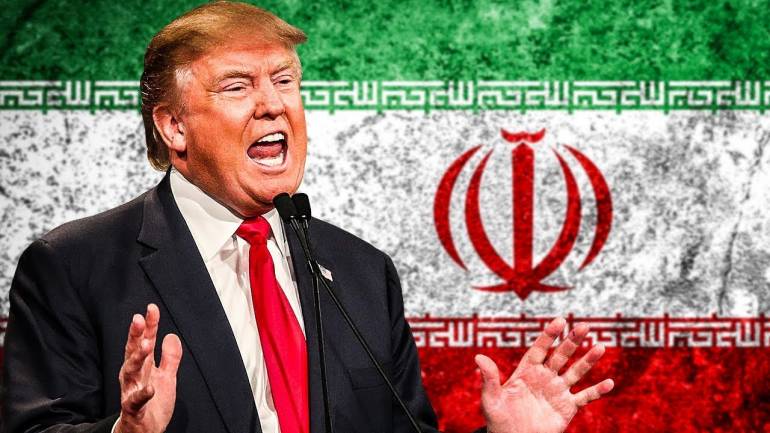
Prefatory Note: The post below is a slightly modified version of an interview published in The Nation on September 25th, following the September 14th attack on Saudi oil facilities. It follows a pattern with respect to Iran of accusations, denials, and public uncertainties. This combination of elements, given the leadership in Washington and Tehran, one blustering, the other inflexible, can easily produce an unintended stumble into war. A second shorter interview is appended, conducted prior to the attacks by an Iranian journalist, M.J. Hassani of Tasnim News Agency. It illustrates the seeming rigidity of Iran’s Supreme Guide, considered as having the final word on government policy, exceeding that of the elected leadership. Originally posted on Richard Falk’s personal blog on October 1, 2019, here Daniel Falcone Introduction to the Interview: After accusations of Iranian drone attacks on Saudi oil facilities, Iranian officials and authorities indicated that “full-fledged war” with the United States could...

sustainable-development-and-the-earth-charter-23-728
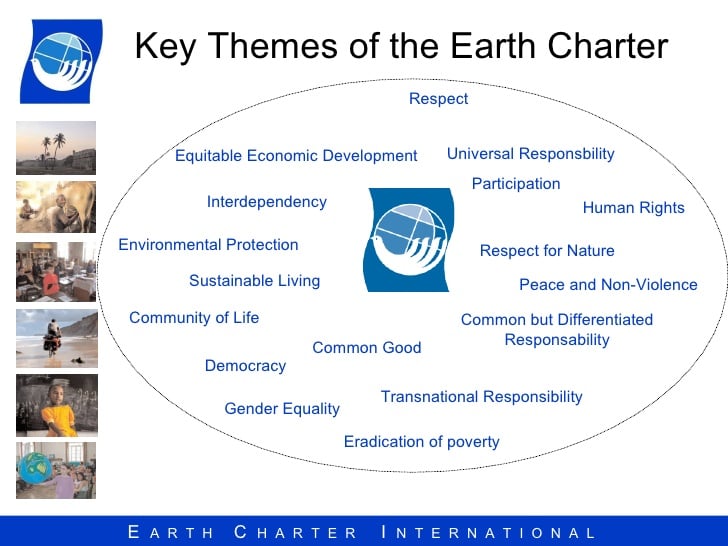
Prefatory Note: The following essay will appear as a chapter in Peter Burden & Klaus Bosselmann, eds., The Future of Global Ethics (Edward Elgar, 2018),  with the title: Revisiting the Earth Charter 20 Years Later: A Response to Ron Engel Ron Engel has articulated an insider review of the Earth Charter so thoughtfully, urbanely, and persuasively that my initial temptation was to restrict my response to a single word: ‘Amen!’ Yet I am familiar enough with the academic ways of gathering diverse voices to explore a topic or to evaluate the scholarship of a distinguished author, as to discard my one-word option. At the same time, it would be misleading if I didn’t praise Ron Engel for putting so many elusive issues before us in such a lucid and compelling manner as to make my efforts at dialogue feel a bit forced, given the high level of agreement. Originally posted on...
ChurchWindow
By Chas W. Freeman, Jr October 9, 2019 There is currently a good deal of hysteria here in Washington about something called “authoritarianism” allegedly taking the offensive against democratic systems of government.  A century ago, imperialists, colonialists, fascists and communists did indeed articulate theories about their superiority to democracy and seek to impose autocratic systems of government on others.  In World War II and the Cold War, ideology played almost as large a role as geopolitics. Originally posted on Consortium News on October 4, 2019 here Today there are plenty of countries in the grips of autocratic regimes, but there are none propagandizing on behalf of autocracy or “authoritarianism.”  The international appeal of authoritarian systems of government, if any, derives from the extent to which they deliver prosperity and domestic tranquility to their citizens.  In the case of China, this is considerable – vastly superior so far to democratic India,...
c8ddd0cb93fc674b1cb425fea6242d22
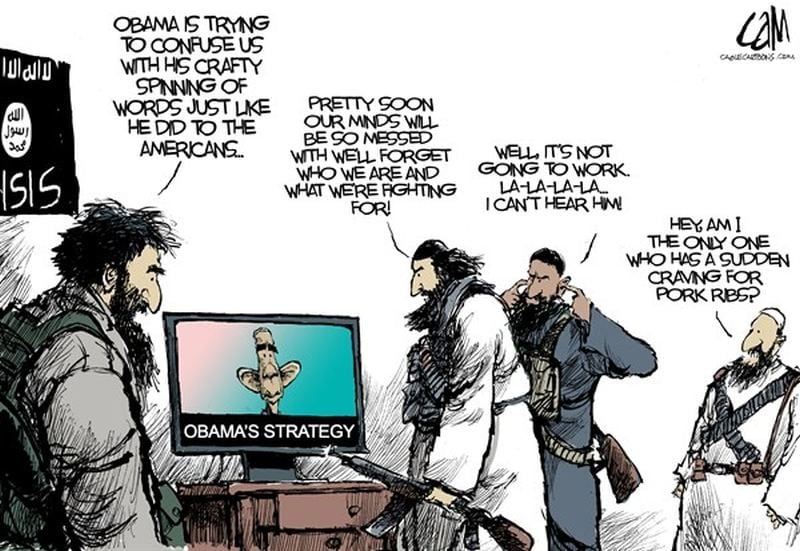
By Gordon M. Hahn October 1, 2019 Five or six years ago, when I was still working most intensively on issues related to jihadism in Russia and globally, I warned of the Caucasus Emirate-tied network running from Russia’s North Caucasus to ISIS in Syria and Iraq through Turkey, Azerbaijan and Georgia (with Tbilisi’s connivance) (see previous articles here and here). Originally posted on Gordon M. Hahn’s personal blog on September 29, 2019 here Somewhat more recently, I also had written about former US President Barak Obama’s Muslim Brotherhood (MB) strategy for bringing ‘Islamic democracy’ to the Muslim world and its dire consequences in Egypt, Libya, Syria and elsewhere in what came to be misnamed the ‘Arab Spring’.  America’s hopefully accidental but nevertheless resulting connivance with ISIS and Al Qai`da-tied groups (e.g., AQ-tied Jabhar al-Nusrah) was exacerbated by intentional connivance by one of Obama’s partners in creating the Arab winter: Turkish...
cropped-HistoricCNNSept24-2019-1
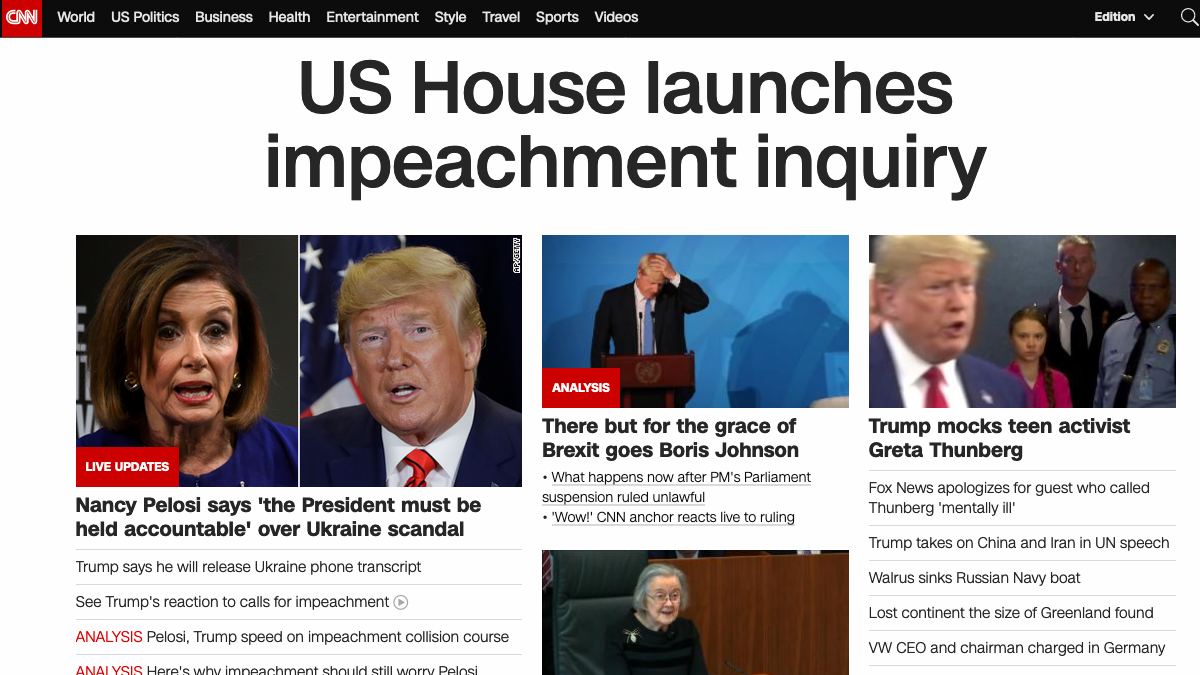
. It may well come to be seen in the future as an indicator of the beginning of the end. Earlier that same day, Britain’s highest court ruled PM Boris Johnson’s suspension of Parliament unlawful and in the evening, the US House launched an impeachment inquiry against President Trump. These are huge matters. They are not momentary crises. It is entire systems approaching existential breakdown – and not because of foreign adversaries but because of their own morally corrupt actions and policies – or system fatique: systems so worn out and tired (of itself, too) that they don’t have the energy needed for re-vitalization. The two most important Western leading societies in contemporary history – a former Empire and the present one – increasingly look like failed states, failed societies, and failing their own ideals and laws. What we see is a decay of morals, an erosion of democracy and...
Sitara-one-min
By Pressenza New York September 18, 2019 Originally posted on Pressenza New York’s website on September 09, 2019 here On this show we speak with Alice Slater about the historical process of nuclear weapon treaties and the relationship between the US and Russia. Alice is the UN NGO Representative of the Nuclear Age Peace Foundation, sits on the boards of World Beyond War, Nuclear Ban US, and the Global Network Against Weapons and Nuclear Power in Space, and is a member of the Global Council of Abolition 2000. She is on the NYC Working Group for the Nobel Prize-winning International Campaign to Abolish Nuclear Weapons (ICAN) ‘s campaign to promote the newly passed treaty to ban the bomb. Alice is a member of the NYC Bar Association and has written numerous articles and op-eds for Pressenza. Political actions you can take to ban the bomb and cut down the war...
Fascism-1
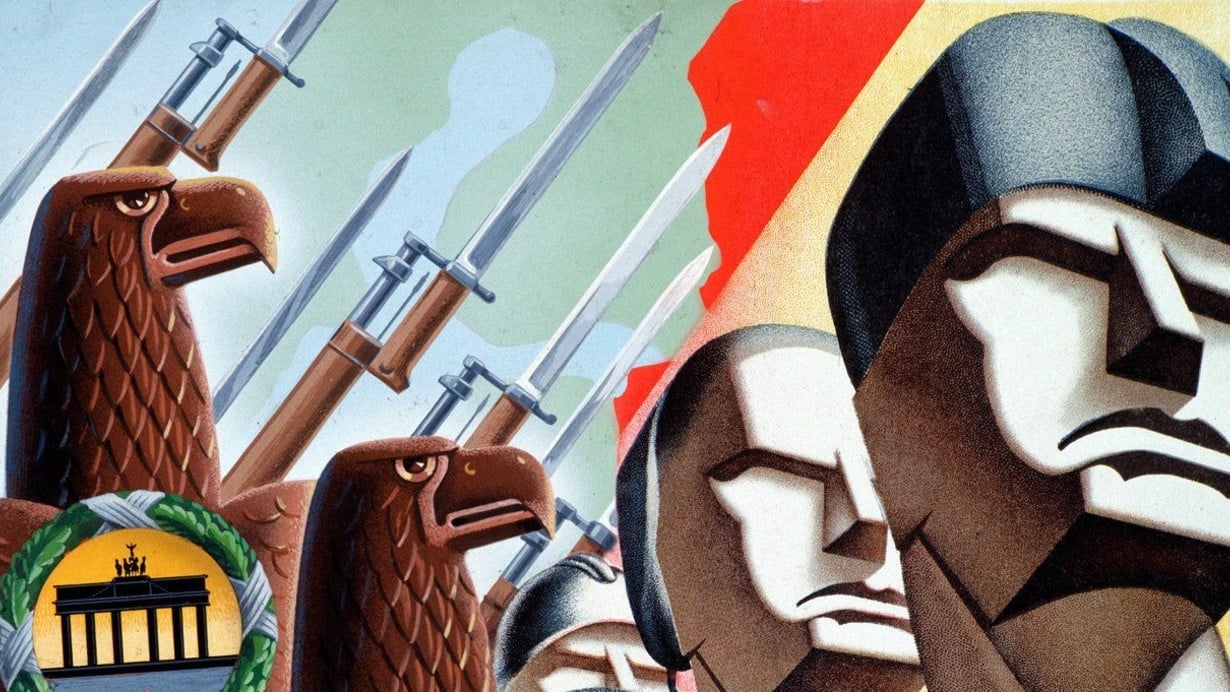
A new book I would like to announce the publication of a new book, entitled “Fascism, Then and Now”. It can be freely downloaded here. Please circulate the link to your friends who might be interested. Parallels between fascism of the 1930’w and neo-fascism today There are many extremely worrying similarities between fascism in Europe in the 1930’s and the neo-fascism that we can see around us today. For example, Donald Trump, according to his first wife, kept a book of Hitler’s speeches beside his bed, and studied it thoroughly. Today, he imitates Hitler’s rhetoric, as is discussed in Appendix A. The white supremacist supporters of Donald Trump have revived Nazi ideology, language and symbols. Neo-fascism and neo-Nazism are not confined to the United States, but exist in many countries. Why was Germany allowed to rearm during the period before World War II? Chapters 1 and 2 of this book...
shutterstock_714035503
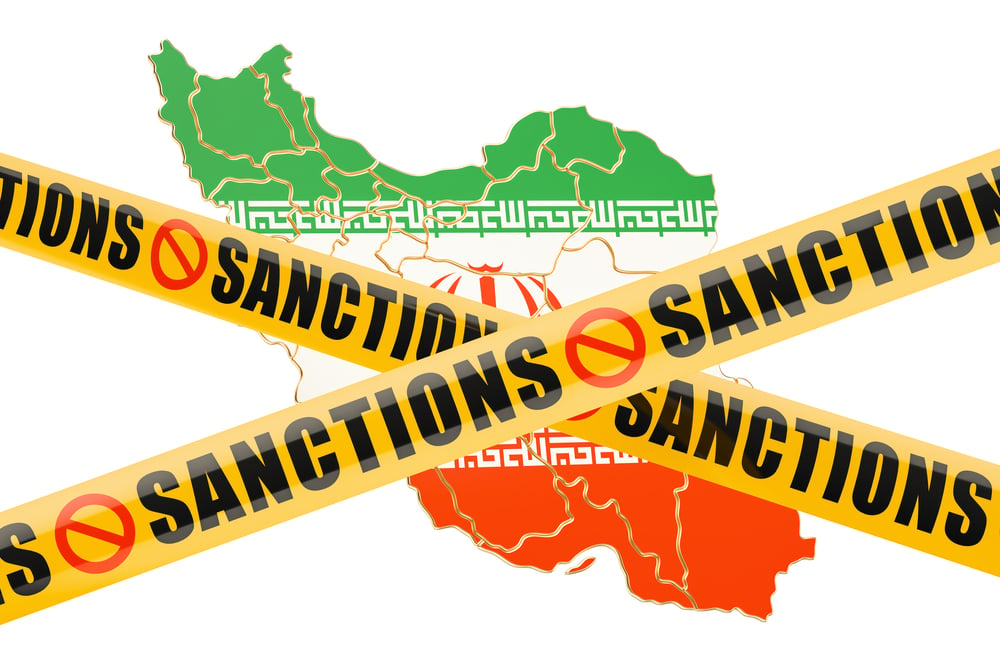
By Kevin Cashman and Cavin Kharrazian Iranian foreign minister Mohammad Javad Zarif recently visited the Group of Seven (G7) at the invitation of French president Emmanuel Macron, in what was seen as an overture to the Trump administration to negotiate over sanctions that have plagued the Iranian economy. Back in 2018, after months of increasingly hostile rhetoric, the US government withdrew from the Joint Comprehensive Plan of Action (JCPOA), or “Iran Deal,” and imposed a “maximum pressure” campaign that included unilateral, economy-wide sanctions. The Iran Deal was an agreement that provided Iran relief from existing sanctions in exchange for limits on its enrichment of uranium, among other concessions. These sanctions hampered trade between the European Union, whose leaders have sought to salvage the Iran Deal. Originally posted on September 1, 2019, on the Center for Economic and Policy Research (CEPR) here When President Trump reimposed sanctions in November 2018, it cut off...
f9ab5ce2-7d30-11e9-8126-9d0e63452fe9_image_hires_053908
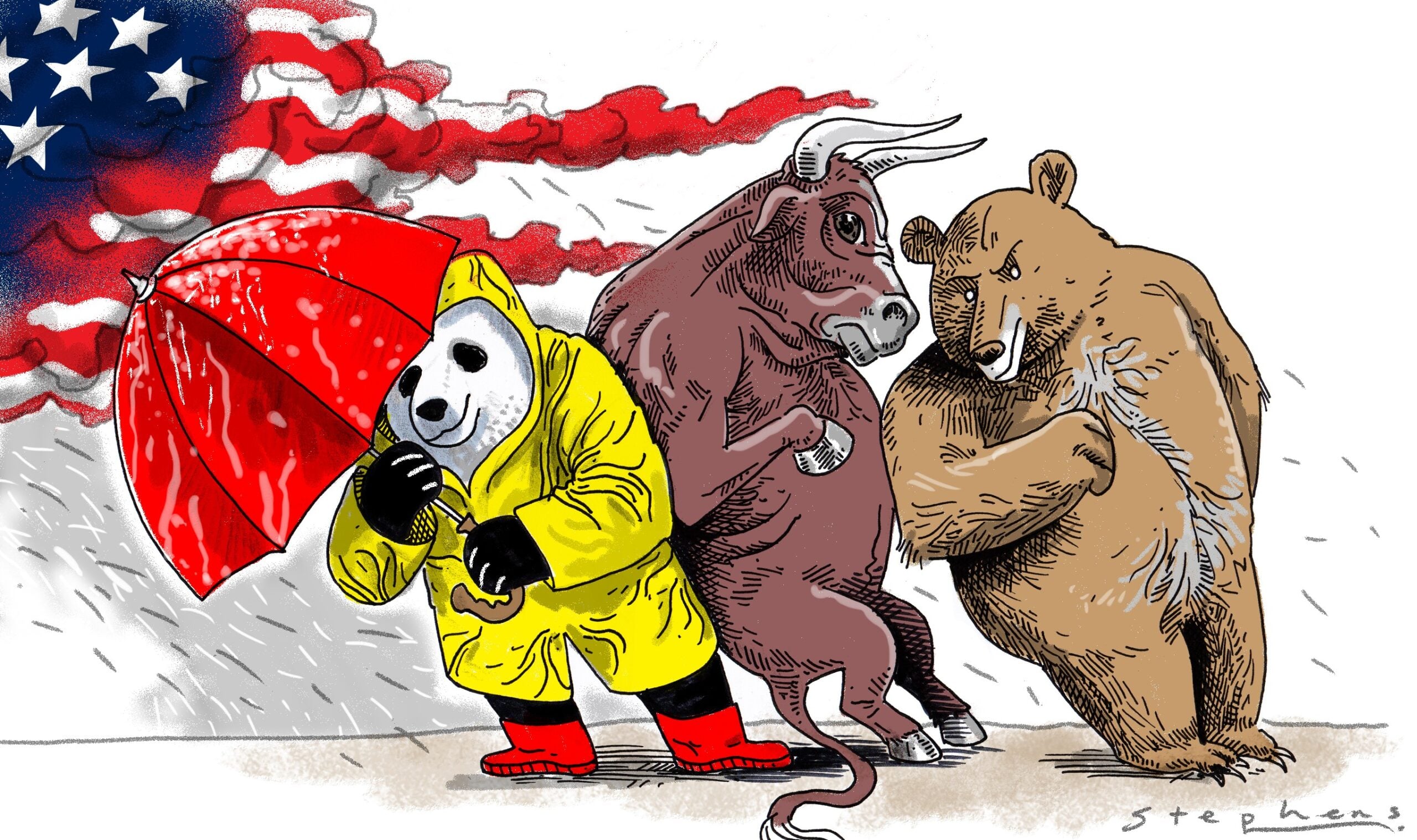
Illustration by Craig Stephens, South China Morning Post By Christopher Black July 26th 2019 On June 4th the Chinese government issued a travel alert for Chinese tourists thinking of visiting the United States, a day after it issued a similar advisory to Chinese students thinking of studying in the US over concerns for their safety and security. Chinese in the US are reporting harassment and interrogations by US immigration authorities and many now have the impression they are not welcome in the US. Originally posted on Global Research on June 10, 2019 here The Global Times, speaking on behalf of the government stated, “The Chinese people find it difficult to accept the fact that they are being taken as thieves. The US boasts too much superiority and has been indulged by the world. Due to its short history, it lacks understanding of and respect for the rules of countries and laws...
The-enlargement-of-NATO-1949-2018_cropped_3x2
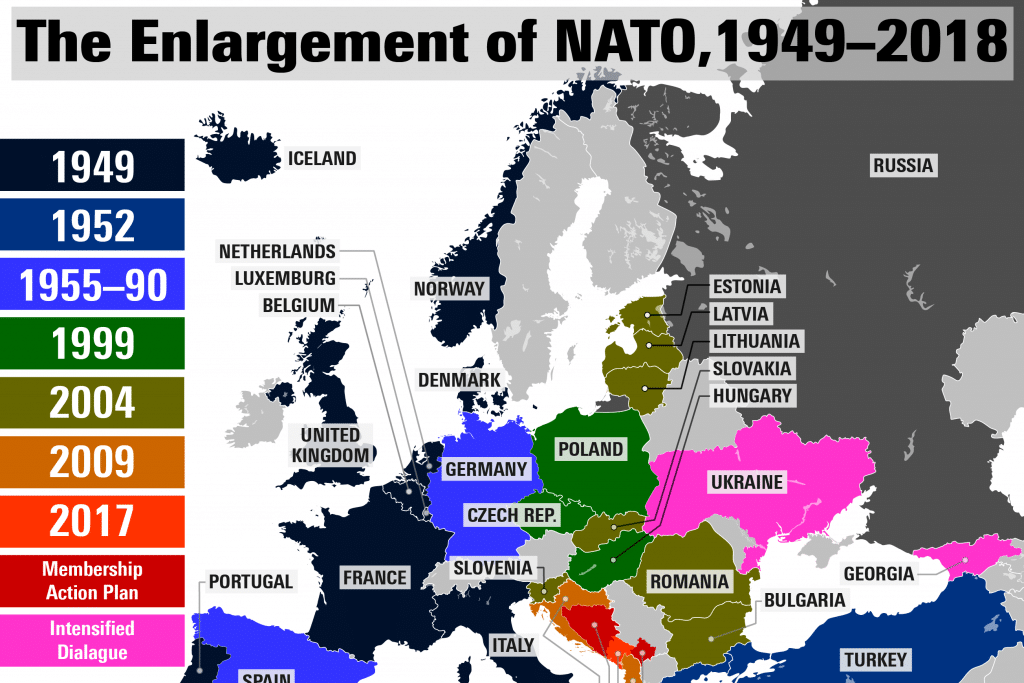
By Gordon M. Hahn July 25, 2019 NATO expansion has contributed to the causal matrix of two wars: the 2008 Georgian-South Ossetiyan/Russian Five-Day War and the ongoing Donbass civil war. The West’s April 2008 promise that both Georgia and Ukraine will become NATO members encouraged Georgian nationalism and Saakashvili’s war in South Ossetiya and consequently led to Georgia’s de facto loss of its South Ossetiyan as well as Abkhaziyan territories. Originally published on Gordon M. Hahn homepage – while Poroshenko was still president. Similarly, NATO expansion encouraged the rise of ultranationalism in Ukraine, especially western Ukraine, and the ultra-nationalist-led February 2014 Maidan revolt, leading to Ukraine’s loss of Crimea and civil war in eastern Ukraine’s Donbass regions of Donetsk and Luhansk. NATO expansion now is poised to help re-start the Donbass civil war or spark a larger Ukrainian civil war (and/or similar conflicts involving Moldova and its breakaway republic of...
cropped-Counquest_of_Jeusalem_1099
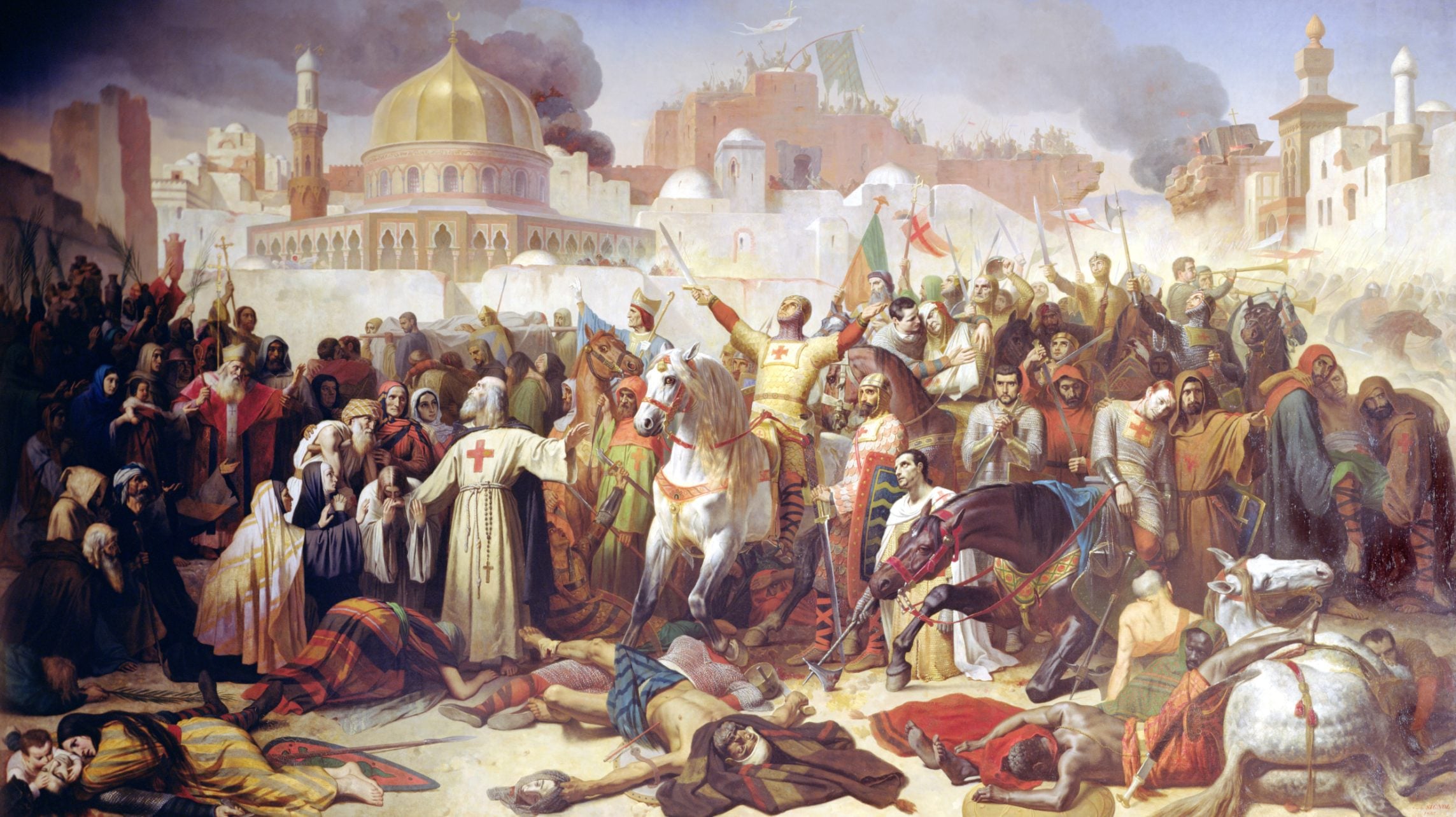
By Dr. William R. Polk June 27, 2019 Exclusive: Many Americans and Westerners are baffled by the violent rage expressed by many Muslims, but the reasons for their anger are real, deriving from a “deep history” of anti-Islamic wars and colonial exploitation of the Middle East, as ex-U.S. diplomat William R. Polk describes. Originally published by Consortium News on August 15, 2015, here The issue of terrorist attacks on America has been so politically sensitive that most commentators have simply wrapped themselves in the flag and closed their eyes and ears. Yet, even in fairy tales, ostriches were never saved by burying their heads in the sand. It is not a good defensive posture and it wouldn’t be wise for real-life Americans to behave like make-believe ostriches. If we want to be safe rather than sorry in the dangerous world we now inhabit, we need to be clear-headed, logical and informed. Those...
Imagen-thumbnail-The-Transnational
Immediate action is needed to save the future The central problem which the world faces in its attempts to avoid catastrophic climate change is a contrast of time scales. In order to save human civilization and the biosphere from the most disastrous effects of climate change, we need to act immediately. But it is difficult to mobilize public opinion behind urgently needed action because the most severe effects of global warming belong to the long-term future. However, the Intergovernmental Panel on Climate Change, in their October 2018 report, used strong enough language to wake up at least part of the public: the children whose future is at stake. Here is an excerpt from a speech which 16-year-old Swedish climate activist Greta Thunberg made at the Davos Economic Forum in January 2019: “Our house is on fire. I am here to say our house is on fire. According to the IPCC...
Categories

Year

Author / Contributor

Region