Conflict

Category

Year

Author / Contributor

Region

Sort by

Showing 1-10 of 517 stories

Ben_Ferencz-copy
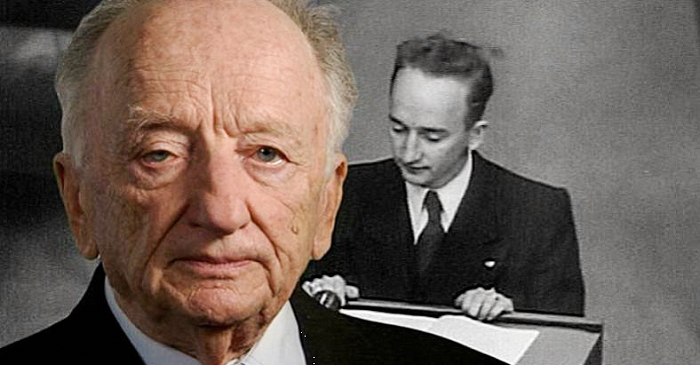
  This is literally a unique experience of extraordinary educational value: Listen to 98-year old Ben Ferencz sharing his crystal clear perception of the human stupidity of war – all wars – and how he sees the situation of humanity. He remains a realist, he says, with more optimism than pessimism. Listen to him telling about his truly amazing, unique life as a lawyer devoted to the common good of humanity and to securing justice but also human care for victims as well as perpetrators. He is the last surviving Nuremberg Tribunal prosecutor and has thought more than probably anyone about the psychology and politics of evil. Ferencz is a staunch believer in abolishing wars as such and, of course, in nuclear weapons abolition. He challenges the entire Military-Industrial-Media-Academic Complex, MIMAC, and argues that there is only one winner in wars: Death. If you are a teacher, get your students...
the-cold-war-russia-america
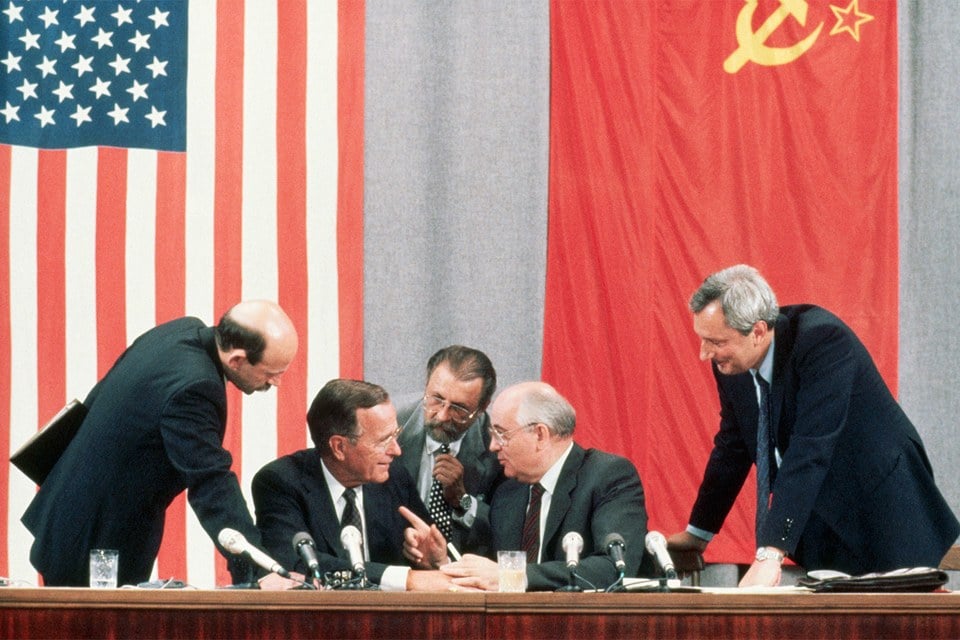
Photo: US President George Bush and Soviet President Mikhail Gorbachev at the Moscow Summit 1991 By Peter Turnley/Corbis/VCG/Getty Images Over the last four month, ten articles about the new Cold War have been published on the TFF Associates blog. And on our social media you’ll find hundreds of brilliant, informative posts written by others. While this new Cold War is certainly different from the first Cold war that ended in 1989, we are not in doubt that there is a new such tragic war and that the risk of military confrontation between Russia and NATO countries in Europe has increased. We also happen to think it could have been avoided. This Cold War has to do with, among many other things, NATO’s counterproductive expansion since 1994, the way Yugoslavia broke down and was broken up, with Ukraine and now Syria as well as – perhaps surprisingly to some – the...
JO2016_1_10Sepia_thumb-e1512818772877
A personal pledge provoked by the debates about Syria   By Jan Oberg   Summary About 95% of all debates about conflicts and war that we see in politics, mainstream media, the Internet and social media focus on the violence, who uses more or less of it and who is, therefore, the evil party. This approach places direct violence – such as human rights violations, killings, bombings etc. – in the centre of the attention and that is unfortunate because violence is always only a symptom. I call this the simplifying or reductionist approach; invariably it has populist connotations too and usually ends up in mud-slinging. I argue in this analysis that this reductionist approach is counterproductive and that – because of the defining characteristics of these debates – the underlying conflicts/problems that cause the violence are never in focus and that no international complex conflict can be explained even...
cropped-davidindc-1-e1516137163905
By David Swanson May 29, 2018 “Memorial Day is a time to remember, appreciate, and honor the selfless patriots who gave the ultimate sacrifice in service to freedom. At a time when our country seems so divided, we must not forget that it is because of their service and sacrifice that we live in the most free and prosperous nation on Earth.” Congressman Tom Garrett It would be difficult to count all of the lies in the above statement. It’s about the U.S. Memorial Day on May 28, 2018. Let’s just highlight a few. Originally published at David Swanson’s “Let’s Try Democracy” – May 28, 2018 Let’s start with “most free.” The British-based Legatum Institute, which ranks the United States 18th in overall “prosperity,” ranks it 28th in “personal freedom.”(1) The U.S.-based Cato Institute ranks the United States 24th in “personal freedom” and 11th in “economic freedom.”(2) The Canadian-based World...
Screenshot
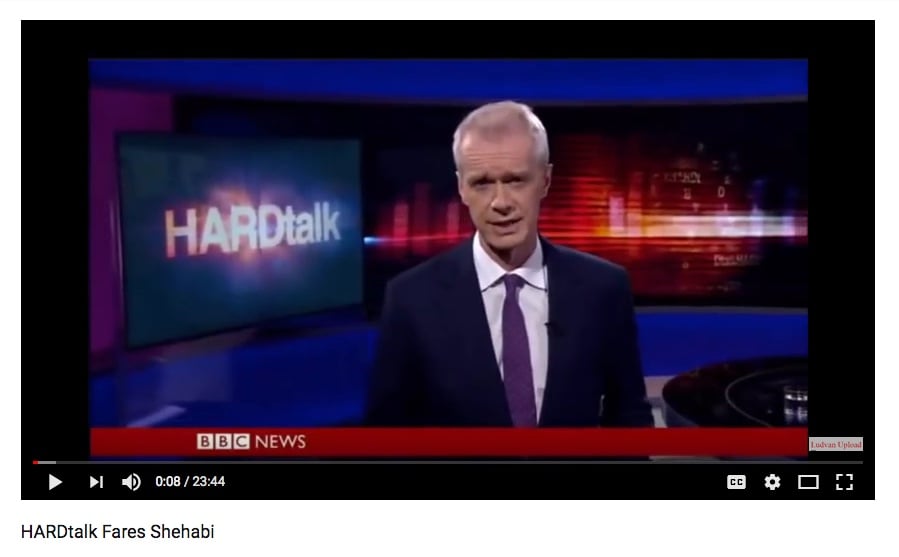
  The violence in Syria has occupied the world since it broke out in 2011. The underlying conflicts and various explanations are still lost in the heated debate about the violence and who is to blame – both of which are much easier than understanding this hugely complex conflict formation in a longer time and space perspective. Teachers in international politics, activists and journalists would do wise in trying to find pedagogical examples of just how differently the same problem can actually be perceived. This edition of BBC’s “Hard Talk” could be used in classrooms – for a better understanding of why we still don’t understand much of the underlying issues in the case of Syria. This – indeed hard – discussion is between two men who both have knowledge, passion and self-esteem. They are also both arguing well their viewpoints – which are about as different as can be...
786be20f99b4493b9782507b9ca84abf_18
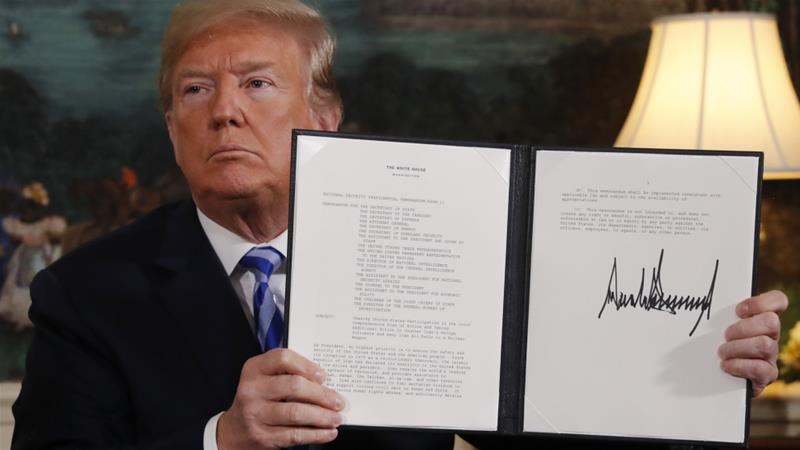
  – all about this agreement and its text here). Noteworthy is that the nuclear deal is incorporated into international law by UN Security Council Resolution 2231, even though the U.S. already at that point stated – as an exceptionalist state – that it did not consider the deal binding for it. With the exception of Germany, the deal was negotiated – cynically, of course – by countries which have themselves thousands of nuclear weapons. It never mentioned the only state in the region that possesses them, against international law in the form of UN resolutions and, additionally, has not signed the Non-Proliferation Treaty (NPT). That state is Israel whose nuclear weapons Western politicians and their loyal, politically correct media omit mention of – as systematically and uniformly as if orchestrated by an invisible hand from above. Back in 2014-15, many of us stated that the alternative to a negotiated...
cropped-david6
 In the park today I saw a teenager watching two little kids, one of whom apparently stole a piece of candy from the other. The teenager rushed up to the two of them, reprimanded one of them, and stole both of their bicycles. I felt like it was my turn to step in at that point, and I confronted the bicycle thief. “Excuse me,” I said, “what makes you think you can commit a larger crime just because you witnessed a smaller one? Who do you think you are?” He stared at me for a while, and replied: “the U.S. military.” Originally published at David Swanson here There is no crime larger than war. There is no way to legalize it. The Kellogg-Briand Pact bans it, and the United Nations Charter bans it with narrow exceptions that have not remotely been met by any of the U.S. wars of the...
cropped-david6
    By David Swanson April 9, 2018 Back in the 1890s those who believed conquering a continent was killing enough (without taking over Hawaii, the Philippines, Cuba, Puerto Rico, etc.) included Speaker of the House Thomas Reed. He clipped an article out of a newspaper about a lynching in South Carolina. He clipped a headline about “Another Outrage in Cuba.” He pasted the two together (fake news!) and gave them to a Congressman from South Carolina who was pushing for a war on Cuba. The Congressman eagerly read the article, then stopped, looked puzzled, and remarked “Why, this isn’t Cuba.” Originally published on David Swanson’s Lets’ Try Democracy here I recommend trying this trick. Clip an article about Israelis murdering Palestinians, or some outrage in a U.S. prison or a Saudi square or under the rain of humanitarian bombs in Afghanistan, Pakistan, Syria, Yemen, Somalia, Iraq, Libya, or elsewhere;...

Screenshot
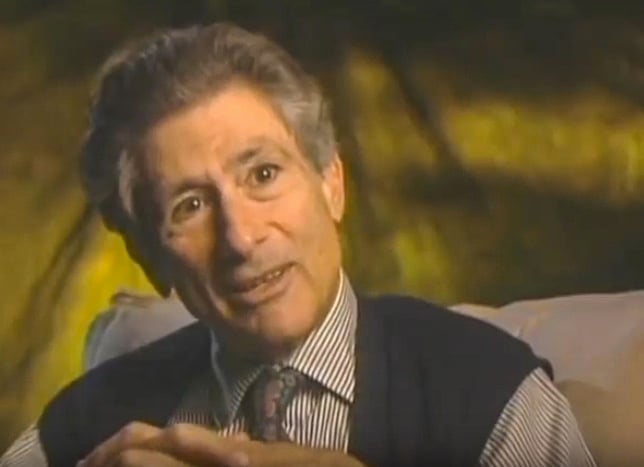
  By Edward Said Edward Said’s book “Orientalism” has been profoundly influential in a diverse range of disciplines since its publication in 1978. In this engaging (and lavishly illustrated) interview he talks about the context within which the book was conceived, its main themes and how its original thesis relates to the contemporary understanding of “the Orient.” Said argues that the Western (especially American) understanding of the Middle East as a place full of villains and terrorists ruled by Islamic fundamentalism produces a deeply distorted image of the diversity and complexity of millions of Arab peoples. Director: Sut Jhally, 1998.   Jan Oberg comments TFF and I pay tribute to this extraordinary intellectual who so sadly died only 67 years old in 2003 – perhaps most known for his book about Orientalism published in 1978, i.e. 40 years ago. Said could know, neither in 1978 nor up to his death,...
1-1
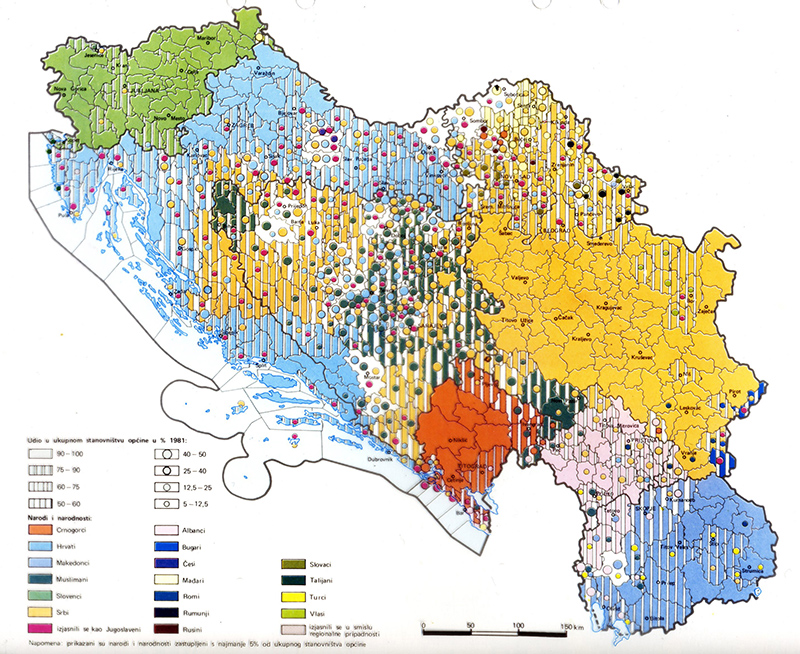
The ethnic map few understood. Should make it clear that cutting up Yugoslavia in independent republics could not be done without bloodshed. (1) Yellow = Serbs, Dark Green = Muslims, Light Blue = Croats,  Light Green = Slovenes, Orange = Montenegrins, Pink = Albanians, Darker Blue = Macedonians   , marks the 19th anniversary of NATO illegal and illegitimate bombing of Yugoslavia, Serbia and its Kosovo, province during 78 days. It has – one is tempted to say: of course – been conveniently forgotten by the West itself. It was masterminded by the United States under Bill Clinton and Secretary of State Madeleine Albright after the so-called negotiations between Serbs and Albanians in Rambouillet outside Paris (the parties never met face-to-face) While Clinton may be best remembered for his relations with Monica Lewinsky and his wife, Hillary Clinton, some of us also remember him (and Albright) for bombing Afghanistan, Sudan,...
johangaltung
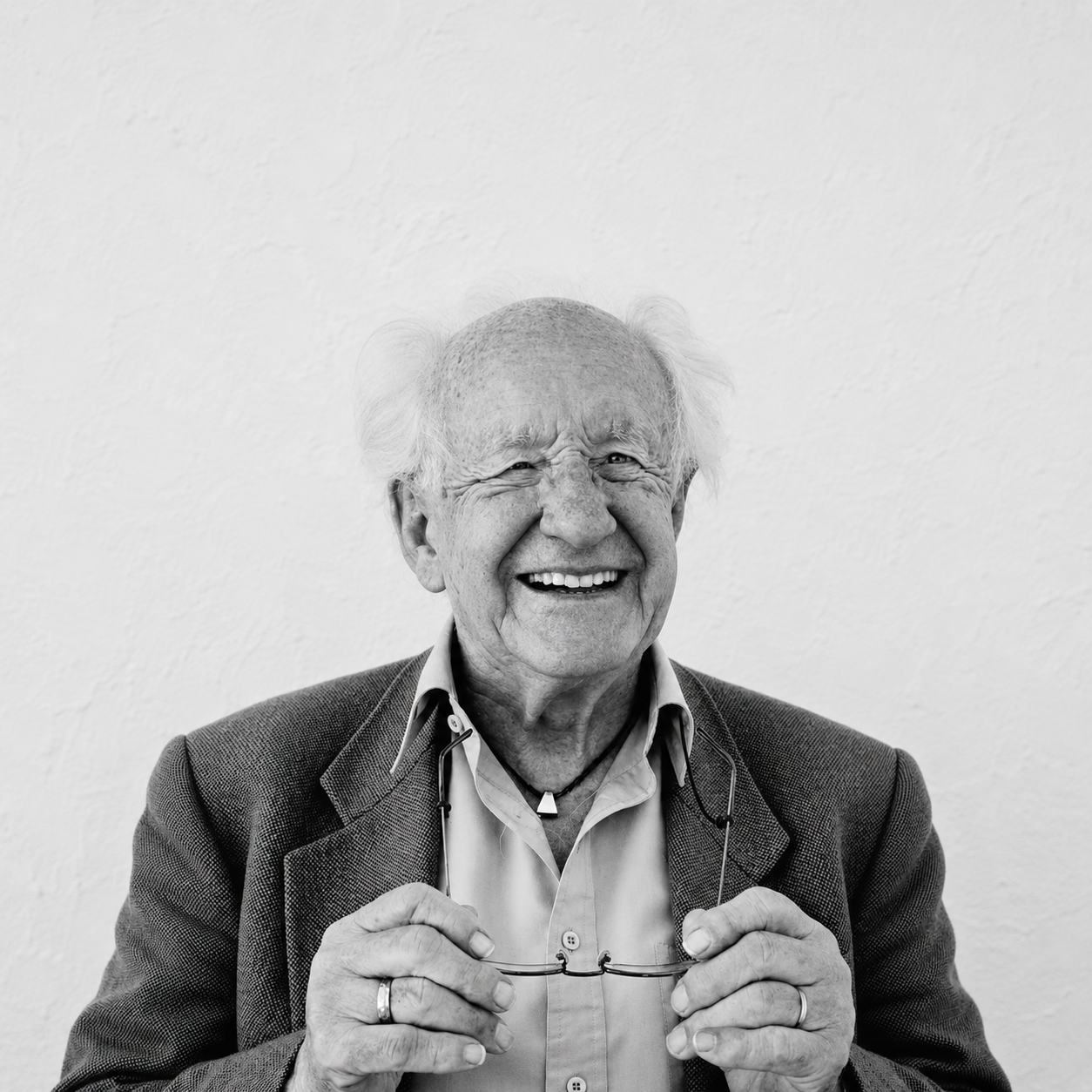
* Today marks the 15th Anniversary of the US invasion of Iraq. Neither solid analyses, moral reasoning and decent argument nor history’s probably largest pre-war, anti-war demonstrations worldwide had any discernible impact on the Bush and Blair Administrations’ decision to go to war and do so on a false pretext. Neither could major allies like France and Germany by their opposition to the war on Iraq persuade Washington and London to first try a peaceful resolution in accordance with the UN Charter provisions. TFF was deeply engaged in preventing this war – also by being on the ground in Iraq – and wants to a) document the research we did and how we argued back then and b) contribute to this tragedy never being forgotten. We also want to place our analyses and debate articles at the disposal – in one place – of the students, researchers, concerned citizens and...
richard-falk-cropped-internal
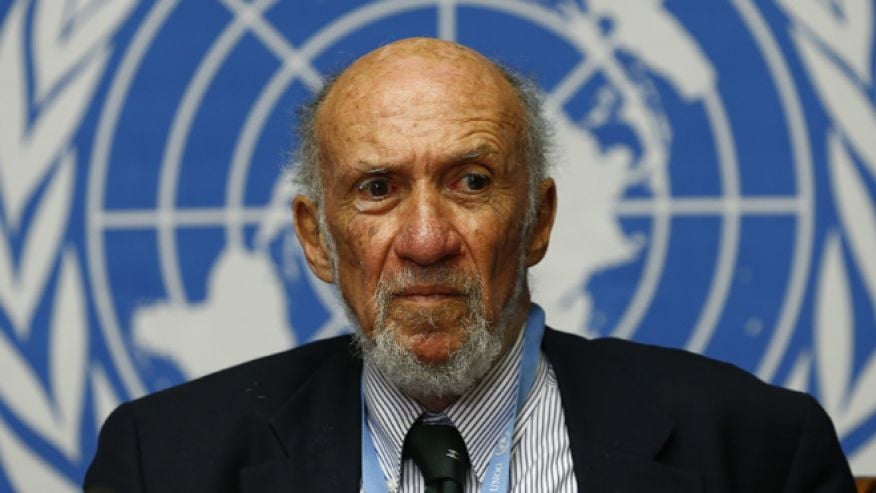
New book by TFF Associate, Richard Falk, on the Vietnam War Revisiting the Vietnam War And International Law: Views and Interpretations of Richard Falk Editor Stefan Andersson Cambridge University Press, 2017 (US $ 157) Paperback UK £ 28 here Why the Legal and Political Debate on the Vietnam War Still Matters Introduction There has been recently a revival of interest in the Vietnam War, perhaps most notably as a result of the quite extraordinary 10-episode Ken Burns & Lynn Novick’s ten-part, eighteen hour documentary film as aired on PBS, which although somewhat ideologically slanted toward an American audience has much illuminating footage, especially bearing on various Vietnamese perceptions of the war experience. I would also call attention to a series of articles by Matthew Stevenson describing his recent visit to Vietnam – “Why Vietnam Still Matters: An American Reckoning” – which combines acute journalistic observation with impressive commentary on the...
Categories

Year

Author / Contributor

Region