China and Silk

Category

Year

Author / Contributor

Region

Sort by

Showing 1-10 of 181 stories

ChurchWindow
By Chas W. Freeman, Jr October 9, 2019 There is currently a good deal of hysteria here in Washington about something called “authoritarianism” allegedly taking the offensive against democratic systems of government.  A century ago, imperialists, colonialists, fascists and communists did indeed articulate theories about their superiority to democracy and seek to impose autocratic systems of government on others.  In World War II and the Cold War, ideology played almost as large a role as geopolitics. Originally posted on Consortium News on October 4, 2019 here Today there are plenty of countries in the grips of autocratic regimes, but there are none propagandizing on behalf of autocracy or “authoritarianism.”  The international appeal of authoritarian systems of government, if any, derives from the extent to which they deliver prosperity and domestic tranquility to their citizens.  In the case of China, this is considerable – vastly superior so far to democratic India,...

cropped-8762eed2-2f72-439a-9c31-1fb07c550d0e
” width=”82″ height=”122″/>Jan Oberg, editor of The Transnational The reason is that you can rest assured there will be no genuine, diverse coverage of this – Chinese and world – event in the mainstream Western press. If not entirely ignored, the focus will be on the military parade and China as a growing threat and on China as a “dictatorship.” 1) You do not have to endorse everything Chinese. The Transnational doesn’t. But China’s socio-economic and cultural development over these 70 years – and in particular the last 40 years of opening up – is unique and so remarkable that it deserves our sincere, sustained interest and curiosity. To know more is also enabling us to look through the fake and omission. In our globalizing world, those who close their mind and watch only themselves as if the rest of the world did not exist will lose, sooner or later....
138431170_15696612368351n
September 29, 2019 BEIJING, Sept. 22 (Xinhua)* — The blistering pace of expansion by China’s economy in the past decades has impressed the world as “China speed.” Now the term is taking on new meaning as the country enters a new development phase. The past 70 years have witnessed how “China speed” impacted the country and the rest of the world. From 1952 — when the earliest official national GDP data after the founding of New China was available — to 2018, China’s GDP soared 452.6 times in U.S. dollar terms, according to the National Bureau of Statistics (NBS). The true economic takeoff started after 1978 when the country began its reform and opening up. China achieved an average annual GDP growth of 9.4 percent between 1979 and 2018 at constant prices, well above the 2.9-percent rate the world economy logged in the same period. The leap in the economy’s...
xjp-iranrowhani-705x437
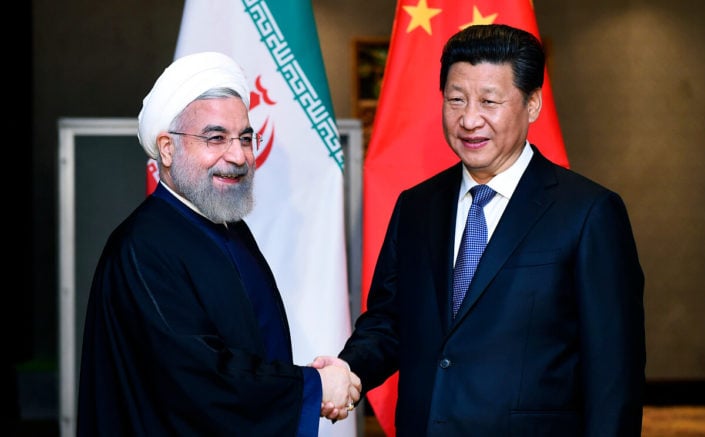
By Sabena Siddiqui September 20, 2019 Facing an economic crisis in large part due to US sanctions, Iran soon may be aligning its policies toward China’s. Having recently updated the terms of a 25-year strategic partnership signed with Beijing in 2016, it looks like Tehran is indeed returning to its Look East foreign policy. Originally posted on Al-Monitor’s website September 17, 2019 here Considered an important player in Chinese President Xi Jinping’s Belt and Road Initiative (BRI) megaproject, introduced in 2013, Iran has been pursued by Beijing for its energy resources and strategic location. But when economic sanctions on Iran were lifted under the Joint Comprehensive Plan of Action (JCPOA) nuclear deal in 2015, Iran preferred to do business on a global basis. Instead of committing to an eastward-looking foreign policy at that time, Tehran tried to maintain a balance. However, since the United States withdrew from the nuclear deal in May 2018, Europe...
israeli-pm-netanyahus-himalayan-750x422
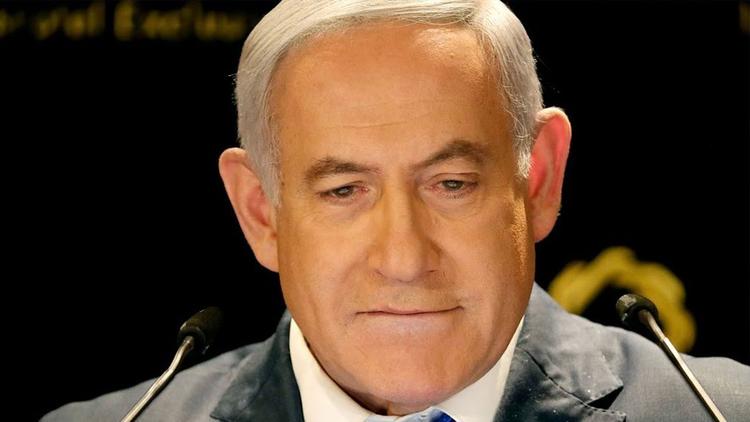
By Juan Cole, Informed Comment September 9, 2019 Ann Arbor (Informed Comment) – The Israeli prime minister Binyamin Netanyahu is one of the world players who pushed Trump to breach the 2015 treaty with Iran. Trump then slapped the severest economic sanctions on Iran ever imposed on any country in the absence of war. Trump went around the world menacing other countries into ceasing to buy Iranian petroleum and threatening billions in fines against any company anywhere in the world that invested in or traded with Iran. This economic and financial blockade was supposed to bring Iran to its knees, push it out of Iraq, Syria and Lebanon, and perhaps (it was hoped by some in Trump’s circles) even pave the way to the overthrow of the Islamic Republic of Iran in favor of the Marxist-Islamic People’s Jihadis (Mohahedin-e Khalq or MEK, which is alleged to have ties to Israeli...
d9ef52b7-8dfb-4725-b276-8b5a1ef17ab2
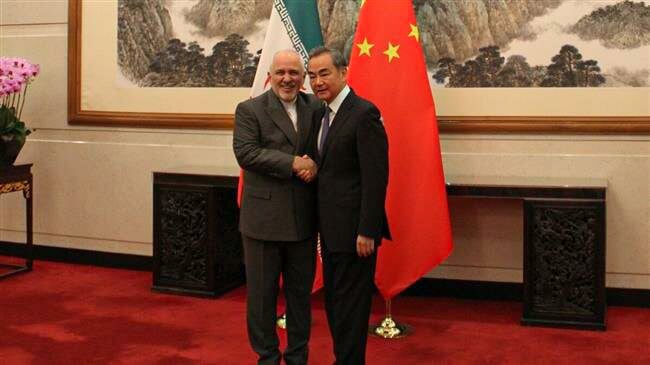
Iranian Foreign Minister Mohammad Javad Zarif (L) shakes hands with his Chinese counterpart Wang Yi at the Diaoyutai State Guesthouse in Beijing on August 26, 2019. Photo by IRNA. By Juan Cole September 9, 2019 Ann Arbor (Informed Comment) – Iranian Foreign Minister Mohammad Javad Zarif was in Beijing recently for what turns out to have been the biggest triumph of his career. China has decided it has nothing further to fear from the Trump administration, and has decided to incorporate Iran into its One Belt, One Road plan with investments totaling some $400 billion. So says Simon Watkins, writing at Petroleum Economist. I suspect Iran would rather have had this deal with Europe, but Trump breached the 2015 Iran nuclear deal and slapped severe sanctions on Tehran, and has been bullying big European firms into joining the financial blockade. Editor’s note:Here is PressTV’s coverage of the foreign minister’s visit...
ChatGPT Image 9 jun 2026, 11_11_33
s who used dogs against the civil rights protestors and cracked heads. It reminds me too of 1968 when the Soviet Union sent its tanks into Prague to overthrow a reforming (but still communist) government only to meet defiance from large sections of the population. On both occasions the brutality was met not with petrol-bombs and stones but with non-violence and passive obstruction. It worked. Stones and fire-bombs would have been counterproductive. The combined strength of the troops of the Soviet Union and its allies was 500,000. For six days the Czech people met their invaders as fellow communists face to face, sometimes arguing with them, sometimes scorning them, always resisting them and refusing too obey their orders. The reaction was totally spontaneous. The improvised radio broadcasts during the first hours of the invasion simply told the populace not to use force and to keep calm. Slogans were painted on...
neoliberalism-101-neoliberalism-is-a-form-of-capitalism-in-which-26584797
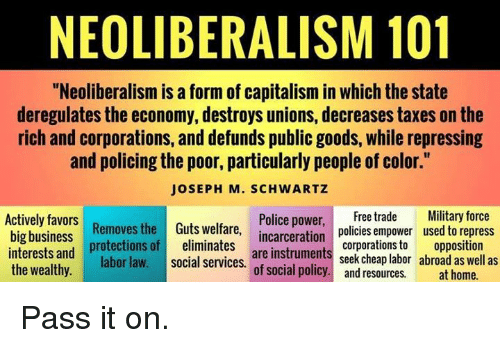
By Ellen Brown September 1, 2019 When the Federal Reserve cut interest rates on July 31st for the first time in more than a decade, commentators were asking why. According to official data, the economy was rebounding, unemployment was below 4%, and GDP growth was above 3%. If anything, by the Fed’s own reasoning, it should have been raising rates. Originally posted Ellen Brown’s official website on August 9, 2019 here The explanation of market pundits was that we’re in a trade war and a currency war. Other central banks were cutting their rates and the Fed had to follow suit, in order to prevent the dollar from becoming overvalued relative to other currencies. The theory is that a cheaper dollar will make American products more attractive on foreign markets, helping our manufacturing and labor bases. Over the weekend, President Trump followed the rate cuts by threatening to impose a new 10% tariff on $300...
China-s-meat-majors-focus-on-convenience-as-incomes-rise_strict_xxl
By Martin Jacques, Cambridge University August 28, 2019 A delightful conversation about the essential difference between the West and China and why they have vitally different ways of relating to other countries and cultures. If you do business in China, travel as a tourist – which far too few Westerners do – teach international relations and the future of the world, this half an hour is about the best investment you can make to understand better what China is about – and to see the West from outside. Be sure to also visit Jacques’ homepage – and see other videos on his YouTube Channel. Jan Oberg, editor
cropped-1a4d6430-b144-11e9-a61f-bc570b50c4e7_image_hires_161144
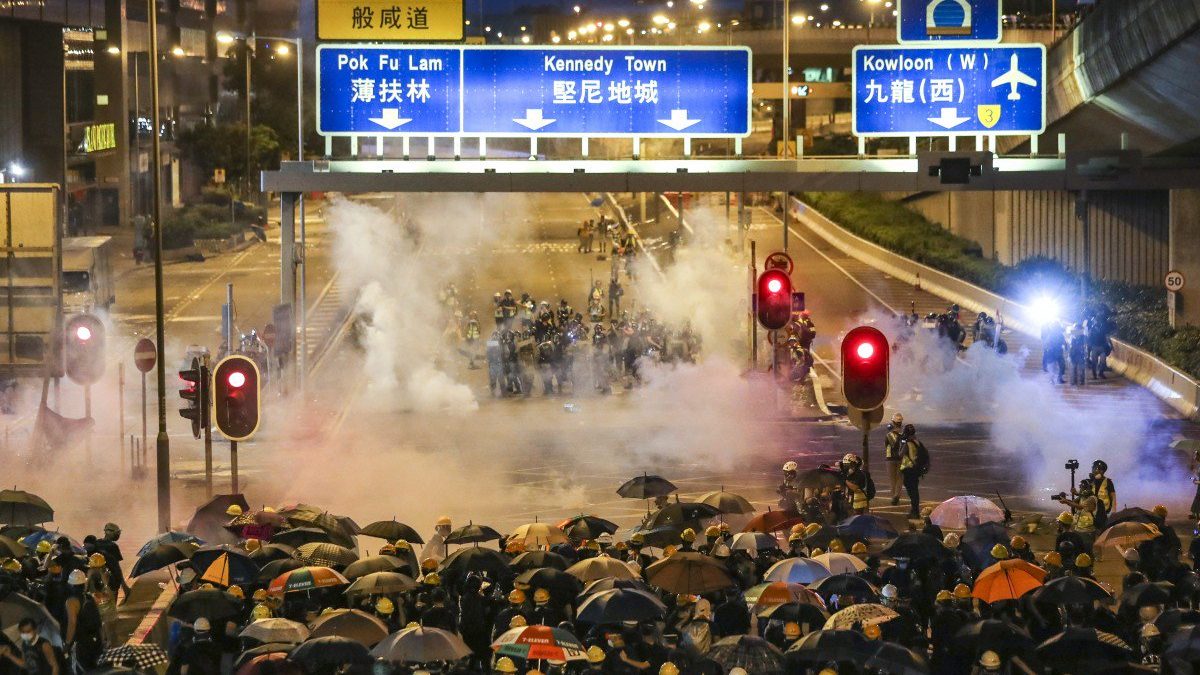
Riot police fire tear gas at protesters as they head towards the central government’s liaison office in Sai Ying Pun on Sunday. Photo: Sam Tsang in SCMS By Kevin Zeese and Margaret Flowers Directors of Popular Resistance August 20, 2019 Hong Kong is one of the most extreme examples of big finance, neoliberal capitalism in the world. As a result, many people in Hong Kong are suffering from great economic insecurity in a city with 93 billionaires, second-most of any city. Hong Kong is suffering the effects of being colonized by Britain for more than 150 years following the Opium Wars. The British put in place a capitalist economic system and Hong Kong has had no history of self-rule. When Britain left, it negotiated an agreement that prevents China from changing Hong Kong’s political and economic systems for 50 years by making Hong Kong a Special Administrative Region (SAR). China cannot solve...
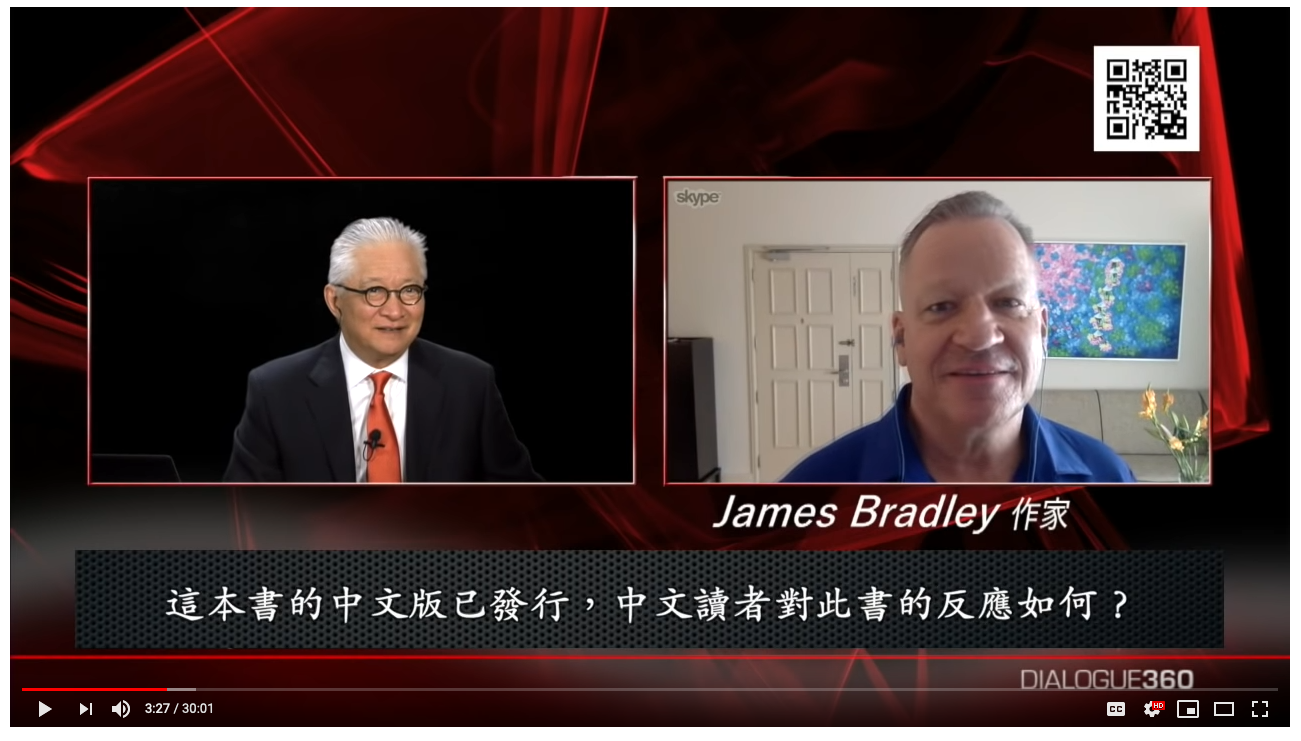
Bradley
There is a permanent, more or less intensive, narrative that China is the Enemy # 1 of the West. We have the permanent US/Western assertion that China is the new military super enemy. There is the argument that the world’s – if not history’s – largest co-operative project, the Chinese-initiated Belt and Road Initiative (BRI) is, in reality only a new type of colonialism and exploitation – namely Chinese colonialism and/or imperialism. There is the present US-China trade war (and negotiations), including the focus on Huawei, and we have – right now – the ongoing demonstrations – violent at that – in Hong Kong which is not without influence from the US and the UK. What we do not have is comprehensive knowledge and balanced views. When, for instance, did you last see something positive in the news about China’s achievements, culture or its amazing development during the last 40...
China-Belt-and-Road-Initiative-map
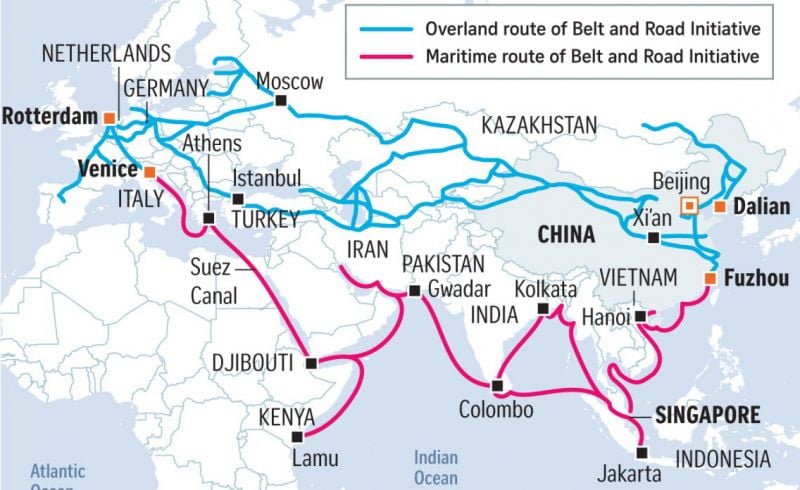
By People’s Daily Online July 28, 2019 This is an explainer from a Chinese perspective and it is the kind of information and perspective we get far too little of in the West – in spite of it being so diverse, so big and so visionary. What – one may ask – is the West so afraid of? And will the West be better off if it ignores the BRI and isolates itself? I do not think so. – Jan Oberg, The Transnational’s editor After its successful debut two years ago, the second Belt and Road Forum for International Cooperation, a leading platform for international cooperation under the framework of the Belt and Road Initiative, or BRI, will be held in Beijing again this month, drawing representatives from over 150 countries, including 37 leaders of foreign governments, under the theme of “Belt and Road Cooperation, shaping a brighter shared future.” ...
Categories

Year

Author / Contributor

Region