Archive 1986 – 2017

Category

Year

Author / Contributor

Region

Sort by

Showing 1-10 of 3510 stories

ChatGPT Image 9 jun 2026, 11_11_33
                        Every so often reports emerge that attempt to measure which are the best countries to live in. The Nordic countries plus New Zealand, Holland and Switzerland, usually come out top. Sweden is number one just for the sheer stability of life and security. Denmark is seen as the most agreeable place to live. The highest rate of longevity is found in Japan. The best schools are in Finland, New Zealand and Canada. Political and press freedom put the Nordics at the top of the league. Last month, the Legatum Institute based in London published a report looking at inequality. Its timing could not be more perfect with the US Congress last week passing President Donald Trump’s tax bill which increases inequality by a substantial amount. In 2013 the French economist, Thomas Piketty, published his blockbuster book, “Capital in...
Imagen-thumbnail-The-Transnational-1
This TFF Associates’ blog became an open archive in December 2017 when TFF launched its new magazine homepage, The Transnational on January 1, 2018. There is also a new, technically updated edition of this 2011-2017 blog that you may access here. In both this old and the new version, you’ll find almost everything posted over these 6 years by TFF Associates, a group of experts on international issues who are committed to the UN Charter norm that peace shall be established by peaceful means. There are more than 1300 articles here. Together with the articles posted on the old 1997-2011 homepage you’ll find an estimated 7000 (mostly) accessible articles. • We believe that this is one of the largest reservoirs of research-based, pro-peace writings published continuously between 1997 and 2017. The Transnational also has a link to TFF’s work 1986-1997 – that is, before the foundation set itself up on the...
johangaltung
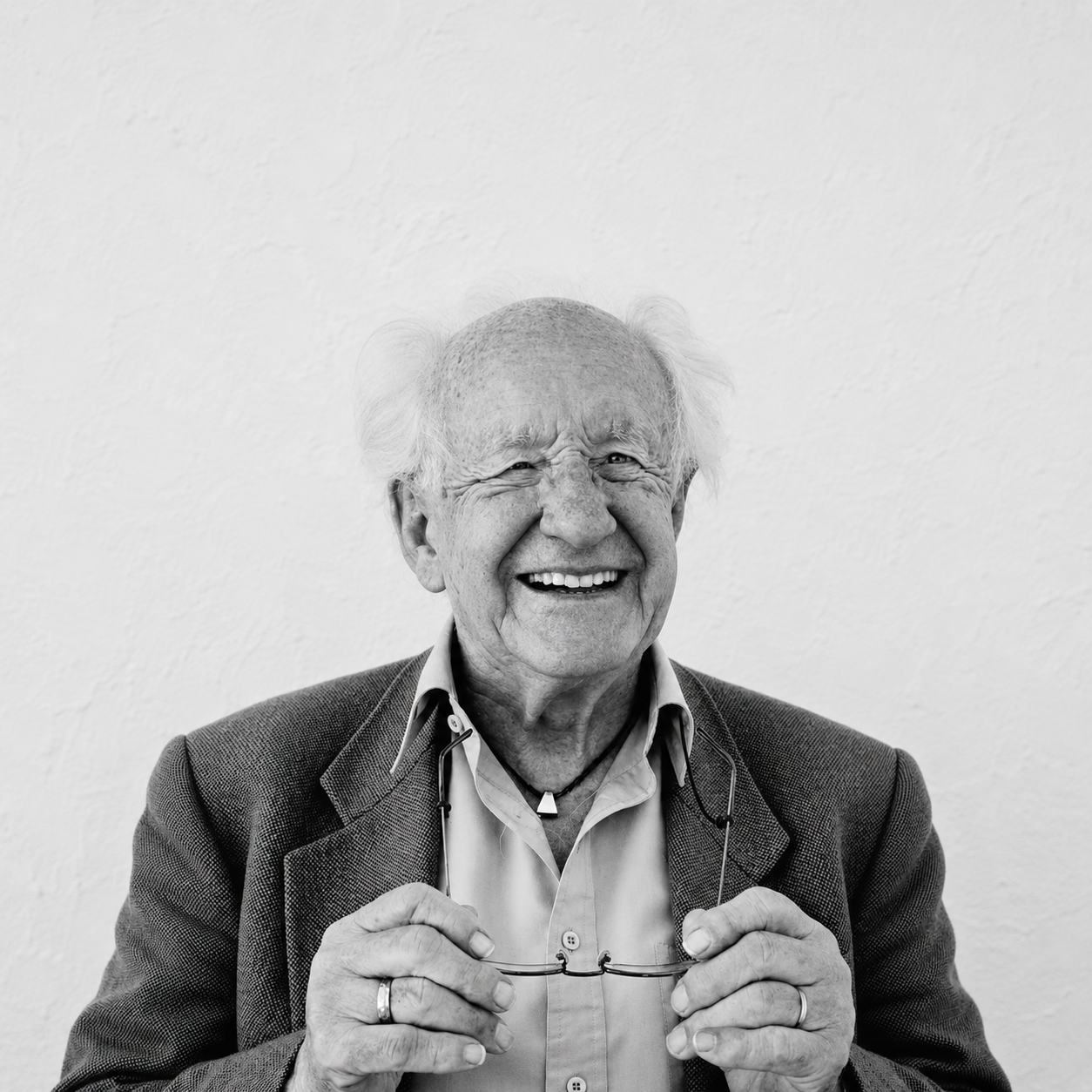
• Two important words enriching each other. “Nonviolent” easily becomes bla-bla, and “economy” is too general. But, does “nonviolent” make a difference for the better to the economy?  And vice versa, can “economy” make “nonviolent” more positive, beyond resistance to evil? Let us start with “economy”, here conceived of as a cycle with three poles: Nature, Production, Consumption. And three processes: Extraction from Nature, Distribution from Production to Consumption, and Pollution from Production-Consumption back to Nature. The cycle flow is in that order: Nature → Production → Consumption → Nature. Via transcend.org A simple summary of the economy: humans extract resources from nature, produce-process for (end) consumption, and sends what they cannot consume back to nature (but economists, like book-keepers, left out the Nature part). And we want it all to be nonviolent! “Do no harm!”, nonviolent, is insufficient.  “Peace”, “peaceful” include positive peace–Peace Economics, A Theory of Development are...

ObergPhoto2cmB-W-3
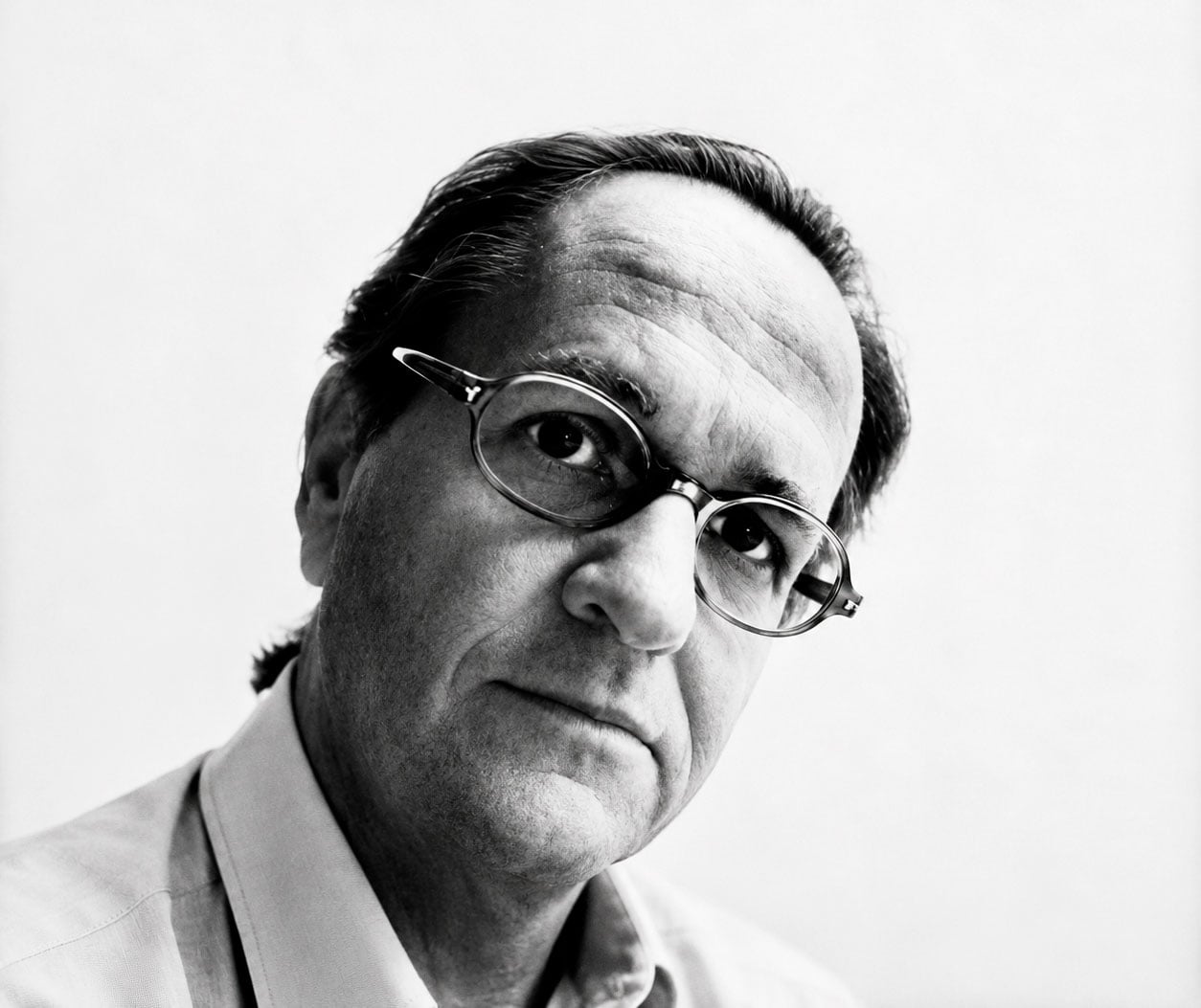
  • The big – not great – powers of the world have embassies everywhere, plenty of intelligence services, special forces on the ground and satellites in space. They can even hit and kill individuals they don’t like. They can intervene here and there and everywhere – particularly if they have economic or strategic interests or their own nationals are in danger. These very weeks they can squander incredible sums of taxpayers’ money on new nukes and huge paranoia-based military exercises in a Europe – to which over a million refugees come because these big – not great – powers have contributed to the destruction of their houses, villages, life opportunities, whole countries and cultures. So it’s amazing what the big ones can do. It would be impressive if it wasn’t so destructive and self-defeating. Again and again. The only things they don’t seem capable of, however, is to: a)...
lenin_300
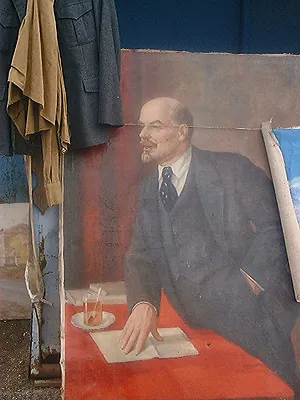
• Published in Bulletin of Peace Proposals 3-1990, pp 287-298 and on TFF’s homepage at the same time   1. Four hypotheses The West has lost a close enemy, the Soviet Union and Eastern Europe. Which reactions can be discerned and what psycho-political emotions are they indicative of? How did the West cope with the first years of this new post-Cold War situation? Can we mourn the death of an enemy, can we heal ourselves after the loss? How does one learn to live a new life without a close enemy? Has the West done what it ought to do for itself and for the former enemy? “The West” of course is a term hanging loose. We employ it in this article as meaning interchangeably “NATO, the Western hemisphere, the United States and Western Europe and a few cases, Western or Occidental culture”. The first hypothesis of this essay is...
U.S. President Donald Trump delivers remarks regarding the Administration's National Security Strategy at the Ronald Reagan Building and International Trade Center in Washington D.C.
  By Donald Trump • President Donald Trump delivers his first strategy plan on protecting the United States from ‘rivals’ and enemies. December 18, 2017 Via aljazeera.com The following is a White House transcript of US President Donald Trump’s speech on Monday on his administration’s national security strategy: We’re here today to discuss matters of vital importance to us all: America’s security, prosperity, and standing in the world. I want to talk about where we’ve been, where we are now, and, finally, our strategy for where we are going in the years ahead.
Imagen-thumbnail-The-Transnational
  By Rabbi Michael Lerner • In case you who missed it, here’s Rabbi Lerner’s talk at Muhammed Ali’s funeral. If it inspires you, please read below for how to be an ally with Rabbi Lerner to help build the world he describes. To read the transcript of his speech, click here. Wondering why Rabbi Lerner got invited and how to respond to the handful of naysayers who have been upset by Lerner’s powerful message? Please read below. Muhammad Ali had known Rabbi Lerner as a friend and ally in the 1960s and early 1970s when both were indicted by the U.S. government for their roles in opposing the war in Vietnam. He then wrote Rabbi Lerner to praise his book with Cornel West Jews and Blacks: Let the Healing Begin. Approximately seven years ago, he decided to invite Rabbi Lerner to represent the American Jewish community at his memorial service. Rabbi Lerner...
Imagen-thumbnail-The-Transnational
  By Joseph Lumbard Assistant Professor of Classical Islam at Brandeis University and former advisor for interfaith affairs to the Royal Jordanian Court, is a general editor for The Study Quran. His other publications include Islam, Fundamentalism, and the Betrayal of Tradition and Submission, Faith and Beauty. Joseph Lumbard, Love for the Prophet Muhammad: A Key to Countering Islamism and Islamophobia. Tikkun 1 August 2015; 30 (3): 46–48 at Duke University Press Non-muslims often struggle to understand Muslims because they fail to grasp the role that the Prophet Muhammad plays in our lives. Failing to realize the breadth of the Prophet’s teachings and the depth of love for the Prophet throughout the Islamic world, many non-Muslims are quick to believe ISIS, the Wahhabis, and other militant groups when they claim that it is they who adhere to the precepts set by the Prophet Muhammad and are thus the true followers...
luce
  By Heather Dubois • Religion, after all, is a powerful constituent of cultural norms and values, and because it addresses the most profound existential issues of human life (e.g., freedom and inevitability, fear and faith, security and insecurity, right and wrong, sacred and profane), religion is deeply implicated in individual and social conceptions of peace. Scott Appleby explains that the ambivalence of religion lies in the interpretation of the sacred, in imperfect human perception: “At any given moment any two religious actors, each possessed of unimpeachable devotion and integrity, might reach diametrically opposed conclusions about the will of God and the path to follow.” In other words, religion can underwrite both conflict and peace on its own terms. It is an intervening variable that sometimes escalates, sometimes de-escalates conflict behavior. Via Journal of Religion, Conflict and Peace As Appleby notes, “Religious leaders and their followers make choices as to...
Fall-of-Jerusalem
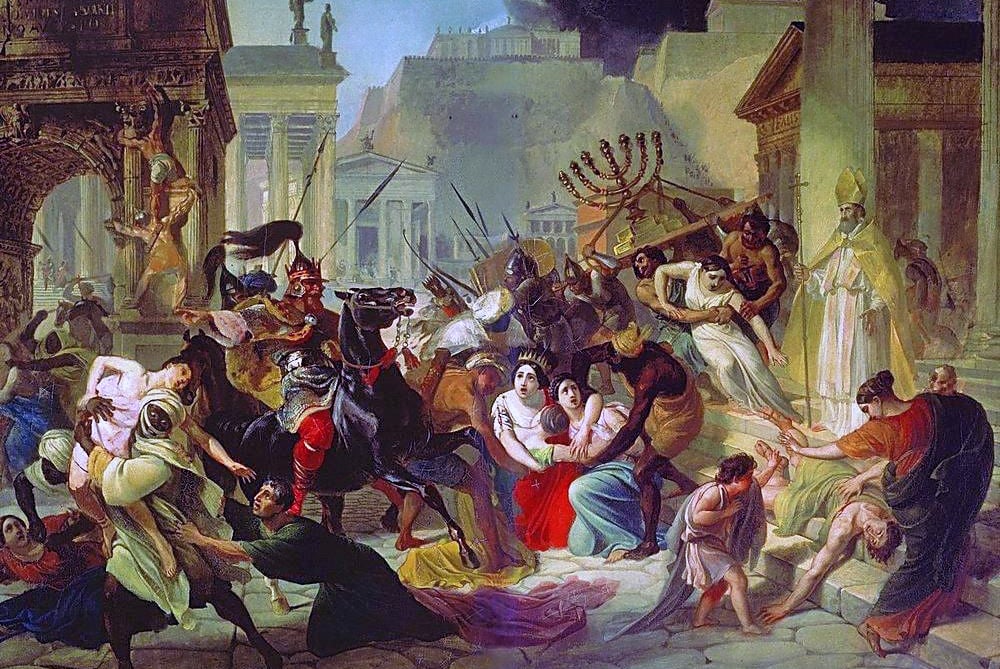
  By Brandon Marlon Neither are great civilizations built in a day, nor do they collapse all of a sudden. Deterioration is gradual, therefore noticeable. In the Land of Israel, the First Temple was destroyed due to idolatry. The Second Temple was destroyed due to baseless hatred. In the 21st century, the subtler combination of irrationality with pusillanimity constitutes the fatal concoction. Our relationship to the obvious serves as an index through which the symptoms of decline are noted. Via algemeiner.com Let all concerned for the commonwealth take caution, for here is how we sophisticated moderns lose civilization: Cognitive Dissonance – A cerebral malfunction resulting in psychological blindness. We see something perfectly well but fail to recognize what it evidently is. A mental block prevents us from acknowledging the obvious. Denial – The matter become clearer and reality loses its blur, yet we stubbornly refuse to admit what the matter...
logo_home
  By Bishnu Pathak • The objective of this paper is to explore the initiatives and practices of different countries in truth seeking. Many countries during the post-conflict, colonial, slavery, anarchical and cultural genocide periods establish the Truth Commissions to respond to the past human wrongdoings: crimes and crimes against humanity. Enforced Disappearances (ED), killings, rapes and inhumane tortures are wrongdoings. Truth Commission applies the method of recovering silences from the victims for structured testimonies. The paper is prepared based on the victim-centric approach. The purpose reveals the piecemeal fact-findings to heal the past, reconcile the present and protect the future. The study covers more than 50 Commissions in a chronological order: beginning from Uganda in 1974 and concluding to Nepal in February 2015. Two Commissions in Uruguay were formed to find-out enforced disappearances. Colombian and Rwandan Commissions have established permanent bodies. The Liberian TRC threatened the government to submit...
gittings_0
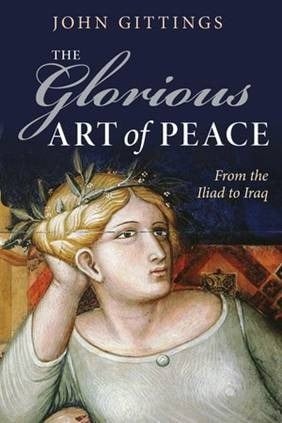
  By John Gittings • “Although most people have always sought to live in peace, our perception of the past is over-dominated by a narrative that is obsessed with war”, argues John Gittings – long-standing ORG Adviser and Guardian Writer, in his latest book ‘The Glorious Art of Peace: From the Iliad to Iraq’, published this year by Oxford University Press. August 2012 In this special article for ORG, based on his book, John Gittings demonstrates that we need to open our minds to an alternative view of history, which acknowledges the strength of the case for peace, as it has been argued from ancient times to the present day. This rich record of peace thought and argument is not only of great historical interest: It highlights the need to understand that peace is essential for civilisation, and that we must find better ways to educate for peace, to develop more...
Categories

Year

Author / Contributor

Region