

Generic thumbnail

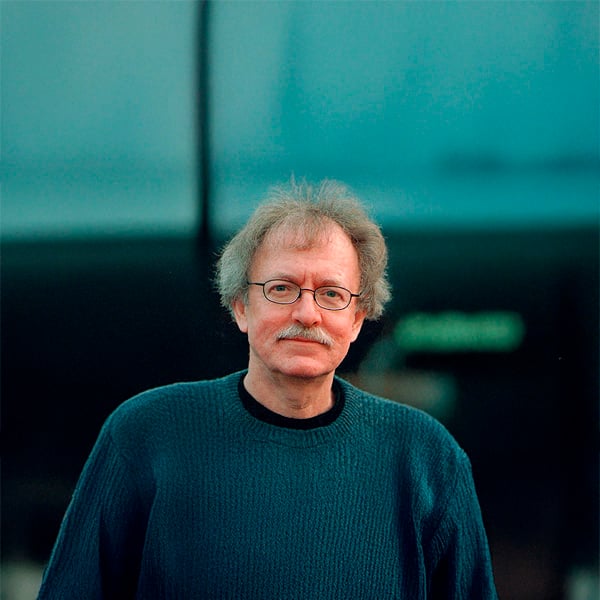
Pankaj Mishra
Buddha i världen
Översättning och förord Zac O’Yeah
Ordfront 2007


Telefonen ringde i den lilla byn Mashobra i indiska Himalaya hemma hos författaren Pankaj Mishra. En vän i Calcutta hade sett förfärliga bilder på tv. Författaren, utan egen mottagare, knackade på hos sin värd herr Sharma, redaktör för en sanskrittidskrift. Men han ville inte bli störd i sin andaktsstund. Några dagar senare såg han på en flimrande svartvit tv hos en puckelryggig bonde i byn bilderna från attentatet mot World Trade Center.

Den indiske författaren hade skaffat sig rummet hos herr Sharma redan 1992 efter avslutade universitetsstudier. För att studera och arbeta på en bok om Buddhas liv hade han sökt isolering i bergen. Arbetet med Buddhaboken skulle komma att ta tolv år. Andra böcker kom till under tiden och Mishra etablerade sig internationellt som författare och skribent i västerländska tidningar som The Guardian och London Review of Books. Men frågan om vad Buddha hade att säga vår tid upptog honom fortfarande och ställdes på sin spets efter den elfte september.

Det blev en bok till slut, Buddha i världen. I Indien hälsades den med entusiasm. I vår har den kommit på svenska i översättning av den i Indien bosatte svenske författaren Zac O’Yeah. I sitt förord berättar Zac O’Yeah att han under de femton år han varit bosatt i Indien sett sin hemstad Bangalore och dess invånare förändras omvälvande, genom välkommet växande välstånd men också genom tidigare okända välfärdssjukdomar. Kan den moderna civilisationens dilemman förstås genom en flertusenårig filosofi? Ja kanske.

Pankaj Mishra söker, skriver Zac O’Yeah, “i de indiska traditionerna efter nycklar till nytänkande och visioner för en värld där civilisationerna förefaller att vara på kollisionskurs”. Mishra är både en sökare och en författare och hans välskrivna bok väcker återkommande reflexioner om detta att vara människa.

Pankaj Mishra föddes 1969 i en by nära gränsen till Nepal, inte så långt från den plats där Buddha föddes i nuvarande Nepal. Hans familj flyttade snart till en stad och Pankaj bestämde sig tidigt för att bli författare. I Mashobra studerade han Buddhas lära och började för säkerhets skull också meditera. Så mycken indisk litteratur om Buddha fann han inte. Trots att Buddha verkade i Indien har den ursprungliga buddhismen nästan helt försvunnit från landet. I Himalaya finns tibetanska buddhister. Andra buddhistiska grupper består av före detta lågkastiga daliter, som konverterat i förhoppning att undkomma kastsamhällets diskriminering. Men den egentliga buddhismen har gått i exil från Indien.

Mishra, som är uppfostrad i en västerländskt influerad familj, fann omvägar till förståelse av buddhismen via västerländska tänkare. Den amerikanske beatpoeten Allen Ginsburg sökte österländsk visdom i Indien. Långt tidigare hade buddhismen attraherat författare som Herman Hesse men också Jorge Luis Borges, Rainer Maria Rilke och Henry David Thoreau och många andra. Einstein hade kallat buddhismen för framtidens religion, eftersom den var kompatibel med modern vetenskap. Några av de största västerländska författarna och intellektuella hade uppenbarligen förstått värdet av tankar som “uttryckts två och ett halvt årtusende senare av en obskyr indisk vishetslärare som suttit under ett träd”, skriver Mishra. Han är själv inte buddhist. Det här är ingen bekännelsebok, snarare en sympatisk tankebok, på en och samma gång självbiografisk, en studie av Buddhas liv och tänkande, en resebok och en essä med reflexioner om Indiens plats i den globaliserade världen.

Författaren ser likheter mellan vår tid och Buddhas, som skeden av omvälvande och snabba förändringar av människors grundläggande materiella villkor. Någonstans inser han att Buddha förmodligen har rätt när han menar att “girighet, hat och självbedrägeri” både är upphov till allt lidande och samtidigt själva livets ursprung. Han tar till sig vikten av att bringa etik till vardagslivet, så som Buddha betonar, att sinnet är där vansinnet uppstår, att sinnesro är något grundläggande för varje individ. Då har Mishra lämnat Himalaya och gett sig ut i världen. Med åren har han blivit en privilegierad, globaliserad författare och kulturskribent som återkommande bor långa perioder i väst, särskilt i London. Han ser tillbaka på sitt liv, den unge studenten i Allahabad som hoppades på revolution, ynglingen i Himalaya som ville skriva en bok om Buddha för att bli författare och nu den rastlöse världsresenären, en intellektuell vagabond. Men inte bara han själv förändras. Den isolerade byn Mashobra har blivit attraktiv för fastighetsspekulanter, där har byggts ett femstjärnigt hotell, kabel-tv har introducerats.

Kan Buddhas idéer tillämpas i en så snabbt föränderlig värld som vår? Kan Buddha ge hjälp åt människor som kämpar mot politiskt förtryck, sociala och ekonomiska orättvisor och miljöförstörelse? Mishra formulerar frågorna utan att ange enkla svar. För buddhismen står det dagliga enkla livet i centrum. Men det mesta i vår tid fokuserar på andra värden, tillväxt, ökad förbrukning och mångfaldigade behov av ständigt nya varor och tjänster, allt det som Buddha varnade för. I London funderar Pankaj Mishra över de brittiska kolonisatörer som erövrade världen. Varför gav de sig iväg? Varför ville de erövra världen och göra den likadan som sin egen? “… vad för slags ny mening har de givit – i sina försök att omdana en mångfacetterad mänsklighet till sin egen avbild – åt idén om att vara människa.”

Related Posts

LONDON – So far so good, at least on the wider level. While internally Iraq seems on the edge of chaos, the much heralded clash of civilizations between the Muslim and Judaeo-Christian worlds has yet to become apparent. We have anger and despair aplenty in the Arab and Muslim worlds. But very little rushing to the standard and there was no great pilgrimage of warriors to join the fight, as happened when the Soviet Union invaded Afghanistan twenty years ago, and then, having driven the Red Army out, were left to ferment in that mountainous redoubt. With the armaments supplied by the CIA the mujahidin were transformed into Al Qaeda that became, for a relatively brief moment as these things go, ‘the greatest threat to the homeland that America has ever known.’ Nevertheless a ‘Cold War’ between much of the Muslim world and the West is certainly in full swing. Winston...
The Challenge of Nuclear Weaponsin the Twenty-first CenturyA Path Forward The peoples and governments of the world face an urgent challenge relating to weaponry of mass destruction and particularly to nuclear weaponry.  At the crossroads of technology, terrorism, geopolitical ambition, and policies of preemption are new and potent dangers for humanity. Despite ending the nuclear standoff of the Cold War era, nuclear weaponry is again menacing the peoples of the world with catastrophic possibilities.  We recognize the need for any government to pursue its security interests in accordance with international law; and further, we recognize that distinctive threats to these interests now exist as a result of an active international terrorist network having declared war on the United States and its allies. Nonetheless, we reject the assessment of the current US administration that upgrading a reliance on nuclear weapons is in any sense justified as a response. We find it...
By Karin Wegestal MP, the Social Democratic Partyon behalf of the Swedish Committee for Solidarity with the Yugoslav People During the last decade, the Federal Republic of Yugoslavia has received more than 500,000 refugees from Croatia and Bosnia, and another 300,000 internally displaced persons, mainly from the province Kosovo and Metohia. For a country with about ten million inhabitants, such an influx of homeless people is obviously a very heavy burden – even under peaceful conditions. But in addition to that, the Federal Republic of Yugoslavia has been the subject to sanctions from the western powers for close to ten years and its infrastructure was badly hurt through Nato’s intense bombardment during 78 days in 1999. The result of all this is that Yugoslavia, once the most developed industrial country in Eastern Europe, is today the poorest country in Europe. In Serbia excluding Kosovo, with about ten million inhabitants and...

Recent Articles

Photo above: Carl Fredrik Reuterswärd’s Non-Violence outside UN Headquarters in New York. Kirill Levin, CC BY-NC-SA 2. Jan Oberg November 3, 2026 I am happy to be published in Horizons which is produced by the Center for International Relations and Sustainable Development, CIRSD, in Belgrade. My contribution brings out a radical re-thinking of what concepts such as defence, security, deterrence – and peace – may mean if we want to create a more peaceful world. It also summarises a few things I have been working with the last few decades. Please read it here Og her er den på dansk, takket være Johnny Baltzersens lynhurtige oversættelse
UNITE-tillid, DREAM-velstand og andre konstruktive komponenter Normally we publish articles in English here. But this is a translation of a very important TFF document that should reach as many as possible in Denmark since this country’s government has been one of the most hardline in Europe and, up till now at least, has refused to use diplomacy and, instead, spent tremendous sums on arming Ukraine with the express goal of defeating Russia. Thus this – unique – article is in Danish. Vi er Johnny Baltzersen og hans Fælles Sikkerhed – Fælles Fremtid på Substack overmåde taknemmelige for at have oversat og publiceret TFF’s 2025-portfølje for fredsidéer med henblik på Ukraines fremtid. Vi håber den nu kan nå mange flere danskere – som også vil sprede den og skabe debat – nu den danske regerings og folketingspartiernes politik på dette område siden 2022 står nu – forudsigeligt – ved vejs ende....
Jan Oberg TFF director October 28, 2026 Exactly one month has now passed since I published my criticism of the introduction to the special issue on Johan Galtung published by the Journal of Global Security Studies, JoGSS, and of Tor Egil Førland’s chapter about Galtung which serves as a preview to his forthcoming biography of Galtung to be published by PRIO. See the original on The Transnational here and the same article on TFF Substack with many general and critical comments and, in particular, the people who decided to withdraw from the biography project in protest. The special issue itself was extraordinary. It was devoted to the intellectual legacy of one of the founders of peace research and contained a number of strong assessments of his personality, scholarship, intellectual trajectory, and public role. Such assessments are, of course, entirely legitimate. No scholar is beyond criticism, and neither was Johan Galtung....

TFF on Substack

Discover and subscribe to more peace materials on TFF Substack

Most Popular

Photo above: Carl Fredrik Reuterswärd’s Non-Violence outside UN Headquarters in New York. Kirill Levin, CC BY-NC-SA 2. Jan Oberg November 3, 2026 I am happy to be published in Horizons which is produced by the Center for International Relations and Sustainable Development, CIRSD, in Belgrade. My contribution brings out a radical re-thinking of what concepts such as defence, security, deterrence – and peace – may mean if we want to create a more peaceful world. It also summarises a few things I have been working with the last few decades. Please read it here Og her er den på dansk, takket være Johnny Baltzersens lynhurtige oversættelse
UNITE-tillid, DREAM-velstand og andre konstruktive komponenter Normally we publish articles in English here. But this is a translation of a very important TFF document that should reach as many as possible in Denmark since this country’s government has been one of the most hardline in Europe and, up till now at least, has refused to use diplomacy and, instead, spent tremendous sums on arming Ukraine with the express goal of defeating Russia. Thus this – unique – article is in Danish. Vi er Johnny Baltzersen og hans Fælles Sikkerhed – Fælles Fremtid på Substack overmåde taknemmelige for at have oversat og publiceret TFF’s 2025-portfølje for fredsidéer med henblik på Ukraines fremtid. Vi håber den nu kan nå mange flere danskere – som også vil sprede den og skabe debat – nu den danske regerings og folketingspartiernes politik på dette område siden 2022 står nu – forudsigeligt – ved vejs ende....
Jan Oberg TFF director October 28, 2026 Exactly one month has now passed since I published my criticism of the introduction to the special issue on Johan Galtung published by the Journal of Global Security Studies, JoGSS, and of Tor Egil Førland’s chapter about Galtung which serves as a preview to his forthcoming biography of Galtung to be published by PRIO. See the original on The Transnational here and the same article on TFF Substack with many general and critical comments and, in particular, the people who decided to withdraw from the biography project in protest. The special issue itself was extraordinary. It was devoted to the intellectual legacy of one of the founders of peace research and contained a number of strong assessments of his personality, scholarship, intellectual trajectory, and public role. Such assessments are, of course, entirely legitimate. No scholar is beyond criticism, and neither was Johan Galtung....
Read More
knotted gun
Photo above: Carl Fredrik Reuterswärd’s Non-Violence outside UN Headquarters in New York. Kirill Levin, CC BY-NC-SA 2. Jan Oberg November 3, 2026 I am happy to be published in Horizons which is produced by the Center for International Relations and Sustainable Development, CIRSD, in Belgrade. My contribution brings out a radical re-thinking of what concepts such as defence, security, deterrence – and peace – may mean if we want to create a more peaceful world. It also summarises a few things I have been working with the last few decades. Please read it here Og her er den på dansk, takket være Johnny Baltzersens lynhurtige oversættelse
TFFPortfolioVign
UNITE-tillid, DREAM-velstand og andre konstruktive komponenter Normally we publish articles in English here. But this is a translation of a very important TFF document that should reach as many as possible in Denmark since this country’s government has been one of the most hardline in Europe and, up till now at least, has refused to use diplomacy and, instead, spent tremendous sums on arming Ukraine with the express goal of defeating Russia. Thus this – unique – article is in Danish. Vi er Johnny Baltzersen og hans Fælles Sikkerhed – Fælles Fremtid på Substack overmåde taknemmelige for at have oversat og publiceret TFF’s 2025-portfølje for fredsidéer med henblik på Ukraines fremtid. Vi håber den nu kan nå mange flere danskere – som også vil sprede den og skabe debat – nu den danske regerings og folketingspartiernes politik på dette område siden 2022 står nu – forudsigeligt – ved vejs ende....
JoGSS-Silent
Jan Oberg TFF director October 28, 2026 Exactly one month has now passed since I published my criticism of the introduction to the special issue on Johan Galtung published by the Journal of Global Security Studies, JoGSS, and of Tor Egil Førland’s chapter about Galtung which serves as a preview to his forthcoming biography of Galtung to be published by PRIO. See the original on The Transnational here and the same article on TFF Substack with many general and critical comments and, in particular, the people who decided to withdraw from the biography project in protest. The special issue itself was extraordinary. It was devoted to the intellectual legacy of one of the founders of peace research and contained a number of strong assessments of his personality, scholarship, intellectual trajectory, and public role. Such assessments are, of course, entirely legitimate. No scholar is beyond criticism, and neither was Johan Galtung....
Screenshot 2026-10-26 115647
An aspect of Iran’s culture and civilisation you’ve probably never heard about. Don’t be surprised if the US and Israel also try to bomb them. Jan ObergTFF director October 26, 2026 Today – under the “USraeli” threat of new “annihilating” bombings – opens the 7th International Conference on Peace and Conflict Resolution at Tehran’s University. As far as I can tell, this is the only permanent, advanced peace research institution in West Asia/the Middle East. Perhaps more countries in that region could be inspired? I mean, how many military “security” institutes and military academies do they have? Many peace research institutes and university departments have been established since the 1950s in the West. They are now all under attack; some have closed down, some have gone mainstream, yet others kept the name but do nothing to research peace and disseminate results or advice; instead, they cooperate with militarism’s platforms such...
Screenshot 2026-10-15 141837
Let’s discuss using AI to create peace – in contrast to boring geopolitics devoid of creative healing and visions. Jan Oberg TFF director October 15, 2026 I asked VEED to create a short video exemplifying how peace is preferable to war, then chose the lady as a template. Simple as that. In less than a minute, it produced this video, which any peace-loving person would appreciate. The only problem is that human intelligence (HI), at least the one that exists among Western decision-makers, isn’t half as moral or smart as AI. I have used AI to dialogue about peace and peace plans, creative conflict resolution and visions of a better future for humankind. It so happens that I am having more stimulating, intelligent, creative and moral discussions with AI than I could possibly have with any EU or NATO leader today. Yes, AI has very problematic and dangerous aspects; used...
girl-5894831_1280
Below are TFF-related media mentions, comments, videos and social media posts published elsewhere but not on this homepage. We happen to catch and list only a fraction. Regarding video comments and debates, we recommend that you go to the TFF Video Channel on Substack where many of them are reproduced. Jan Oberg is a contributor to China Daily – 52 million daily clicks – and Global Times, CGTN and CCTV (the national television), China Investment, Xinhua News Agency and several others. Articles and videos on these media very often multiply into countless Chinese (and Western media) that re-post them from these main media. Thanks to The China Academy, his analyses, interviews and comments are frequently posted on YouTube channels such as Thinkers Forum and Wave Media. These videos are often re-posted on Bilibili (China’s YouTube), the China Content Center on TikTok, and on the Chinese edition of TikTok, Douyin.com. This means reaching hundreds of millions of viewers worldwide over a year. While there are too many to catch on all these...




