Helsingborgs Dagblad

20 maj

2000-talets krig utkämpas nu mot Jugoslavien med nya vapenteknologier för svindlande kostnader. Det handlar om krig i rymden men också om krig med projektiler av radioaktiv uran.

“NATOS KRIG mot Jugoslavien ger en aning om hur det 21:a århundradets krig kommer att se ut. Nya vapen har utvecklats med otroligt avancerad teknologi och till svindlande kostnader. Det som var fantasifull science fiction i går håller på att bli morgondagens svårfattbara realitet.”

Goetz Neuneck från tyska Institutet för Fredsforskning och Säkerhetspolitik i Hamburg är en av deltagarna i ett seminarium om “militära teknologier och deras framtida inverkan på fred och säkerhet” under den nyligen avslutade fredskonferensen i holländska Haag, “The Hague Appeal for Peace 1999”.

USA driver den vapenteknologiska utvecklingen och står för hälften av de globala militärkostnaderna. Den senaste budgeten ger Pentagon 281 miljarder dollar. Därtill kommer 112 miljarder i indirekta satsningar.

Balkan har under de senaste månaderna blivit ett övningsfält där amerikansk militär spetsteknologi testas, ofta i strid för första gången. Det gäller till exempel B2-Stealth som fått sitt elddop i bombningarna av Jugoslavien, där varje plan kostar svindlande 16 miljarder kronor.

NATO DÖDADE i förra veckan bortåt 100 flyktingar vid en attack mot byn Korisa från 5.000 meters höjd.

Vid anfallet användes så kallade “clusterbomber”, (druvklasbomber) där varje bomb består av 300 stålkulor av vardera en coca-colaburks storlek. En sådan bomb har en sprängkraft som verkar över ytan av en fotbollsplan.

I förra veckan dumpade amerikanska stridsflygplan hundratals clusterbomber i havet utanför Venedig, bara 10 – 30 km från land, för att piloterna skulle kunna landa säkrare efter ett uppdrag. En kuststräcka blev avspärrad och minsveptes sedan bomberna drivit med strömmen.

Fiskare från Chioggia fick upp bomber i näten och skadades. en av dem livshotande.

Nato “undersöker fallet” och “utesluter inte” att bomberna (med amerikansk märkning) kan ha släppts från Natos bombplan, enligt brittiska The Times (15.5).

För en månad sedan inträffade en liknande händelse när Natoplan släppte laserstyrd ammunition och clusterbomber i den italienska sjön Lago di Garda, bara 200 meter från en turistbadstrand.

– Problemet med clusterbomber är att alla inte detonerar omedelbart, berättade Goetz Neuneck. Många ligger kvar långt efter bombningarna och utlöses vid vibrationer.

– Vi måste identifiera och analysera ny vapenteknologi och stärka klassiska avtal, understryker Goetz Neuneck.

EFTER MASSAKERN på flyktingarna i Korisa hävdade Nato att man bombat ett militärt mål och att den jugoslaviska armén använder flyktingar som “mänskliga sköldar”. Många medier accepterade beskrivningen, trots att inget belägg hittills presenterats. Det hette till och med att filmen i det bombande planet tyvärr hade “tagit slut” mitt under aktionen.

USA har dock andra möjligheter att följa vad som händer på marken, genom spionsatelliter.

Kriget i Kosovo är också ett rymdkrig.

– USA:s spionsatelliter tar bilder med en upplösning på 10 cm eller bättre, sa Jürgen Scheffran, tysk forskare från INES, Det internationella nätverket av forskare för globalt ansvar. Det ryktas att satelliterna till och med kan läsa rubriker i en tidning.

Scheffran är specialist på bruket av rymden för militära ändamål.

– Många tror att rymdkriget avskrevs efter Reagans ihärdiga arbete för “Stjärnornas krig”. Men det motsatta är fallet. Programmen finns kvar om än modifierade. Årets budget för militära rymdprogram uppgår till 20 miljarder dollar ochsyftar till att ge USA total militär dominans i rymden. Förutom spionsatelliter och satelliter för elektronisk avlyssning av telefonsamtal och e-post finns nu satelliter som drivs av kärnkraftverk med plutonium för att serva högenergilaservapen som till exempel kan förstöra fientliga satelliter.

Det är lätt att fundera över vad ett tekniskt fel kan medföra.

– Vi kräver förbud mot kärnkraft i rymden.

RADIOAKTIVA GRANATER och ammunition, gjord av DU, s k “depleted uran”, eller “åderlåtet uran”, användes för första gången i Golfkriget. Uran i naturen har 0.7 procent av den radioaktiva uran-isotopen. Genom en anrikningsprocess framställs bränsle till kärnkraftverk (där den radioaktiva halten är 3.6 procent) eller till kärnvapen (95 procent). Det som blir kvar är åderlåtet uran, DU, med en radioaktiv halt på 0.3 procent, alltså lågstrålande uran.

DU finns nu i stora mängder. Det är därmed billigt och dessutom tyngre och hårdare än jämförbara metaller ˆ och ett idealiskt material för pansarbrytande projektiler, för ammunition och granater.

Under Golfkriget avfyrades över 300 ton DU-ammunition. Och samma ammunition används också nu i kriget mot Jugoslavien.

Som tungmetall är DU extremt giftigt och förångas vid användning. Vid storskalig anläggning uppstår därtill radioaktiv permanent nedsmutsning av miljön.

Det har nu kommit rapporter om förhöjd radioaktivitet i luften från Makedonien. Kan det bero på användningen av DU?

Haagkonferensens centrala dokument formulerar i 50 punkter en agenda för fred och rättvisa inför nästa århundrade. I punkt 47 kräver konferensen att allt bruk av “depleted uran” för vapen ska förbjudas i internationella överenskommelser, som vapen för massförstörelse. Man påminner också om “The Outer Space Treaty” från 1967, som förbjuder utplacerandet av massförstörelsevapen i rymden.

Dock har USA:s vilja att följa den här sortens internationella fördrag hittills varit närmast obefintlig.

STEVE WRIGHT från brittiska Omega Foundation varnar för ett helt annat slag av nya vapen.

– Ni civila är målet för dessa vapen, utarbetade för att med avancerad teknologi “lösa” social problem.

Det här är inte “militära vapen” utan “polisvapen”. Här finns vapen som förlamar eller skapar omedelbara akuta kräkningar (till exempel bland människor i en demonstration). Andra vapen slår ut samverkan mellan nerver och muskler så att de drabbade blir som gelé och faller omkull på marken. Laservapen finns nu för upploppsbekämpning. “Riktade energivapen” kan med mikrovågor oskadliggöra stora grupper människor.

– I mina ögon rör det sig om en generation nya vapen som fungerar somredskap för industriell människorättskränkning.

Wright fortsätter med oro.

– Dessa vapen är också idealiska för en intervention med marktrupper i Kosovo. Jag fruktar att vi får se dem användas där inom någon månad.

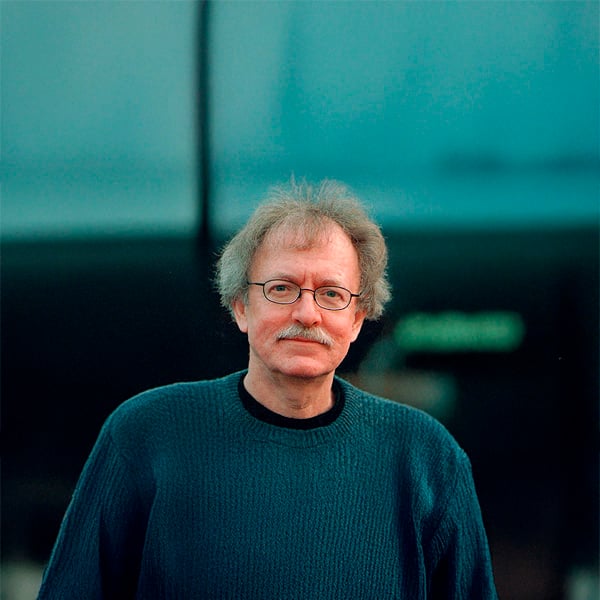
Sören Sommelius
Sosommelius@hd.se
Tel: 042-17 50 45

Fotnot: Information om militär användning av “depleted uran” kan fås på många ställen på internet, till exempel i USA hos Military Toxic Project, http://www.miltoxproj.org/. Deras hemsida förmedlar också en bekräftelse från amerikansk militär att DU-vapen använts i kriget mot Jugoslavien.

Vapen – en hälsofrågaKanske är krigets lagar väl så viktiga som det civila livets lagar.I Haag för exakt 100 år sedan upprättades 1899 Den internationella domstolen. Ett av domstolens första beslut var att förbjuda så kallade dumdum-kulor.Det finns olika principer när det gäller användningen av vapen i krig.Vapen får inte vålla onödigt lidande. Nya vapen ställer nya legala frågor.- Vapen är en hälsofråga, säger Lune Reska från ICRC, Internationella Röda Korset.ICRC arbetar inom det så kallade Sirus-projektet med att definiera kriterier för vilka vapen som skapar sådant onödigt lidande. Det gäller vapen som skapar onormala psykiska tillstånd, som är mer än 25 procent dödliga, som ger upphov till tredje gradens brännskador eller ger effekter som inte kan behandlas medicinskt.Kärnvapen är ett exempel på vapen som uppfyller alla kriterier. Att hota med kärnvapen eller använda dem är följaktligen brott mot mänskligheten, vilket den internationella domstolen i Haag fastställt 1996.Många menar att de clusterbomber som Nato nu använder i bombningarna av Jugoslavien strider mot krigets lagar på samma vis som de antipersonella landminor som de flesta av jordens länder (dock inte USA) förbundit sig att inte använda.Krig får vidare bara föras mot militära mål, inte mot civila. Kan en TV-station vara ett militärt mål?- Det är uppenbart ett brott mot internationella humanitära lagar att döda journalister. Fotnot: Internationella Röda korset finns på internet på www.icrc.org.

© Helsingborgs Dagblad

Related Posts

LONDON – So far so good, at least on the wider level. While internally Iraq seems on the edge of chaos, the much heralded clash of civilizations between the Muslim and Judaeo-Christian worlds has yet to become apparent. We have anger and despair aplenty in the Arab and Muslim worlds. But very little rushing to the standard and there was no great pilgrimage of warriors to join the fight, as happened when the Soviet Union invaded Afghanistan twenty years ago, and then, having driven the Red Army out, were left to ferment in that mountainous redoubt. With the armaments supplied by the CIA the mujahidin were transformed into Al Qaeda that became, for a relatively brief moment as these things go, ‘the greatest threat to the homeland that America has ever known.’ Nevertheless a ‘Cold War’ between much of the Muslim world and the West is certainly in full swing. Winston...
The Challenge of Nuclear Weaponsin the Twenty-first CenturyA Path Forward The peoples and governments of the world face an urgent challenge relating to weaponry of mass destruction and particularly to nuclear weaponry.  At the crossroads of technology, terrorism, geopolitical ambition, and policies of preemption are new and potent dangers for humanity. Despite ending the nuclear standoff of the Cold War era, nuclear weaponry is again menacing the peoples of the world with catastrophic possibilities.  We recognize the need for any government to pursue its security interests in accordance with international law; and further, we recognize that distinctive threats to these interests now exist as a result of an active international terrorist network having declared war on the United States and its allies. Nonetheless, we reject the assessment of the current US administration that upgrading a reliance on nuclear weapons is in any sense justified as a response. We find it...
By Karin Wegestal MP, the Social Democratic Partyon behalf of the Swedish Committee for Solidarity with the Yugoslav People During the last decade, the Federal Republic of Yugoslavia has received more than 500,000 refugees from Croatia and Bosnia, and another 300,000 internally displaced persons, mainly from the province Kosovo and Metohia. For a country with about ten million inhabitants, such an influx of homeless people is obviously a very heavy burden – even under peaceful conditions. But in addition to that, the Federal Republic of Yugoslavia has been the subject to sanctions from the western powers for close to ten years and its infrastructure was badly hurt through Nato’s intense bombardment during 78 days in 1999. The result of all this is that Yugoslavia, once the most developed industrial country in Eastern Europe, is today the poorest country in Europe. In Serbia excluding Kosovo, with about ten million inhabitants and...

Recent Articles

Below are TFF-related media mentions, comments, videos and social media posts published elsewhere but not on this homepage. We happen to catch and list only a fraction. Regarding video comments and debates, we recommend that you go to the TFF Video Channel on Substack where many of them are reproduced. Jan Oberg is a contributor to China Daily – 52 million daily clicks – and Global Times, CGTN and CCTV (the national television), China Investment, Xinhua News Agency and several others. Articles and videos on these media very often multiply into countless Chinese (and Western media) that re-post them from these main media. Thanks to The China Academy, his analyses, interviews and comments are frequently posted on YouTube channels such as Thinkers Forum and Wave Media. These videos are often re-posted on Bilibili (China’s YouTube), the China Content Center on TikTok, and on the Chinese edition of TikTok, Douyin.com. This means reaching hundreds of millions of viewers worldwide over a year. While there are too many to catch on all these...
Jan Oberg TFF director October 13, 2026 According to Alfred Nobel’s will, the Nobel Peace Prize shall be awarded: ”to the person who has done the most or best to advance fellowship among nations, the abolition or reduction of standing armies, and the establishment and promotion of peace congresses.” Further down, he also expresses how the prize for the “champions of peace” shall be decided: “that for champions of peace by a committee of five persons to be selected by the Norwegian Storting. Alfred Nobel’s will is remarkably short and clear. But few seem to have read it. Nobel did not say that the committee itself should consist of members of parliament. He entrusted the Storting with appointing five persons. In principle, it could have selected diplomats, mediators, peace researchers, conflict-resolution specialists, or other individuals with recognised expertise in matters of peace from around the world. Instead, the Storting gradually...
The Quest for Humane Survival Richard Falk Professor emeritus, Princeton UniversityTFF Associate since 1986October 12, 2026 After decades of teaching and writing about international law in academic frameworks that were not institutionally situated within law school environments—at Princeton and the University of California, Santa Barbara—I found myself most receptive to the TWAIL outlook. It has been especially illuminating in clarifying the extent to which international law evolved as a dialogical critique of Europe’s efforts to legitimize its colonial undertakings. In particular, TWAIL has exposed how international law has functioned to legalize the subjugation of Third World peoples, securing conditions for exploitative investment and trade relations, the coercive enforcement of public debts, and an ideology of cultural superiority. TWAIL’s exposure of these economic legacies of colonialism has influenced my understanding of the history and development of international law, broadly conceived, as an ideological project of the Western sub-system of the world...

TFF on Substack

Discover and subscribe to more peace materials on TFF Substack

Most Popular

Below are TFF-related media mentions, comments, videos and social media posts published elsewhere but not on this homepage. We happen to catch and list only a fraction. Regarding video comments and debates, we recommend that you go to the TFF Video Channel on Substack where many of them are reproduced. Jan Oberg is a contributor to China Daily – 52 million daily clicks – and Global Times, CGTN and CCTV (the national television), China Investment, Xinhua News Agency and several others. Articles and videos on these media very often multiply into countless Chinese (and Western media) that re-post them from these main media. Thanks to The China Academy, his analyses, interviews and comments are frequently posted on YouTube channels such as Thinkers Forum and Wave Media. These videos are often re-posted on Bilibili (China’s YouTube), the China Content Center on TikTok, and on the Chinese edition of TikTok, Douyin.com. This means reaching hundreds of millions of viewers worldwide over a year. While there are too many to catch on all these...
Jan Oberg TFF director October 13, 2026 According to Alfred Nobel’s will, the Nobel Peace Prize shall be awarded: ”to the person who has done the most or best to advance fellowship among nations, the abolition or reduction of standing armies, and the establishment and promotion of peace congresses.” Further down, he also expresses how the prize for the “champions of peace” shall be decided: “that for champions of peace by a committee of five persons to be selected by the Norwegian Storting. Alfred Nobel’s will is remarkably short and clear. But few seem to have read it. Nobel did not say that the committee itself should consist of members of parliament. He entrusted the Storting with appointing five persons. In principle, it could have selected diplomats, mediators, peace researchers, conflict-resolution specialists, or other individuals with recognised expertise in matters of peace from around the world. Instead, the Storting gradually...
The Quest for Humane Survival Richard Falk Professor emeritus, Princeton UniversityTFF Associate since 1986October 12, 2026 After decades of teaching and writing about international law in academic frameworks that were not institutionally situated within law school environments—at Princeton and the University of California, Santa Barbara—I found myself most receptive to the TWAIL outlook. It has been especially illuminating in clarifying the extent to which international law evolved as a dialogical critique of Europe’s efforts to legitimize its colonial undertakings. In particular, TWAIL has exposed how international law has functioned to legalize the subjugation of Third World peoples, securing conditions for exploitative investment and trade relations, the coercive enforcement of public debts, and an ideology of cultural superiority. TWAIL’s exposure of these economic legacies of colonialism has influenced my understanding of the history and development of international law, broadly conceived, as an ideological project of the Western sub-system of the world...
Read More
girl-5894831_1280
Below are TFF-related media mentions, comments, videos and social media posts published elsewhere but not on this homepage. We happen to catch and list only a fraction. Regarding video comments and debates, we recommend that you go to the TFF Video Channel on Substack where many of them are reproduced. Jan Oberg is a contributor to China Daily – 52 million daily clicks – and Global Times, CGTN and CCTV (the national television), China Investment, Xinhua News Agency and several others. Articles and videos on these media very often multiply into countless Chinese (and Western media) that re-post them from these main media. Thanks to The China Academy, his analyses, interviews and comments are frequently posted on YouTube channels such as Thinkers Forum and Wave Media. These videos are often re-posted on Bilibili (China’s YouTube), the China Content Center on TikTok, and on the Chinese edition of TikTok, Douyin.com. This means reaching hundreds of millions of viewers worldwide over a year. While there are too many to catch on all these...
Nobel-Prize-Plaque
Jan Oberg TFF director October 13, 2026 According to Alfred Nobel’s will, the Nobel Peace Prize shall be awarded: ”to the person who has done the most or best to advance fellowship among nations, the abolition or reduction of standing armies, and the establishment and promotion of peace congresses.” Further down, he also expresses how the prize for the “champions of peace” shall be decided: “that for champions of peace by a committee of five persons to be selected by the Norwegian Storting. Alfred Nobel’s will is remarkably short and clear. But few seem to have read it. Nobel did not say that the committee itself should consist of members of parliament. He entrusted the Storting with appointing five persons. In principle, it could have selected diplomats, mediators, peace researchers, conflict-resolution specialists, or other individuals with recognised expertise in matters of peace from around the world. Instead, the Storting gradually...
law-419057_1280
The Quest for Humane Survival Richard Falk Professor emeritus, Princeton UniversityTFF Associate since 1986October 12, 2026 After decades of teaching and writing about international law in academic frameworks that were not institutionally situated within law school environments—at Princeton and the University of California, Santa Barbara—I found myself most receptive to the TWAIL outlook. It has been especially illuminating in clarifying the extent to which international law evolved as a dialogical critique of Europe’s efforts to legitimize its colonial undertakings. In particular, TWAIL has exposed how international law has functioned to legalize the subjugation of Third World peoples, securing conditions for exploitative investment and trade relations, the coercive enforcement of public debts, and an ideology of cultural superiority. TWAIL’s exposure of these economic legacies of colonialism has influenced my understanding of the history and development of international law, broadly conceived, as an ideological project of the Western sub-system of the world...
images-2
Advocates of nuclear disarmament are regularly dismissed by the champions of nuclear deterrence as naïve and unrealistic, utopian or even irresponsible. Yet this ‘doctrine’ of deterrence, regarded by France as the ‘cornerstone’ of its national security, is based on quasi-religious beliefs, a theory that cannot be proven, risky gambles and fragile assumptions. So much so that one might legitimately ask which side the ‘Care Bears’ are on. Marc FinaudVice-President of Initiatives for Nuclear Disarmament (IDN) October 9, 2026 This article was originally published on Pressenza When it comes to these things being treated as religious concepts, look here. Idealists and realists It was Hubert Védrine, François Mitterrand’s former Foreign Minister, who repeatedly coined the phrase: ‘Europeans are a sort of Care Bears who don’t realise they’re living in Jurassic Park’. He applies this reference to the cartoon for well-behaved children not only to what he regards as weakness or idealism...
8824b09f-33a5-43f9-9fd0-550f28cda24d_1536x1024
What the West Borrowed from Asia and What It Left Behind Jan Krikke October 8, 2026 The article was originally published here In the late 1960s, the musical Hair announced that the Age of Aquarius was dawning. Its opening anthem promised a transformation of human consciousness: an era of peace, harmony and understanding. Half a century later, a familiar echo of that promise is a meditation app offered by your employer. You can find it in the same list of benefits as the pension plan and the gym discount. How did a spiritual revolution become an employee benefit? The answer lies in the history of the movement known as New Age: where it came from, what it borrowed from Asia, and why the meaning of what it borrowed changed in the process. Two definitions will help. New Age is a loose label for a wide range of spiritual practices and...
Screenshot 2026-10-04 210142
Small and different + among the 10% most active + 9,000 texts + 150 Associates + 60 000 a day — and a stubborn belief that peace is smarter and must be secured by peaceful means. In 2026, the Transnational Foundation for Peace and Future Research (TFF) turns 40. On Monday, October 5, 2026, a new TFF homepage will go live — a new gateway to more than 9,000 articles, analyses, research papers and other contributions produced over four decades of independent peace research. But this is not simply a new website. For four decades, TFF has worked from a simple conviction: peace is smarter than militarism and can be brought about by peaceful means. This is not merely an aspiration. It is the principle expressed in the UN Charter and the Gandhian tradition that has guided our work from the beginning. TFF is a research-based, independent and people-financed foundation....