

Sent på hösten 2001, ett par månader efter terroristattackerna den 9 september besökte jag Washington. “Alla” talade om den planerade attacken mot Irak. Det var visserligen bara rykten, men journalister och mina vänner i fredsrörelserna var övertygade. I kongressen svarade de politiska rådgivarna att ett anfall mot Irak inte var beslutat men inte var uteslutet: “På något sätt måste vi ju visa vår beslutsamhet och styrka

Jag kunde inte förstå grunden till ryktena. USA hade utsatts av svåra terrorattacker av en grupp saudier, baserade i Afghanistan. Varför skulle det leda till en attack mot Irak? Ingen kunde ge ett trovärdigt svar på vad man ville åstadkomma. Följderna skulle uppenbarligen bli negativa för USA. Jag trodde att något så oförnuftigt skulle Bush-regeringen inte göra. Jag hade fel.

Nu gäller ryktena Iran. Under det senaste året har det kommit flera analyser och rapporter om ett möjligt anfall mot Iran. I en färsk artikel av Seymour Hersh i tidskriften The New Yorker samlar han ihop en mängd uttalanden från många källor med relationer till Bush-administrationen. Hersh har ett stort anseende bl.a. på grund av hans avslöjanden av förhållandena i Guantanamo och Abu Ghraib. Det tycks försiggå en intensiv diskussion inom försvarsledningen och regeringen. En avsikt med kriget antas vara att man vill slå ut de anläggningar där Iran arbetar med nukleär forskning och döda så många som möjligt av den tekniska och vetenskapliga personalen.

Det förefaller finnas skäl att förvänta sig att om USA anfaller Iran kommer atomvapen “bli nödvändiga”. Flera av de viktigaste anläggningarna är djupt nedgrävda, t.ex. anrikningsanläggningen i Natanz som ligger 25 meter under jord. Dessa kan inte förstöras helt med konventionella vapen. Man har i många år talat om att använda “bunker busters” för sådana mål, atomvapen som skulle explodera först efter det att bomben borrat ner sig till bunkern. Dessa vapen finns inte i verkligheten och projektet är nedlagt. I stället måste man använda atombomber av betydande styrka.

Nära Isfahan, en av Persiens äldsta och största städer, ligger en forskningsreaktor samt stora djupa tunnlar avsedda för lagring av uran. Om dessa skall förstöras fordras en bomb av megatonstyrka. Enligt beräkningar utförda av IPPNW, internationella läkare mot kärnvapen, skulle omkring 3 miljoner människor dö inom 48 timmar. Strålningen skulle sprida sig över stora områden och få följder för tiotals miljoner människor. Rimligtvis kommer denna insikt att medföra att anläggningen inte angrips med kärnvapen utan de nedgrävda anläggningarna lämnas ifred.

Skulle du läsa dette just nu
om du inte hade nytta av det?
Få fler kvalitetsartiklar ifrån TFF i framtiden

I artikeln av Hersh framhåller han att de militära ledarna allmänt avråder från användningen av kärnvapen medan man från Vita Huset avvisar invändningarna. Inställningen hos den politiska ledningen är kanske inte överraskande. I de strategiska dokument som blivit tillgängliga under de senaste fem åren har man steg för steg integrerat atomvapnen i planeringen. “Global Strike” är en sammanfattande benämning på den nuvarande strategin med CONPLAN 8022 som centralt dokument, gällande sedan sommaren 2004.

I Global Strike är kärnvapen inte längre enbart medel för avskräckning utan vapen som skall användas. Det betonas också tydligt att atomvapen kan sättas in för att slå ut anläggningar som innehåller “massförstörelsevapen” eller kommandostrukturer för dessa vapen. Användningen av kärnvapen enligt Global Strike handlar inte enbart om “krig”, man betonar i stället tydligt “konflikt”. “Kärnvapenkrig” förutsätter ett ömsesidigt användande av kärnvapen, med det behöver inte gälla här. En föregripande attack för att slå ut anläggningar som kan antas användas för kemiska eller biologiska vapen kan förekomma.

Det talas om hundratals mål som måste slås ut vid attacken mot Iran. Det är dock bara ett mindre antal som “behöver” kärnvapen. Attacker med konventionella vapen mot kärnkraftsreaktorn i Bushehr skulle dock kunna få mycket allvarliga följder. Reaktorn beräknas vara laddad med kärnbränsle om ett halvår. Det radioaktiva nedfallet skulle troligen inte bli lika utbrett som det efter Tjernobyl-katastrofen men skulle omfatta stora områden utanför Iran.

Om USA skall anfalla Iran måste man få den amerikanska befolkningen att tro att Iran är ett allvarligt hot. På båda sidor, inom den amerikanska administrationen och inom det iranska, mycket komplexa, ledarskapet, finns personer som gärna ökar spänningen mellan länderna. Om Iran startar en konkret provokation, t ex genom ett mera aktivt stöd till vissa grupper i Irak, kan detta beskrivas som ett angrepp på amerikanska intressen, kanske på amerikanska soldater. USA:s befolkning hade kanske inte accepterat att gå i krig mot Irak om inte Condoleeza Rice kunnat frammana hotet av ett “svampmoln över Manhattan” vid sina framträdanden. Så länge det finns kärnvapen blir det krig.

Likväl tror jag inte att USA kommer att anfalla Iran. Jag hoppas jag har rätt denna gång.
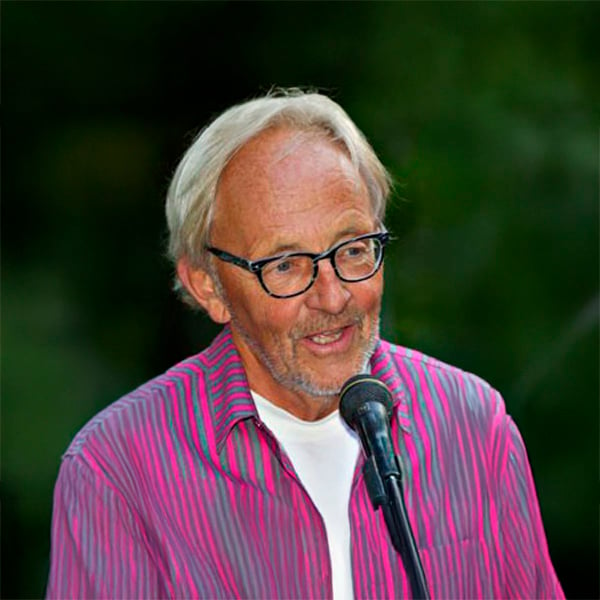
Medical education and professional career

Related Posts

LONDON – So far so good, at least on the wider level. While internally Iraq seems on the edge of chaos, the much heralded clash of civilizations between the Muslim and Judaeo-Christian worlds has yet to become apparent. We have anger and despair aplenty in the Arab and Muslim worlds. But very little rushing to the standard and there was no great pilgrimage of warriors to join the fight, as happened when the Soviet Union invaded Afghanistan twenty years ago, and then, having driven the Red Army out, were left to ferment in that mountainous redoubt. With the armaments supplied by the CIA the mujahidin were transformed into Al Qaeda that became, for a relatively brief moment as these things go, ‘the greatest threat to the homeland that America has ever known.’ Nevertheless a ‘Cold War’ between much of the Muslim world and the West is certainly in full swing. Winston...
The Challenge of Nuclear Weaponsin the Twenty-first CenturyA Path Forward The peoples and governments of the world face an urgent challenge relating to weaponry of mass destruction and particularly to nuclear weaponry.  At the crossroads of technology, terrorism, geopolitical ambition, and policies of preemption are new and potent dangers for humanity. Despite ending the nuclear standoff of the Cold War era, nuclear weaponry is again menacing the peoples of the world with catastrophic possibilities.  We recognize the need for any government to pursue its security interests in accordance with international law; and further, we recognize that distinctive threats to these interests now exist as a result of an active international terrorist network having declared war on the United States and its allies. Nonetheless, we reject the assessment of the current US administration that upgrading a reliance on nuclear weapons is in any sense justified as a response. We find it...
By Karin Wegestal MP, the Social Democratic Partyon behalf of the Swedish Committee for Solidarity with the Yugoslav People During the last decade, the Federal Republic of Yugoslavia has received more than 500,000 refugees from Croatia and Bosnia, and another 300,000 internally displaced persons, mainly from the province Kosovo and Metohia. For a country with about ten million inhabitants, such an influx of homeless people is obviously a very heavy burden – even under peaceful conditions. But in addition to that, the Federal Republic of Yugoslavia has been the subject to sanctions from the western powers for close to ten years and its infrastructure was badly hurt through Nato’s intense bombardment during 78 days in 1999. The result of all this is that Yugoslavia, once the most developed industrial country in Eastern Europe, is today the poorest country in Europe. In Serbia excluding Kosovo, with about ten million inhabitants and...

Recent Articles

Photo above: Carl Fredrik Reuterswärd’s Non-Violence outside UN Headquarters in New York. Kirill Levin, CC BY-NC-SA 2. Jan Oberg November 3, 2026 I am happy to be published in Horizons which is produced by the Center for International Relations and Sustainable Development, CIRSD, in Belgrade. My contribution brings out a radical re-thinking of what concepts such as defence, security, deterrence – and peace – may mean if we want to create a more peaceful world. It also summarises a few things I have been working with the last few decades. Please read it here Og her er den på dansk, takket være Johnny Baltzersens lynhurtige oversættelse
UNITE-tillid, DREAM-velstand og andre konstruktive komponenter Normally we publish articles in English here. But this is a translation of a very important TFF document that should reach as many as possible in Denmark since this country’s government has been one of the most hardline in Europe and, up till now at least, has refused to use diplomacy and, instead, spent tremendous sums on arming Ukraine with the express goal of defeating Russia. Thus this – unique – article is in Danish. Vi er Johnny Baltzersen og hans Fælles Sikkerhed – Fælles Fremtid på Substack overmåde taknemmelige for at have oversat og publiceret TFF’s 2025-portfølje for fredsidéer med henblik på Ukraines fremtid. Vi håber den nu kan nå mange flere danskere – som også vil sprede den og skabe debat – nu den danske regerings og folketingspartiernes politik på dette område siden 2022 står nu – forudsigeligt – ved vejs ende....
Jan Oberg TFF director October 28, 2026 Exactly one month has now passed since I published my criticism of the introduction to the special issue on Johan Galtung published by the Journal of Global Security Studies, JoGSS, and of Tor Egil Førland’s chapter about Galtung which serves as a preview to his forthcoming biography of Galtung to be published by PRIO. See the original on The Transnational here and the same article on TFF Substack with many general and critical comments and, in particular, the people who decided to withdraw from the biography project in protest. The special issue itself was extraordinary. It was devoted to the intellectual legacy of one of the founders of peace research and contained a number of strong assessments of his personality, scholarship, intellectual trajectory, and public role. Such assessments are, of course, entirely legitimate. No scholar is beyond criticism, and neither was Johan Galtung....

TFF on Substack

Discover and subscribe to more peace materials on TFF Substack

Most Popular

Photo above: Carl Fredrik Reuterswärd’s Non-Violence outside UN Headquarters in New York. Kirill Levin, CC BY-NC-SA 2. Jan Oberg November 3, 2026 I am happy to be published in Horizons which is produced by the Center for International Relations and Sustainable Development, CIRSD, in Belgrade. My contribution brings out a radical re-thinking of what concepts such as defence, security, deterrence – and peace – may mean if we want to create a more peaceful world. It also summarises a few things I have been working with the last few decades. Please read it here Og her er den på dansk, takket være Johnny Baltzersens lynhurtige oversættelse
UNITE-tillid, DREAM-velstand og andre konstruktive komponenter Normally we publish articles in English here. But this is a translation of a very important TFF document that should reach as many as possible in Denmark since this country’s government has been one of the most hardline in Europe and, up till now at least, has refused to use diplomacy and, instead, spent tremendous sums on arming Ukraine with the express goal of defeating Russia. Thus this – unique – article is in Danish. Vi er Johnny Baltzersen og hans Fælles Sikkerhed – Fælles Fremtid på Substack overmåde taknemmelige for at have oversat og publiceret TFF’s 2025-portfølje for fredsidéer med henblik på Ukraines fremtid. Vi håber den nu kan nå mange flere danskere – som også vil sprede den og skabe debat – nu den danske regerings og folketingspartiernes politik på dette område siden 2022 står nu – forudsigeligt – ved vejs ende....
Jan Oberg TFF director October 28, 2026 Exactly one month has now passed since I published my criticism of the introduction to the special issue on Johan Galtung published by the Journal of Global Security Studies, JoGSS, and of Tor Egil Førland’s chapter about Galtung which serves as a preview to his forthcoming biography of Galtung to be published by PRIO. See the original on The Transnational here and the same article on TFF Substack with many general and critical comments and, in particular, the people who decided to withdraw from the biography project in protest. The special issue itself was extraordinary. It was devoted to the intellectual legacy of one of the founders of peace research and contained a number of strong assessments of his personality, scholarship, intellectual trajectory, and public role. Such assessments are, of course, entirely legitimate. No scholar is beyond criticism, and neither was Johan Galtung....
Read More
knotted gun
Photo above: Carl Fredrik Reuterswärd’s Non-Violence outside UN Headquarters in New York. Kirill Levin, CC BY-NC-SA 2. Jan Oberg November 3, 2026 I am happy to be published in Horizons which is produced by the Center for International Relations and Sustainable Development, CIRSD, in Belgrade. My contribution brings out a radical re-thinking of what concepts such as defence, security, deterrence – and peace – may mean if we want to create a more peaceful world. It also summarises a few things I have been working with the last few decades. Please read it here Og her er den på dansk, takket være Johnny Baltzersens lynhurtige oversættelse
TFFPortfolioVign
UNITE-tillid, DREAM-velstand og andre konstruktive komponenter Normally we publish articles in English here. But this is a translation of a very important TFF document that should reach as many as possible in Denmark since this country’s government has been one of the most hardline in Europe and, up till now at least, has refused to use diplomacy and, instead, spent tremendous sums on arming Ukraine with the express goal of defeating Russia. Thus this – unique – article is in Danish. Vi er Johnny Baltzersen og hans Fælles Sikkerhed – Fælles Fremtid på Substack overmåde taknemmelige for at have oversat og publiceret TFF’s 2025-portfølje for fredsidéer med henblik på Ukraines fremtid. Vi håber den nu kan nå mange flere danskere – som også vil sprede den og skabe debat – nu den danske regerings og folketingspartiernes politik på dette område siden 2022 står nu – forudsigeligt – ved vejs ende....
JoGSS-Silent
Jan Oberg TFF director October 28, 2026 Exactly one month has now passed since I published my criticism of the introduction to the special issue on Johan Galtung published by the Journal of Global Security Studies, JoGSS, and of Tor Egil Førland’s chapter about Galtung which serves as a preview to his forthcoming biography of Galtung to be published by PRIO. See the original on The Transnational here and the same article on TFF Substack with many general and critical comments and, in particular, the people who decided to withdraw from the biography project in protest. The special issue itself was extraordinary. It was devoted to the intellectual legacy of one of the founders of peace research and contained a number of strong assessments of his personality, scholarship, intellectual trajectory, and public role. Such assessments are, of course, entirely legitimate. No scholar is beyond criticism, and neither was Johan Galtung....
Screenshot 2026-10-26 115647
An aspect of Iran’s culture and civilisation you’ve probably never heard about. Don’t be surprised if the US and Israel also try to bomb them. Jan ObergTFF director October 26, 2026 Today – under the “USraeli” threat of new “annihilating” bombings – opens the 7th International Conference on Peace and Conflict Resolution at Tehran’s University. As far as I can tell, this is the only permanent, advanced peace research institution in West Asia/the Middle East. Perhaps more countries in that region could be inspired? I mean, how many military “security” institutes and military academies do they have? Many peace research institutes and university departments have been established since the 1950s in the West. They are now all under attack; some have closed down, some have gone mainstream, yet others kept the name but do nothing to research peace and disseminate results or advice; instead, they cooperate with militarism’s platforms such...
Screenshot 2026-10-15 141837
Let’s discuss using AI to create peace – in contrast to boring geopolitics devoid of creative healing and visions. Jan Oberg TFF director October 15, 2026 I asked VEED to create a short video exemplifying how peace is preferable to war, then chose the lady as a template. Simple as that. In less than a minute, it produced this video, which any peace-loving person would appreciate. The only problem is that human intelligence (HI), at least the one that exists among Western decision-makers, isn’t half as moral or smart as AI. I have used AI to dialogue about peace and peace plans, creative conflict resolution and visions of a better future for humankind. It so happens that I am having more stimulating, intelligent, creative and moral discussions with AI than I could possibly have with any EU or NATO leader today. Yes, AI has very problematic and dangerous aspects; used...
girl-5894831_1280
Below are TFF-related media mentions, comments, videos and social media posts published elsewhere but not on this homepage. We happen to catch and list only a fraction. Regarding video comments and debates, we recommend that you go to the TFF Video Channel on Substack where many of them are reproduced. Jan Oberg is a contributor to China Daily – 52 million daily clicks – and Global Times, CGTN and CCTV (the national television), China Investment, Xinhua News Agency and several others. Articles and videos on these media very often multiply into countless Chinese (and Western media) that re-post them from these main media. Thanks to The China Academy, his analyses, interviews and comments are frequently posted on YouTube channels such as Thinkers Forum and Wave Media. These videos are often re-posted on Bilibili (China’s YouTube), the China Content Center on TikTok, and on the Chinese edition of TikTok, Douyin.com. This means reaching hundreds of millions of viewers worldwide over a year. While there are too many to catch on all these...





