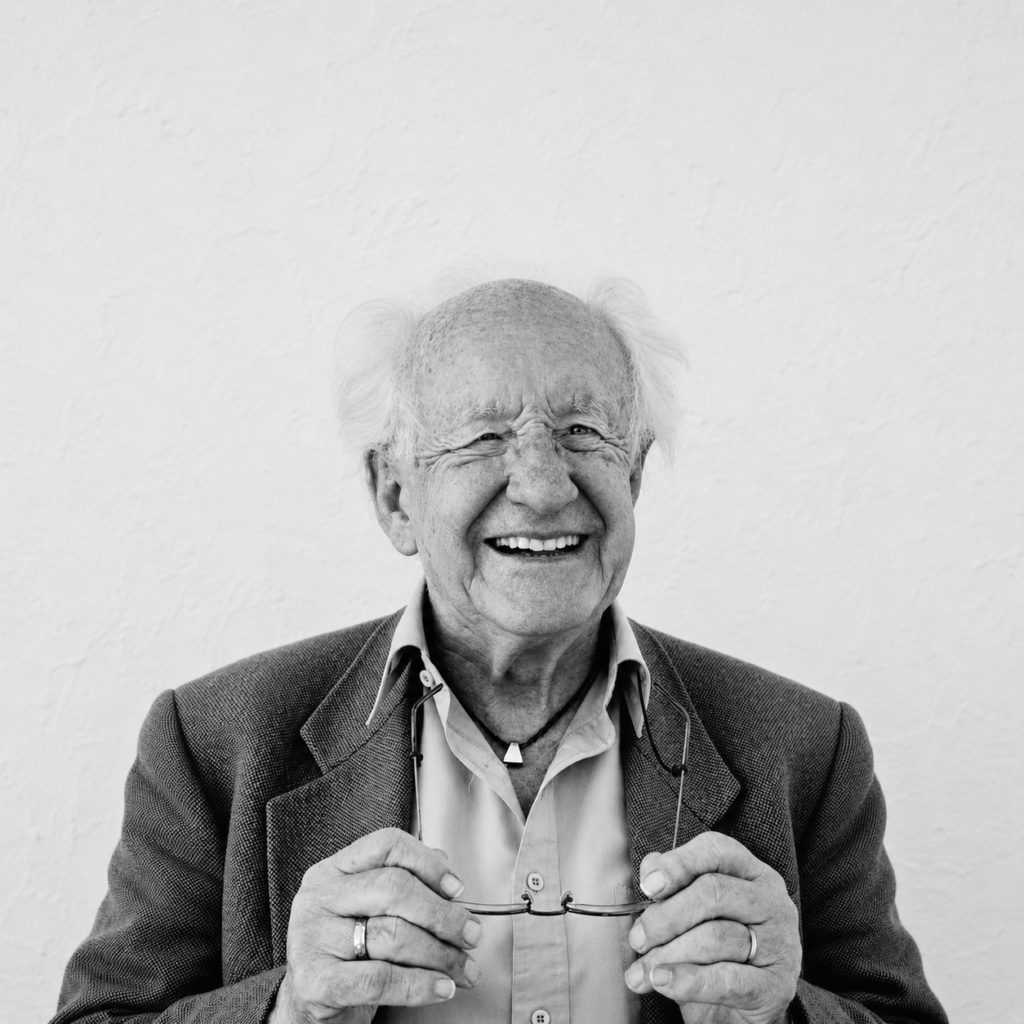
PressInfo # 87 – Novi Milenijum – Jesmo li dovoljno hrabi da zadrzimo optimizam?

johangaltung

Ovo je pisana verzija predavanja koje je odrzao na TRANSCEND-u SGI-UK na zajednickom sastanku u Teplou Kortu (Taplow Court), Engleska, 18. decembra 1999.

Za sobom ostavljamo vek koji ce pratiti uzasavajuca reputacija. Tokom njega je bilo puno manifestacije zapadnjackih (oksidentalnih) fundamentalistiËkih verovanja u takve istine koje opravdavaju ubistva, represiju, eksploataciju i otudjenje miliona cak i milijardi ljudi: kolonijalizam-imperijalizam kojem na celu stoji i ova zemlja; genocidni hitlerizam i staljinizam; slepe snage sveta, pre svih americki kapitalizam koji se danas predstavlja kao “globalizacija”; islamski (i on vrlo zapadnjaËki) kontra-fundamentalizam; nekoliko njima slicnih postupaka u Japanu i Kini. Dug je spisak ratova i nasilja a neke od njih danas predstavljamo cak i kao “humanitarizam.”

No sav ovaj mrak probilo je i nekoliko blistavih zrakova. Dva genija, Frojd i Jung, uspeli su da prodru u kolektivnu i individualnu podsvest ljudi. Treci genije, Gandi, a pratili su ga u stopu jos M.L.King i Mendela, istrazivali su enormne mogucnosti koje pruza nenasilje. Prva dvojica, obojica zapadnjaci, probili su se do korena svih zala duboko zapretanih u najskrivenijim zakutcima ljudske duse; preostala trojica, a ni jedan od njih nije bio beli zapadnjak, prosirili su domasaje duhovne snage ñ ahimse (hinduistickog principa nenanosenja povrede zivim bicima – prim.prev.) – nenasilja. Frojd, Jung i Gandi zajedno, pruzili su nam svu teoriju i praksu potrebnu da nadvladamo jadikovku Sv. Pavla: zlo koje cinim ne zelim da cinim ñ a ipak ga cinim zato sto me na to tera moja podsvest! ña dobro koje bih hteo uciniti ostavljam neucinjeno ñ zato sto ne poznajem nenasilje! Sve ovo su pojmovi jako vazni u Medjunarodnoj godini kulture mira i nenasilja!

Pre nekoliko vekova nekolicina prosvecenih pojedinaca dosla je do zakljucka koji nas je potom preveo u novu epohu: sistem proslosti, feudalizam, morao je da popusti i na kraju da ode. Feudalizam je sprecavao individualno izrazavanje, narocito novih ekonomskih snaga koje nisu nuzno nastale pod okriljem Crkve ili Plemstva dok je u isto vreme u svojim nedrima sakrivao enormne mogucnosti za represiju, eksploataciju i otudjenje. Malo po malo taj sistem je popustio, ali u ovom nasem jin-i-jang svetu nista nije samo crno ili samo belo: individualizam je proizveo egoizam, preduzetnistvo je proizvelo divlji kapitalizam, dok je demokratija proizvela izborni princip tipa “jedan dolar ñ jedan glas”. Takav kakav je, ovaj sistem pogoduje novoj gornjoj klasi. U nju se ulazi ne vise prema debljini rodoslova vec jedino prema debljini novcanika. To je klasa koju drzave jako dobro stite i vise su nego spremne da u njihovom interesu vode cak i ratove. Njih dodatno stiti i korporacijska stampa zajedno sa svojom novom cenzurom umova (koji su takodje roba za prodaju). Novi problemi iziskuju nove pristupe a nikako ne nostalgicno vracanje na feudalizam.

Danas bi mogli doÊi do slicnog zakljucka: imamo dva sistema koji bi trebali prvo da popuste i na kraju da odu: imamo sistem drûava (i drzavnistva) kao dominantnog (do)nosioca ratova u svetu i kapitalizam kao glavnog tvorca bede koja caruje na dnu svetskog sistema. Oba su intimno povezana sa zlom koje vucemo jos iz feudalizma. Neki su se feudalni gospodari, nakon sto su ostali bez zemlje i kmetova, snasli tako sto su postali vodje armija, ekselencije su postale sefovi ministarstava inostranih poslova, generalni ili izvrsni direktori velikih preduzeca. Nastavili su da neguju nekoliko prilicno suludih ideja, na pr: ono sto je bilo dobro za njih nuzno je moralo biti dobro i za narod, cak i za one narode koji su bili zrtve osvajanja ili eksploatacije; njihov mir je bio najbolji moguci mir; svetski mir je bio puki zbir pogodbi koje su gospodari medju sobom postigli; (socijalna) davanja ce se sve vise smanjivati; jedino sebe su smatrali odgovornim za narod i prema narodu. Na kraju bi obicno ispalo da od svega ovoga nije ostajalo nista.

U svojoj podsvesti su nosili veoma ruzan prtljag. U svakom sukobu videli su samo jos jednu pruzenu priliku da se mocnici za medjusobno dogovore, isti oni koji su taj rat uostalom i vodili, oni koji upravljaju UN-om ili koji sluze dominirajucim kompanijama. U konceptu “velikih sila” i “supersila” – dok su bile u paru, a pogotovo od kad je jedna od njih (p)ostala jedina i ostala bez ikakvog balansa ñ i feudalizam i drzavnistvo proizveli su sebi potomke i jednog i drugog sasvim dostojne, takve koji poseduju svu moc pa cak i privilegiju prava na veto a i monopol vrhunske moci.

Ili, tako barem oni sami vole da misle o sebi. Vec danas je jedina preostala supersila otisla predaleko: Slucaj sa Sietlom postao je simbolican. Sta je to na ulice izvelo 100.000 ljudi pa i neke od najjvecih svetskih profecionalaca navelo da ovo mnostvo podrze? Jednostavno saznanje da korporacijska stampa stvara iskrivljene predstave a “demokratski” izbori nisu u stanju da vokalizuju kljucne probleme savremenog drustva.

Imamo dakle dva sistema koja bi trebalo da odu ali i druga dva koji bi trebalo da zauzmu njihovoa mesto. To su dva vodeca oblika gradjanskog drustva tipa ” ni Drzava ni Kapital”. Prvi od njih je alternativni teritorijalni sistem: lokalne vlasti uspostavljene svugde po svetu, mozda cak i dva miliona takvih gradova, varosica, sela – uopsteno govoreci, opstina. One su razlicite, najcesce predstavljaju dom za sve rodove ljudi, razlicite generacije i klase, ponekad takodje i za razlicite rase i nacionalnosti. To su mini-drustva bez svojih vojski ali koja bas zato koriste svoju ekonomsku snagu a sve vise i snagu kulture umesto vojne sile. Lako se udruzuju u kooperativne krugove. Oni predstavljaju alternativu danasnjem sistemu od oko 200 drzava kojie je kapitulirao pred medjunarodnim kapitalom i “globalizacijom” = amerikanizacijom. One bi lako mogle na sebe preuzeti najvazniji od svih zadataka, upravo zadatak koji svet korporacija tako olako zanemaruje: da se osigura prezivljavanje svakom coveku na Zemlji, pomocu alternativnih tehnologija, lokalnih kredita i novca, privrede koja ce postati kooperativna a neÊe ostati kompetitivna.

Drugi bi bio alternativni neteritorijalni sistem: NVO-i, ne-vladine organizacije, njih vise od 10.000 na broju. Kako su postale instrumentalizovane za razlicite vrednosti i interese tako su pocele da se medjusobno sve manje razlikuju. Svoju neverovatnu moc dosad su vec pokazale time sto su svetu podarile instrumente kakvi su Sporazum o zabrani koriscenja protiv-pesadijskih mina (Otava), Medjunarodni krivicni sud (Rim) te instrumenti za otpisivanje dugova (Keln). Jos uvek su vlade drzava te koje ovakve sporazume potpisuju, ali tamo gde ne-vladine organizacije uspeju da preuzmu vodjstvo, obicno im se i druge ne-vladine organizacije pridruzuju. One su u stanju da relativno lako organizuju masovne bojkote kompanija (Deutsche Shell-a zbog zagadjivanja Severnog mora), citavih zemalja (Francuske zbog testiranja nuklearnog oruzja). Upravo NVO-i i zenske organizacije danas su te koje, preuzimajuci moc od radnicke klase, osiguravaju dostojanstvo koje joj je danas sve vise ugrozeno.

Bacimo kratak pogled i na medije: teritorijalni odgovor na korumpirane medije moze da bude jedan lokalni bilten s dobro istrazenim clancima koji se ljudima deli u lokalnom soping-centru. Neteritorijni odgovor vec imamo – Internet. Demokratske vlade ce zasigurno biti presretne zbog znanja da slobodna rec jos uvek moze biti iskazana.

Bacicemo kratak pogled i na svetsku politiku: lokalne vlasti i ne-vladine organizacije su nezamenljive komponente globalne, transnacionalne demokratije. Jedino bi one mogle biti nosioci alternativne, kooperativne bezbednosti. Jedino one jesu sposobne da artikulisu nacine i sredstva potrebna za odrzivi razvoj.

Dva sistema na zalasku – no to se nece bas odmah dogoditi. Dva sistema su vec uznemirena: taj proces je vec otpoceo. Od onih na zalasku svi bi mogli nesto nauciti. Svi bi mogli sudelovati u ovako kompleksnim procesima. Cilj svega toga bice da se zadovolje elementarne potrebe, elementarna ljudska prava, buducnost i nada za sve nas.

Jedan vrlo konkretan cilj kojim bi bila obuhvacena vecina ovde vec recenog bio bi globalizacija ljudskih prava. S drzavama koje slabe na mnogim stranama sveta, koje vise nemaju ni materijalnu a ni moralnu osnovu dovoljnu da budu garanti ljudskih prava, moramo istraziti nacine na koje bi paznja, kako na lokalnom nivou tako i na nivou gore zagovaranih NVO-a, mogla da bude povezana s reformom UN-a (koja je i sama usmerenom ka globalnoj vladavini, ka ljudskim potrebama i njihovim pravima). Zadatak na osiguravanju prava koja poticu od centralnog svetskog autoriteta – u budicnosti ce to sigurno biti neka vrsta Svetskog parlamenta – mogao bi se postupno prenositi sa onih drzava koje ih zloupotrebljavaju na lokalne vlasti i na NVO-e koji su se vec dokazali doraslima i dostojnima tako vaznog i velikog zadatka.

Novonastajuci GRADJANIN SVETA ima pravo da ocekuje:

da se njegovo misljenje uvazava i bude od uticaja;

da ga stite od velikog nasilja

da se ucine napori u cilju zadovoljenja zivotnih potreba svih ljudi; i

da se svako oseca kao kod kuce, kako u kulturnom tako i u duhovnom pogledu.

Jos konkretnije, ova ocekivanja se mogu pretvoriti i u jos bolje odredjene povlastice ali i u obaveze, vec prema svetskoj, na UN-u zasnovanoj centralnoj vlasti koja mekano upravlja citavim svetom:

Globalni gradjanin IMA PRAVO da se slobodno izjasni o tome kako treba vladati svetskom zajednicom, pravo da se s drugima slobodno okuplja i da bude predstavljan kroz slobodne i tajne izbore u telima poput Narodne skupstine Ujedinjenih Nacija. On takodje ima i OBAVEZU da aktivno ucestvuje na odgovarajucim izborima.

Globalni gradjanin IMA PRAVO da ga stite od nasilja i to na nacin da konflikti budu transformirani i pre nego sto postanu nasilni, da se nasilje obuzdava a da nasilje koje ce primenjivati svetska centralna vlada bude minimalno. On ima i OBAVEZU da sluzi u mirovnim odredima na miroljubiv nacin a u svojstvu bilo vojnika bilo civila.

Globalni gradjanin IMA PRAVO na sredstva za zivot koja ce osigurati kroz dovoljno unosno zaposlenje, uz platu koja ce biti dovoljna da mu obezbedi osnovne materijalne potrebe. On takodje ima i OBAVEZU da placa globalne poreze.

Globalni gradjanin IMA PRAVO na vlastiti kulturni identitet zasnovan kako na starim tako i na novim kulturnim vrednostima a bez prava da ga namece drugima. Kad s drugima ulazi u razgovor o njihovom identitetu on ima i OBAVEZU da tim drugima ukaze duzno postovanje.

Sve ovo je sasvim u skladu s tradicionalnim shvatanjem ljudskih prava a usput istovremeno artikulise i obaveze koje ti isti ljudi imaju. U drzavokratskim sistemima su i jedan i drugi momenat uzimani zdravo za gotovo. Njihove obaveze DA GLASAJU za skupstinu centralnog svetskog autoriteta, nesto kao Narodnu skupstinu Ujedinjenih Nacija, DA SLUZE nekakav rok u mirovnim snagama, DA PLACAJU globalne poreze, DA SE ODNOSE prema ostalim kulturama u duhu punog postovanja i zainteresovanosti, zauzece sasvim prirodno mesto, rame uz rame sa svim njihovim pravima.

Sve je ovo jos uvek stvar buducnosti, medjutim ne ni tako daleke buducnosti koliko je nekima tesko u to verovati. Jednog dana, TNC (Transcend) ce se tako probuditi da bi otkrio kako su jake nevladine organizacije, dovoljno sposobne da organizuju potrosace za strajkove, vec ukoracile na globalno trziste, kako su zauzele i ona mesta koja su sve do nedavno pripadala slabim drzavama i kako ih svetske vlade sve vise i vise podrzavaju.

Samo nebo je granica! ñ ako budemo dovoljno hrabri da ocuvamo nadu.

____________________________________________

Johana Galtunga: mozete kontaktirati na : galtung@transcend.org

TRANSCEND website: www.transcend.org
Related Posts

The agreement is catastrophic both because of what it says and what it doesn’t mention. It reduces further the major asset of security policies: Freedom of action. Jan Oberg TFF director September 25, 2026 A couple of hours before the agreement was signed on September 22, 2026, I published the following 13 hypotheses about what it would most likely contain on TFF Substack (in English). I was wrong on only the first point. Contrary to what Trump had written on his Truth Social platform, it does not appear to come into force immediately. In fact, it turned out to be worse than even I had anticipated. After these hypotheses now come a number of reflections in light of what the agreement actually contains, and does not contain, as well as the way in which it has generally been presented by major media outlets and by the public-service broadcaster DR. My...
Below are TFF-related media mentions, comments, videos and social media posts published elsewhere but not on this homepage. We happen to catch and list only a fraction. Regarding video comments and debates, we recommend that you go to the TFF Video Channel on Substack where many of them are reproduced. Jan Oberg is a contributor to China Daily – 52 million daily clicks – and Global Times, CGTN and CCTV (the national television), China Investment, Xinhua News Agency and several others. Articles and videos on these media very often multiply into countless Chinese (and Western media) that re-post them from these main media. Thanks to The China Academy, his analyses, interviews and comments are frequently posted on YouTube channels such as Thinkers Forum and Wave Media. These videos are often re-posted on Bilibili (China’s YouTube), the China Content Center on TikTok, and on the Chinese edition of TikTok, Douyin.com. This means reaching hundreds of millions of viewers worldwide over a year. While there are too many to catch on all these...
Jan Oberg May 15, 2026 Go to this Fox News page and scroll the whole way down: President Donald Trump tells the world that his meeting with President Xi Jinping yielded a lot of very concrete political and economic results – of course, only where the Chinese side, according to him, agreed with him. He does not mention the Taiwan issue, but Secretary of State, Marco Rubio, says that it did not feature prominently in their talks and that the US policy on Taiwan has not changed. Then go to China Daily – or Global Times – and you will see that for the Chinese it is framework, principles, structure of cooperation etc. that matters – all embedded in the overall idea of “constructive bilateral relationship of strategic stability.” Nowhere is any concrete agreement or deal – all that Trump refers to – mentioned. At the general level, this gives you insights into the very different social...

Recent Articles

Tony Robinson October 4, 2026 Violence is easy to recognise when someone is being beaten, shot or killed. It becomes more difficult when nobody is holding a weapon. Poverty, discrimination, exploitation and repression can restrict a human life just as effectively, although they do so in very different ways and with very different consequences. Simply adding more categories to an ever-growing list of forms of violence does not really solve the problem. The more interesting question is what all these different situations have in common and why it makes sense to describe them using the same word. Human beings do not simply react to what happens around them. They remember the past, imagine things that do not yet exist, make plans and undertake projects. Workers organise because they imagine different working conditions; people migrate because they imagine another life somewhere else; social movements emerge because people refuse to accept the...
It’s a matter of principles, courage, vision and pulling together – while the militarist world is falling apart… Peter Langille October 3, 2026 “Here, then, is the problem which we present to you, stark and dreadful and inescapable: Shall we put an end to the human race; or shall mankind renounce war?”The Bertrand Russell—Albert Einstein Manifesto, July 9, 1955 ⁕ The forecast for what’s ahead is worrisome. The sharp rise in armed conflicts over the past three years is adding to what was already the highest level in over seventy years. Genocides, which should be prevented are supported. A shared climate emergency that jeopardises survival is ignored. Diverse polls now suggest that people are war-weary, worried and interested in a more effective United Nations. And, there are viable policy options for a more secure world! Yet governments are doubling-down, betting on more war and investing heavily. If current trends persist,...
Johan Galtung 1930-2024October 2015 Published here on October 3, 2026 Let us focus on Civilization for conflict analysis and remedies. Major forms of disorder use violence; war is state organized violence. The most belligerent states are the United States of America and Israel, both with civilization roots. National Evangelism, the US Protestant Christian civilization– more national than evangelical–justifies US warfare as exceptionalism of a people chosen by God, with a manifest destiny to run the world. Orthodox Judaism justifies Israeli warfare to conquer and expand from Nile to Euphrates as a religious right and duty to the Eternal One. The third most belligerent country, the UK, no longer believes it is God-chosen but chosen by the USA; not quite the same but something. But the root cause of global disorder lies in the Occident–with Islam–seeing itself as the single, universal civilization valid for all at all times, all others being...

TFF on Substack

Discover and subscribe to more peace materials on TFF Substack

Most Popular

Tony Robinson October 4, 2026 Violence is easy to recognise when someone is being beaten, shot or killed. It becomes more difficult when nobody is holding a weapon. Poverty, discrimination, exploitation and repression can restrict a human life just as effectively, although they do so in very different ways and with very different consequences. Simply adding more categories to an ever-growing list of forms of violence does not really solve the problem. The more interesting question is what all these different situations have in common and why it makes sense to describe them using the same word. Human beings do not simply react to what happens around them. They remember the past, imagine things that do not yet exist, make plans and undertake projects. Workers organise because they imagine different working conditions; people migrate because they imagine another life somewhere else; social movements emerge because people refuse to accept the...
It’s a matter of principles, courage, vision and pulling together – while the militarist world is falling apart… Peter Langille October 3, 2026 “Here, then, is the problem which we present to you, stark and dreadful and inescapable: Shall we put an end to the human race; or shall mankind renounce war?”The Bertrand Russell—Albert Einstein Manifesto, July 9, 1955 ⁕ The forecast for what’s ahead is worrisome. The sharp rise in armed conflicts over the past three years is adding to what was already the highest level in over seventy years. Genocides, which should be prevented are supported. A shared climate emergency that jeopardises survival is ignored. Diverse polls now suggest that people are war-weary, worried and interested in a more effective United Nations. And, there are viable policy options for a more secure world! Yet governments are doubling-down, betting on more war and investing heavily. If current trends persist,...
Johan Galtung 1930-2024October 2015 Published here on October 3, 2026 Let us focus on Civilization for conflict analysis and remedies. Major forms of disorder use violence; war is state organized violence. The most belligerent states are the United States of America and Israel, both with civilization roots. National Evangelism, the US Protestant Christian civilization– more national than evangelical–justifies US warfare as exceptionalism of a people chosen by God, with a manifest destiny to run the world. Orthodox Judaism justifies Israeli warfare to conquer and expand from Nile to Euphrates as a religious right and duty to the Eternal One. The third most belligerent country, the UK, no longer believes it is God-chosen but chosen by the USA; not quite the same but something. But the root cause of global disorder lies in the Occident–with Islam–seeing itself as the single, universal civilization valid for all at all times, all others being...
Read More
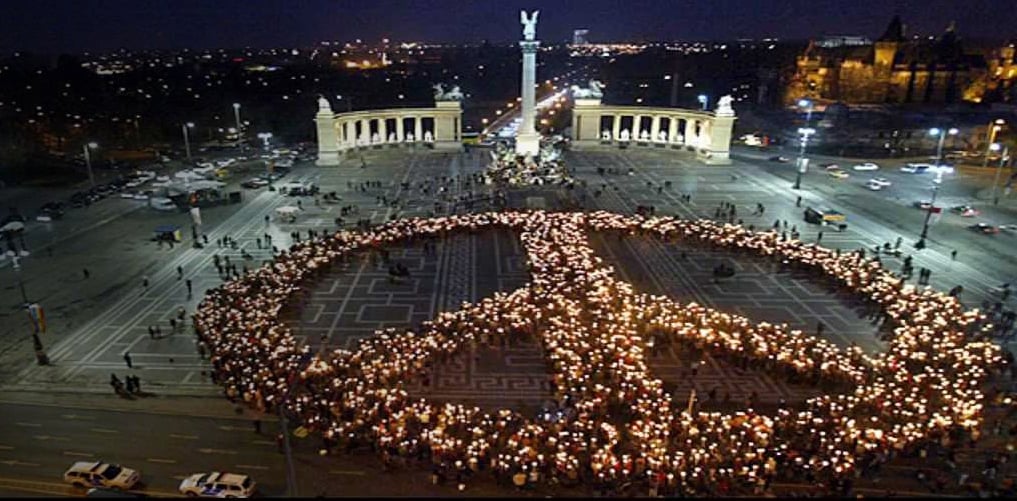
Living-Peace-Sign-Budapest-copy
Tony Robinson October 4, 2026 Violence is easy to recognise when someone is being beaten, shot or killed. It becomes more difficult when nobody is holding a weapon. Poverty, discrimination, exploitation and repression can restrict a human life just as effectively, although they do so in very different ways and with very different consequences. Simply adding more categories to an ever-growing list of forms of violence does not really solve the problem. The more interesting question is what all these different situations have in common and why it makes sense to describe them using the same word. Human beings do not simply react to what happens around them. They remember the past, imagine things that do not yet exist, make plans and undertake projects. Workers organise because they imagine different working conditions; people migrate because they imagine another life somewhere else; social movements emerge because people refuse to accept the...
b54a1f10-8c65-4f0b-9dd5-4abc0a7d04cc_2659x2659
It’s a matter of principles, courage, vision and pulling together – while the militarist world is falling apart… Peter Langille October 3, 2026 “Here, then, is the problem which we present to you, stark and dreadful and inescapable: Shall we put an end to the human race; or shall mankind renounce war?”The Bertrand Russell—Albert Einstein Manifesto, July 9, 1955 ⁕ The forecast for what’s ahead is worrisome. The sharp rise in armed conflicts over the past three years is adding to what was already the highest level in over seventy years. Genocides, which should be prevented are supported. A shared climate emergency that jeopardises survival is ignored. Diverse polls now suggest that people are war-weary, worried and interested in a more effective United Nations. And, there are viable policy options for a more secure world! Yet governments are doubling-down, betting on more war and investing heavily. If current trends persist,...
010
Johan Galtung 1930-2024October 2015 Published here on October 3, 2026 Let us focus on Civilization for conflict analysis and remedies. Major forms of disorder use violence; war is state organized violence. The most belligerent states are the United States of America and Israel, both with civilization roots. National Evangelism, the US Protestant Christian civilization– more national than evangelical–justifies US warfare as exceptionalism of a people chosen by God, with a manifest destiny to run the world. Orthodox Judaism justifies Israeli warfare to conquer and expand from Nile to Euphrates as a religious right and duty to the Eternal One. The third most belligerent country, the UK, no longer believes it is God-chosen but chosen by the USA; not quite the same but something. But the root cause of global disorder lies in the Occident–with Islam–seeing itself as the single, universal civilization valid for all at all times, all others being...
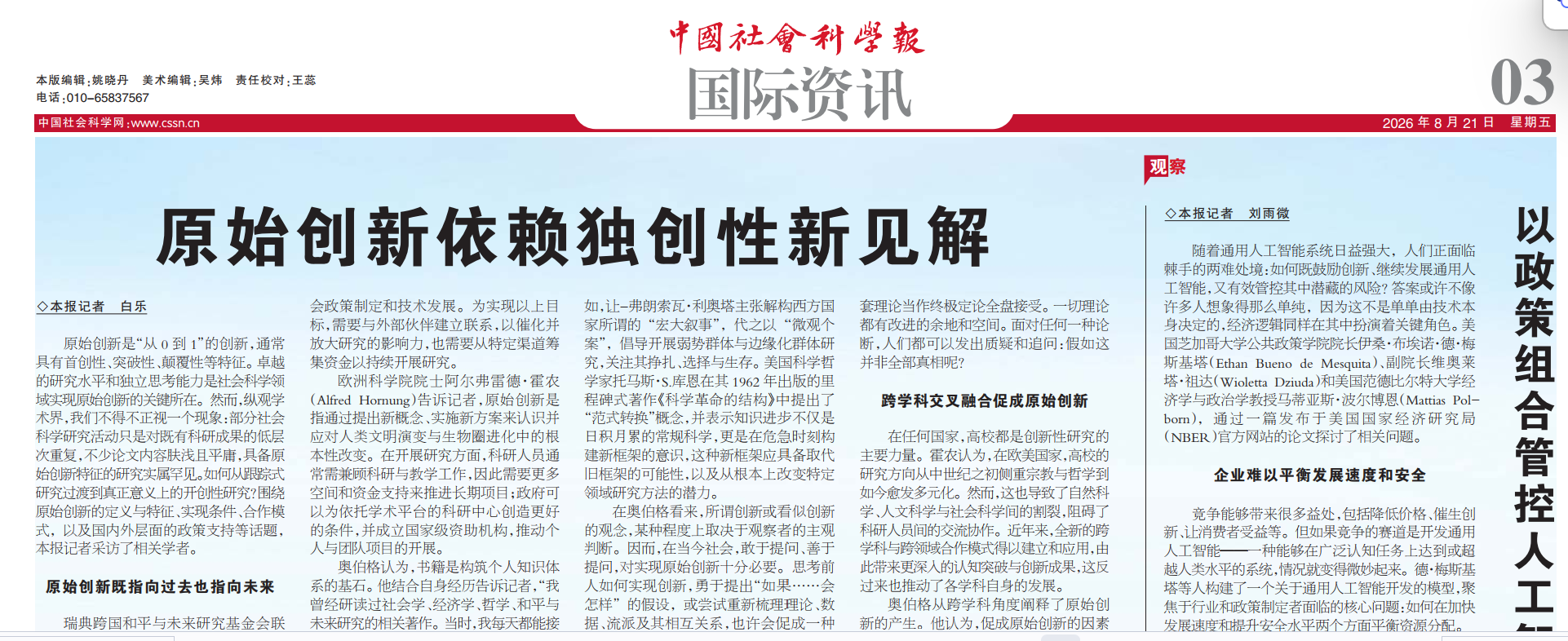
Screenshot 2026-10-02 011738
Jan ObergPhD, director, The Transnational Foundation for Peace and Future Research, TFFLund, Sweden October 2, 2026 This is my full original manuscript. The Chinese Academy of Social Science, CASS, makes two publications out if it. 1. China’s Five-year plan emphasized the capabilities of basic research and original innovation. It is regarded as the goal of the future social development, which, as required, should be significantly enhanced. Can you comment on the importance of original innovation in research and academic study? I believe it is easier to define “original innovation” in the natural sciences than in social sciences. The breaking points of what constitutes something new, or innovative, are not quite as sharp in the latter. But in both fields it is about opening up something that was closed, unseen, unexplored before – making manifest what was earlier latent. Innovations come in many forms and shapes – naming something that was not...
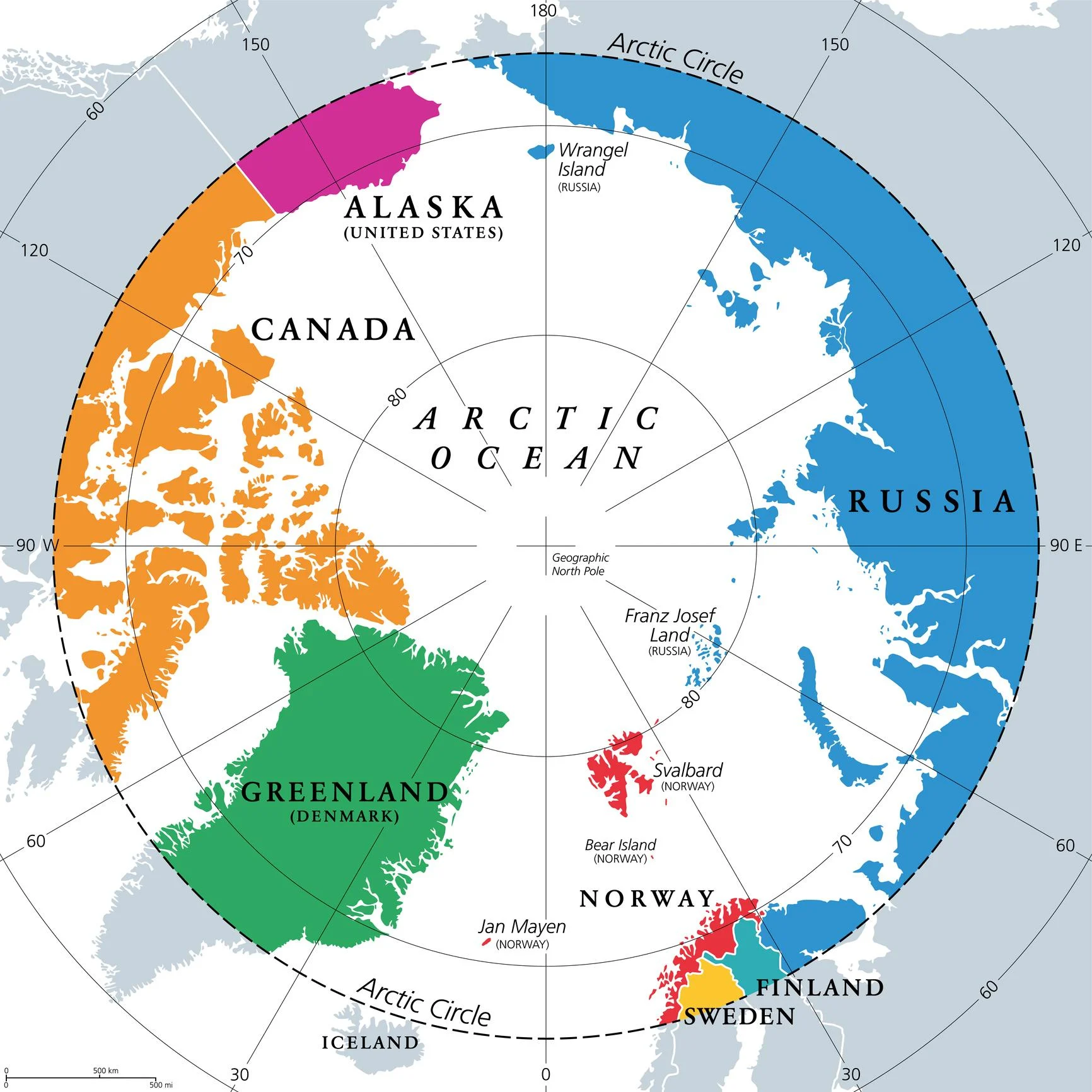
arctic-circle-map
The agreement is catastrophic both because of what it says and what it doesn’t mention. It reduces further the major asset of security policies: Freedom of action. Jan Oberg TFF director September 25, 2026 A couple of hours before the agreement was signed on September 22, 2026, I published the following 13 hypotheses about what it would most likely contain on TFF Substack (in English). I was wrong on only the first point. Contrary to what Trump had written on his Truth Social platform, it does not appear to come into force immediately. In fact, it turned out to be worse than even I had anticipated. After these hypotheses now come a number of reflections in light of what the agreement actually contains, and does not contain, as well as the way in which it has generally been presented by major media outlets and by the public-service broadcaster DR. My...
girl-5894831_1280
Below are TFF-related media mentions, comments, videos and social media posts published elsewhere but not on this homepage. We happen to catch and list only a fraction. Regarding video comments and debates, we recommend that you go to the TFF Video Channel on Substack where many of them are reproduced. Jan Oberg is a contributor to China Daily – 52 million daily clicks – and Global Times, CGTN and CCTV (the national television), China Investment, Xinhua News Agency and several others. Articles and videos on these media very often multiply into countless Chinese (and Western media) that re-post them from these main media. Thanks to The China Academy, his analyses, interviews and comments are frequently posted on YouTube channels such as Thinkers Forum and Wave Media. These videos are often re-posted on Bilibili (China’s YouTube), the China Content Center on TikTok, and on the Chinese edition of TikTok, Douyin.com. This means reaching hundreds of millions of viewers worldwide over a year. While there are too many to catch on all these...