
The Myth of Ethnic War
Serbia and Croatia in the 1990s
V.P. Gagnon Jr
Cornell University Press

Daytonavtalet undertecknades på en amerikansk flygbas december 1995. Därmed sattes punkt för ett blodigt bosniskt inbördeskrig. Fredsavtalet ledde till att vapnen vilade men inte till att fred byggdes. Bosnien är i dag ett internationellt protektorat. Fredsavtalet garanterade de etniska grupperna vissa rättigheter, vilket försvårat ett politiskt demokratibygge baserat på medborgarskap. Hög arbetslöshet och utbredd fattigdom präglar den unga staten. Det finns de som kallat Bosnien en “monsterstat”.

Varför har såren från kriget varit så svårläkta?

En orsak är att fredsavtalet inte konstruerades för att lindra de konflikter som lett till krig. Kriget beskrevs ständigt som ett etniskt krig mellan hatiska folkgrupper. Daytonavtalet skapade en “etnisk fred”, med etnisk maktbalans. Men var det ett “etniskt krig”? Naturligtvis inte, det vet varenda människa med rötter på Balkan.

Redan i titeln till sin bok “The Myth of Ethnic War” gör den amerikanske professorn V P Gagnon Jr upp med myten om de etniska krigen på Balkan. Gagnon fokuserar på Serbien och Kroatien under 1990-talet. Båda länderna har av många västerländska forskare och journalister beskrivits som ett slags prototyper för extrem nationalism och etniska krig. Det hela har inte blivit bättre av tendensen i väst att beskriva det som skedde som krig mellan “onda serber” och “goda kroater och bosniaker”.

De jugoslaviska sönderfallskrigen inleddes kort tid efter det kalla krigets slut. Det var en period när västerlänningar hävdade att deras liberala värden hade triumferat, skriver Gagnon. Kanske var det en anledning till att västmedier beskrev krigen i ex-Jugoslavien i förmoderna termer, som stamkrig och etniskt hat. Balkan framställdes som antitesen till det moderna Väst.

De bilderna stämde inte alls med hur människor i de berörda områdena upplevde konflikten, konstaterar Gagnon. Jag har själv samma erfarenhet efter tjugotalet resor till krigets Balkan under 90-talet.

Hur var det i Serbien? De elitstyrda massmedierna gjorde allt i sin förmåga för att piska upp krigsstämning. Men ställde de unga serbiska männen upp för fosterlandet liksom fransmän, tyskar och engelsmän hade gjort i första och andra världskriget? Nej, tvärtom. I Belgrad vapenvägrade 85 till 90 procent av de inkallade, i Serbien som helhet mellan 50 och 80 procent. 200.000 män i vapenför ålder flydde landet. Bland dem som inkallades deserterade ett stort antal.

På Orust bildade fredsaktivisterna Ola och Erni Friholt – rådgivare för TFF – ett “konsulat” för “Den andliga republiken Zitzer”. Zitzer var namnet på en pizzeria där unga serbiska vapenvägrare med icke-våld höll ut mot militärmakten.  Republikens vapen var en pizza och tre biljardklot.
* * *

Krigen utspelade sig särskilt i områden med blandad etnisk befolkning. Det var också områden där människor hade den högsta positiva nivån av fredligt samexisterande över etniska gränser, med många blandäktenskap. Våldet i sådana områden uppstod inte genom lokal massmobilisering, skriver Gagnon. Nästan utan undantag flammade regionala krig upp som resultat av strategiska beslut fattgade av de politiska eliterna i Belgrad och Zagreb.

Gagnons tes är att krigen handlade om nationella eliter som när deras makt hotades sökte destabilisera hoten. Ett sätt var att i propagandan visa hur oskyldiga civila drabbades av “de onda andra”. Eliterna skapade krig för att behålla sin makt, på liknande vis i Kroatien och i Serbien.

Det handlade ofta om både makt och pengar. I Kroatien överfördes mycket av den statliga egendomen till ett toppskikt av det nationalistiska HDZ-partiets medlemmar, som tog över enorma rikedomar. I Serbien var processen lite annorlunda. Milosevics SPS använde insiderprivatisering liksom i Kroatien, så att partimedlemmar gynnades. Därutöver hjälpte partiet den organiserade kriminella maffia som växt fram mycket till följd av de internationella sanktionerna. Nu skapades en mäktig klass av maffiabossar, som för övrigt låg bakom det ödesdigra mordet 2003 på premiärminister Djindjic.

Makt och pengar var också drivkrafter på en annan nivå, för de paramilitära banditband som “i nationens namn” låg bakom många av de värsta grymheterna, när de för egen vinning plundrade och våldförde sig på civila.* * *

Gagnon applicerar i en utvikning sin teori på Bushs USA. Han menar att det finns stora likheter mellan Bushadministrationens agerande efter 11 september och Tudjmans och Milosevics, i Kroatien respektive Serbien under krigsåren. Bush har använt kriget mot terrorismen som ett sätt att destabilisera den inhemska oppositionen. Hans tal om att “antingen är du med oss eller mot oss” påminner skrämmande om den värsta nationalistiska retoriken på Balkan. De som kritiserat presidenten stämplades som nationella förrädare, för att delegitimera deras argument.

Författaren diskuterar också länder där det kalla krigets slut inte ledde till inbördeskrig. Ungern påminde på många sätt om Serbien och Kroatien. Men den ungerska eliten hade andra strategier och krig hörde inte till dem.

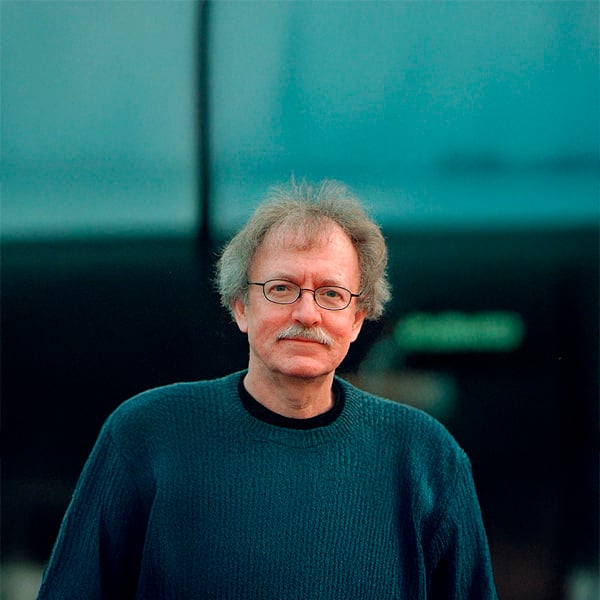
V P Gagnon är freds- och konfliktsforskare vid Cornell University. Hans bok är ett viktigt bidrag till studierna av de jugoslaviska sönderfallskrigens orsaker.

Sören Sommelius
Related Posts

LONDON – So far so good, at least on the wider level. While internally Iraq seems on the edge of chaos, the much heralded clash of civilizations between the Muslim and Judaeo-Christian worlds has yet to become apparent. We have anger and despair aplenty in the Arab and Muslim worlds. But very little rushing to the standard and there was no great pilgrimage of warriors to join the fight, as happened when the Soviet Union invaded Afghanistan twenty years ago, and then, having driven the Red Army out, were left to ferment in that mountainous redoubt. With the armaments supplied by the CIA the mujahidin were transformed into Al Qaeda that became, for a relatively brief moment as these things go, ‘the greatest threat to the homeland that America has ever known.’ Nevertheless a ‘Cold War’ between much of the Muslim world and the West is certainly in full swing. Winston...
The Challenge of Nuclear Weaponsin the Twenty-first CenturyA Path Forward The peoples and governments of the world face an urgent challenge relating to weaponry of mass destruction and particularly to nuclear weaponry.  At the crossroads of technology, terrorism, geopolitical ambition, and policies of preemption are new and potent dangers for humanity. Despite ending the nuclear standoff of the Cold War era, nuclear weaponry is again menacing the peoples of the world with catastrophic possibilities.  We recognize the need for any government to pursue its security interests in accordance with international law; and further, we recognize that distinctive threats to these interests now exist as a result of an active international terrorist network having declared war on the United States and its allies. Nonetheless, we reject the assessment of the current US administration that upgrading a reliance on nuclear weapons is in any sense justified as a response. We find it...
By Karin Wegestal MP, the Social Democratic Partyon behalf of the Swedish Committee for Solidarity with the Yugoslav People During the last decade, the Federal Republic of Yugoslavia has received more than 500,000 refugees from Croatia and Bosnia, and another 300,000 internally displaced persons, mainly from the province Kosovo and Metohia. For a country with about ten million inhabitants, such an influx of homeless people is obviously a very heavy burden – even under peaceful conditions. But in addition to that, the Federal Republic of Yugoslavia has been the subject to sanctions from the western powers for close to ten years and its infrastructure was badly hurt through Nato’s intense bombardment during 78 days in 1999. The result of all this is that Yugoslavia, once the most developed industrial country in Eastern Europe, is today the poorest country in Europe. In Serbia excluding Kosovo, with about ten million inhabitants and...

Recent Articles

Tony Robinson October 4, 2026 Violence is easy to recognise when someone is being beaten, shot or killed. It becomes more difficult when nobody is holding a weapon. Poverty, discrimination, exploitation and repression can restrict a human life just as effectively, although they do so in very different ways and with very different consequences. Simply adding more categories to an ever-growing list of forms of violence does not really solve the problem. The more interesting question is what all these different situations have in common and why it makes sense to describe them using the same word. Human beings do not simply react to what happens around them. They remember the past, imagine things that do not yet exist, make plans and undertake projects. Workers organise because they imagine different working conditions; people migrate because they imagine another life somewhere else; social movements emerge because people refuse to accept the...
It’s a matter of principles, courage, vision and pulling together – while the militarist world is falling apart… Peter Langille October 3, 2026 “Here, then, is the problem which we present to you, stark and dreadful and inescapable: Shall we put an end to the human race; or shall mankind renounce war?”The Bertrand Russell—Albert Einstein Manifesto, July 9, 1955 ⁕ The forecast for what’s ahead is worrisome. The sharp rise in armed conflicts over the past three years is adding to what was already the highest level in over seventy years. Genocides, which should be prevented are supported. A shared climate emergency that jeopardises survival is ignored. Diverse polls now suggest that people are war-weary, worried and interested in a more effective United Nations. And, there are viable policy options for a more secure world! Yet governments are doubling-down, betting on more war and investing heavily. If current trends persist,...
Johan Galtung 1930-2024October 2015 Published here on October 3, 2026 Let us focus on Civilization for conflict analysis and remedies. Major forms of disorder use violence; war is state organized violence. The most belligerent states are the United States of America and Israel, both with civilization roots. National Evangelism, the US Protestant Christian civilization– more national than evangelical–justifies US warfare as exceptionalism of a people chosen by God, with a manifest destiny to run the world. Orthodox Judaism justifies Israeli warfare to conquer and expand from Nile to Euphrates as a religious right and duty to the Eternal One. The third most belligerent country, the UK, no longer believes it is God-chosen but chosen by the USA; not quite the same but something. But the root cause of global disorder lies in the Occident–with Islam–seeing itself as the single, universal civilization valid for all at all times, all others being...

TFF on Substack

Discover and subscribe to more peace materials on TFF Substack

Most Popular

Tony Robinson October 4, 2026 Violence is easy to recognise when someone is being beaten, shot or killed. It becomes more difficult when nobody is holding a weapon. Poverty, discrimination, exploitation and repression can restrict a human life just as effectively, although they do so in very different ways and with very different consequences. Simply adding more categories to an ever-growing list of forms of violence does not really solve the problem. The more interesting question is what all these different situations have in common and why it makes sense to describe them using the same word. Human beings do not simply react to what happens around them. They remember the past, imagine things that do not yet exist, make plans and undertake projects. Workers organise because they imagine different working conditions; people migrate because they imagine another life somewhere else; social movements emerge because people refuse to accept the...
It’s a matter of principles, courage, vision and pulling together – while the militarist world is falling apart… Peter Langille October 3, 2026 “Here, then, is the problem which we present to you, stark and dreadful and inescapable: Shall we put an end to the human race; or shall mankind renounce war?”The Bertrand Russell—Albert Einstein Manifesto, July 9, 1955 ⁕ The forecast for what’s ahead is worrisome. The sharp rise in armed conflicts over the past three years is adding to what was already the highest level in over seventy years. Genocides, which should be prevented are supported. A shared climate emergency that jeopardises survival is ignored. Diverse polls now suggest that people are war-weary, worried and interested in a more effective United Nations. And, there are viable policy options for a more secure world! Yet governments are doubling-down, betting on more war and investing heavily. If current trends persist,...
Johan Galtung 1930-2024October 2015 Published here on October 3, 2026 Let us focus on Civilization for conflict analysis and remedies. Major forms of disorder use violence; war is state organized violence. The most belligerent states are the United States of America and Israel, both with civilization roots. National Evangelism, the US Protestant Christian civilization– more national than evangelical–justifies US warfare as exceptionalism of a people chosen by God, with a manifest destiny to run the world. Orthodox Judaism justifies Israeli warfare to conquer and expand from Nile to Euphrates as a religious right and duty to the Eternal One. The third most belligerent country, the UK, no longer believes it is God-chosen but chosen by the USA; not quite the same but something. But the root cause of global disorder lies in the Occident–with Islam–seeing itself as the single, universal civilization valid for all at all times, all others being...
Read More
Living-Peace-Sign-Budapest-copy
Tony Robinson October 4, 2026 Violence is easy to recognise when someone is being beaten, shot or killed. It becomes more difficult when nobody is holding a weapon. Poverty, discrimination, exploitation and repression can restrict a human life just as effectively, although they do so in very different ways and with very different consequences. Simply adding more categories to an ever-growing list of forms of violence does not really solve the problem. The more interesting question is what all these different situations have in common and why it makes sense to describe them using the same word. Human beings do not simply react to what happens around them. They remember the past, imagine things that do not yet exist, make plans and undertake projects. Workers organise because they imagine different working conditions; people migrate because they imagine another life somewhere else; social movements emerge because people refuse to accept the...
b54a1f10-8c65-4f0b-9dd5-4abc0a7d04cc_2659x2659
It’s a matter of principles, courage, vision and pulling together – while the militarist world is falling apart… Peter Langille October 3, 2026 “Here, then, is the problem which we present to you, stark and dreadful and inescapable: Shall we put an end to the human race; or shall mankind renounce war?”The Bertrand Russell—Albert Einstein Manifesto, July 9, 1955 ⁕ The forecast for what’s ahead is worrisome. The sharp rise in armed conflicts over the past three years is adding to what was already the highest level in over seventy years. Genocides, which should be prevented are supported. A shared climate emergency that jeopardises survival is ignored. Diverse polls now suggest that people are war-weary, worried and interested in a more effective United Nations. And, there are viable policy options for a more secure world! Yet governments are doubling-down, betting on more war and investing heavily. If current trends persist,...
010
Johan Galtung 1930-2024October 2015 Published here on October 3, 2026 Let us focus on Civilization for conflict analysis and remedies. Major forms of disorder use violence; war is state organized violence. The most belligerent states are the United States of America and Israel, both with civilization roots. National Evangelism, the US Protestant Christian civilization– more national than evangelical–justifies US warfare as exceptionalism of a people chosen by God, with a manifest destiny to run the world. Orthodox Judaism justifies Israeli warfare to conquer and expand from Nile to Euphrates as a religious right and duty to the Eternal One. The third most belligerent country, the UK, no longer believes it is God-chosen but chosen by the USA; not quite the same but something. But the root cause of global disorder lies in the Occident–with Islam–seeing itself as the single, universal civilization valid for all at all times, all others being...
Screenshot 2026-10-02 011738
Jan ObergPhD, director, The Transnational Foundation for Peace and Future Research, TFFLund, Sweden October 2, 2026 This is my full original manuscript. The Chinese Academy of Social Science, CASS, makes two publications out if it. 1. China’s Five-year plan emphasized the capabilities of basic research and original innovation. It is regarded as the goal of the future social development, which, as required, should be significantly enhanced. Can you comment on the importance of original innovation in research and academic study? I believe it is easier to define “original innovation” in the natural sciences than in social sciences. The breaking points of what constitutes something new, or innovative, are not quite as sharp in the latter. But in both fields it is about opening up something that was closed, unseen, unexplored before – making manifest what was earlier latent. Innovations come in many forms and shapes – naming something that was not...
arctic-circle-map
The agreement is catastrophic both because of what it says and what it doesn’t mention. It reduces further the major asset of security policies: Freedom of action. Jan Oberg TFF director September 25, 2026 A couple of hours before the agreement was signed on September 22, 2026, I published the following 13 hypotheses about what it would most likely contain on TFF Substack (in English). I was wrong on only the first point. Contrary to what Trump had written on his Truth Social platform, it does not appear to come into force immediately. In fact, it turned out to be worse than even I had anticipated. After these hypotheses now come a number of reflections in light of what the agreement actually contains, and does not contain, as well as the way in which it has generally been presented by major media outlets and by the public-service broadcaster DR. My...
girl-5894831_1280
Below are TFF-related media mentions, comments, videos and social media posts published elsewhere but not on this homepage. We happen to catch and list only a fraction. Regarding video comments and debates, we recommend that you go to the TFF Video Channel on Substack where many of them are reproduced. Jan Oberg is a contributor to China Daily – 52 million daily clicks – and Global Times, CGTN and CCTV (the national television), China Investment, Xinhua News Agency and several others. Articles and videos on these media very often multiply into countless Chinese (and Western media) that re-post them from these main media. Thanks to The China Academy, his analyses, interviews and comments are frequently posted on YouTube channels such as Thinkers Forum and Wave Media. These videos are often re-posted on Bilibili (China’s YouTube), the China Content Center on TikTok, and on the Chinese edition of TikTok, Douyin.com. This means reaching hundreds of millions of viewers worldwide over a year. While there are too many to catch on all these...





