
Vi kan lære af den forudsigelige fiasko i Irak

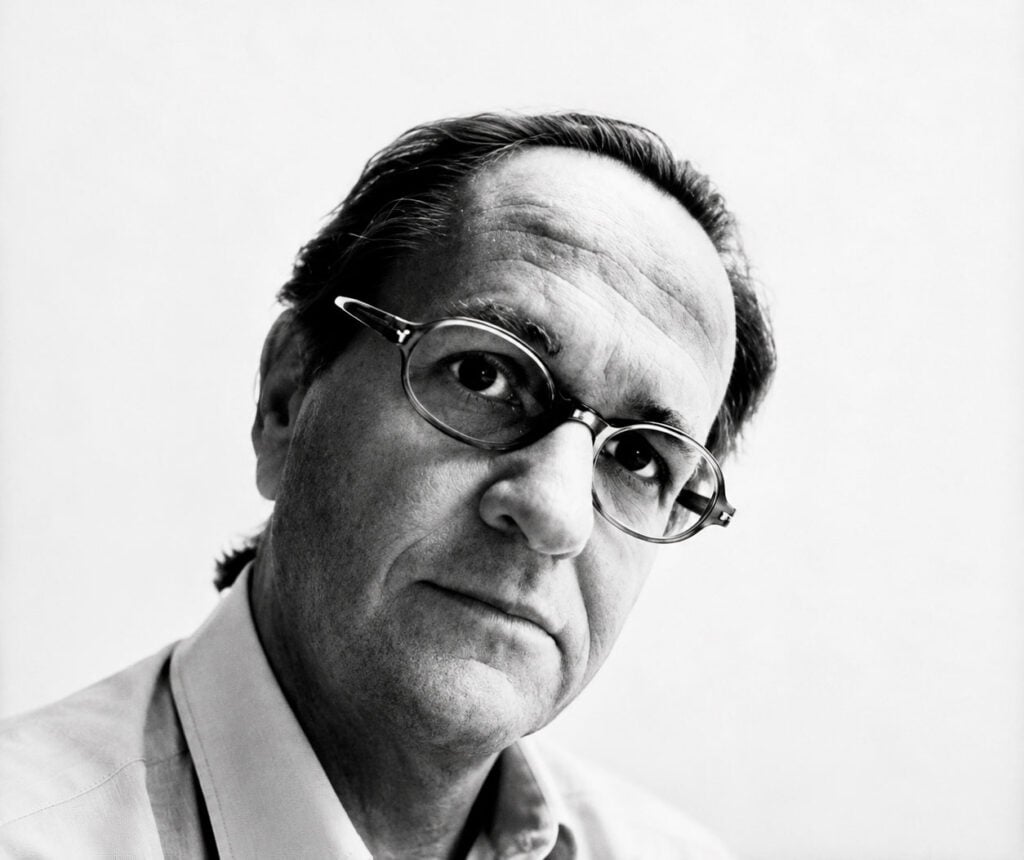
Fredsforskeren Jan Øberg, der er direktør for Den Transnationale Stiftelse for Freds- og Fremtidsforskning, TFF, i Lund havde små 200 samtaler med mennesker på alle niveauer i Irak før krigen. Den 3. juni udgiver han “Forudsigelig fiasko. Konflikten med Irak og Danmark som besættelsesmagt” (Tiderne Skifter), der drøfter hele forløbet og opstiller et 19-punkts program for hvorledes det – måske – kan blive bedre i Irak. Hvis vi kan erkende vore egne fejl så blir der bedre muligheder for at redde situationen, mener han.

Besættelsen af Irak vil aldrig lede til fred, demokrati eller noget andet godt for irakerne. Jo længere den varer, jo værre konsekvenser vil denne forudsigelige fiasko få for Irak, for USA, for Danmark og for resten af verden.

Set i sammenhæng med Israel-Palæstina-konflikten er Irak den mest konsekvensrige enkeltkonflikt i verden; desværre er den blevet håndteret med lige dele konfliktanalfabetisme og selvretfærdighed parret med en kulturforagt, der nærmer sig racisme. Og derfor blev der krig.

Og hvis dét ikke var årsagen til krigen og besættelsen så er dagens tragedie en konsekvens af imperialisme i hvilken konflikthåndtering er magtpolitikkens fortsættelse med andre midler.

Det eneste positive, der kan komme ud af det hele er, at vi kan få afklaret hvordan vi skal håndtere konflikter i fremtiden. Selverkendelsen vil også åbne mulighed for at hæve besættelsen og hjælpe irakerne i årene fremover.

1. Voldelige midler leder ikke til fred. Irak er det seneste og mest mislykkede forsøg på at håndtere konflikter med vold. Hvis militære indsatser skal være fredsfremmende må de bygge på et minimum af kundskab og konfliktanalyse. På 8. år fungerer Dayton-Bosnien ikke; Kosovo-missionen er ved at bryde sammen; Serbien er fattigt og ydmyget og sidder med 600,000 flygtninge ingen vil vide af. I Kroatien regerer igen det parti, som førte krig ud af Jugoslavien, og landet er mere etnisk rent end før krigen. Det er ikke sikkert at Makedonien overlever som stat efter den krig vesten lod kosovo-albanske ekstremister fremprovokere dér.

Afghanistan er atter i opium-bøndernes og de lokale krigsherrers hænder.

Er civile midler bedre? Diktatorer som Shahen af Iran og Marcos på Filippinerne faldt takket være folkelig mobilisering. Havde Solidarnosc brugt våben kunne Sovjetunionen have besat Polen; Milosevic faldt ikke efter ti år af diplomatisk isolering, hårde sanktioner og 78 dages bombninger men da 300,000 mennesker satte stop på parlamentet trappe og politiet praktiserede civil ulydighed. Shevardnadze måtte gå takket være ikkevold.

Verden synes endnu ikke at have opdaget at den gamle kolde krig ophørte takket være tre ikkevoldelige tings samvirken: Gorbatjovs nye politik, de østlige dissidenter og den vestlige fredsbevægelse

2. Saddam var et produkt af våbenhandel. Problem Irak og Saddam må ses i forbindelse med den globale våbenhandel som helhed. De fem permanente medlemmer af FNs Sikkerhedsråd, der har kørt hele sagen med det formål at afvæbne Irak, har alle selv masseødelæggelsesvåben og står tilsammen bag 85% af verdens våbeneksport.

Våbeneksporterende regeringer vendte det blinde øje til Saddams krænkelser af menneskerettighederne, hans gasning af sine egne borgere, hans krige, hans ambitioner om at besidde masseødelæggende våben og hans diktatoriske stil. De gjorde gode forretninger og brugte ham til deres egne udenrigspolitiske mål.

Dagens største våbenhandlere kan ikke samtidig være dem, der skal dømme andre i disse sager. Våbenhandel må bringes under kontrol.

3. Vi må reducere afhængigheden af olie. Olie er ikke det eneste men ét centralt motiv bag USAs krigspolitik. Tallene varierer lidt, men USA importerer i dag lidt mere end halvdelen af sit olieforbrug og omkring 2020 år vil nærme sig 70% eller mere. USA selv besidder kun 2% af verdens reserver og omkring 1/4 af dets import kommer fra Kuwait, Saudi-Arabien og Irak.

Situationen er ikke bedre i Europa. Allerede i dag er 75% af hele EUs forbrug baseret på olie. Det nuværende globale olieforbrug ligger på omkring 77 millioner tønder om dagen og det beregnes at stige til 115 millioner i 2020, altså med næsten 50%. Enhver kan se at at EU således også vil blive stadigt mere afhængig af olieimport udefra.

Olieprisen per fad ligger nu på 41 dollars; det vil have store konsekvenser for verdensøkonomien, ikke mindst de fattige olieimporterende landes befolkninger. Sikkerhedspolitik burde handle om energi og reduktion af vores sårbarhed – et hovedpunkt forresten i min bog om At udvikle sikkerhed og sikre udvikling for 21 år siden (Vindrose Forlag).

4. Eksistensen af masseødelæggende våben er problemet, ikke spredningen. Irak var i praksis afvæbnet for masseødelæggende våben i 1996-97. Ingen planlægger at destruere disse våben dér hvor de findes som f.eks. i USA, England, Frankrig, Kina, Indien, Pakistan og Israel, skønt ethvert atomvåben strider mod Ikkespredningsaftalen fra 1970. Det er den juridisk bindende traktat, der siger at de, der har atomvåben, skal nedruste dem mod at de, der gerne vil erhverve dem, skal afstå og i stedet hjælpes til at få civil atomkraft.

Hverken den politiske debat eller medier fokuserer på at de egentlige “forbrydere” i folkeretslig og moralsk forstand er dem, der har kernevåben og har doktriner for at bruge dem. Hvis atommagterne ned- og afrustede sine masseødelæggelsesvåben ville den væsentligste enkeltårsag til spredningen falde bort.

5. Lærdomme vedrørende konflikthåndtering. Alt hvad vi véd om psykologiske mekanismer bliver trådt under fode på international niveau. Overalt i verden savner beslutningstagere professionel kundskab om konflikthåndtering – omend de kan være gode diplomater, militærfolk eller ministre. Verden har stort set ingen fredsakademier. Det ville spare os alle for megen fortræd hvis man husker disse ting næste gang:

a) Lær det grundlæggende om konflikthåndtering, altså om konfliktanalyse, konfliktforståelse, konfliktløsning, mægling og forsoning. Under krig og vold ligger en konflikt. Vi behøver mere konfliktjournalistik og mindre krigsreportage.

b) Tilvejebring så megen og så forskelligartet information om landet og konflikten, så man kan formulere en kompleks, intelligent politik med flere handlingsveje åbne. Luk derfor aldrig ambassader; hold altid kommunikationskanaler åbne.

c) Udvikl altid flere eller alternative planer. Byg aldrig på krigen som den eneste mulighed. Hvis der kun findes en plan, er der ingen reel valgfrihed.

d) Hvis du er imod krig så sig ja til andre veje. Det er ikke nok at demonstrere med slogans som “Nej til krig”; der må være svar på spørgsmålet: hvis ikke krig, hvordan vil du så løse konflikten?

e) Princippet om at min fjendes fjende er min ven er en kortsigtet strategi. Saddam var vor fordi han bekæmpede Khomeini i Iran, Vestens fjende.

f) Fred med krigeriske midler fungerer ikke i ni af ti tilfælde. FN-Pagten taler om fred med fredelige midler. Ikkevold er en internationalt accepteret norm og Pagtens højeste mål er at afskaffe krig.

g) Forud for krig udgør smukke motiver højst 1/10 af virkeligheden. De hårde interesser, realpolitikken og magtens spil udgør 9/10.

h) Der er altid to virkeligheder – dels den virtuelle, inklusive propagandaens, markedsføringens og den psykologiske krigsførelses, og dels den faktiske, som man bedst får greb om ved eget øjesyn på stedet.

i) Der findes ingen konflikter i hvilke den ene er helt sort/ond og den anden helt hvid/god. Hvis sandheden er krigens første offer, er kompleksiteten det andet, selvkritikken det tredje og fairness formentlig det fjerde offer.

j) Forsøg ikke på konflikthåndtering uden om FN og uden for folkeretten i øvrigt. Verdensorganisationen er langtfra perfekt, men den bør betragtes som den vigtigste organisation, indtil vi en dag har udviklet en anden og bedre. En verden, der køres af de militært stærkeste uden for FNs normer er en langt farligere og uciviliseret verden end den, vi har selv med et svagt FN.

k) Tag udgangspunkt i befolkningernes tarv og ikke kun i hvem der er gode og onde på regeringsniveau. Havde vi haft den irakiske befolknings vé og vel som højeste prioritet, var konflikten blevet håndteret på en helt anden måde. Nu blev irakerne istedet usynliggjort eller slået i hartkorn med Saddam.

6. Krigen mod terrorister og mod Irak har øget verdens usikkerhed. Angrebet den 11. september 2001 var en kriminel handling mod USAs økonomiske og militære centre, men det var ikke en krig(serklæring) mod USA eller den vestlige kultur. Bush-regimet valgte derimod at bruge 11. september som et påskud for en global krig mod terrorismen med uendeligt større voldsarsenaler og uforholdsmæssig stor destruktion af Afghanistan og senere Irak.

Derefter er den internationale terrorisme vokset. Iraks territorium er blevet en magnet for irakiske selvmordsbombere og andre terrorister og al-Queda-netværket “svarer” igen i den djævelske spiral, der i marts 2004 nåede til Spanien, en af besættelsesmagternes tættest allierede. Vi vil opleve mee “blow back” eller boomeranger i fremtiden.

Man skaber mere terrorisme når man “besvarer” gruppeterrorisme med stats-terrorisme og jager terrorister i stedet for at angribe grobunden for terrorismen. For det andet skaber forfejlede krige et bundløst had mod USA. Den der stiller sig kritikløst bag USA kan meget vel blive ramt, også Danmark. For det tredje er vi nu på vej til at lukke det åbne samfund.

Vi må derfor begynde en alvorlig debat og folkeoplysning om hvorledes terrorismen kan bekæmpes og udryddes med civile midler.

7. Sanktioner er et masseødelæggende våben. De 12 år med historiens mest kvælende sanktioner indebærer at der i dag er en halv til en hel million færre irakere i live end der ellers ville have været. 300,000 børn og unge er klinisk traumatiserede i dag.

Dette bør sidestilles med folkemord for sanktionernes beslutningstagerne vidste hvad de gjorde. Skoler, sundhedsvæsen, kultur og infrastruktur blev ødelagt. Denne del af ødelæggelsen af det irakiske samfund kan ikke tilskrives Saddam. I de 12 år faldt irakernes levestandard fra cirka Portugals til Lesothos niveau, altsammen ifølge pålidelig FN-statisk og mine samtaler med samtlige chefer for FN i Baghdad forud for krigen.

Vi føler vrede over billederne fra Abu Ghraib og dyb medfølelse med ofrene. Sådan skal det være. Men det er for intet at regne med den moralske og kulturelle forbrydelse, verden gennem Sikkerhedrådet påførte de 24 millioner medmennesker i Irak. Og de gjorde det i praksis umuligt for irakerne at fjerne Saddam selv. Uden om hans indre bur satte vi et ydre, og det gavnede kun ham.

Vi har ét problem, der måske er større end alle de andre: hvordan lærer vi at sige undskyld, betale kompensation, skabe forsoning og ny tillid mellem os og menneskene i Irak. Eet véd jeg, hverken regeringer eller penge alene kan gøre det. Der vil også være brug for et nyt, omfattende og mangeårigt mellemfolkeligt samarbejde.

JAN ØBERG
Peace & future researcher + ‌Art Photographer

Related Posts

LONDON – So far so good, at least on the wider level. While internally Iraq seems on the edge of chaos, the much heralded clash of civilizations between the Muslim and Judaeo-Christian worlds has yet to become apparent. We have anger and despair aplenty in the Arab and Muslim worlds. But very little rushing to the standard and there was no great pilgrimage of warriors to join the fight, as happened when the Soviet Union invaded Afghanistan twenty years ago, and then, having driven the Red Army out, were left to ferment in that mountainous redoubt. With the armaments supplied by the CIA the mujahidin were transformed into Al Qaeda that became, for a relatively brief moment as these things go, ‘the greatest threat to the homeland that America has ever known.’ Nevertheless a ‘Cold War’ between much of the Muslim world and the West is certainly in full swing. Winston...
The Challenge of Nuclear Weaponsin the Twenty-first CenturyA Path Forward The peoples and governments of the world face an urgent challenge relating to weaponry of mass destruction and particularly to nuclear weaponry.  At the crossroads of technology, terrorism, geopolitical ambition, and policies of preemption are new and potent dangers for humanity. Despite ending the nuclear standoff of the Cold War era, nuclear weaponry is again menacing the peoples of the world with catastrophic possibilities.  We recognize the need for any government to pursue its security interests in accordance with international law; and further, we recognize that distinctive threats to these interests now exist as a result of an active international terrorist network having declared war on the United States and its allies. Nonetheless, we reject the assessment of the current US administration that upgrading a reliance on nuclear weapons is in any sense justified as a response. We find it...
By Karin Wegestal MP, the Social Democratic Partyon behalf of the Swedish Committee for Solidarity with the Yugoslav People During the last decade, the Federal Republic of Yugoslavia has received more than 500,000 refugees from Croatia and Bosnia, and another 300,000 internally displaced persons, mainly from the province Kosovo and Metohia. For a country with about ten million inhabitants, such an influx of homeless people is obviously a very heavy burden – even under peaceful conditions. But in addition to that, the Federal Republic of Yugoslavia has been the subject to sanctions from the western powers for close to ten years and its infrastructure was badly hurt through Nato’s intense bombardment during 78 days in 1999. The result of all this is that Yugoslavia, once the most developed industrial country in Eastern Europe, is today the poorest country in Europe. In Serbia excluding Kosovo, with about ten million inhabitants and...

Recent Articles

Tony Robinson October 4, 2026 Violence is easy to recognise when someone is being beaten, shot or killed. It becomes more difficult when nobody is holding a weapon. Poverty, discrimination, exploitation and repression can restrict a human life just as effectively, although they do so in very different ways and with very different consequences. Simply adding more categories to an ever-growing list of forms of violence does not really solve the problem. The more interesting question is what all these different situations have in common and why it makes sense to describe them using the same word. Human beings do not simply react to what happens around them. They remember the past, imagine things that do not yet exist, make plans and undertake projects. Workers organise because they imagine different working conditions; people migrate because they imagine another life somewhere else; social movements emerge because people refuse to accept the...
It’s a matter of principles, courage, vision and pulling together – while the militarist world is falling apart… Peter Langille October 3, 2026 “Here, then, is the problem which we present to you, stark and dreadful and inescapable: Shall we put an end to the human race; or shall mankind renounce war?”The Bertrand Russell—Albert Einstein Manifesto, July 9, 1955 ⁕ The forecast for what’s ahead is worrisome. The sharp rise in armed conflicts over the past three years is adding to what was already the highest level in over seventy years. Genocides, which should be prevented are supported. A shared climate emergency that jeopardises survival is ignored. Diverse polls now suggest that people are war-weary, worried and interested in a more effective United Nations. And, there are viable policy options for a more secure world! Yet governments are doubling-down, betting on more war and investing heavily. If current trends persist,...
Johan Galtung 1930-2024October 2015 Published here on October 3, 2026 Let us focus on Civilization for conflict analysis and remedies. Major forms of disorder use violence; war is state organized violence. The most belligerent states are the United States of America and Israel, both with civilization roots. National Evangelism, the US Protestant Christian civilization– more national than evangelical–justifies US warfare as exceptionalism of a people chosen by God, with a manifest destiny to run the world. Orthodox Judaism justifies Israeli warfare to conquer and expand from Nile to Euphrates as a religious right and duty to the Eternal One. The third most belligerent country, the UK, no longer believes it is God-chosen but chosen by the USA; not quite the same but something. But the root cause of global disorder lies in the Occident–with Islam–seeing itself as the single, universal civilization valid for all at all times, all others being...

TFF on Substack

Discover and subscribe to more peace materials on TFF Substack

Most Popular

Tony Robinson October 4, 2026 Violence is easy to recognise when someone is being beaten, shot or killed. It becomes more difficult when nobody is holding a weapon. Poverty, discrimination, exploitation and repression can restrict a human life just as effectively, although they do so in very different ways and with very different consequences. Simply adding more categories to an ever-growing list of forms of violence does not really solve the problem. The more interesting question is what all these different situations have in common and why it makes sense to describe them using the same word. Human beings do not simply react to what happens around them. They remember the past, imagine things that do not yet exist, make plans and undertake projects. Workers organise because they imagine different working conditions; people migrate because they imagine another life somewhere else; social movements emerge because people refuse to accept the...
It’s a matter of principles, courage, vision and pulling together – while the militarist world is falling apart… Peter Langille October 3, 2026 “Here, then, is the problem which we present to you, stark and dreadful and inescapable: Shall we put an end to the human race; or shall mankind renounce war?”The Bertrand Russell—Albert Einstein Manifesto, July 9, 1955 ⁕ The forecast for what’s ahead is worrisome. The sharp rise in armed conflicts over the past three years is adding to what was already the highest level in over seventy years. Genocides, which should be prevented are supported. A shared climate emergency that jeopardises survival is ignored. Diverse polls now suggest that people are war-weary, worried and interested in a more effective United Nations. And, there are viable policy options for a more secure world! Yet governments are doubling-down, betting on more war and investing heavily. If current trends persist,...
Johan Galtung 1930-2024October 2015 Published here on October 3, 2026 Let us focus on Civilization for conflict analysis and remedies. Major forms of disorder use violence; war is state organized violence. The most belligerent states are the United States of America and Israel, both with civilization roots. National Evangelism, the US Protestant Christian civilization– more national than evangelical–justifies US warfare as exceptionalism of a people chosen by God, with a manifest destiny to run the world. Orthodox Judaism justifies Israeli warfare to conquer and expand from Nile to Euphrates as a religious right and duty to the Eternal One. The third most belligerent country, the UK, no longer believes it is God-chosen but chosen by the USA; not quite the same but something. But the root cause of global disorder lies in the Occident–with Islam–seeing itself as the single, universal civilization valid for all at all times, all others being...
Read More
Living-Peace-Sign-Budapest-copy
Tony Robinson October 4, 2026 Violence is easy to recognise when someone is being beaten, shot or killed. It becomes more difficult when nobody is holding a weapon. Poverty, discrimination, exploitation and repression can restrict a human life just as effectively, although they do so in very different ways and with very different consequences. Simply adding more categories to an ever-growing list of forms of violence does not really solve the problem. The more interesting question is what all these different situations have in common and why it makes sense to describe them using the same word. Human beings do not simply react to what happens around them. They remember the past, imagine things that do not yet exist, make plans and undertake projects. Workers organise because they imagine different working conditions; people migrate because they imagine another life somewhere else; social movements emerge because people refuse to accept the...
b54a1f10-8c65-4f0b-9dd5-4abc0a7d04cc_2659x2659
It’s a matter of principles, courage, vision and pulling together – while the militarist world is falling apart… Peter Langille October 3, 2026 “Here, then, is the problem which we present to you, stark and dreadful and inescapable: Shall we put an end to the human race; or shall mankind renounce war?”The Bertrand Russell—Albert Einstein Manifesto, July 9, 1955 ⁕ The forecast for what’s ahead is worrisome. The sharp rise in armed conflicts over the past three years is adding to what was already the highest level in over seventy years. Genocides, which should be prevented are supported. A shared climate emergency that jeopardises survival is ignored. Diverse polls now suggest that people are war-weary, worried and interested in a more effective United Nations. And, there are viable policy options for a more secure world! Yet governments are doubling-down, betting on more war and investing heavily. If current trends persist,...
010
Johan Galtung 1930-2024October 2015 Published here on October 3, 2026 Let us focus on Civilization for conflict analysis and remedies. Major forms of disorder use violence; war is state organized violence. The most belligerent states are the United States of America and Israel, both with civilization roots. National Evangelism, the US Protestant Christian civilization– more national than evangelical–justifies US warfare as exceptionalism of a people chosen by God, with a manifest destiny to run the world. Orthodox Judaism justifies Israeli warfare to conquer and expand from Nile to Euphrates as a religious right and duty to the Eternal One. The third most belligerent country, the UK, no longer believes it is God-chosen but chosen by the USA; not quite the same but something. But the root cause of global disorder lies in the Occident–with Islam–seeing itself as the single, universal civilization valid for all at all times, all others being...
Screenshot 2026-10-02 011738
Jan ObergPhD, director, The Transnational Foundation for Peace and Future Research, TFFLund, Sweden October 2, 2026 This is my full original manuscript. The Chinese Academy of Social Science, CASS, makes two publications out if it. 1. China’s Five-year plan emphasized the capabilities of basic research and original innovation. It is regarded as the goal of the future social development, which, as required, should be significantly enhanced. Can you comment on the importance of original innovation in research and academic study? I believe it is easier to define “original innovation” in the natural sciences than in social sciences. The breaking points of what constitutes something new, or innovative, are not quite as sharp in the latter. But in both fields it is about opening up something that was closed, unseen, unexplored before – making manifest what was earlier latent. Innovations come in many forms and shapes – naming something that was not...
arctic-circle-map
The agreement is catastrophic both because of what it says and what it doesn’t mention. It reduces further the major asset of security policies: Freedom of action. Jan Oberg TFF director September 25, 2026 A couple of hours before the agreement was signed on September 22, 2026, I published the following 13 hypotheses about what it would most likely contain on TFF Substack (in English). I was wrong on only the first point. Contrary to what Trump had written on his Truth Social platform, it does not appear to come into force immediately. In fact, it turned out to be worse than even I had anticipated. After these hypotheses now come a number of reflections in light of what the agreement actually contains, and does not contain, as well as the way in which it has generally been presented by major media outlets and by the public-service broadcaster DR. My...
girl-5894831_1280
Below are TFF-related media mentions, comments, videos and social media posts published elsewhere but not on this homepage. We happen to catch and list only a fraction. Regarding video comments and debates, we recommend that you go to the TFF Video Channel on Substack where many of them are reproduced. Jan Oberg is a contributor to China Daily – 52 million daily clicks – and Global Times, CGTN and CCTV (the national television), China Investment, Xinhua News Agency and several others. Articles and videos on these media very often multiply into countless Chinese (and Western media) that re-post them from these main media. Thanks to The China Academy, his analyses, interviews and comments are frequently posted on YouTube channels such as Thinkers Forum and Wave Media. These videos are often re-posted on Bilibili (China’s YouTube), the China Content Center on TikTok, and on the Chinese edition of TikTok, Douyin.com. This means reaching hundreds of millions of viewers worldwide over a year. While there are too many to catch on all these...





