
Efter milliardbataljonen i Kosovo:Hur hitta pengar till den nästa humanitära katastrofen?

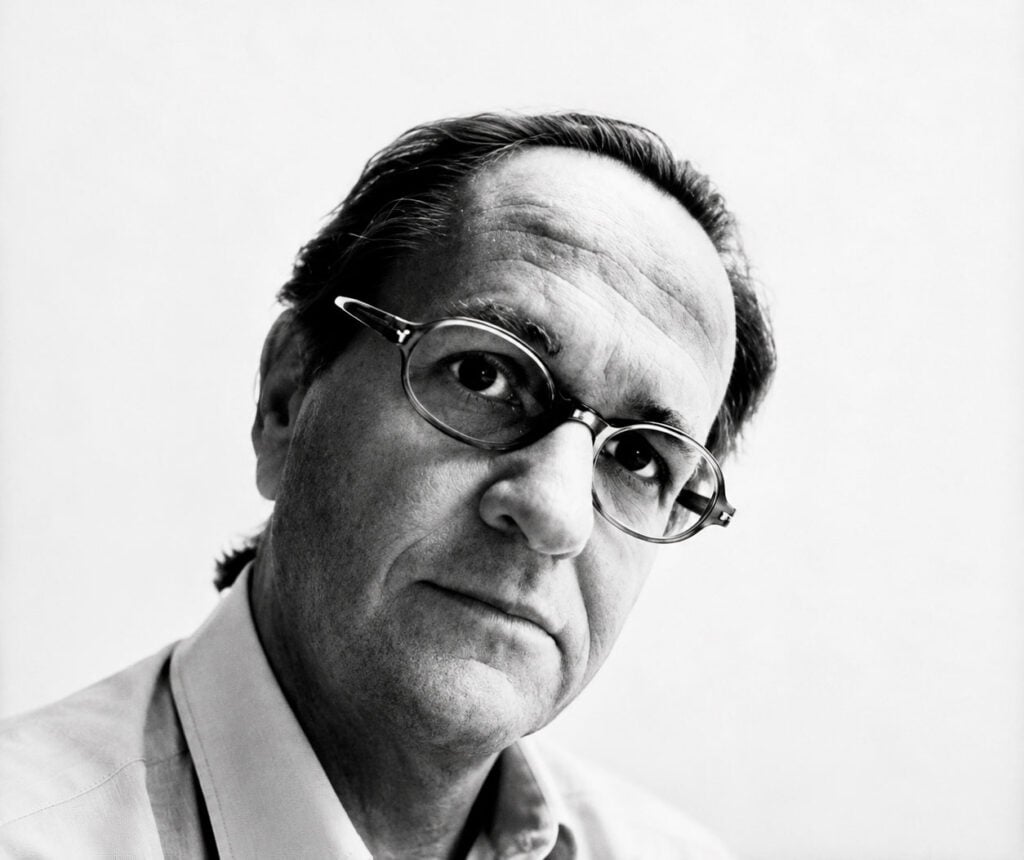
Christian Hårleman
Fd överstelöjtnant, f.d chef utbildningsavd för fredsbevarande operationer i FN,
rådgivare till Institute of World Affairs, Washington D.C
e-mail: ch.harleman@crido.pp.se

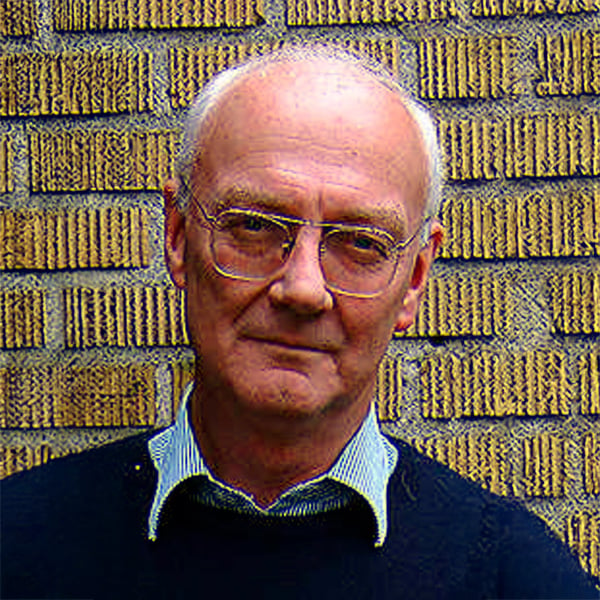
Jan Øberg, fil.dr.
Direktör, Transnationella Stiftelsen för Freds- och framtidsforskning, TFF, i Lund
e-mail: tff@transnational.live

Sverige håller på att installera ungefär 850 soldater i Kosovo som ska delta i KFOR, den militära styrka om 45.000 soldater med tung utrustning, som kom på plats i kölvattnet på NATO:s krig mot Jugoslavien under våren.Kostnaden uppges vara 900 miljoner kronor.
Detta är den största enskilda satsning vår regering gör för att bidra till en lösning av de svåra problemen i och kring Kosovo. I jämförelse har Sverige avsatt 84 miljoner kronor år 1999 och år 2000 för civila insatser inom FN:s UNMIK-mission i Kosovo och 170 miljoner till humanitära insatser.
Ett genomgående inslag i Sveriges och det såkallade internationella samfundets (fel)hantering av Balkans konflikter sedan 1980-talet har varit att fokusera på ett enda område åt gången och strunta i tumregel nummer ett: att allt hänger samman med allt annat på Balkan.

Kommer Sverige att ha medel kvar ifall det blir fler humanitära kriser på Balkan eller annorstädes? I Serbien hotar sammanbrott och social nöd. Om det vill sig riktigt illa, inbördeskrig. Serbien har dessutom ungefär 900.000 flyktingar från Kroatien, Bosnien och nu Kosovo, som det internationella samfundet i åratal har struntat i. Väst uppmuntrar Montenegro att bryta sig ur federationen, något som inte kommer att gå fredligt för sig. Ett sammanbrott här, omfattande 11 miljoner människor, kommer rimligen att innebära en vida större humanitär katastrof än den vi upplevt under våren för Kosovos befolkning.

OM detta händer, kommer KFOR att sitta med armarna i kors eller rullar man då in i det övriga Serbien och/eller Montenegro, eventuellt med förstärkningar och nya bombningar? Har man övervägt RISKEN att svenska soldater kan komma att befinna sig i en krigsliknande miljö eller måste evakueras under kaotiska omständigheter?

Makedonien har alltid varit skört. FN:s mission där har tvingats packa ihop i ett storpolitiskt spel, som handlat om att NATO skulle in i regionen. OSCE:s mission i Skopje är mikroskopisk. De sociala spänningarna i landet förvärrades betydligt under flyktingströmmens press på det makedonska samhället; NATO gjorde i en period landet till ett kombinerat flyktingläger och militärbas – något som fått alla att fråga sig huruvida Makedonien egentligen är en respekterad självständig stat. Makedonernas såväl som albanernas identitet blev i praktiken ifrågasatt. Den existerande koalitionsregeringen är bräcklig och ingen vet vilken dynamik som presidentvalet i slutet av oktober kan skapa. Ekonomin är sämre, mer grå och svart, än någonsin under 90-talet.

Albanien? Ja, också här kan man ifrågasätta om det är – och kommer att vara – en sammanhängande stat i vanlig mening. Det är gott om konflikter mellan olika albanska grupper, samt mellan Nord och Syd.

En annan fråga gäller den reellt existerande humanismen. De albanska flyktingarna i Makedonien och Albanien fick på ett par veckor ett humanitärt stöd på ungefär 12 gånger det Afrikas flyktingar får efter att ha varit flyktingar i åratal. Inget annat krisområde i världen har NATO, FN:s alla organisationer, OSCE samt därutöver drygt 300 andra internationella organisationer – eller kanske 75.000 internationella hjälparbetare på plats.

Om man ser på behoven i många andra av världens brännpunkter och dess behov av civila stödåtgärder och av tidiga insatser för att undvika våld – eller av att stoppa våld som är mångdubbelt större än Kosovos – bör Sveriges militanta satsning kraftigt ifrågasättas. I Svenska Dagbladet för den 8 oktober kan man dessutom läsa att Sverige riskerar att sakna 400-600 miljoner kronor och hamna under den “skamgräns” som 0,7% av vårt BNP till ulandsbistånd utgör. Var är vårt globala tänkande? Var tog rättvisa och kloka, behovsbaserade prioriteringar vägen?

Är Sveriges politik snarare uttryck för en internationell konkurrens, en strategisk positionering i förhållande till USA, EU och NATO (inkl framtida medlemskap)? Och vilka andra budgetar kommer som konsekvens av Sveriges dyra närvaro att skäras ned?

Med en annan militär och en större, konstruktiv civil insats kunde så mycket annat åstadkommas – på områden som andra länder också underprioriterar och där behoven är enorma. Här är några konkreta alternativ:

1. Där fundamentala principer i en demokratisk rättsstat är ifrågasatta och/eller där interna konflikter har tvingat det internationella samfundet att agera, är ett av medlen att implementera och skapa kunskap och förståelse för dessa principer – vilka i sig utgör en fundamental grund för den kommande demokratiserings- och försoningsprocessen. I Kosovo med 45.000 soldater från mer ån 20 nationer måste det naturligen råda en olikartad syn vad gäller kunskap om eller brott mot dessa principer. Sverige skulle i framtiden kunna bidra med att inom den fredsbevarande organisationens ram utbilda dess personal (militär som civil) och således medverka till att all personal erhöll en enad syn på både vad gäller Genèvekonventions applicering inom ett konfliktområde där stridshandlingar pågår såväl som en gemensam kunskap om de mänskliga rättigheterna och dess betydelse för fredsprocessen som sådan.

2. Vi bör definitivt hålla mänskliga och ekonomiska resurser i beredskap för kommande kriser på Balkan – och på andra platser. Men vi måste omprioritera vårt engagemang och satsa mera på konfliktförebyggande åtgärder samt på ett mer konstruktivt sätt delta i återuppbyggnads- och försoningsarbeten men ävenledes förbättra den politiska såväl som den militära flexibilitet vid krishantering. Säkert är att vi inte sett slutet på våldet och sociala problem i regionen. Och på den mänskliga försoningens och demokratins område har insatserna hitintills i stort misslyckats.

3. Att i grunden förändra ett traditionellt synsätt inom olika etniska grupperingar kräver en långsiktighet som går långt utöver det vanliga. Den unga generationen, de påverkbara, de som lättast förlåter och senare förstår måste genom utbildning bibringas ett homogent synsätt där förståelsen och erkännande av de mänskliga värderingar går före det hitintills varande nationalistiska och traditionalistiska/isolationalistiska tänkandet. Att medverka i en sådan process skulle kunna vara ett medel för en återuppbyggnadsprocess och där vi kunde bidra till utveckla program för undervisning i fred, tolerans, konfliktlösning och försoning.

4. Vi kunde ta initiativ till att upprätta ett försoningsinstitut på Balkan, som ett bidrag till Balkans långsiktiga psykologiska, sociala och kulturella återuppbyggnad – och förhindra att de, som i dag är unga och har lidit oerhört, kommer att upprepa/hämnas vad föräldregenerationen har gjort, när de själva blir samhällsledare.Efter allt som hänt behövs omfattande psykosociala insatser och mödosamt arbete med ungdomar och (andra)traumatiserade människor i hela Jugoslavien samt i Makedonien och Albanien.

5. Vi skulle även kunna initiera ett institut för förebyggande av våldsliga konflikter, som genom att studera och analysera den politiska och sociala och ekonomiska utvecklingen, konstruktivt kan medverka i den kommande fredsprocessen och på så sätt tidigt förvarna om negativa eller potentiell farliga utvecklingstendenser.

6. Som i fallet med Central Amerika efter katastrofen Mitch kunde svenskt näringsliv aktivt deltaga i återuppbyggnadsprocessen med riskvilliga investeringar nu när det som mest behövs. Vi kunde hjälpa Makedonien med riskvilliga investeringar nu när det som mest behövs – och därmed kompensera dem något lite för de milliardförluster, som de påförts sedan 1991 då sanktionerna infördes mot deras största marknad, Serbien/Jugoslavien. Det är de som har betalat priset för Västs sanktionspolitik.

Mycket har gått snett för internationella samfundet i rollen som konflikthanterare under 90-talet, senast och kanske värst i Kosovo. Vi behöver en öppen, självkritisk debatt om det som gjorts och om vad Sverige i framtiden bör delta i och hur.
Related Posts

LONDON – So far so good, at least on the wider level. While internally Iraq seems on the edge of chaos, the much heralded clash of civilizations between the Muslim and Judaeo-Christian worlds has yet to become apparent. We have anger and despair aplenty in the Arab and Muslim worlds. But very little rushing to the standard and there was no great pilgrimage of warriors to join the fight, as happened when the Soviet Union invaded Afghanistan twenty years ago, and then, having driven the Red Army out, were left to ferment in that mountainous redoubt. With the armaments supplied by the CIA the mujahidin were transformed into Al Qaeda that became, for a relatively brief moment as these things go, ‘the greatest threat to the homeland that America has ever known.’ Nevertheless a ‘Cold War’ between much of the Muslim world and the West is certainly in full swing. Winston...
The Challenge of Nuclear Weaponsin the Twenty-first CenturyA Path Forward The peoples and governments of the world face an urgent challenge relating to weaponry of mass destruction and particularly to nuclear weaponry.  At the crossroads of technology, terrorism, geopolitical ambition, and policies of preemption are new and potent dangers for humanity. Despite ending the nuclear standoff of the Cold War era, nuclear weaponry is again menacing the peoples of the world with catastrophic possibilities.  We recognize the need for any government to pursue its security interests in accordance with international law; and further, we recognize that distinctive threats to these interests now exist as a result of an active international terrorist network having declared war on the United States and its allies. Nonetheless, we reject the assessment of the current US administration that upgrading a reliance on nuclear weapons is in any sense justified as a response. We find it...
By Karin Wegestal MP, the Social Democratic Partyon behalf of the Swedish Committee for Solidarity with the Yugoslav People During the last decade, the Federal Republic of Yugoslavia has received more than 500,000 refugees from Croatia and Bosnia, and another 300,000 internally displaced persons, mainly from the province Kosovo and Metohia. For a country with about ten million inhabitants, such an influx of homeless people is obviously a very heavy burden – even under peaceful conditions. But in addition to that, the Federal Republic of Yugoslavia has been the subject to sanctions from the western powers for close to ten years and its infrastructure was badly hurt through Nato’s intense bombardment during 78 days in 1999. The result of all this is that Yugoslavia, once the most developed industrial country in Eastern Europe, is today the poorest country in Europe. In Serbia excluding Kosovo, with about ten million inhabitants and...

Recent Articles

Tony Robinson October 4, 2026 Violence is easy to recognise when someone is being beaten, shot or killed. It becomes more difficult when nobody is holding a weapon. Poverty, discrimination, exploitation and repression can restrict a human life just as effectively, although they do so in very different ways and with very different consequences. Simply adding more categories to an ever-growing list of forms of violence does not really solve the problem. The more interesting question is what all these different situations have in common and why it makes sense to describe them using the same word. Human beings do not simply react to what happens around them. They remember the past, imagine things that do not yet exist, make plans and undertake projects. Workers organise because they imagine different working conditions; people migrate because they imagine another life somewhere else; social movements emerge because people refuse to accept the...
It’s a matter of principles, courage, vision and pulling together – while the militarist world is falling apart… Peter Langille October 3, 2026 “Here, then, is the problem which we present to you, stark and dreadful and inescapable: Shall we put an end to the human race; or shall mankind renounce war?”The Bertrand Russell—Albert Einstein Manifesto, July 9, 1955 ⁕ The forecast for what’s ahead is worrisome. The sharp rise in armed conflicts over the past three years is adding to what was already the highest level in over seventy years. Genocides, which should be prevented are supported. A shared climate emergency that jeopardises survival is ignored. Diverse polls now suggest that people are war-weary, worried and interested in a more effective United Nations. And, there are viable policy options for a more secure world! Yet governments are doubling-down, betting on more war and investing heavily. If current trends persist,...
Johan Galtung 1930-2024October 2015 Published here on October 3, 2026 Let us focus on Civilization for conflict analysis and remedies. Major forms of disorder use violence; war is state organized violence. The most belligerent states are the United States of America and Israel, both with civilization roots. National Evangelism, the US Protestant Christian civilization– more national than evangelical–justifies US warfare as exceptionalism of a people chosen by God, with a manifest destiny to run the world. Orthodox Judaism justifies Israeli warfare to conquer and expand from Nile to Euphrates as a religious right and duty to the Eternal One. The third most belligerent country, the UK, no longer believes it is God-chosen but chosen by the USA; not quite the same but something. But the root cause of global disorder lies in the Occident–with Islam–seeing itself as the single, universal civilization valid for all at all times, all others being...

TFF on Substack

Discover and subscribe to more peace materials on TFF Substack

Most Popular

Tony Robinson October 4, 2026 Violence is easy to recognise when someone is being beaten, shot or killed. It becomes more difficult when nobody is holding a weapon. Poverty, discrimination, exploitation and repression can restrict a human life just as effectively, although they do so in very different ways and with very different consequences. Simply adding more categories to an ever-growing list of forms of violence does not really solve the problem. The more interesting question is what all these different situations have in common and why it makes sense to describe them using the same word. Human beings do not simply react to what happens around them. They remember the past, imagine things that do not yet exist, make plans and undertake projects. Workers organise because they imagine different working conditions; people migrate because they imagine another life somewhere else; social movements emerge because people refuse to accept the...
It’s a matter of principles, courage, vision and pulling together – while the militarist world is falling apart… Peter Langille October 3, 2026 “Here, then, is the problem which we present to you, stark and dreadful and inescapable: Shall we put an end to the human race; or shall mankind renounce war?”The Bertrand Russell—Albert Einstein Manifesto, July 9, 1955 ⁕ The forecast for what’s ahead is worrisome. The sharp rise in armed conflicts over the past three years is adding to what was already the highest level in over seventy years. Genocides, which should be prevented are supported. A shared climate emergency that jeopardises survival is ignored. Diverse polls now suggest that people are war-weary, worried and interested in a more effective United Nations. And, there are viable policy options for a more secure world! Yet governments are doubling-down, betting on more war and investing heavily. If current trends persist,...
Johan Galtung 1930-2024October 2015 Published here on October 3, 2026 Let us focus on Civilization for conflict analysis and remedies. Major forms of disorder use violence; war is state organized violence. The most belligerent states are the United States of America and Israel, both with civilization roots. National Evangelism, the US Protestant Christian civilization– more national than evangelical–justifies US warfare as exceptionalism of a people chosen by God, with a manifest destiny to run the world. Orthodox Judaism justifies Israeli warfare to conquer and expand from Nile to Euphrates as a religious right and duty to the Eternal One. The third most belligerent country, the UK, no longer believes it is God-chosen but chosen by the USA; not quite the same but something. But the root cause of global disorder lies in the Occident–with Islam–seeing itself as the single, universal civilization valid for all at all times, all others being...
Read More
Living-Peace-Sign-Budapest-copy
Tony Robinson October 4, 2026 Violence is easy to recognise when someone is being beaten, shot or killed. It becomes more difficult when nobody is holding a weapon. Poverty, discrimination, exploitation and repression can restrict a human life just as effectively, although they do so in very different ways and with very different consequences. Simply adding more categories to an ever-growing list of forms of violence does not really solve the problem. The more interesting question is what all these different situations have in common and why it makes sense to describe them using the same word. Human beings do not simply react to what happens around them. They remember the past, imagine things that do not yet exist, make plans and undertake projects. Workers organise because they imagine different working conditions; people migrate because they imagine another life somewhere else; social movements emerge because people refuse to accept the...
b54a1f10-8c65-4f0b-9dd5-4abc0a7d04cc_2659x2659
It’s a matter of principles, courage, vision and pulling together – while the militarist world is falling apart… Peter Langille October 3, 2026 “Here, then, is the problem which we present to you, stark and dreadful and inescapable: Shall we put an end to the human race; or shall mankind renounce war?”The Bertrand Russell—Albert Einstein Manifesto, July 9, 1955 ⁕ The forecast for what’s ahead is worrisome. The sharp rise in armed conflicts over the past three years is adding to what was already the highest level in over seventy years. Genocides, which should be prevented are supported. A shared climate emergency that jeopardises survival is ignored. Diverse polls now suggest that people are war-weary, worried and interested in a more effective United Nations. And, there are viable policy options for a more secure world! Yet governments are doubling-down, betting on more war and investing heavily. If current trends persist,...
010
Johan Galtung 1930-2024October 2015 Published here on October 3, 2026 Let us focus on Civilization for conflict analysis and remedies. Major forms of disorder use violence; war is state organized violence. The most belligerent states are the United States of America and Israel, both with civilization roots. National Evangelism, the US Protestant Christian civilization– more national than evangelical–justifies US warfare as exceptionalism of a people chosen by God, with a manifest destiny to run the world. Orthodox Judaism justifies Israeli warfare to conquer and expand from Nile to Euphrates as a religious right and duty to the Eternal One. The third most belligerent country, the UK, no longer believes it is God-chosen but chosen by the USA; not quite the same but something. But the root cause of global disorder lies in the Occident–with Islam–seeing itself as the single, universal civilization valid for all at all times, all others being...
Screenshot 2026-10-02 011738
Jan ObergPhD, director, The Transnational Foundation for Peace and Future Research, TFFLund, Sweden October 2, 2026 This is my full original manuscript. The Chinese Academy of Social Science, CASS, makes two publications out if it. 1. China’s Five-year plan emphasized the capabilities of basic research and original innovation. It is regarded as the goal of the future social development, which, as required, should be significantly enhanced. Can you comment on the importance of original innovation in research and academic study? I believe it is easier to define “original innovation” in the natural sciences than in social sciences. The breaking points of what constitutes something new, or innovative, are not quite as sharp in the latter. But in both fields it is about opening up something that was closed, unseen, unexplored before – making manifest what was earlier latent. Innovations come in many forms and shapes – naming something that was not...
arctic-circle-map
The agreement is catastrophic both because of what it says and what it doesn’t mention. It reduces further the major asset of security policies: Freedom of action. Jan Oberg TFF director September 25, 2026 A couple of hours before the agreement was signed on September 22, 2026, I published the following 13 hypotheses about what it would most likely contain on TFF Substack (in English). I was wrong on only the first point. Contrary to what Trump had written on his Truth Social platform, it does not appear to come into force immediately. In fact, it turned out to be worse than even I had anticipated. After these hypotheses now come a number of reflections in light of what the agreement actually contains, and does not contain, as well as the way in which it has generally been presented by major media outlets and by the public-service broadcaster DR. My...
girl-5894831_1280
Below are TFF-related media mentions, comments, videos and social media posts published elsewhere but not on this homepage. We happen to catch and list only a fraction. Regarding video comments and debates, we recommend that you go to the TFF Video Channel on Substack where many of them are reproduced. Jan Oberg is a contributor to China Daily – 52 million daily clicks – and Global Times, CGTN and CCTV (the national television), China Investment, Xinhua News Agency and several others. Articles and videos on these media very often multiply into countless Chinese (and Western media) that re-post them from these main media. Thanks to The China Academy, his analyses, interviews and comments are frequently posted on YouTube channels such as Thinkers Forum and Wave Media. These videos are often re-posted on Bilibili (China’s YouTube), the China Content Center on TikTok, and on the Chinese edition of TikTok, Douyin.com. This means reaching hundreds of millions of viewers worldwide over a year. While there are too many to catch on all these...





