
Kalejdoskop 104 – FN utan pengar i Kosovo – inte ens de nordiska regeringarna bryr sig

Är det inte otroligt att de nya utrikespolitiska moralister, som anser sig förespråka mänskliga rättigheter, demokrati och fred, och som spenderade obegränsade summor på krigföring, idag inte bryr sig om att frambringa det minimum av finansiella medel som krävs för återskapandet av fred i Kosovo?

Detta är vad FN:s “UN Wire” rapporterade den 3 februari, 2000 &endash; bara ett år efter “freds”-processens började i Rambouillet. Detta vittnar, ännu en gång, om hur detta inter-cyniska samfund verkligen fungerar.

“UNMIK har inga pengar, säger Kouchner.

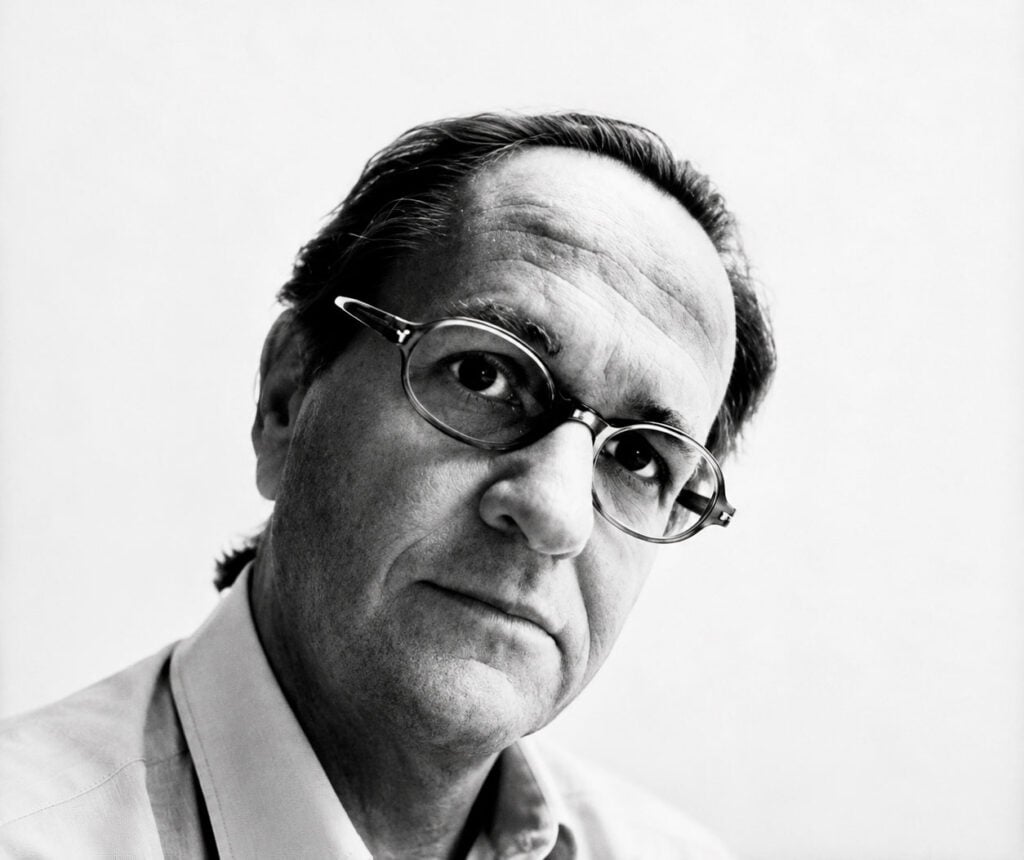
FN har inte råd att betala sina tjänstemän i Kosovo, meddelar FN administratören Bernard Kouchner idag.

I ett samtal i “Japan Press Club” i Tokyo med journalister hävdar Kouchner att FN-missionen i Kosovo (UNMIK) står inför en total krissituation, punkt. Vi måste betala tjänstemännen.” Somliga av arbetarna har inte fått lön i flera månader, och “det finns 0.00 D-mark i budgeten för Kosovo år 2000”, fortsatte Kouchner. “FN behöver 102 miljoner dollar för sin verksamhet,” tillade han.

“Det här är första gången i FN:s historia av fredsbevarande operationer som vi möter problem med budgeten, betalning av tjänstemän och organiseringen av en förvaltning”, sade Kouchner. “Det är därför det är så viktigt att inte bara erhålla löften utan även kontanter. Vi kan avvakta något när det gäller infrastrukturprojekten, men inte med utbetalning av löner till anställda. Vi måste betala dem.”

För en vecka sedan kritiserade den amerikanske utrikesministern Madeleine Albright det internationella samfundet för att det misslyckats med att efterleva sitt finansiella ansvar i Kosovo. “Tyvärr har en allvarlig finansieringskris uppstått”, sade hon. USA skulle bidra med ytterligare 10 miljoner US dollar och 100 polismän för operationen, tillade han.

USA kritiserar Europa för bristande engagemang

FN:s överhängande behov i Kosovo är, enligt polis kommissionären Sven Frederiksen, en specialpolis som tränats för att kontrollera uppror samt i försvarandet av FN byggnader och tjänstemän (Jerome Rivet, Agence France-Presse, 3 feb.).

“Om de länder som deltagit…vill ha en framgång, så måste de kunna ta fram personal”, sade han. “Vi behöver en internationell polis och behovet är desperat”.

Åtskilliga amerikanska senatorer uppmärksammade vad de anser vara en brist på europeiskt stöd för FN:s operationer på Balkan. I en “Armed Service Committe” hearing sade ordförande John Warner, en republikan från Virginia att; “FN och andra internationella organisationer som ansvarar för återuppbyggandet av de civila strukturerna i Bosnien och Kosovo helt enkelt inte utför sitt arbete”.

Senatorn Carl Levin, en demokrat från Michigan, tillade; “Jag är förbryllad över varför våra egna NATO-allierade inte har bidragit med fler poliser för tjänstgöring i deras egen bakgård. Den Europeiska Unionen, fortsatte han, har inte bidragit med något av de 35 miljoner US dollar de utlovat för återuppbyggnadsförsöken (Reuters/Central Europe Online, 3 feb.). “På mitt scorecard blir de europeiska länderna och EU underkända i testen”, sade han.

NATO generalen Wesley Clark upprepade behovet av ett stödjande av de polisiära ansträngningarna i Kosovo. “Vi har ett desperat och omedelbart behov av länder som kan bidra med ytterligare polis för att assistera vid detta viktiga uppdrag”, meddelade han kommittén (Sands/Pisik, Washington Times, 3 feb.).” Källa: http://www.unfoundation.org

Hur obscent det än förefaller, verkar det finnas ett outtalat samförstånd att efterkrigs-Serbien och Kosovo numera ska vara bortsuddade från den offentliga debatten. Här följer ett urval av frågor som vi inte förväntas föra en välinformerad offentlig debatt om:

• Att den internationella missionen ignorerar eller kränkar centrala delar av FN:s Säkerhetsråds resolution 1244 med anledning av vilken FN är i Kosovo/a;

• Att vi inte kan hjälpa de albaner som sitter fängslade i Serbien eftersom Väst officiellt inte vill beblanda sig med myndigheterna i Belgrad;

• Att NATO-ledare anklagas för krigsförbrytelser vid tribunalen i Hague, medan medborgare i NATO-länderna är mer eller mindre omedvetna om detta;

• Att det enligt internationella humanitära organisationer finns mellan 900.000 och 1.000.000 flyktingar i Serbien/Montenegro &endash; från Kroatien, Bonsien och Kosovo, d.v.s. fler än de albaner som flydde till Albanien och Makedonien och som lovades ett säkert återvändande;

• Att den största etniska rensningen som ägt rum på Balkan skedde framför ögonen på 45.000 NATO soldater, samt framför tusentals FN tjänstemän, polis, OSCE och NGO:s;

• Att CIA och andra “mörka” organisationer har erhållit miljoner av US för att underminera Jugoslaviens regering (s.k. Operation Matrix) liksom de lär ha varit aktiva före och under krisen;

• Att Väst upprätthåller sanktioner mot och isolering av Serbien, och därigenom skadas inte bara flyktingarna, men även de 9 miljoner multi-etniska invånarna i Serbien och Montenegro;

• Att media, med bara några få undantag, har upphört med att ställa frågor om allt detta;

• Att EU bara förser städer som styrs av de oppositionella partierna med olja. Därigenom bryter EU mot den mest centrala principen för humanitär hjälp: att mänskliga behov och mänskligt lidande ska vara det enda kriteriet vid hjälparbete;

• Att man aldrig hörde termen finansiell “kris” när NATO bombade och när 45.000 tungt beväpnade män gick in i området.

• Att kriminalitet, maffia aktivitet, korruption och prostitution skjutit i höjden i Kosovo sedan ankomsten av det internationella samfundet;

• Att det pågår ett fullskaligt krig bakom kulisserna om vem som ska utses till syndabock för denna mest falska policy efter det kalla krigets slut.

Detta är den sanna innebörden av västerländsk “humanitet”. Kosovo är numera “det vi inte talar om.” Förvisso handlar inte politik om etik, men vi förlöjligar demokratin när vi låter en handfull av mäktiga ledare komma undan utan att kräva dem på ansvar för konsekvenserna av sina handlingar.

Finns det EN ENDA regering i Europa som vågar sätta emot USA:s dominans och som vägrar att läxas upp (se ovan) av de amerikanska ledarna som dessutom är ansvariga för 90% eller mer av förödelsen i Kosovo och resten av Jugoslavien? Finns det EN ENDA europeisk regeringsledare som kan mobilisera den nödvändiga civil- courage och berätta vad det var som gick fel &endash; och som fortfarande är fel?

Det kan inte vara de stora länderna som iscensatte förödelsen, givetvis. Däremot skulle icke-NATO Sverige eller -Finland eller kanske NATO-Norge och -Danmark kunna. Den goda nyheten är att oberoende länder kan ha självständiga åsikter. Detta är vad internationell demokrati i grunden handlar om.

Den dåliga nyheten är att denna möjlighet ignoreras. De nordiska länderna har en lång och imponerande tradition av öppen debatt. Dessa länder brukade stödja FN, ha en stark förankring i internationell rätt och sist men inte minst föredrog de dialog framför vapen. Dessa länder brukade bry sig om rättvisa och hjälp till de mest behövande.

Tystnaden hos små länders regeringar om medansvaret för Balkantragedin är illavarslande. Det handlar faktiskt om Sveriges förmåga till självransakan, demokratisk debatt och kapacitet att föra självständig utrikespolitik. Och Europas Balkan-problem kommer inte att försvinna genom att man riktar strålkastarna mot Förintelsen eller använder Jörg Haider för att visa upp hur demokratiskt EU är.

Peace & future researcher + ‌Art Photographer

Related Posts

LONDON – So far so good, at least on the wider level. While internally Iraq seems on the edge of chaos, the much heralded clash of civilizations between the Muslim and Judaeo-Christian worlds has yet to become apparent. We have anger and despair aplenty in the Arab and Muslim worlds. But very little rushing to the standard and there was no great pilgrimage of warriors to join the fight, as happened when the Soviet Union invaded Afghanistan twenty years ago, and then, having driven the Red Army out, were left to ferment in that mountainous redoubt. With the armaments supplied by the CIA the mujahidin were transformed into Al Qaeda that became, for a relatively brief moment as these things go, ‘the greatest threat to the homeland that America has ever known.’ Nevertheless a ‘Cold War’ between much of the Muslim world and the West is certainly in full swing. Winston...
The Challenge of Nuclear Weaponsin the Twenty-first CenturyA Path Forward The peoples and governments of the world face an urgent challenge relating to weaponry of mass destruction and particularly to nuclear weaponry.  At the crossroads of technology, terrorism, geopolitical ambition, and policies of preemption are new and potent dangers for humanity. Despite ending the nuclear standoff of the Cold War era, nuclear weaponry is again menacing the peoples of the world with catastrophic possibilities.  We recognize the need for any government to pursue its security interests in accordance with international law; and further, we recognize that distinctive threats to these interests now exist as a result of an active international terrorist network having declared war on the United States and its allies. Nonetheless, we reject the assessment of the current US administration that upgrading a reliance on nuclear weapons is in any sense justified as a response. We find it...
By Karin Wegestal MP, the Social Democratic Partyon behalf of the Swedish Committee for Solidarity with the Yugoslav People During the last decade, the Federal Republic of Yugoslavia has received more than 500,000 refugees from Croatia and Bosnia, and another 300,000 internally displaced persons, mainly from the province Kosovo and Metohia. For a country with about ten million inhabitants, such an influx of homeless people is obviously a very heavy burden – even under peaceful conditions. But in addition to that, the Federal Republic of Yugoslavia has been the subject to sanctions from the western powers for close to ten years and its infrastructure was badly hurt through Nato’s intense bombardment during 78 days in 1999. The result of all this is that Yugoslavia, once the most developed industrial country in Eastern Europe, is today the poorest country in Europe. In Serbia excluding Kosovo, with about ten million inhabitants and...

Recent Articles

Tony Robinson October 4, 2026 Violence is easy to recognise when someone is being beaten, shot or killed. It becomes more difficult when nobody is holding a weapon. Poverty, discrimination, exploitation and repression can restrict a human life just as effectively, although they do so in very different ways and with very different consequences. Simply adding more categories to an ever-growing list of forms of violence does not really solve the problem. The more interesting question is what all these different situations have in common and why it makes sense to describe them using the same word. Human beings do not simply react to what happens around them. They remember the past, imagine things that do not yet exist, make plans and undertake projects. Workers organise because they imagine different working conditions; people migrate because they imagine another life somewhere else; social movements emerge because people refuse to accept the...
It’s a matter of principles, courage, vision and pulling together – while the militarist world is falling apart… Peter Langille October 3, 2026 “Here, then, is the problem which we present to you, stark and dreadful and inescapable: Shall we put an end to the human race; or shall mankind renounce war?”The Bertrand Russell—Albert Einstein Manifesto, July 9, 1955 ⁕ The forecast for what’s ahead is worrisome. The sharp rise in armed conflicts over the past three years is adding to what was already the highest level in over seventy years. Genocides, which should be prevented are supported. A shared climate emergency that jeopardises survival is ignored. Diverse polls now suggest that people are war-weary, worried and interested in a more effective United Nations. And, there are viable policy options for a more secure world! Yet governments are doubling-down, betting on more war and investing heavily. If current trends persist,...
Johan Galtung 1930-2024October 2015 Published here on October 3, 2026 Let us focus on Civilization for conflict analysis and remedies. Major forms of disorder use violence; war is state organized violence. The most belligerent states are the United States of America and Israel, both with civilization roots. National Evangelism, the US Protestant Christian civilization– more national than evangelical–justifies US warfare as exceptionalism of a people chosen by God, with a manifest destiny to run the world. Orthodox Judaism justifies Israeli warfare to conquer and expand from Nile to Euphrates as a religious right and duty to the Eternal One. The third most belligerent country, the UK, no longer believes it is God-chosen but chosen by the USA; not quite the same but something. But the root cause of global disorder lies in the Occident–with Islam–seeing itself as the single, universal civilization valid for all at all times, all others being...

TFF on Substack

Discover and subscribe to more peace materials on TFF Substack

Most Popular

Tony Robinson October 4, 2026 Violence is easy to recognise when someone is being beaten, shot or killed. It becomes more difficult when nobody is holding a weapon. Poverty, discrimination, exploitation and repression can restrict a human life just as effectively, although they do so in very different ways and with very different consequences. Simply adding more categories to an ever-growing list of forms of violence does not really solve the problem. The more interesting question is what all these different situations have in common and why it makes sense to describe them using the same word. Human beings do not simply react to what happens around them. They remember the past, imagine things that do not yet exist, make plans and undertake projects. Workers organise because they imagine different working conditions; people migrate because they imagine another life somewhere else; social movements emerge because people refuse to accept the...
It’s a matter of principles, courage, vision and pulling together – while the militarist world is falling apart… Peter Langille October 3, 2026 “Here, then, is the problem which we present to you, stark and dreadful and inescapable: Shall we put an end to the human race; or shall mankind renounce war?”The Bertrand Russell—Albert Einstein Manifesto, July 9, 1955 ⁕ The forecast for what’s ahead is worrisome. The sharp rise in armed conflicts over the past three years is adding to what was already the highest level in over seventy years. Genocides, which should be prevented are supported. A shared climate emergency that jeopardises survival is ignored. Diverse polls now suggest that people are war-weary, worried and interested in a more effective United Nations. And, there are viable policy options for a more secure world! Yet governments are doubling-down, betting on more war and investing heavily. If current trends persist,...
Johan Galtung 1930-2024October 2015 Published here on October 3, 2026 Let us focus on Civilization for conflict analysis and remedies. Major forms of disorder use violence; war is state organized violence. The most belligerent states are the United States of America and Israel, both with civilization roots. National Evangelism, the US Protestant Christian civilization– more national than evangelical–justifies US warfare as exceptionalism of a people chosen by God, with a manifest destiny to run the world. Orthodox Judaism justifies Israeli warfare to conquer and expand from Nile to Euphrates as a religious right and duty to the Eternal One. The third most belligerent country, the UK, no longer believes it is God-chosen but chosen by the USA; not quite the same but something. But the root cause of global disorder lies in the Occident–with Islam–seeing itself as the single, universal civilization valid for all at all times, all others being...
Read More
Living-Peace-Sign-Budapest-copy
Tony Robinson October 4, 2026 Violence is easy to recognise when someone is being beaten, shot or killed. It becomes more difficult when nobody is holding a weapon. Poverty, discrimination, exploitation and repression can restrict a human life just as effectively, although they do so in very different ways and with very different consequences. Simply adding more categories to an ever-growing list of forms of violence does not really solve the problem. The more interesting question is what all these different situations have in common and why it makes sense to describe them using the same word. Human beings do not simply react to what happens around them. They remember the past, imagine things that do not yet exist, make plans and undertake projects. Workers organise because they imagine different working conditions; people migrate because they imagine another life somewhere else; social movements emerge because people refuse to accept the...
b54a1f10-8c65-4f0b-9dd5-4abc0a7d04cc_2659x2659
It’s a matter of principles, courage, vision and pulling together – while the militarist world is falling apart… Peter Langille October 3, 2026 “Here, then, is the problem which we present to you, stark and dreadful and inescapable: Shall we put an end to the human race; or shall mankind renounce war?”The Bertrand Russell—Albert Einstein Manifesto, July 9, 1955 ⁕ The forecast for what’s ahead is worrisome. The sharp rise in armed conflicts over the past three years is adding to what was already the highest level in over seventy years. Genocides, which should be prevented are supported. A shared climate emergency that jeopardises survival is ignored. Diverse polls now suggest that people are war-weary, worried and interested in a more effective United Nations. And, there are viable policy options for a more secure world! Yet governments are doubling-down, betting on more war and investing heavily. If current trends persist,...
010
Johan Galtung 1930-2024October 2015 Published here on October 3, 2026 Let us focus on Civilization for conflict analysis and remedies. Major forms of disorder use violence; war is state organized violence. The most belligerent states are the United States of America and Israel, both with civilization roots. National Evangelism, the US Protestant Christian civilization– more national than evangelical–justifies US warfare as exceptionalism of a people chosen by God, with a manifest destiny to run the world. Orthodox Judaism justifies Israeli warfare to conquer and expand from Nile to Euphrates as a religious right and duty to the Eternal One. The third most belligerent country, the UK, no longer believes it is God-chosen but chosen by the USA; not quite the same but something. But the root cause of global disorder lies in the Occident–with Islam–seeing itself as the single, universal civilization valid for all at all times, all others being...
Screenshot 2026-10-02 011738
Jan ObergPhD, director, The Transnational Foundation for Peace and Future Research, TFFLund, Sweden October 2, 2026 This is my full original manuscript. The Chinese Academy of Social Science, CASS, makes two publications out if it. 1. China’s Five-year plan emphasized the capabilities of basic research and original innovation. It is regarded as the goal of the future social development, which, as required, should be significantly enhanced. Can you comment on the importance of original innovation in research and academic study? I believe it is easier to define “original innovation” in the natural sciences than in social sciences. The breaking points of what constitutes something new, or innovative, are not quite as sharp in the latter. But in both fields it is about opening up something that was closed, unseen, unexplored before – making manifest what was earlier latent. Innovations come in many forms and shapes – naming something that was not...
arctic-circle-map
The agreement is catastrophic both because of what it says and what it doesn’t mention. It reduces further the major asset of security policies: Freedom of action. Jan Oberg TFF director September 25, 2026 A couple of hours before the agreement was signed on September 22, 2026, I published the following 13 hypotheses about what it would most likely contain on TFF Substack (in English). I was wrong on only the first point. Contrary to what Trump had written on his Truth Social platform, it does not appear to come into force immediately. In fact, it turned out to be worse than even I had anticipated. After these hypotheses now come a number of reflections in light of what the agreement actually contains, and does not contain, as well as the way in which it has generally been presented by major media outlets and by the public-service broadcaster DR. My...
girl-5894831_1280
Below are TFF-related media mentions, comments, videos and social media posts published elsewhere but not on this homepage. We happen to catch and list only a fraction. Regarding video comments and debates, we recommend that you go to the TFF Video Channel on Substack where many of them are reproduced. Jan Oberg is a contributor to China Daily – 52 million daily clicks – and Global Times, CGTN and CCTV (the national television), China Investment, Xinhua News Agency and several others. Articles and videos on these media very often multiply into countless Chinese (and Western media) that re-post them from these main media. Thanks to The China Academy, his analyses, interviews and comments are frequently posted on YouTube channels such as Thinkers Forum and Wave Media. These videos are often re-posted on Bilibili (China’s YouTube), the China Content Center on TikTok, and on the Chinese edition of TikTok, Douyin.com. This means reaching hundreds of millions of viewers worldwide over a year. While there are too many to catch on all these...




