PressInfo #228 – Kosovo: Många valmöjligheter utom oberoende

Den serbiska provinsen Kosovo, huvudsakligen befolkad av den albanska separatistiskt inställda majoriteten, har inte lyckats tillgodose de grundläggande mänskliga rättigheter och den politiska standard som villkorats av världssamfundet, men icke desto mindre ska under de närmaste månaderna påbörjas samtal om dess framtida status.

Denna grundläggande slutsats av en länge emotsedd rapporten av FN:s särskilda utsände Kai Eide har godkänts av FN:s generalsekreterare Kofi Annan och fått fullständigt stöd från EU och USA, men paradoxen med detta har man inte lyckats avmystifiera.

För bara två och ett halvt år sedan krävde världssamfundet att samtal om Kosovos ställning inte skulle inledas innan man uppnått en viss standard i fråga om mänskliga rättigheter.

Men då det sedan dess har blivit allt klarare att den kosovoalbanska majoriteten är ovillig att tillgodose kriterierna och att FN inte förmår genomdriva dem, har förutsättningarna oavbrutet urvattnats tills den proklamerade politiken “standard före status” slutligen begravdes med Eides rapport.

Varför har det misslyckats? Är det på grund av rädsla för det kosovoalbanska hotet att förespråka våld om samtalen om Kosovos ställning inte snart inleds, eller var hela politiken en bluff från början?

Vad slags signal ger det i fråga om rättvisan i de aviserade samtalen? Kommer hoten om etniskt våld om man inte uppnår “enda valet för kosovoalbanerna &endash; oberoende” &endash; återigen att spela en roll? Eller kommer världssamfundet att övervinna sin rädsla och erbjuda både Pristina och Belgrad skäl att tro att lösningen skulle bli förhandlad och långsiktig istället för påtvingad, ensidig och konfliktalstrande?

De som förordar oberoende för Kosovo, som International Crisis Group, Wesley Clark, Richard Holbrooke och olika kongressledamöter i USA, hävdar att “oberoende är enda lösningen”. USA har mer trängande problem på annat håll. Men fullständigt oberoende kan inte framförhandlas, det kan bara påtvingas. Ett “oberoende Kosova” innefattar att kosovoalbanerna uppnår sitt maximimål med militära medel medan Belgrad och kosovoserberna och romerna inte ens skulle få sitt minimimål. Det blir ett recept för framtida bråk.

Det skulle också vara kontraproduktivt för Europa och USA: att ställa sig på kosovoalbanernas sida och isolera Serbien &endash; en i högsta grad mångetnisk, strategiskt betydelsefull, konstitutionell stat med en marknad på 10 miljoner människor &endash; skulle vara dumt. Att fortsätta att bestraffa Serbien och serberna kollektivt för Milosevics brutalitet skulle vara omoraliskt.

Ett “oberoende Kosova” skulle skapa ett farligt prejudikat för området, inte minst i Bosnien och Makedonien, för folkrätten, för den europeiska integrationen. Och blir det Kosovo, så varför då inte Taiwan, Tibet, Tjetjenien, Tamil Eelam, Kashmir? Världen har omkring 200 stater och 5000 etniska grupper. Vem skulle vilja se 4800 nya stater? Framtiden handlar om globalisering och integrering.

Oberoende skulle också bryta mot FN:s säkerhetsråds resolution 1244 om Kosovo från 1999. Inte ens med en fri tolkning godkänner resolutionen oberoende. Oberoende skulle belöna albanska extremister som har legat bakom den etniska rensningskampanjen mot de icke-albanska samhällena, det skulle uppmuntra dem som exporterade våldet från Kosovo till det angränsande södra Serbien och till Makedonien. Det ‘avväpnade’ protektoratet Kosovo spelade huvudrollen i alla dessa aktioner.

Resultatet av Milosevics auktoritära politik förhindrar klart att Kosovo återvänder till sin status före 1999. Belgrad erkänner detta i dag. Världssamfundet å sin sida vägrar att se att FN, Nato, EU och OSSE i Kosovo totalt har misslyckats med att skapa det mångetniska, toleranta och trygga Kosovo som de trodde att bombningarna skulle underlätta. Praktiskt taget inga av de 200 000 serberna och de tiotusentals andra icke-albaner som kände sig hotade av de albanska nationalisterna och terroristerna under 1999-2000 har återvänt.

Proportionellt sett är detta den största etbiska rensningen i det före detta Jugoslavien. En halv miljon serber i dagens Serbien, fördrivna från Kroatien, Bosnien och Kosovo, utgör Europas största &endash; men ignorerade &endash; flyktingproblem. Kosovos ekonomi är alltjämt förödd och maffiaintegrerad &endash; med 70% arbetslöshet.

Det finns aldrig bara en lösning på ett komplicerat problem. Mellan den gamla autonomin för Kosovo och fullständigt oberoende finns en mängd tänkbara valmöjligheter &endash; med kombinationer av inre och regionala faktorer. Alla borde finnas på förhandlingsbordet: ett medborgarnas Kosovo där etnisk bakgrund är irrelevant, kantonisering, förbund, konfederation, gemensam suveränitet, dubbel autonomi för minoriteter där och i södra Serbien, delning, internationell kontrollförvaltning, oberoende med särskilda betingelser som mjuka gränser, ingen armé och garantier för att Kosovo aldrig skall anslutas till Albanien. Minst kreativt av allt detta är “bara en lösning” som alla huvudaktörer i dag föreslår &endash; helt oförenlig med varje annan “bara en lösning”.

Slutligen kommer ingen formell status att fungera om folket fortsätter att hata och inte ser några utvecklingsmöjligheter. Om vi bortser ifrån mänskliga behov såsom faktor för att minska rädsla, genomföra djupgående försoning och åstadkomma ekonomisk återhämtning, kommer ett oberoende Kosovo att bli ännu en misslyckad stat, som kanske äts upp av inbördeskrig. Inte heller ett etniskt rent, enbart albanskt Kosovo är en garanti för regional stabilitet. Det skulle snart kunna bli en farlig börda för EU.

Kosovo rör framtiden för en provins i Serbien men rör även regionen och EU. Ja, Kosovo handlar också om global politik. FN, EU och USA borde nu i elfte timmen omvärdera sin politik efter 1990 och erkänna att det finns behov av ett mycket mer intellektuellt öppet och politiskt pluralistiskt sätt att ta itu med problemet än det som tidigare främjats. Rigiditet, principlöshet och önsketänkande kan återigen visa sig bli fiender till en hållbar fred i området.

TFF har hållit på med konfliktdämpande arbete i alla delar av det före detta Jugoslavien sedan 1991. Arbetsgrupper från TFF fungerade under 1990-talet som good-will-rådgivare åt både jugoslaviska regeringar och den nuvarande presidenten Ibrahim Rugovas kosovoalbanska ledning.

© TFF and the author 2005
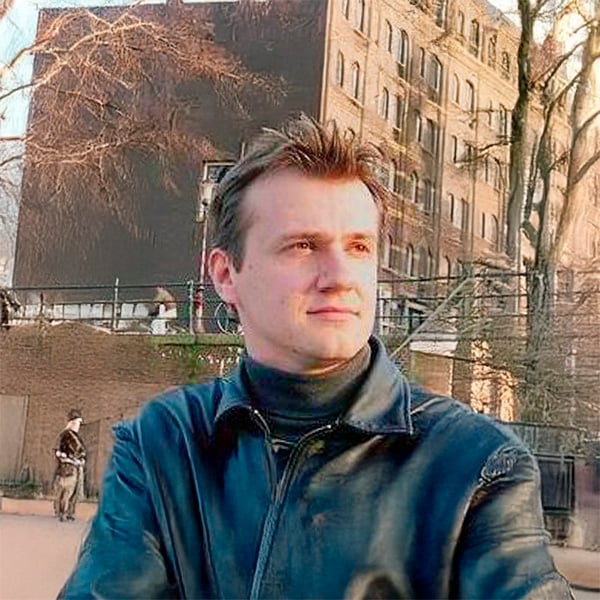
"September 2003 - present: PhD in Journalism and Communications, University of Belgrade. Working on the PhD thesis « Journalistic Responsibility in Crisis Situations : a Case-study Analysis of the Relationship between Media Management and Ethical Reporting ». 1996- 1997: Masters (M.A.) in International Affairs-Conflict Analysis, Carleton University, Ottawa Norman Paterson School of International Affairs, Carleton University, Ottawa. A-level GPA - Defended thesis ""with distinction"": ""Influence of the Media on Preventive Diplomacy: Three Cases from the Yugoslav Conflict"". 1992-1996: Bachelor of Journalism (B.J.) - Highest Honors in Journalism and Political Science, Carleton University, Ottawa"

Peace & future researcher + ‌Art Photographer

Related Posts

The agreement is catastrophic both because of what it says and what it doesn’t mention. It reduces further the major asset of security policies: Freedom of action. Jan Oberg TFF director September 25, 2026 A couple of hours before the agreement was signed on September 22, 2026, I published the following 13 hypotheses about what it would most likely contain on TFF Substack (in English). I was wrong on only the first point. Contrary to what Trump had written on his Truth Social platform, it does not appear to come into force immediately. In fact, it turned out to be worse than even I had anticipated. After these hypotheses now come a number of reflections in light of what the agreement actually contains, and does not contain, as well as the way in which it has generally been presented by major media outlets and by the public-service broadcaster DR. My...
Below are TFF-related media mentions, comments, videos and social media posts published elsewhere but not on this homepage. We happen to catch and list only a fraction. Regarding video comments and debates, we recommend that you go to the TFF Video Channel on Substack where many of them are reproduced. Jan Oberg is a contributor to China Daily – 52 million daily clicks – and Global Times, CGTN and CCTV (the national television), China Investment, Xinhua News Agency and several others. Articles and videos on these media very often multiply into countless Chinese (and Western media) that re-post them from these main media. Thanks to The China Academy, his analyses, interviews and comments are frequently posted on YouTube channels such as Thinkers Forum and Wave Media. These videos are often re-posted on Bilibili (China’s YouTube), the China Content Center on TikTok, and on the Chinese edition of TikTok, Douyin.com. This means reaching hundreds of millions of viewers worldwide over a year. While there are too many to catch on all these...
Jan Oberg May 15, 2026 Go to this Fox News page and scroll the whole way down: President Donald Trump tells the world that his meeting with President Xi Jinping yielded a lot of very concrete political and economic results – of course, only where the Chinese side, according to him, agreed with him. He does not mention the Taiwan issue, but Secretary of State, Marco Rubio, says that it did not feature prominently in their talks and that the US policy on Taiwan has not changed. Then go to China Daily – or Global Times – and you will see that for the Chinese it is framework, principles, structure of cooperation etc. that matters – all embedded in the overall idea of “constructive bilateral relationship of strategic stability.” Nowhere is any concrete agreement or deal – all that Trump refers to – mentioned. At the general level, this gives you insights into the very different social...

Recent Articles

Tony Robinson October 4, 2026 Violence is easy to recognise when someone is being beaten, shot or killed. It becomes more difficult when nobody is holding a weapon. Poverty, discrimination, exploitation and repression can restrict a human life just as effectively, although they do so in very different ways and with very different consequences. Simply adding more categories to an ever-growing list of forms of violence does not really solve the problem. The more interesting question is what all these different situations have in common and why it makes sense to describe them using the same word. Human beings do not simply react to what happens around them. They remember the past, imagine things that do not yet exist, make plans and undertake projects. Workers organise because they imagine different working conditions; people migrate because they imagine another life somewhere else; social movements emerge because people refuse to accept the...
It’s a matter of principles, courage, vision and pulling together – while the militarist world is falling apart… Peter Langille October 3, 2026 “Here, then, is the problem which we present to you, stark and dreadful and inescapable: Shall we put an end to the human race; or shall mankind renounce war?”The Bertrand Russell—Albert Einstein Manifesto, July 9, 1955 ⁕ The forecast for what’s ahead is worrisome. The sharp rise in armed conflicts over the past three years is adding to what was already the highest level in over seventy years. Genocides, which should be prevented are supported. A shared climate emergency that jeopardises survival is ignored. Diverse polls now suggest that people are war-weary, worried and interested in a more effective United Nations. And, there are viable policy options for a more secure world! Yet governments are doubling-down, betting on more war and investing heavily. If current trends persist,...
Johan Galtung 1930-2024October 2015 Published here on October 3, 2026 Let us focus on Civilization for conflict analysis and remedies. Major forms of disorder use violence; war is state organized violence. The most belligerent states are the United States of America and Israel, both with civilization roots. National Evangelism, the US Protestant Christian civilization– more national than evangelical–justifies US warfare as exceptionalism of a people chosen by God, with a manifest destiny to run the world. Orthodox Judaism justifies Israeli warfare to conquer and expand from Nile to Euphrates as a religious right and duty to the Eternal One. The third most belligerent country, the UK, no longer believes it is God-chosen but chosen by the USA; not quite the same but something. But the root cause of global disorder lies in the Occident–with Islam–seeing itself as the single, universal civilization valid for all at all times, all others being...

TFF on Substack

Discover and subscribe to more peace materials on TFF Substack

Most Popular

Tony Robinson October 4, 2026 Violence is easy to recognise when someone is being beaten, shot or killed. It becomes more difficult when nobody is holding a weapon. Poverty, discrimination, exploitation and repression can restrict a human life just as effectively, although they do so in very different ways and with very different consequences. Simply adding more categories to an ever-growing list of forms of violence does not really solve the problem. The more interesting question is what all these different situations have in common and why it makes sense to describe them using the same word. Human beings do not simply react to what happens around them. They remember the past, imagine things that do not yet exist, make plans and undertake projects. Workers organise because they imagine different working conditions; people migrate because they imagine another life somewhere else; social movements emerge because people refuse to accept the...
It’s a matter of principles, courage, vision and pulling together – while the militarist world is falling apart… Peter Langille October 3, 2026 “Here, then, is the problem which we present to you, stark and dreadful and inescapable: Shall we put an end to the human race; or shall mankind renounce war?”The Bertrand Russell—Albert Einstein Manifesto, July 9, 1955 ⁕ The forecast for what’s ahead is worrisome. The sharp rise in armed conflicts over the past three years is adding to what was already the highest level in over seventy years. Genocides, which should be prevented are supported. A shared climate emergency that jeopardises survival is ignored. Diverse polls now suggest that people are war-weary, worried and interested in a more effective United Nations. And, there are viable policy options for a more secure world! Yet governments are doubling-down, betting on more war and investing heavily. If current trends persist,...
Johan Galtung 1930-2024October 2015 Published here on October 3, 2026 Let us focus on Civilization for conflict analysis and remedies. Major forms of disorder use violence; war is state organized violence. The most belligerent states are the United States of America and Israel, both with civilization roots. National Evangelism, the US Protestant Christian civilization– more national than evangelical–justifies US warfare as exceptionalism of a people chosen by God, with a manifest destiny to run the world. Orthodox Judaism justifies Israeli warfare to conquer and expand from Nile to Euphrates as a religious right and duty to the Eternal One. The third most belligerent country, the UK, no longer believes it is God-chosen but chosen by the USA; not quite the same but something. But the root cause of global disorder lies in the Occident–with Islam–seeing itself as the single, universal civilization valid for all at all times, all others being...
Read More
Living-Peace-Sign-Budapest-copy
Tony Robinson October 4, 2026 Violence is easy to recognise when someone is being beaten, shot or killed. It becomes more difficult when nobody is holding a weapon. Poverty, discrimination, exploitation and repression can restrict a human life just as effectively, although they do so in very different ways and with very different consequences. Simply adding more categories to an ever-growing list of forms of violence does not really solve the problem. The more interesting question is what all these different situations have in common and why it makes sense to describe them using the same word. Human beings do not simply react to what happens around them. They remember the past, imagine things that do not yet exist, make plans and undertake projects. Workers organise because they imagine different working conditions; people migrate because they imagine another life somewhere else; social movements emerge because people refuse to accept the...
b54a1f10-8c65-4f0b-9dd5-4abc0a7d04cc_2659x2659
It’s a matter of principles, courage, vision and pulling together – while the militarist world is falling apart… Peter Langille October 3, 2026 “Here, then, is the problem which we present to you, stark and dreadful and inescapable: Shall we put an end to the human race; or shall mankind renounce war?”The Bertrand Russell—Albert Einstein Manifesto, July 9, 1955 ⁕ The forecast for what’s ahead is worrisome. The sharp rise in armed conflicts over the past three years is adding to what was already the highest level in over seventy years. Genocides, which should be prevented are supported. A shared climate emergency that jeopardises survival is ignored. Diverse polls now suggest that people are war-weary, worried and interested in a more effective United Nations. And, there are viable policy options for a more secure world! Yet governments are doubling-down, betting on more war and investing heavily. If current trends persist,...
010
Johan Galtung 1930-2024October 2015 Published here on October 3, 2026 Let us focus on Civilization for conflict analysis and remedies. Major forms of disorder use violence; war is state organized violence. The most belligerent states are the United States of America and Israel, both with civilization roots. National Evangelism, the US Protestant Christian civilization– more national than evangelical–justifies US warfare as exceptionalism of a people chosen by God, with a manifest destiny to run the world. Orthodox Judaism justifies Israeli warfare to conquer and expand from Nile to Euphrates as a religious right and duty to the Eternal One. The third most belligerent country, the UK, no longer believes it is God-chosen but chosen by the USA; not quite the same but something. But the root cause of global disorder lies in the Occident–with Islam–seeing itself as the single, universal civilization valid for all at all times, all others being...
Screenshot 2026-10-02 011738
Jan ObergPhD, director, The Transnational Foundation for Peace and Future Research, TFFLund, Sweden October 2, 2026 This is my full original manuscript. The Chinese Academy of Social Science, CASS, makes two publications out if it. 1. China’s Five-year plan emphasized the capabilities of basic research and original innovation. It is regarded as the goal of the future social development, which, as required, should be significantly enhanced. Can you comment on the importance of original innovation in research and academic study? I believe it is easier to define “original innovation” in the natural sciences than in social sciences. The breaking points of what constitutes something new, or innovative, are not quite as sharp in the latter. But in both fields it is about opening up something that was closed, unseen, unexplored before – making manifest what was earlier latent. Innovations come in many forms and shapes – naming something that was not...
arctic-circle-map
The agreement is catastrophic both because of what it says and what it doesn’t mention. It reduces further the major asset of security policies: Freedom of action. Jan Oberg TFF director September 25, 2026 A couple of hours before the agreement was signed on September 22, 2026, I published the following 13 hypotheses about what it would most likely contain on TFF Substack (in English). I was wrong on only the first point. Contrary to what Trump had written on his Truth Social platform, it does not appear to come into force immediately. In fact, it turned out to be worse than even I had anticipated. After these hypotheses now come a number of reflections in light of what the agreement actually contains, and does not contain, as well as the way in which it has generally been presented by major media outlets and by the public-service broadcaster DR. My...
girl-5894831_1280
Below are TFF-related media mentions, comments, videos and social media posts published elsewhere but not on this homepage. We happen to catch and list only a fraction. Regarding video comments and debates, we recommend that you go to the TFF Video Channel on Substack where many of them are reproduced. Jan Oberg is a contributor to China Daily – 52 million daily clicks – and Global Times, CGTN and CCTV (the national television), China Investment, Xinhua News Agency and several others. Articles and videos on these media very often multiply into countless Chinese (and Western media) that re-post them from these main media. Thanks to The China Academy, his analyses, interviews and comments are frequently posted on YouTube channels such as Thinkers Forum and Wave Media. These videos are often re-posted on Bilibili (China’s YouTube), the China Content Center on TikTok, and on the Chinese edition of TikTok, Douyin.com. This means reaching hundreds of millions of viewers worldwide over a year. While there are too many to catch on all these...