“Read the so-called Kosovo Peace Agreement being
discussed these very hours in Paris and you are in for a few
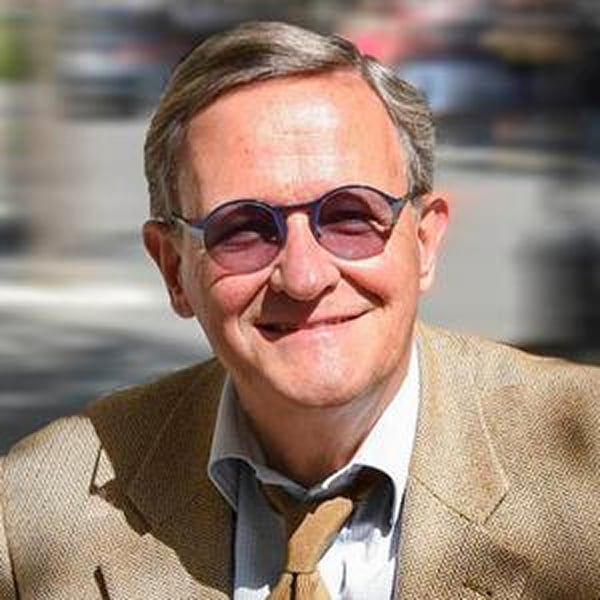
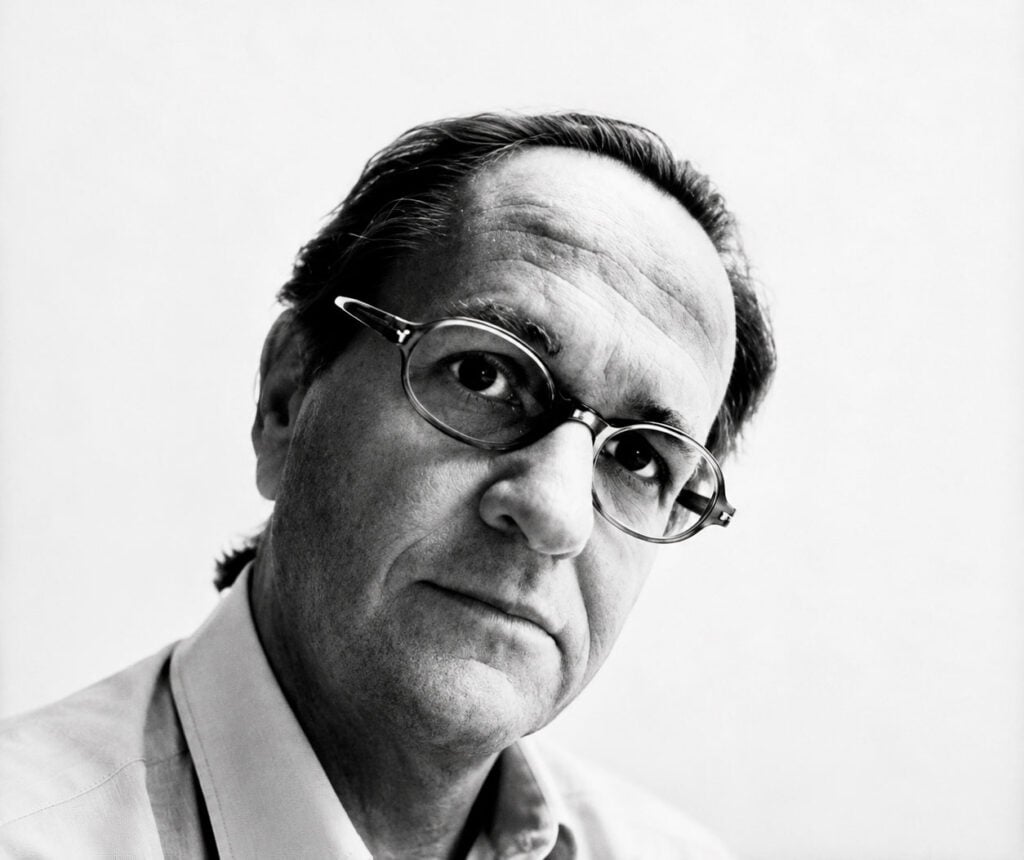
surprises,” says TFF director Dr. Jan Oberg. “I do not
think that any recognised, sovereign state would accept all
the CIVILIAN provisions and the MILITARY implementation
on its territory of a plan like this. No state likes to
receive “sign or be bombed” ultimatums – particularly not
when the said plan implies the de facto end of its status as
a sovereign state with territorial integrity.
The standard story with CNN, BBC, and leading papers
conveys the impression that the Serbs are just stubborn and
stall the peace negotiations, whereas the Albanian side is
co-operative, as evidenced by a letter from their delegation
leader of March 15. Yugoslavia deserves punishment while
Albanians are praised for their “courage to compromise for
peace.” That’s virtual reality and virtual truth. Real
reality is way more complicated,” says Oberg.
“You must have noticed that no one has raised the simple
question: Could there be some REASONS why Serbs say no and
Albanians indicate that they will say yes? Ask yourself why
media and diplomats discuss the game and the blame, not the
substance. Did YOU know,” asks Jan Oberg, “that the document
on the table, among other things, decides that:
• the self-governing Kosovo can influence Yugoslav
politics while the authorities of FRY, the Federal Republic
of Yugoslavia, are barred from influencing Kosovo’s internal
affairs? The Constitution and laws of Kosovo can not be
modified by FRY or by Serbia while Kosovo citizens shall be
elected to the Federal and Republican assemblies and
governments and to its courts;
• there is no definition of the term “national
communities” – used throughout the document as a basic
category – but talks about their “fair representation” and
their “additional rights.”
• the Agreement prevails over any other legislation,
i.e. of that of FRY?
• there shall be equal rights and equal access to
employment in public services but does not stipulate what
that means for the 10-20 per cent of the people in the
province who are NOT Albanians;
• the Implementation Mission, IM, shall have its own
radio and television in Kosovo;
• FRY is prevented from prosecuting crimes related
to the conflict and holds that past political and resistance
activities shall not be a bar to holding office in
Kosovo;
• the decisions of the Kosovo Supreme Court shall be
executed by all FRY authorities;
• the communal boundaries can be changed – which, in
its consequences, will permit gerry-mandering to create
majority compacts;
• OSCE will supervise an election program in
consultation with the Parties; FRY is not considered capable
of holding elections;
• the Chief of the OSCE/EU Implementation Mission,
CIM, has the authority to issue binding directives to the
Parties on all important matters he sees fit; like in Bosnia
he can dismiss public security personnel and he can remove
and appoint officials and curtail existing institutions –
meaning he can overrule election results; there is no
mention of FRY veto in any area;
• Kosovo shall function as a free market economy, as
laid down in its “constitution;”
• FRY shall give Kosovo an equitable share of of
benefits derived from international transactions while the
economic resources and profits of the province shall be
reallocated with “the distribution of powers and
responsibilities set forth in this agreement.” This
hardly clarifies what to do with the province’s considerable
natural resources and industrial facilities;
• Substantial economic aid and a donor’s conference
is promised. There is no mention of help to normalise the
Yugoslav economy, suspend sanctions or otherwise help the
650.000 refugees in FRY, the largest number in Europe;
• three years ahead an international meeting shall
be convened “to determine a mechanism for a final settlement
for Kosovo, on the basis of the will of the people, opinions
of the relevant authorities” etc. It does not state who
shall convene this meeting; the Contact Group could have
changed or been dissolved or replaced by then. Why is the
word “referendum” not used? If 85 per cent of Kosovo’s
citizens are Albanians, one may guess that the will of the
people means an independent Kosova. The Serbs in Kosovo and
FRY of course know this, and the document states nothing
about such conditions, e.g. that an independent Kosova can
not unite with Albania.
• Finally, the civilian parts of the document lacks
every reference to civilian peace-keeping, trust-building,
civil society-based reconciliation, conflict-resolution
training, support for NGOs, peace education or human rights
training etc. So the chances that Albanians, Serbs and other
citizens should begin to build trust and learn to live
peacefully side by side during these three years is nil.
“There are two types of semantic tricks in this text: One
is that the sovereign, recognised state of Yugoslavia is
treated in terms of language and provisions on an equal
footing with the Albanian self-proclaimed, non-recognized
Kosova and its military unit, the Kosovo Liberation Army,
KLA. But this is a legal document, so it implies that – in
practical terms – 70-80 per cent of the provisions and
requirements are directed at the FRY, not at Kosova, since
only the former has the institutions, legal means and
enforcement capacity to comply. So, in most cases when the
document states what “the Parties” shall do, it applies
actually only to the FRY.
The second is that the document repeatedly states respect
for FRY’s sovereignty and integrity while grossly
interfering with it in two ways: a) by establishing clearly
asymmetric relations of influence and obligations between
FRY and the self-governing Kosovo, and b) by making the
Civilian Chief of Implementation Mission, CIM, the de facto
ruler of the province, modelled upon the Dayton Accords and
its Office of the High Representative.
This document is freely available on the Internet. Why
are these things not analysed? Why do we not have a
qualified debate about whether or not this is a fair, trust-
and peace-building settlement? Why only the focus on
the game and NOT on what the problems and issues are? This
is not a sports event, what is at stake is the lives of
around 10 million people and future generations.
According to my best judgment NO state in the West –
least of all those of the Contact Group – would even
consider granting self-government along these lines or being
bullied into it by military threats and a military
implementation,” says Dr. Oberg who has worked with TFF
mitigation-team in this conflict region since 1992. He
concludes:
“Chapter 7, the Military Implementation of the Agreement,
is most interesting. We are happy to provide you with
insights into that, too. Did you know, for instance, that
the Agreement does NOT mention the word KLA? That it
makes NATO the highest military authority on that territory
of sovereign Yugoslavia? That FRY is barred from defining
its border defence, and that KLA’s demilitarisation is not
defined in the agreement? More about that in TFF PressInfo
58…”
Go to http://www.transnational.org, “Highlight”
or “Links” to find the
Kosovo Interim Agreement!
© TFF 1999
• You are welcome to re-print, copy, archive, quote
from or re-post this item, but please retain the source.
• TFF’s website has all the relevant links to Iraq,
the Balkans, including media there + peace research, and
non-violence
• Teacher, activist, journalist?? You’ll always find
something interesting at TFF.
• Get your daily global news from the leading media
on TFF’s site, all in one place.