
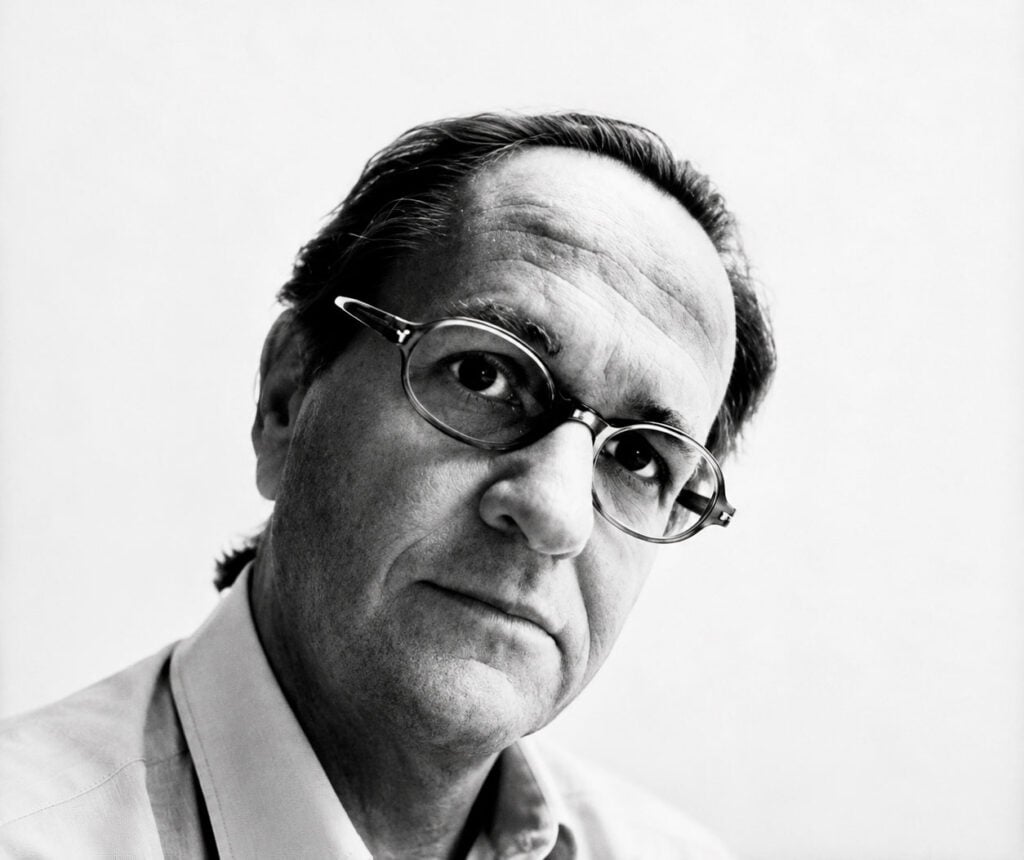
Lovende initiativ af Anders Fogh Rasmussen til en Mellemøsten-Europa fredsproces

Grundlovsdag – 5. juni, 2003

I sin tale den 9. maj på Woodrow Wilson Centret i USA Washington løftede statsministeren sløret for et initiativ for sikkerhed og samarbejde mellem Europa og Mellemøsten. Fogh Rasmussen ønsker en dialog mellem Europa og Mellemøsten inspireret af den OSCE-proces, der fra 1975 bidrog så stærkt til at nedbryde fjendskabet i vort fælles Europa.

Sådan et initiativ har længe været savnet. Det er i grunden visionært i en tid hvor kortsigtede og hårdtslående midler ellers dyrkes. Og det er godt timet. Selvom der er grunde til at være pessimistisk om køreplanen for fred mellem Israel og Palæstina, er der dog nu kommet positive toner fra Tel Aviv; og uden en grundig dialog mellem netop Europa og Mellemøsten kan vi hverken få løst de gamle problemer eller reparere det fornyede fjendskab mod Vesten, som krigen mod og besættelsen af Irak har forårsaget.

Fogh Rasmussens greb om problemet er forsonende og bygger på ‘blød’ snarere end ‘hård’ magt. Statsministeren støtter den tanke, at der ikke findes noget quick fix på så vanvittigt komplicerede problemer som de mellemøstlige. Derfor kæder han – helt i OSCEs ånd – de ting sammen, der rettelig hører sammen: sikkerhed handler i bund og grund om udvikling, økonomi, uddannelse, civilsamfund, demokrati, tolerance, ligeværdigt samarbejde mellem kulturer og menneskerettigheder. Og han understreger kraftigt, at Israel-Palæstina konflikten kræver en to-stats løsning uden hvilken der slet ikke bliver nogen fremgang i Mellemøsten eller i vores relationer til menneskene dér.

Statsministeren bruger altså et stykke vellykket europæisk historie til at skitsere en vej til en bedre fremtid for Mellemøsten og dermed for os alle. Hans tale var en perspektivering, ikke en konkret plan. Vi tror det er afgørende at man dels konkretiserer denne perspektivering, så den nærmer sig en plan og dels fastholder et udtalt humanistisk perspektiv. Her skal vi nævne nogle konkretiseringer, som vi finder nødvendige, hvis processen skal føre til holdbar sikkerhed og udvikling af et bedre forhold mellem os i Europa og dem i Mellemøsten.

1. Grundlaget for det humanistiske perspektiv må være ligeværd, ægte ligeværd. At statsministeren direkte nævner at formålet er at “modernisere” regionen er velment, men bør overvejes strøget. Folk i Mellemøsten skal ikke lære mere af os end vi skal være parate til at lære af dem, da vi hverken er bedre mennesker eller har rigere historie og kulturer end dem. Det er derfor godt, at statsministeren udtrykkeligt understreger, at der skal være gensidig tolerance, at det ikke må blive et nyt korstog og at alt, hvad der foregår skal være acceptabelt for de mennesker der berøres. Altså må vi europæerer opgive vores tilbøjelighed til envejskommunikation, belæring og kulturimperialisme. Let bliver det naturligvis ikke.

2. Hvad angår ligeværd bør man nok overveje fra starten at få drøftet værdier og kriterier for det fælles arbejde og indbygger en konflikthåndterende mekanisme i selve processen. Den vil kun kunne lykkes, hvis man i starten gennemfører nogle professionelt faciliterede samtaler om hvordan begreber som “udvikling”, “demokrati”, “dialog,” forstås i den arabiske verden og i Europa. Hele initiativet kan, set i et historisk bakspejl – fordi man jo utvivlsomt mener det godt – let forfalde til at “det er os, der skal lære dem at…” eller “da det jo er dem, der skal moderniseres, er det vores moderne Vesterlands definitioner og kriterier, der bør gælde i processen.” Disse ofte ubevidste antagelser vil, trods alle forsikringer om det modsatte, påvirke udfaldet negativt hvis de ikke holdes op og debatteres åbent. Den enkelte diplomats evne til indlevelse er derfor essentiel.

3. Derfor skal vi europæere nok kaste et kritisk blik på vores egen fremfærd i verden, spørge os selv om hvor gode vi har været til at skabe varige og bredt accepterede resultater for andre folkeslag. Selvom mange vil benægte det, så er der utallige eksempler på at Vestens civilisatoriske missioner har slået fejl, gjort ubodelig skade og skabt had og ydmygelse, og at “vi” har fået mere ud af det end “dem”. Det gælder ikke mindst i forholdet til den arabiske verden, selvom der også findes en betydelig fascination af vores kultur.

4. Det må konkretiseres, hvem parterne i processen bør være, hvilke lande og organisationer. I strukturen ligger nøglen til resultaterne. Et ligeværdigt samarbejde mellem organisationer som FN, OSCE, EU samt den Arabiske Liga, OPEC, Organisationen for den Islamiske konference kan vise, at der er tale om et bredt partnerskab og en bred behandling af problemområder – og at den europæiske hensigt ikke er at belære og styre. Og vi må huske at Tyrkiet, Rusland og de øvrige tidligere Warszawapagt-lande indgår i Europa.

5. Det er nødvendigt at et bredt spektrum af civilsamfunds-organisationer involveres &endash; foreninger der står for det humanitære, for kvinders ligestilling, fred, uddannelse, religioner, økumeni, økologi og kultur. Ikke blot mainstream grupper men også dem, der står for “den anden side” både i Mellemøsten og i Europa. En proces i hvilken NGOerne er henvist til nogle parallelle, underordnede begivenheder er dødfødt, og statsministeren nævner netop i sin tale de utallige indsatser der gøres i det civile samfund.

6. Enhver fredsproces handler om fælles møder om fælles interesser men også om en kortlægning af hvad parterne ser som negativt og som en trussel hos “de andre”. Altså må tusinder af mellemfolkelige dialoger bringes til at blomstre hér og dér for at udvikle tilliden og den gensidige forståelse. Også hér blir der brug for træning i konfliktløsning.

7. Der vil i hele samarbejdsprocessen være et stort behov for praktisk viden og træning i konflikthåndtering, forsoning, ikkevold, fredsundervisning, tolerance, fredskulturens muligheder, fremtidstænkning især for unge, men sandelig også for de politikere og embedsmænd, der deltager i processen. Derfor foreslår vi at der tilbydes kurser i konfliktarbejde for alle, som skal deltage i konferencerne. Som undervisere kan bruges folk fra de mange centre for konfliktløsning, som findes såvel i Mellemøsten som i Europa.

8. Det bliver helt nødvendigt at øge den fælles forståelse for kristendommens og islams ikkevoldelige budskaber. Man kan eksempelvis ikke fortænke folk i Mellemøsten i at have det indtryk, at kristendommen er streng, straffende og voldelig – og naturligvis kan enhver europæer i disse tider se de voldelige elementer i den muslimske verdens kulturer og måder at føre politik på. Så vi må udforske de fælles medmenneskelige rødder i religionerne og deres principielle støtte til lighed, solidaritet og medfølelse. Kort sagt, der trænges til viden om den bløde magt i religionerne.

9. Tryghed, sikkerhed og forsvar er grundlæggende for om folk tør række hånden ud og give freden en chance. Her kunne statsministerens udspil suppleres med konkrete tiltag som reduktion af/stop for våbenhandel, alternative defensive former for militært forsvar, ikkevolds træning, oprettelse af europæisk-mellemøstlige institutioner, der arbejder med konflikthåndtering og i tide dæmmer op for enhver konflikts eskalering til vold og krig.

10. Et naturligt element kunne omfatte en gennemførelse af FNs Sikkerhedsresolution 687 fra 1991, der foreskriver at hele Mellemøsten skal blive en zone fri for masseødelæggende våben. Her vil det naturlige spørgsmål set fra den arabiske verdens – og det er den, der er blevet invaderet af os, ikke omvendt &endash; være : hvad vil I i Europa så gøre til gengæld, så vi i fællesskab nedbringer spændinger og krigsrisikoen i fremtiden? Det spørgsmål må vi forberede svar på.

11. Statsministerens initiativ kan betragtes som en vældig inspiration for resten af EU, der som bekendt ikke har en fælles udenrigs- og sikkerhedspolitik og heller ikke synes at bevæge sig i den retning. Derfor bør den danske plan søges gennemført af en “koalition af de villige” i og udenfor EU og ikke bremses eller skrottes af diverse nationale interesser i Europa. Det er bedre at nogen gør noget og viser vejen fremad, end at flertallet sidder og iagttager at de store kører deres eget løb.

Mangfoldighed er en af Europas kulturelle og intellektuelle rigdomme. Og vi i Norden har ligget ret fladt diplomatisk i 12 år på Balkan og mere eller mindre aktivt støttet USA’s blindgyde-politik i f.eks. Afghanistan. Så det er faktisk rigtigt prisværdigt hvis vi – Danmark, Norden eller EU – kunne gøre noget nyt, langsigtet og respektabelt i forhold til Mellemøsten.

Hvis Fogh Rasmussens idé bliver til en helstøbt plan, der bakkes energisk op af ligesindede aktører kan det ske, at vi får nogle nye venner, der også vil støtte en dansk stol i FNs Sikkerhedsråd 2005-2006 sådan som han håber. Men idéen bør blive til en handlingsplan og frem for alt fokusere på visionen om en fælles fredskultur, der jo i grunden kæder en kristen, en jødisk og en muslimsk-arabisk drøm sammen. Og intet kunne underminere såvel statslig som privat terrorisme så effektivt som netop en både visionær og konkret skridt-for-skridt proces mod de store mål: fred, demokrati og retfærdighed opnået gennem dialog.
Related Posts

LONDON – So far so good, at least on the wider level. While internally Iraq seems on the edge of chaos, the much heralded clash of civilizations between the Muslim and Judaeo-Christian worlds has yet to become apparent. We have anger and despair aplenty in the Arab and Muslim worlds. But very little rushing to the standard and there was no great pilgrimage of warriors to join the fight, as happened when the Soviet Union invaded Afghanistan twenty years ago, and then, having driven the Red Army out, were left to ferment in that mountainous redoubt. With the armaments supplied by the CIA the mujahidin were transformed into Al Qaeda that became, for a relatively brief moment as these things go, ‘the greatest threat to the homeland that America has ever known.’ Nevertheless a ‘Cold War’ between much of the Muslim world and the West is certainly in full swing. Winston...
The Challenge of Nuclear Weaponsin the Twenty-first CenturyA Path Forward The peoples and governments of the world face an urgent challenge relating to weaponry of mass destruction and particularly to nuclear weaponry.  At the crossroads of technology, terrorism, geopolitical ambition, and policies of preemption are new and potent dangers for humanity. Despite ending the nuclear standoff of the Cold War era, nuclear weaponry is again menacing the peoples of the world with catastrophic possibilities.  We recognize the need for any government to pursue its security interests in accordance with international law; and further, we recognize that distinctive threats to these interests now exist as a result of an active international terrorist network having declared war on the United States and its allies. Nonetheless, we reject the assessment of the current US administration that upgrading a reliance on nuclear weapons is in any sense justified as a response. We find it...
By Karin Wegestal MP, the Social Democratic Partyon behalf of the Swedish Committee for Solidarity with the Yugoslav People During the last decade, the Federal Republic of Yugoslavia has received more than 500,000 refugees from Croatia and Bosnia, and another 300,000 internally displaced persons, mainly from the province Kosovo and Metohia. For a country with about ten million inhabitants, such an influx of homeless people is obviously a very heavy burden – even under peaceful conditions. But in addition to that, the Federal Republic of Yugoslavia has been the subject to sanctions from the western powers for close to ten years and its infrastructure was badly hurt through Nato’s intense bombardment during 78 days in 1999. The result of all this is that Yugoslavia, once the most developed industrial country in Eastern Europe, is today the poorest country in Europe. In Serbia excluding Kosovo, with about ten million inhabitants and...

Recent Articles

Tony Robinson October 4, 2026 Violence is easy to recognise when someone is being beaten, shot or killed. It becomes more difficult when nobody is holding a weapon. Poverty, discrimination, exploitation and repression can restrict a human life just as effectively, although they do so in very different ways and with very different consequences. Simply adding more categories to an ever-growing list of forms of violence does not really solve the problem. The more interesting question is what all these different situations have in common and why it makes sense to describe them using the same word. Human beings do not simply react to what happens around them. They remember the past, imagine things that do not yet exist, make plans and undertake projects. Workers organise because they imagine different working conditions; people migrate because they imagine another life somewhere else; social movements emerge because people refuse to accept the...
It’s a matter of principles, courage, vision and pulling together – while the militarist world is falling apart… Peter Langille October 3, 2026 “Here, then, is the problem which we present to you, stark and dreadful and inescapable: Shall we put an end to the human race; or shall mankind renounce war?”The Bertrand Russell—Albert Einstein Manifesto, July 9, 1955 ⁕ The forecast for what’s ahead is worrisome. The sharp rise in armed conflicts over the past three years is adding to what was already the highest level in over seventy years. Genocides, which should be prevented are supported. A shared climate emergency that jeopardises survival is ignored. Diverse polls now suggest that people are war-weary, worried and interested in a more effective United Nations. And, there are viable policy options for a more secure world! Yet governments are doubling-down, betting on more war and investing heavily. If current trends persist,...
Johan Galtung 1930-2024October 2015 Published here on October 3, 2026 Let us focus on Civilization for conflict analysis and remedies. Major forms of disorder use violence; war is state organized violence. The most belligerent states are the United States of America and Israel, both with civilization roots. National Evangelism, the US Protestant Christian civilization– more national than evangelical–justifies US warfare as exceptionalism of a people chosen by God, with a manifest destiny to run the world. Orthodox Judaism justifies Israeli warfare to conquer and expand from Nile to Euphrates as a religious right and duty to the Eternal One. The third most belligerent country, the UK, no longer believes it is God-chosen but chosen by the USA; not quite the same but something. But the root cause of global disorder lies in the Occident–with Islam–seeing itself as the single, universal civilization valid for all at all times, all others being...

TFF on Substack

Discover and subscribe to more peace materials on TFF Substack

Most Popular

Tony Robinson October 4, 2026 Violence is easy to recognise when someone is being beaten, shot or killed. It becomes more difficult when nobody is holding a weapon. Poverty, discrimination, exploitation and repression can restrict a human life just as effectively, although they do so in very different ways and with very different consequences. Simply adding more categories to an ever-growing list of forms of violence does not really solve the problem. The more interesting question is what all these different situations have in common and why it makes sense to describe them using the same word. Human beings do not simply react to what happens around them. They remember the past, imagine things that do not yet exist, make plans and undertake projects. Workers organise because they imagine different working conditions; people migrate because they imagine another life somewhere else; social movements emerge because people refuse to accept the...
It’s a matter of principles, courage, vision and pulling together – while the militarist world is falling apart… Peter Langille October 3, 2026 “Here, then, is the problem which we present to you, stark and dreadful and inescapable: Shall we put an end to the human race; or shall mankind renounce war?”The Bertrand Russell—Albert Einstein Manifesto, July 9, 1955 ⁕ The forecast for what’s ahead is worrisome. The sharp rise in armed conflicts over the past three years is adding to what was already the highest level in over seventy years. Genocides, which should be prevented are supported. A shared climate emergency that jeopardises survival is ignored. Diverse polls now suggest that people are war-weary, worried and interested in a more effective United Nations. And, there are viable policy options for a more secure world! Yet governments are doubling-down, betting on more war and investing heavily. If current trends persist,...
Johan Galtung 1930-2024October 2015 Published here on October 3, 2026 Let us focus on Civilization for conflict analysis and remedies. Major forms of disorder use violence; war is state organized violence. The most belligerent states are the United States of America and Israel, both with civilization roots. National Evangelism, the US Protestant Christian civilization– more national than evangelical–justifies US warfare as exceptionalism of a people chosen by God, with a manifest destiny to run the world. Orthodox Judaism justifies Israeli warfare to conquer and expand from Nile to Euphrates as a religious right and duty to the Eternal One. The third most belligerent country, the UK, no longer believes it is God-chosen but chosen by the USA; not quite the same but something. But the root cause of global disorder lies in the Occident–with Islam–seeing itself as the single, universal civilization valid for all at all times, all others being...
Read More
Living-Peace-Sign-Budapest-copy
Tony Robinson October 4, 2026 Violence is easy to recognise when someone is being beaten, shot or killed. It becomes more difficult when nobody is holding a weapon. Poverty, discrimination, exploitation and repression can restrict a human life just as effectively, although they do so in very different ways and with very different consequences. Simply adding more categories to an ever-growing list of forms of violence does not really solve the problem. The more interesting question is what all these different situations have in common and why it makes sense to describe them using the same word. Human beings do not simply react to what happens around them. They remember the past, imagine things that do not yet exist, make plans and undertake projects. Workers organise because they imagine different working conditions; people migrate because they imagine another life somewhere else; social movements emerge because people refuse to accept the...
b54a1f10-8c65-4f0b-9dd5-4abc0a7d04cc_2659x2659
It’s a matter of principles, courage, vision and pulling together – while the militarist world is falling apart… Peter Langille October 3, 2026 “Here, then, is the problem which we present to you, stark and dreadful and inescapable: Shall we put an end to the human race; or shall mankind renounce war?”The Bertrand Russell—Albert Einstein Manifesto, July 9, 1955 ⁕ The forecast for what’s ahead is worrisome. The sharp rise in armed conflicts over the past three years is adding to what was already the highest level in over seventy years. Genocides, which should be prevented are supported. A shared climate emergency that jeopardises survival is ignored. Diverse polls now suggest that people are war-weary, worried and interested in a more effective United Nations. And, there are viable policy options for a more secure world! Yet governments are doubling-down, betting on more war and investing heavily. If current trends persist,...
010
Johan Galtung 1930-2024October 2015 Published here on October 3, 2026 Let us focus on Civilization for conflict analysis and remedies. Major forms of disorder use violence; war is state organized violence. The most belligerent states are the United States of America and Israel, both with civilization roots. National Evangelism, the US Protestant Christian civilization– more national than evangelical–justifies US warfare as exceptionalism of a people chosen by God, with a manifest destiny to run the world. Orthodox Judaism justifies Israeli warfare to conquer and expand from Nile to Euphrates as a religious right and duty to the Eternal One. The third most belligerent country, the UK, no longer believes it is God-chosen but chosen by the USA; not quite the same but something. But the root cause of global disorder lies in the Occident–with Islam–seeing itself as the single, universal civilization valid for all at all times, all others being...
Screenshot 2026-10-02 011738
Jan ObergPhD, director, The Transnational Foundation for Peace and Future Research, TFFLund, Sweden October 2, 2026 This is my full original manuscript. The Chinese Academy of Social Science, CASS, makes two publications out if it. 1. China’s Five-year plan emphasized the capabilities of basic research and original innovation. It is regarded as the goal of the future social development, which, as required, should be significantly enhanced. Can you comment on the importance of original innovation in research and academic study? I believe it is easier to define “original innovation” in the natural sciences than in social sciences. The breaking points of what constitutes something new, or innovative, are not quite as sharp in the latter. But in both fields it is about opening up something that was closed, unseen, unexplored before – making manifest what was earlier latent. Innovations come in many forms and shapes – naming something that was not...
arctic-circle-map
The agreement is catastrophic both because of what it says and what it doesn’t mention. It reduces further the major asset of security policies: Freedom of action. Jan Oberg TFF director September 25, 2026 A couple of hours before the agreement was signed on September 22, 2026, I published the following 13 hypotheses about what it would most likely contain on TFF Substack (in English). I was wrong on only the first point. Contrary to what Trump had written on his Truth Social platform, it does not appear to come into force immediately. In fact, it turned out to be worse than even I had anticipated. After these hypotheses now come a number of reflections in light of what the agreement actually contains, and does not contain, as well as the way in which it has generally been presented by major media outlets and by the public-service broadcaster DR. My...
girl-5894831_1280
Below are TFF-related media mentions, comments, videos and social media posts published elsewhere but not on this homepage. We happen to catch and list only a fraction. Regarding video comments and debates, we recommend that you go to the TFF Video Channel on Substack where many of them are reproduced. Jan Oberg is a contributor to China Daily – 52 million daily clicks – and Global Times, CGTN and CCTV (the national television), China Investment, Xinhua News Agency and several others. Articles and videos on these media very often multiply into countless Chinese (and Western media) that re-post them from these main media. Thanks to The China Academy, his analyses, interviews and comments are frequently posted on YouTube channels such as Thinkers Forum and Wave Media. These videos are often re-posted on Bilibili (China’s YouTube), the China Content Center on TikTok, and on the Chinese edition of TikTok, Douyin.com. This means reaching hundreds of millions of viewers worldwide over a year. While there are too many to catch on all these...





