
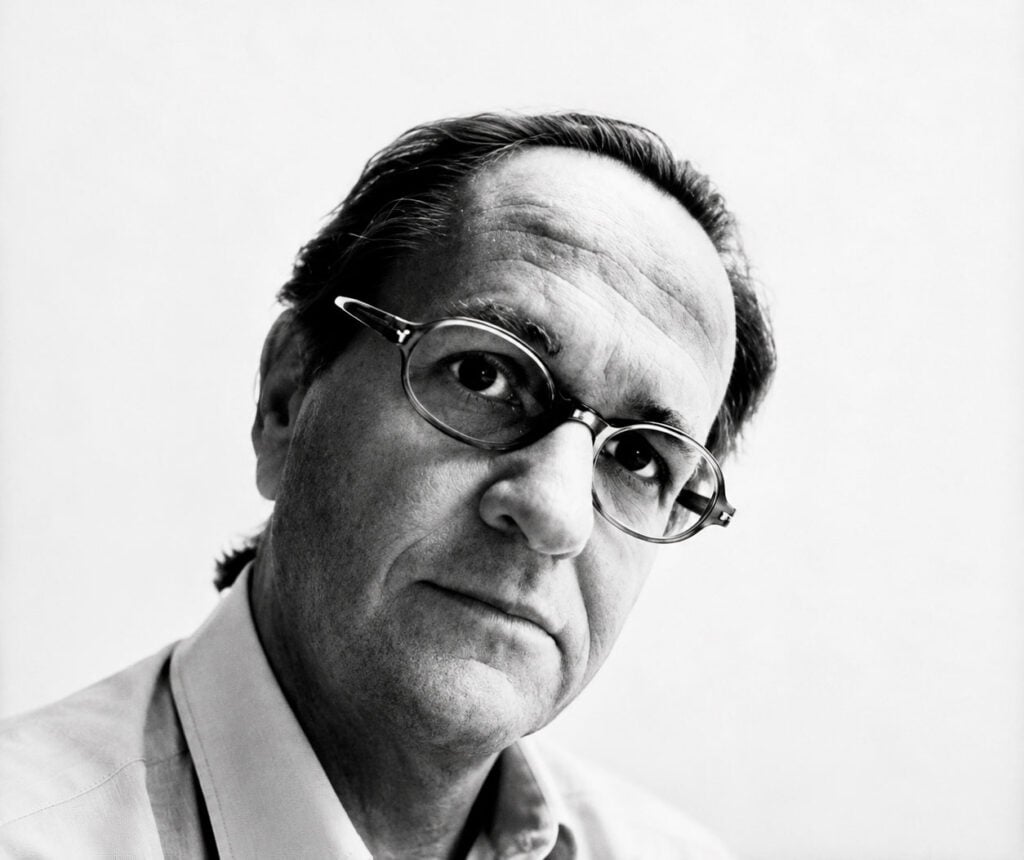

Vi skulle have gjort noget af dette i stedet for krig…

/10/janoberg.jpg”>[/caption]

Åbn øjnene for muligheder istedet for “Øje for øje”

Princippet om øje for øje vil en dag gøre hele verden blind – som Gandhi, der den 2. oktober fødtes for 145 år siden, så klogt sagde.

Det er imidlertid dét princip den danske regering, et stort flertal i Folketinget og efter sigende 62% af den danske befolkning nu følger når Danmark går i krig for 5. gang på 15 år.

Danmark bomber sammen med de store NATO-lande USA, England og Frankrig og så nogle arabiske småstater. Ud af 193 lande i verden!

Som kritiker af en militaristisk – men ikke aktiv – udenrigspolitik får jeg ofte spørgsmålet hvad Danmark (jeg siger ikke ”vi”) i stedet skulle have gjort.

Svarene forudsætter dels en anden måde at tænke på og en vis uddannelse og dels nogle konkrete ideer, der skulle kunne implementeres.

Her er nogle hurtigt nedfældede svar på de to dimensioner – ingen rangordning, tingene er alle vigtige:

Tænkemaade og (ud)dannelse

– Lær noget af de tidligere krige. Det er gået ret skidt og ingen af antagelserne forud for dem holdt stik. Dette er specielt vigtigt hér fordi ISIS i hovedsagen er et resultat af besættelsen af Irak.

– Indse at terrorismen ikke kan nedkæmpes ved at slå terrorister ihjel – så lidt som man kommer kriminalitet til livs ved at slå alle kriminelle ihjel. Man maa forsøge at forstaa drivkræfterne bag den.

– Gør en grundlæggende konfliktanalyse eller -diagnose og se på problemet mere end aktørerne.

– Udform din egen politik kreativt og inddrag værdier: Udenrigspolitik kan ikke bestå i at have en telefonsvarer til opkald fra Washington, der siger: Vi kommer så snart I kalder.

– Tænk i overensstemmelse med FN-Erklæringen som vi er moralsk og juridisk bundet af, nemlig at alle civile midler skal være prøvet og fundet resultatløse inden man tager voldelige midler i anvendelse.

– Handl ikke i panik – tag et længere tidsperspektiv og se på alle aktørers rolle, inklusive den vestlige verdens historiske rolle i stort alle konflikter, ikke mindst i Mellemøsten.

– Brug empati – spørg dig selv om hvorledes modparterne vil opfatte det du gør og hvordan de vil reagere.

– Lad dig ikke forblinde af den militære magts muligheder – i sidste ende vindes krige og løses konflikter udelukkende gennem intellektuel formåen og moralsk overlegenhed. Hybris er en meget farlig partner i alle statslige og menneskelige relationer.

– Forstaa ISIS og deres had som mere end galninge – se den som noget vi selv gennem besættelsen og (fejl)administrationen af Irak selv har et medansvar for. Det aktuelle kalifat og måden deet skabes på er en vanvittig idé, som vi ikke kan acceptere, men den har en gedigen historisk baggrund i Islam og i Vestens skalten og valten med regionen i hundredvis af år.

– At gå i krig er den vigtigste enkeltbeslutning noget land kan tage. Se til at dit lands kompetence er nogenlunde proportionel med dét og har tilstrækkeligt mange eksperter og velinformerede folketingspolitikere, der kan noget om globale spørgsmål.

Konkrete forslag

– Istedet for krig, erklær dig villig til at snakke med ISIS’s ledelse. En del af dem er trænet af vestverden så vi har altså kunnet snakke med dem før.

– Erkend tidligere begåede fejl – måske endog sige undskyld – for tidligere tiders synder – ikke mindst for den cirka 1 million menneskeliv Irak-krigen har kostet (invasion, besættelse og 13 års sanktioner). Piet Hein har sagt det så fint: ”The nobel art of losing face may one day save the human race and turn into eternal merit what weaker minds would call a disgrace.”

– Faa stoppet finansieringen af ISIS – det er desværre i hovedsagen vestens allierede som Saudi Arabien og Qatar, der giver dem penge.

– Indsæt en robust, upartisk sammensat global FN-ledet styrke ikke til offensivt at bekæmpe ISIS men defensivt beskytte byer, infrastruktur og oliekilder og kombinér det med humanitær hjælp til ISIS’ ofre.

– Samarbejd med Iran og Rusland – uden dem kan ingen løsning findes. Ophør derfor med intimideringen af begge.

– Stop al våbenhandel til konfliktområder! Disse konflikter ville aldrig været blevet så dybe og krævet så mange ofre hvis ikke i Vesten i hovedsagen havde pumpet ufattelige mængder af våben ind for milliarder af dollars år efter år. ISIS har fået sin militære styrke gennem de våben vi selv har pumpet ind.

– Stands snakken om moderate terrorister/oppositionelle. De eneste, der bør have vores støtte er de 98% af alle befolkninger i alle landene, der udgør det civile samfund og aldrig har rørt et våben men er ofre for våbenhandel såvel som indre og ydre militarister og gangsters.

– Det er fra et demokratisk synspunkt civilsamfundet, der skal finde freden, ikke autoritære lokale ledere eller Vesten.

– Miltære midler kan være nødvendige men ikke med en Coalition of the Killing uden FN-mandat. Der må findes både en militær balance, en exit-strategi og en vision der indeholder en forhandlet løsning på vejen til et fredelige Mellemøsten.

– Man kan ikke bekæmpe terrorister fra luften uden at slå mange gange flere uskyldige ihjel. Lad være med gang paa gang at paatage dig ansvar for massemord.

– Stil Danmark/Norden til rådighed som mægler, mødeplads for konsultationer.

– Opret frie forskningsinstitutter, der arbejder med konfliktløsning i fremtiden og ikke i hovedsagen legitimerer militarismen fordi de finansieres af staten.

– Brug høringer – få konfliktens deltagere samlet og fortæl verdensoffentligheden hvad parterne a) er bange for og b) hvad de ønsker i fremtiden.

– Kræv at dine medier balancerer den voldsfokuserende journalistik med konflikt-journalistik – altså fokus på de underliggende problemer og giv plads for kritiske spørgsmål. Brug nettet i stedet for at forlade dig udelukkende på vestlige medier og nyhedsbureauer, der savner filtre mod krigspropaganda og påvirkningsoperationer.

– Tænk nyt om Mellemøsten og vor egen rolle dér. Tænk ikke i stater men i federationer, konfederationer, autonomi, selvstyre, kantoner – og i et slags OSCE og et EU for hele området. Tænk på de positive ting vi alle kan vinde på samarbejde istedet for at bekrige hinanden i århundreder. Konfliktløsning handler om at se en bedre fremtid – ikke at hænge fast i hvem der gjorde hvad igår.

– Stræb efter det FN allerede har besluttet: At Mellemøsten skal være en zone befriet for masseødelæggende våben.

– Skab et moratorium for vold i hele Mellemøsten og opret en forhandlingsstruktur over 3-5 år med alle relevante parter på regerings- og civilsamfundsniveau, ledt af FN, den Arabiske Liga, BRICS og lignende men ikke af USA eller NATO-lande, fordi de ikke kan opfattes af regionens aktører som upartiske mæglere.

Altså 27 principper, idéer og konkrete forslag – til diskussion for enhver der ikke ønsker at have krigen – for/imod – i centrum for opmærksomheden. Vi bliver aldrig af med krigen medmindre vi diskuterer alternativerne til den.

Peace & future researcher + ‌Art Photographer

Related Posts

Tony Robinson October 4, 2026 Violence is easy to recognise when someone is being beaten, shot or killed. It becomes more difficult when nobody is holding a weapon. Poverty, discrimination, exploitation and repression can restrict a human life just as effectively, although they do so in very different ways and with very different consequences. Simply adding more categories to an ever-growing list of forms of violence does not really solve the problem. The more interesting question is what all these different situations have in common and why it makes sense to describe them using the same word. Human beings do not simply react to what happens around them. They remember the past, imagine things that do not yet exist, make plans and undertake projects. Workers organise because they imagine different working conditions; people migrate because they imagine another life somewhere else; social movements emerge because people refuse to accept the...
It’s a matter of principles, courage, vision and pulling together – while the militarist world is falling apart… Peter Langille October 3, 2026 “Here, then, is the problem which we present to you, stark and dreadful and inescapable: Shall we put an end to the human race; or shall mankind renounce war?”The Bertrand Russell—Albert Einstein Manifesto, July 9, 1955 ⁕ The forecast for what’s ahead is worrisome. The sharp rise in armed conflicts over the past three years is adding to what was already the highest level in over seventy years. Genocides, which should be prevented are supported. A shared climate emergency that jeopardises survival is ignored. Diverse polls now suggest that people are war-weary, worried and interested in a more effective United Nations. And, there are viable policy options for a more secure world! Yet governments are doubling-down, betting on more war and investing heavily. If current trends persist,...
Johan Galtung 1930-2024October 2015 Published here on October 3, 2026 Let us focus on Civilization for conflict analysis and remedies. Major forms of disorder use violence; war is state organized violence. The most belligerent states are the United States of America and Israel, both with civilization roots. National Evangelism, the US Protestant Christian civilization– more national than evangelical–justifies US warfare as exceptionalism of a people chosen by God, with a manifest destiny to run the world. Orthodox Judaism justifies Israeli warfare to conquer and expand from Nile to Euphrates as a religious right and duty to the Eternal One. The third most belligerent country, the UK, no longer believes it is God-chosen but chosen by the USA; not quite the same but something. But the root cause of global disorder lies in the Occident–with Islam–seeing itself as the single, universal civilization valid for all at all times, all others being...

Recent Articles

Tony Robinson October 4, 2026 Violence is easy to recognise when someone is being beaten, shot or killed. It becomes more difficult when nobody is holding a weapon. Poverty, discrimination, exploitation and repression can restrict a human life just as effectively, although they do so in very different ways and with very different consequences. Simply adding more categories to an ever-growing list of forms of violence does not really solve the problem. The more interesting question is what all these different situations have in common and why it makes sense to describe them using the same word. Human beings do not simply react to what happens around them. They remember the past, imagine things that do not yet exist, make plans and undertake projects. Workers organise because they imagine different working conditions; people migrate because they imagine another life somewhere else; social movements emerge because people refuse to accept the...
It’s a matter of principles, courage, vision and pulling together – while the militarist world is falling apart… Peter Langille October 3, 2026 “Here, then, is the problem which we present to you, stark and dreadful and inescapable: Shall we put an end to the human race; or shall mankind renounce war?”The Bertrand Russell—Albert Einstein Manifesto, July 9, 1955 ⁕ The forecast for what’s ahead is worrisome. The sharp rise in armed conflicts over the past three years is adding to what was already the highest level in over seventy years. Genocides, which should be prevented are supported. A shared climate emergency that jeopardises survival is ignored. Diverse polls now suggest that people are war-weary, worried and interested in a more effective United Nations. And, there are viable policy options for a more secure world! Yet governments are doubling-down, betting on more war and investing heavily. If current trends persist,...
Johan Galtung 1930-2024October 2015 Published here on October 3, 2026 Let us focus on Civilization for conflict analysis and remedies. Major forms of disorder use violence; war is state organized violence. The most belligerent states are the United States of America and Israel, both with civilization roots. National Evangelism, the US Protestant Christian civilization– more national than evangelical–justifies US warfare as exceptionalism of a people chosen by God, with a manifest destiny to run the world. Orthodox Judaism justifies Israeli warfare to conquer and expand from Nile to Euphrates as a religious right and duty to the Eternal One. The third most belligerent country, the UK, no longer believes it is God-chosen but chosen by the USA; not quite the same but something. But the root cause of global disorder lies in the Occident–with Islam–seeing itself as the single, universal civilization valid for all at all times, all others being...

TFF on Substack

Discover and subscribe to more peace materials on TFF Substack

Most Popular

Tony Robinson October 4, 2026 Violence is easy to recognise when someone is being beaten, shot or killed. It becomes more difficult when nobody is holding a weapon. Poverty, discrimination, exploitation and repression can restrict a human life just as effectively, although they do so in very different ways and with very different consequences. Simply adding more categories to an ever-growing list of forms of violence does not really solve the problem. The more interesting question is what all these different situations have in common and why it makes sense to describe them using the same word. Human beings do not simply react to what happens around them. They remember the past, imagine things that do not yet exist, make plans and undertake projects. Workers organise because they imagine different working conditions; people migrate because they imagine another life somewhere else; social movements emerge because people refuse to accept the...
It’s a matter of principles, courage, vision and pulling together – while the militarist world is falling apart… Peter Langille October 3, 2026 “Here, then, is the problem which we present to you, stark and dreadful and inescapable: Shall we put an end to the human race; or shall mankind renounce war?”The Bertrand Russell—Albert Einstein Manifesto, July 9, 1955 ⁕ The forecast for what’s ahead is worrisome. The sharp rise in armed conflicts over the past three years is adding to what was already the highest level in over seventy years. Genocides, which should be prevented are supported. A shared climate emergency that jeopardises survival is ignored. Diverse polls now suggest that people are war-weary, worried and interested in a more effective United Nations. And, there are viable policy options for a more secure world! Yet governments are doubling-down, betting on more war and investing heavily. If current trends persist,...
Johan Galtung 1930-2024October 2015 Published here on October 3, 2026 Let us focus on Civilization for conflict analysis and remedies. Major forms of disorder use violence; war is state organized violence. The most belligerent states are the United States of America and Israel, both with civilization roots. National Evangelism, the US Protestant Christian civilization– more national than evangelical–justifies US warfare as exceptionalism of a people chosen by God, with a manifest destiny to run the world. Orthodox Judaism justifies Israeli warfare to conquer and expand from Nile to Euphrates as a religious right and duty to the Eternal One. The third most belligerent country, the UK, no longer believes it is God-chosen but chosen by the USA; not quite the same but something. But the root cause of global disorder lies in the Occident–with Islam–seeing itself as the single, universal civilization valid for all at all times, all others being...
Read More
Living-Peace-Sign-Budapest-copy
Tony Robinson October 4, 2026 Violence is easy to recognise when someone is being beaten, shot or killed. It becomes more difficult when nobody is holding a weapon. Poverty, discrimination, exploitation and repression can restrict a human life just as effectively, although they do so in very different ways and with very different consequences. Simply adding more categories to an ever-growing list of forms of violence does not really solve the problem. The more interesting question is what all these different situations have in common and why it makes sense to describe them using the same word. Human beings do not simply react to what happens around them. They remember the past, imagine things that do not yet exist, make plans and undertake projects. Workers organise because they imagine different working conditions; people migrate because they imagine another life somewhere else; social movements emerge because people refuse to accept the...
b54a1f10-8c65-4f0b-9dd5-4abc0a7d04cc_2659x2659
It’s a matter of principles, courage, vision and pulling together – while the militarist world is falling apart… Peter Langille October 3, 2026 “Here, then, is the problem which we present to you, stark and dreadful and inescapable: Shall we put an end to the human race; or shall mankind renounce war?”The Bertrand Russell—Albert Einstein Manifesto, July 9, 1955 ⁕ The forecast for what’s ahead is worrisome. The sharp rise in armed conflicts over the past three years is adding to what was already the highest level in over seventy years. Genocides, which should be prevented are supported. A shared climate emergency that jeopardises survival is ignored. Diverse polls now suggest that people are war-weary, worried and interested in a more effective United Nations. And, there are viable policy options for a more secure world! Yet governments are doubling-down, betting on more war and investing heavily. If current trends persist,...
010
Johan Galtung 1930-2024October 2015 Published here on October 3, 2026 Let us focus on Civilization for conflict analysis and remedies. Major forms of disorder use violence; war is state organized violence. The most belligerent states are the United States of America and Israel, both with civilization roots. National Evangelism, the US Protestant Christian civilization– more national than evangelical–justifies US warfare as exceptionalism of a people chosen by God, with a manifest destiny to run the world. Orthodox Judaism justifies Israeli warfare to conquer and expand from Nile to Euphrates as a religious right and duty to the Eternal One. The third most belligerent country, the UK, no longer believes it is God-chosen but chosen by the USA; not quite the same but something. But the root cause of global disorder lies in the Occident–with Islam–seeing itself as the single, universal civilization valid for all at all times, all others being...
Screenshot 2026-10-02 011738
Jan ObergPhD, director, The Transnational Foundation for Peace and Future Research, TFFLund, Sweden October 2, 2026 This is my full original manuscript. The Chinese Academy of Social Science, CASS, makes two publications out if it. 1. China’s Five-year plan emphasized the capabilities of basic research and original innovation. It is regarded as the goal of the future social development, which, as required, should be significantly enhanced. Can you comment on the importance of original innovation in research and academic study? I believe it is easier to define “original innovation” in the natural sciences than in social sciences. The breaking points of what constitutes something new, or innovative, are not quite as sharp in the latter. But in both fields it is about opening up something that was closed, unseen, unexplored before – making manifest what was earlier latent. Innovations come in many forms and shapes – naming something that was not...
arctic-circle-map
The agreement is catastrophic both because of what it says and what it doesn’t mention. It reduces further the major asset of security policies: Freedom of action. Jan Oberg TFF director September 25, 2026 A couple of hours before the agreement was signed on September 22, 2026, I published the following 13 hypotheses about what it would most likely contain on TFF Substack (in English). I was wrong on only the first point. Contrary to what Trump had written on his Truth Social platform, it does not appear to come into force immediately. In fact, it turned out to be worse than even I had anticipated. After these hypotheses now come a number of reflections in light of what the agreement actually contains, and does not contain, as well as the way in which it has generally been presented by major media outlets and by the public-service broadcaster DR. My...
girl-5894831_1280
Below are TFF-related media mentions, comments, videos and social media posts published elsewhere but not on this homepage. We happen to catch and list only a fraction. Regarding video comments and debates, we recommend that you go to the TFF Video Channel on Substack where many of them are reproduced. Jan Oberg is a contributor to China Daily – 52 million daily clicks – and Global Times, CGTN and CCTV (the national television), China Investment, Xinhua News Agency and several others. Articles and videos on these media very often multiply into countless Chinese (and Western media) that re-post them from these main media. Thanks to The China Academy, his analyses, interviews and comments are frequently posted on YouTube channels such as Thinkers Forum and Wave Media. These videos are often re-posted on Bilibili (China’s YouTube), the China Content Center on TikTok, and on the Chinese edition of TikTok, Douyin.com. This means reaching hundreds of millions of viewers worldwide over a year. While there are too many to catch on all these...




